Airport malaria
Mosquito stowaway kills two Frankfurt Airport workers in rare malaria outbreak


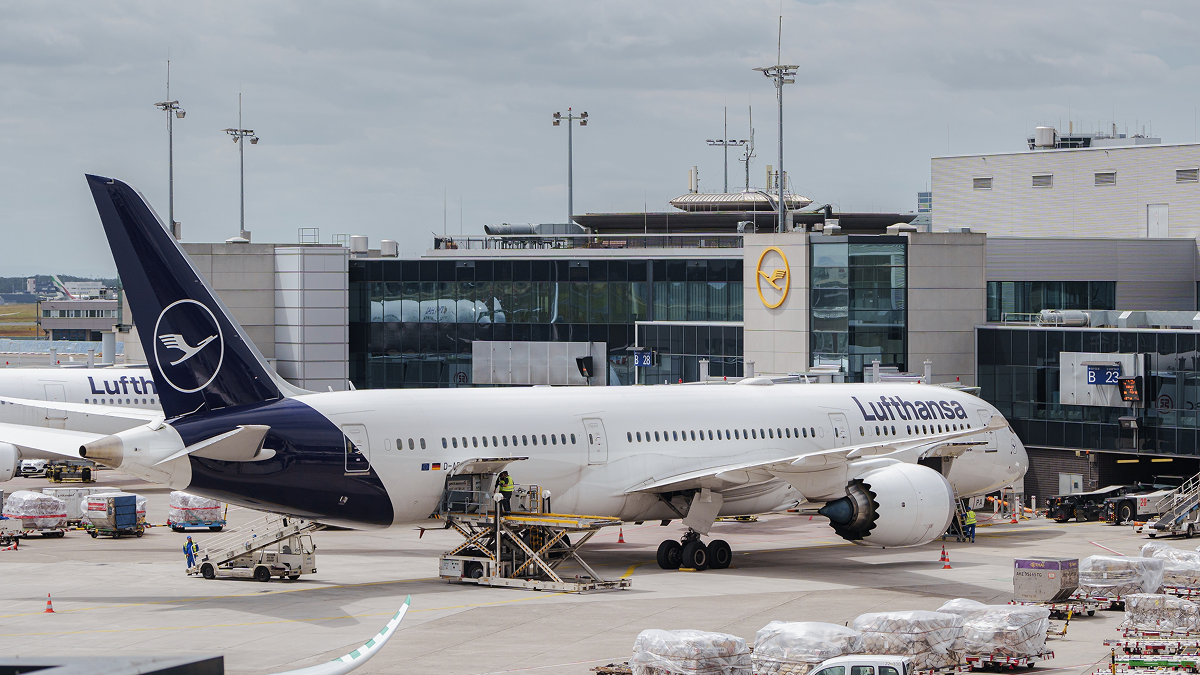
The malaria outbreak in Frankfurt Airport has been traced to an imported mosquito. Credit: samfotograf / Shutterstock
Investigators believe a single mosquito that survived a long-haul flight is to blame for the deaths of two workers at Frankfurt Airport, alongside another four who fell seriously ill, despite none of them having set foot outside Germany, let alone a malaria zone.
Six workers fell ill within days of each other
Fraport, the company that operates Frankfurt Airport, has confirmed that six employees were diagnosed with malaria tropica, the most dangerous form of the disease, after falling ill between Saturday July 4 and Monday July 6. One worker died in early July. A second death was confirmed on Wednesday August 26, according to the Frankfurt health authority. The four other employees who were infected have been treated and are recovering. None of the six had recently travelled to a country where malaria is present, which ruled out the usual explanation for a case reaching Germany.
A mosquito that flew in from the tropics is the leading theory
The Robert Koch Institute (RKI), Germany’s national body for disease control, believes an Anopheles mosquito (the insect known to be the only transmitter of the parasite that causes human malaria) was carried into the country on board an aircraft from a region where malaria is common, then bit the workers at or near the airport.
Mosquito traps have since been placed around the site, and any specimens caught are being sent to the Institute of Tropical Medicine in Antwerp, Belgium, for genetic testing to confirm the source. Both the RKI and Frankfurt’s health department have stressed that malaria cannot pass from person to person. The only route of infection is a mosquito bite, so colleagues, passengers and nearby residents are not at risk of catching it from those who fell ill.
‘Airport malaria’ is rare, but Spain has seen it before
Cases like this are known in medical literature as airport malaria: an infected mosquito survives a flight from a country where the disease is endemic, then bites someone who has never left the country it lands in.
It doesn’t happen often though. Research cited by health officials has recorded fewer than 150 confirmed cases across European airports since the late 1960s, with Spain named alongside France, Italy, Belgium, the Netherlands, Switzerland and the UK as countries where it has previously occurred. Frankfurt Airport’s own last confirmed case was in 2023.
The risk isn’t the same everywhere today, but the recent cases are a gentle reminder that the phenomenon is a recognised, if rare, hazard of global air travel through hubs like Frankfurt rather than a one-off German incident. It has also previously been recorded in Spain, where mosquito-borne disease risk has been rising for other reasons too.
What Fraport and health officials are doing now
Fraport said it was ‘shocked and deeply saddened by the loss of our colleagues’, adding that its thoughts were with the families and friends of those affected. The company said its focus was now on informing staff and preventing further cases.
Employees have been told to see a doctor immediately if they develop symptoms such as fever, headaches or breathing difficulties, and to mention that they work at the airport so malaria is considered even though it remains extremely uncommon in Germany. Health officials have also urged extra precautions against mosquito bites around the site while the investigation continues.