DGT
New traffic rules for e-scooters, cyclists and motorcyclists just approved in Spain


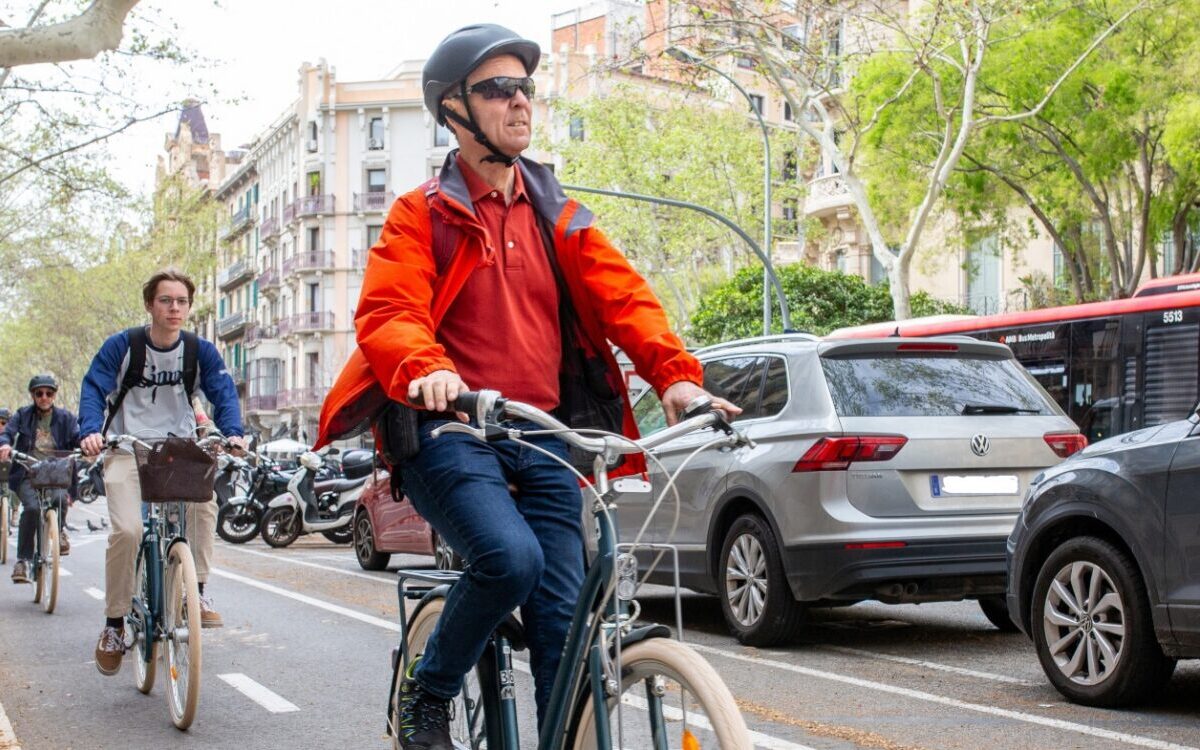
The Spanish Council of Ministers has just given the green light (Tuesday, June 23) to a major reform of the General Traffic Regulations meant to increase improve road safety, particularly for the most vulnerable users. The changes will come into force mostly in October 2026.
The updated rules are going to modernise Spain’s traffic laws to include new forms of travel and put people, especially the most exposed road users, at the heart of road safety policy. For the first time, the regulation includes an official definition of “vulnerable road user”, covering pedestrians, cyclists, motorcyclists and users of personal mobility vehicles (such as e-scooters).
Key measures included in the reform
Electric scooters (patinetes)
Cyclists
- Helmet use becomes compulsory everywhere.
- Vehicles must maintain a greater safety distance when overtaking and reduce speed.
Motorcyclists
- Protective gloves become mandatory on roads out of town.
- Closed (enclosed) footwear required on all roads.
- Motorcycles will be allowed to use the right-hand hard shoulder during heavy traffic congestion, provided they do not exceed 30 km/h and the stretch is appropriately signposted.
Seat belts
- Exceptions previously enjoyed by taxi drivers and goods vehicle drivers will be removed – everyone must wear a seatbelt at all times.
Emergency lanes and congestion
- In traffic jams, drivers must leave a clear passage for ambulances, police, fire services and other emergency vehicles. The reform also introduces specific rules for driving in snow and for motorhomes.
Overtaking stopped vehicles
Motorways and dual carriageways in snow
Urban mobility and safety about town
At pedestrian crossings with traffic lights, the amber flashing light for vehicles will no longer coincide with the green “walk” signal for pedestrians. The green light for pedestrians will not light until the traffic light is red. This will be a big change for walkers who have been accustomed to start crossing as soon as the amber for traffic comes on. So, even the walkers will have to wait a second longer or face potential on-the-spot fines.
Motorhomes will not be allowed to extend awnings, steps or other elements beyond the vehicle’s perimeter when parked, unless, of course, in a specific camp site for motorhomes and caravans. Any attempt to do so when parked on a public street, will be met with sanctions from the local police. This was a rule that was generally understood by motorhome and caravan users in Spain before, but one that now becomes clearer in law and responds more to those who permanently reside in such vehicles on public streets.
“School paths” (caminos escolares) now have official legal status. These are specially prepared routes designed to allow children to walk safely to and from school. Again, this was previously a common understanding, but now has been codified clearly in Spanish law.
Idea behind the reform
The government says the changes are designed to reduce road accidents, improve coexistence between different types of road users, and promote more sustainable and safer mobility in line with the UN’s Agenda 2030.
Most of the new rules will apply from October, 1 2026. A few measures, including the requirement for lights on e-scooters and certain helmet standards for motorcyclists, will come into effect one year later, in October 2027.