Costa Blanca South
Orihuela prepares to open Los Saladares to the public after excavation phase ends


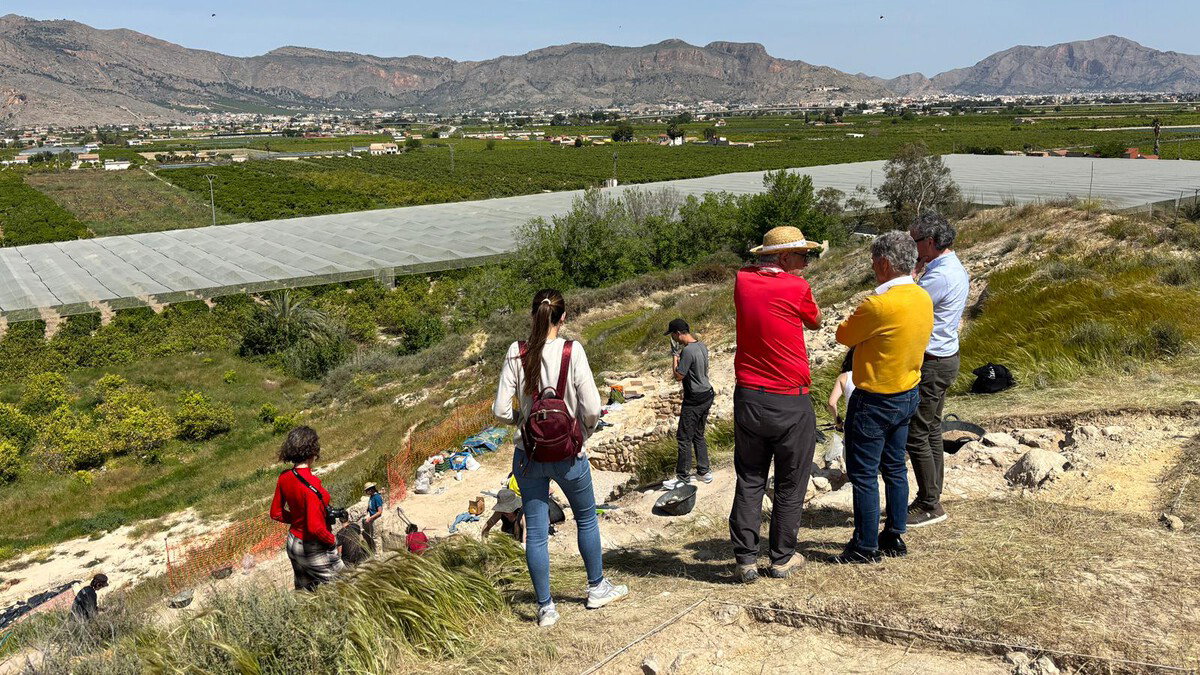
Excavation work at Los Saladares in Orihuela prepares the site for future public visits
Credit: Ayuntamiento de Orihuela
Orihuela is moving closer to opening one of its most important archaeological sites to the public, as excavation work at Los Saladares reaches its final stage. The development, confirmed on April 10 by the local council, marks a shift from years of research towards making the site accessible as a cultural and educational space.
Years of research bring the site to a turning point
Los Saladares is considered one of the most significant protohistoric sites in southeast Spain. Excavations carried out in collaboration with the University of Alicante have helped uncover layers of history dating from the 9th to the 2nd century BC.
The latest campaign involved a multidisciplinary team of archaeologists, researchers, and students, building on several years of ongoing study. Recent findings have strengthened the importance of the site, particularly in understanding early settlements and external influences in the area. Discoveries linked to Phoenician presence near the Segura river mouth have added new context to how local communities interacted with early Mediterranean cultures.
From excavation site to visitable space
With the excavation phase now largely complete, the focus is shifting towards conservation and public access. The council plans to transform the area into a visitable site, allowing residents and visitors to explore the remains through guided routes and informative displays.
Plans include the creation of marked paths, explanatory panels, and a structured layout designed to make the archaeological remains accessible without compromising their preservation. This transition reflects a broader trend across Spain, where archaeological sites are increasingly being adapted for public engagement, rather than remaining closed research areas.
A new cultural attraction for Orihuela
For Orihuela, the opening of Los Saladares represents more than just a heritage project. It offers the potential to expand the city’s cultural tourism, adding a new dimension beyond its historic centre and religious landmarks. The site provides insight into some of the earliest settlements in the region, offering visitors a different perspective on the area’s history. Local officials see this as an opportunity to strengthen Orihuela’s cultural identity while also attracting visitors interested in archaeology and history.
Opening plans begin to take shape
Although an exact opening date has not yet been confirmed, preparations are now moving towards making the site accessible to the public. Work will focus on preserving the remains while introducing elements that allow visitors to understand and move through the space safely. This includes pathways, signage, and guided interpretation designed to explain the historical importance of the site without affecting its structure.
The shift marks a clear change in how Los Saladares will be experienced. What was once a closed research site is now being prepared as a place people can visit and explore. For Orihuela, this adds a new layer to its cultural offer, connecting its ancient past with present-day tourism. As the project progresses, Los Saladares is expected to become a key point of interest for those looking to discover a lesser-known part of the region’s history.