
News from Portugal
Portugal’s last circus elephant finds a new home


Pangea prepares to welcome first rescue elephants
Credit: Shutterstock, Henk Bogaard
Portugal’s last circus elephant is retiring to a life of luxury. Julie, who has been a part of the Victor Hugo Cardinali circus since 1988, will be one of the first elephants to reside at Pangea, Europe’s first ever elephant sanctuary.
Pangea, Europe’s first elephant sanctuary opens in Europe
Pangea elephant sanctuary spans 1,000 acres in Alenejo, Portugal. Its habitats have been modelled after Asian and African planes, ensuring native wildlife species can thrive, and rescued elephants can comfortably roam in an expansive but protected territory. They will be able to roam, forage, and socialise freely, all the while receiving individualised care from wildlife experts.
The Pangea project is backed by governmental support and has also received endorsements from elephant experts and wildlife biologists around the world, who hail the sanctuary as a saving grace. Establishing Pangea has taken over ten years to turn into a reality. But at least, it is ready to welcome its first two residents.
Julie and Kariba start a new life
Julie, a 40-year-old African elephant, will be the first elephant to explore what Pangea has to offer. For almost her entire life, Julie has been part of the Victor Hugo Cardinali circus. Unbelievably, the Portuguese ban of wild animals in circuses didn’t come into effect until 2025, at which point the circus began considering other arrangements for Julie, who the whole circus had a real affection for.
Julie will be eventually accompanied by another female elephant, Kariba. Kariba has been based in Belgium zoo, one of many elephants across the world who live in almost complete isolation from their species.
Notably, Julie and Kariba’s arrival marks the return of the species to the area straight-tusked elephants roamed some 40,000 years ago.
Why elephant sanctuaries are so important
Pangea recently shared an update on Kariba’s journey to their social media. They explained that her arrival has been delayed following the discovery of an abscess on her foot. This is a common ailment of elephants who have spent their lives captivity. Thankfully it is an easily treatable condition and Kariba has the best veterinary care, it simply means her journey to Pangea will be slightly delayed.
Elephants are incredibly social and active species, walking tens of kilometres each day in the wild as part of a large herd. Yet an estimated 600 elephants are held in captivity around the world. Many are held in poor, isolated conditions, and some are forced to perform tricks on command to paying audiences.
Thankfully legislation is improving and Pangea is ready to give elephants the home they deserve. Pangea is currently able to take in up to 30 elephants, but continued fundraising efforts will hopefully see the sanctuary and its herd grow further.
Crucially, Pangea is not a zoo, it’s a sanctuary, where finally Julie and Kariba will be allowed to roam freely.








European News
Portugal to offer €439 payment and free driving licence in youth military programme proposal
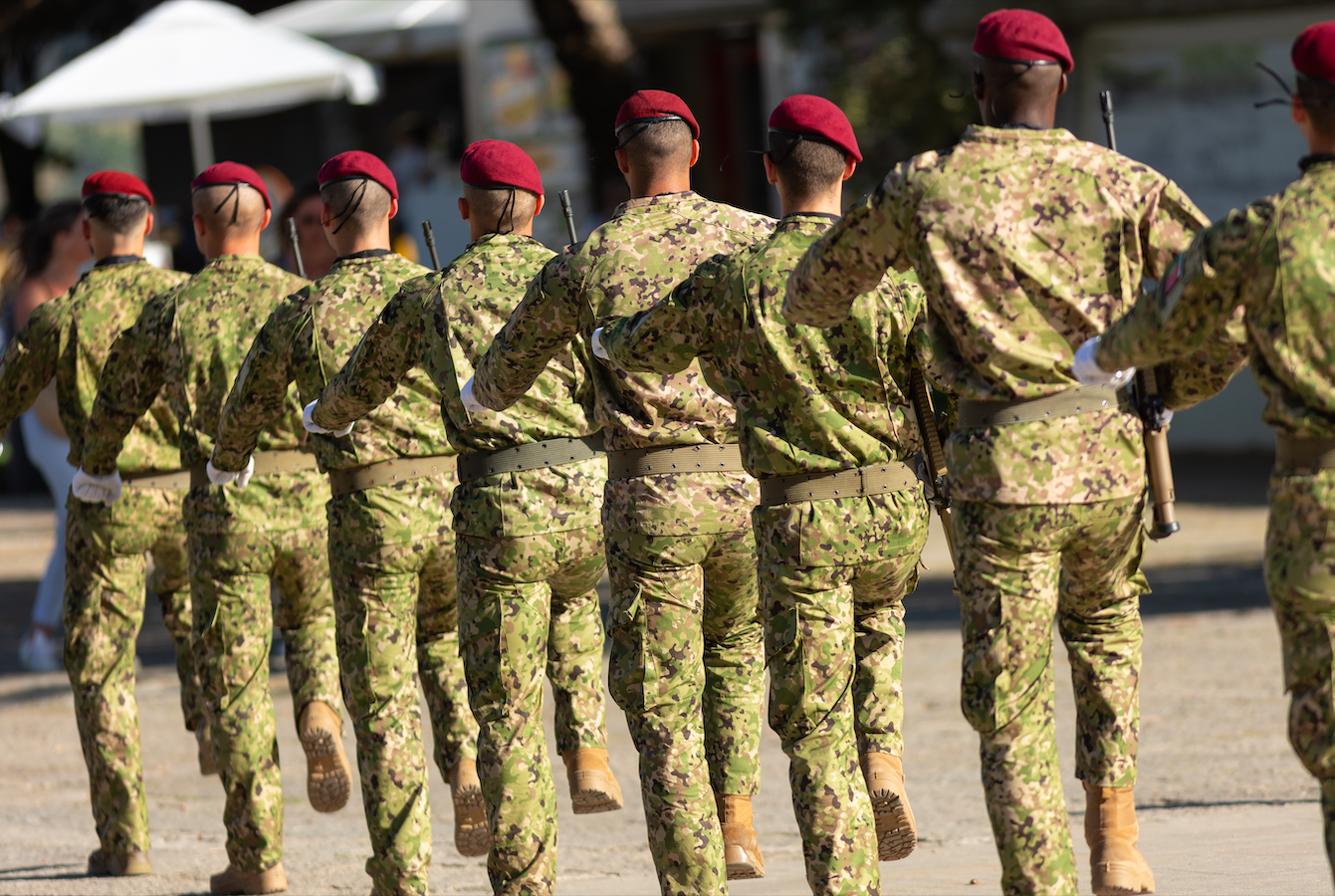
The proposed programme would last between three and six weeks. Photo credit: KONSTANTIN_SHISHKIN/Shuttetstock
Portugal’s government is considering a voluntary civic-military programme that would offer young participants a cash payment and access to a free driving licence as part of a plan to improve recruitment into the armed forces.
The proposal has been put forward by the governing PSD and CDS-PP coalition and is still under discussion in parliament. It has not yet been approved as law. The scheme, referred to in reports as “Defender Portugal” (Defend Portugal), would be aimed at people aged between 18 and 23. Participation would be voluntary.
Training structure and duration
The programme would last between three and six weeks. It would combine civic instruction with basic military training in a supervised environment. Participants would take part in physical preparation, discipline-based activities and sessions focused on civic responsibility. The training would take place in facilities linked to the armed forces.
At the end of the programme, participants would receive a one-off payment of €439.21.
Driving licence and additional benefits
The proposal includes access to a free driving licence. This would be provided through military or state-approved training centres. The scheme also outlines possible advantages for participants when applying for roles in the armed forces and certain public sector positions, including security services.
These advantages would not guarantee employment but could be taken into account during selection processes.
Political position and current status
The initiative has been presented as a way to increase interest in military service among younger age groups. It is intended to address recruitment difficulties in Portugal’s armed forces, which rely entirely on voluntary enlistment following the end of conscription in 2004.
Government representatives have described the programme as optional and temporary in nature. It remains at the proposal stage and requires further parliamentary approval before any implementation. No start date has been confirmed.
Debate within Portugal
The proposal has prompted discussion in parliament over its design and incentives. Supporters argue that the payment and driving licence could encourage participation and provide practical benefits for young people, particularly those in education or early employment.
Opposition figures have questioned the use of financial incentives in connection with military-linked training and have called for further scrutiny of how the scheme would be funded and administered.
What it could mean for young people in Portugal
If introduced, the programme would provide participants with short-term structured training and a financial payment of €439.21. The inclusion of a free driving licence would remove one of the more expensive early costs faced by young adults in Portugal.
Participants would also gain exposure to military environments and basic training, which could be relevant for those considering careers in the armed forces or public services. However, participation would not create an obligation to join the military after completion of the programme.
Wider implications for recruitment
Portugal ended compulsory military service in 2004, moving to a fully voluntary system. Since then, the armed forces have relied on recruitment campaigns and voluntary enlistment to maintain staffing levels.
The proposed programme is designed as a short-term entry route for younger age groups, but its final structure will depend on parliamentary approval and any amendments made during the legislative process.

Spanish Supermarket Giant Fined €30,000 Over Labelling That ‘misled Shoppers’
Portugal’s last circus elephant finds a new home
Calpe gymnasts shine with championship success after stand-out performances


-

 Competiciones4 weeks ago
E
-
blackout April 20253 weeks ago
Insurance company Mapfre decides to pay out €14 million compensation for 2025 blackout
-
 Foreign demand3 weeks ago
Who Bought Where In The Second Half Of 2025?
-

 New Developments4 weeks ago
Stylish 3-Bedroom Apartment With Panoramic Sea Views – Benalmádena
-

 New Developments3 weeks ago
Inside The Most LUXURIOUS Apartment Building In Spain!
-

 New Developments4 weeks ago
Luxury Villas For Sale, Estepona – ProjectL1
-
Costa Blanca South3 weeks ago
Alicante police chief to retire after 17 years of service
-

 New Developments3 weeks ago
🌅 Stunning Penthouse With Panoramic Sea & Mountain Views Benalmádena