Housing politics
Public Sector Workers Get Rewarded, Landlords Get Punished

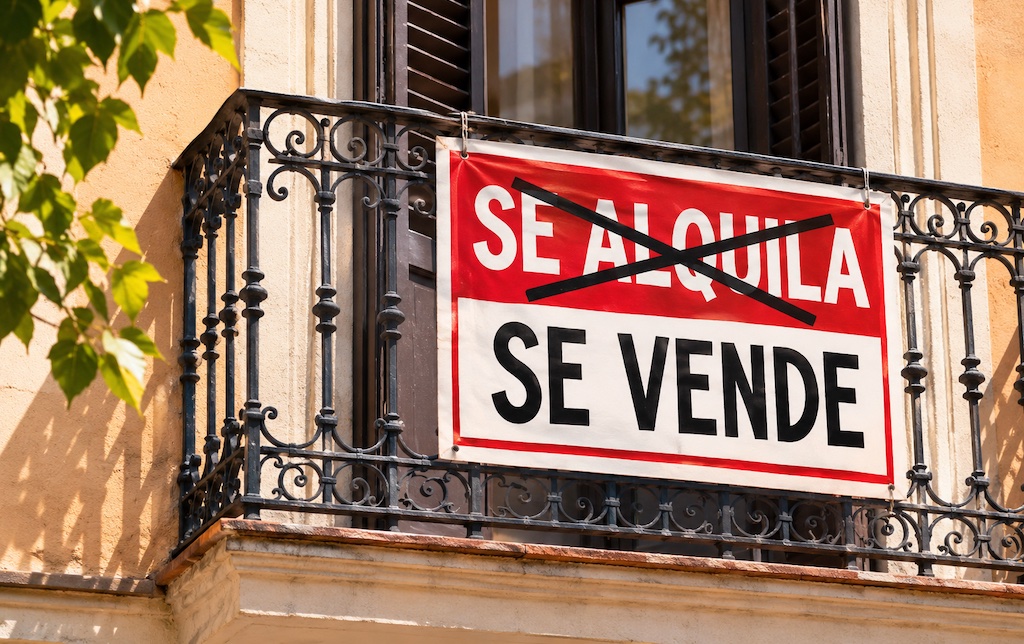
With elections just days away, Spain’s Socialist-run government has announced generous income increases for public-sector workers and other favoured groups while forcing landlords to take a real pay cut. The consequences for housing supply will be grim.
Pay rises for some, income cuts for others
Just nine days before Spain’s general election, the Socialist-led government announced a 4.5% pay rise for public-sector workers in 2027 and a 5.3% increase in the minimum wage. Pensions are also heading for an inflation-linked increase, expected to be around 3.5%.
The public-sector agreement dates from last year, but the timing of its approval is politically convenient, to say the least. It looks just like electoral populism.
Meanwhile, landlords face the opposite treatment. Under October’s new rental regulations, annual rent increases are generally capped at 2% without a fresh agreement, while some rents cannot rise at all. Tenants can also qualify for compulsory contract extensions of up to two years.
With inflation running at 4.9%, landlords are being forced to accept declining real rental income. Meanwhile, maintenance, insurance, community charges and taxes keep rising, squeezing net returns even harder.
Punished for providing housing
Landlords invest their savings and capital in providing homes for people who cannot afford, or simply don’t want, to buy. They provide an essential service while accepting substantial costs, responsibilities and financial risks.
And most aren’t institutional investors or so-called vulture funds. According to the Bank of Spain, around 90% of landlords are private individuals, most owning just one or two rental properties.
Yet the government treats them as if they deserve punishment for investing their capital in rental housing.
Rent controls aren’t technically fines, but forcing landlords to accept declining real returns amounts to a financial penalty for providing a perfectly legitimate and necesssary service.
The immediate beneficiaries are sitting tenants, who enjoy below-inflation rent increases and greater security of tenure. In effect, purchasing power is being transferred from landlords to sitting tenants.
The invisible losers
But there’s another group of losers who barely feature in the debate: people looking for somewhere to rent.
Landlords aren’t stupid. Why tie up hundreds of thousands of euros in rental housing, with all the costs, restrictions and risks of non-payment, when other investments might offer better risk-adjusted returns with far less hassle? Right now you can get a better return from cash in a savings account.
Spain already suffers from a chronic shortage of rental housing. Making private investment less attractive risks shrinking supply further, leaving prospective tenants competing for even fewer homes. Landlords can sell up or invest elsewhere. New investors can simply avoid the rental market.
So it’s clear that this government thinks that public-sector workers and other favoured groups deserve protection from inflation with public money, while landlords are allowed no such protection. Prices and taxes rise across the economy, but rent controls focus the pain on landlords, who get punished for investing their personal savings in Spanish rental housing. If the Socialists are still in power after the GE on Sunday, nobody should be surprised if the stampede out of the sector continues.