DGT
Ride a motorbike in Spain? These three everyday habits could soon set you back €200
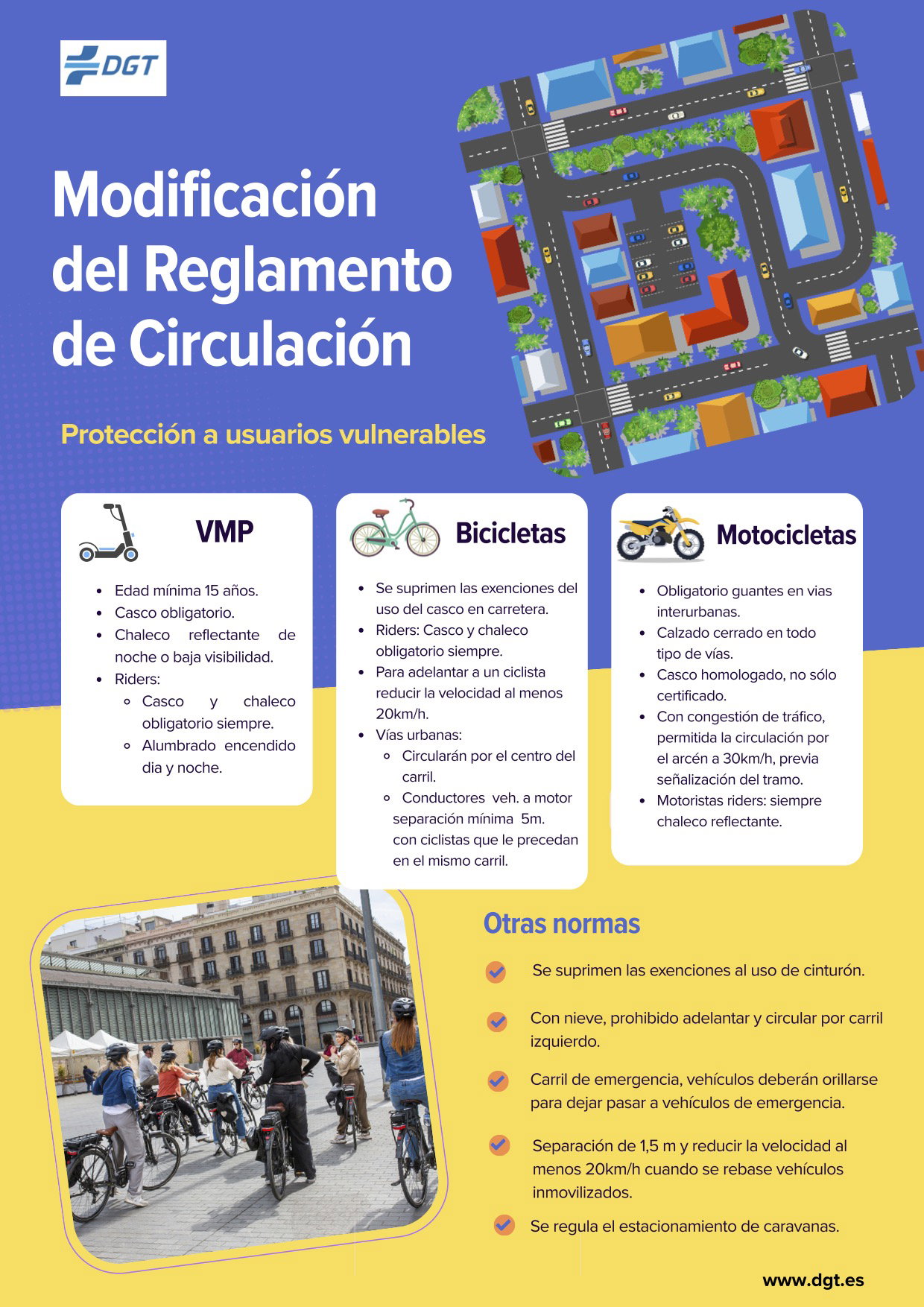
Thousands of motorcyclists in Spain will start to have to rethink some everyday riding habits from October after new traffic rules come in from the DGT (Spanish government department responsible for traffic), which will introduce compulsory gloves on many roads, compulsory closed footwear and new conditions for using the hard shoulder during traffic jams. For riders who ignore the changes, Guardia Civil officers will be on the lookout to dish out fines of up to €200.
Motorcyclists will, however, get one practical new option on congested routes while facing stricter standards on protective gear. Several common practices will change at once under new guidelines hoped to reduce injuries among vulnerable road users.
What changes for motorcyclists?
Bikers face several updates to everyday practices under the new DGT rulebook. Several common habits require adjustment at the same time. The focus stays on hand protection, foot coverage and controlled use of road edges when traffic slows.
Can motorcycles now use the hard shoulder?
Yes. Riders will be permitted in certain conditions. Motorcycles will be able to ride on the right hard shoulder, but only during traffic congestion. Speed must stay at or below 30 kilometres per hour. Signs must permit it on that stretch, as there are some that are indicated as too dangerous to use as an extra lane. Priority will also go to any other so-called ‘vulnerable’ road users already there, such as cyclists. This controlled exception is meant to improve safety rather than allow free movement on hard shoulders everywhere.
Gloves become compulsory – everywhere
Protective gloves turn compulsory for riders and passengers on out-of-town roads. Approved types count, with current protective gloves acceptable until full technical rules arrive via ministerial order. Much like the famous V-16 emergency beacons, the DGT will publish a list of which gloves the carry legal and approved code numbers that show they are government-allowed. The DGT links proper hand protection to fewer injuries in crashes. Ignoring this, again, brings a €200 fine.
Closed footwear becomes mandatory across Spain
Closed shoes replace open options like sandals or flip-flops on every type of road. This rule was previously enforced by local police in certain towns but will not be a law countrywide. Heat offers no excuse. Proper closed footwear helps protect feet and ankles. A €200 fine applies for non-compliance.
When do the rules start?
Most of these new requirements will take effect on October 1, 2026. Riders still have several months to update gear and habits. Some technical details, such as exact glove standards and official numbers to invest in, are expected to follow later via a special ministerial order.
Can I still…?
Wear trainers?
Yes, provided they count as closed footwear with full coverage around the foot and ankle area. No sandals, flip-flops, heels, or anything that leaves toes and ankles bare and therefore vulnerable in an accident.
Weave through traffic?
The new hard-shoulder provision offers one specific way around jams under strict limits. General lane splitting between moving vehicles stays illegal as before. So, weaving in and out of traffic is a strict no-no. This will be a big change for city road users as much as motorway riders.
Ride on any hard shoulder?
No. Only the right one qualifies, and only when congestion exists, signs will allow it in certain places, speed stays at 30 kilometres per hour or less, and other users keep priority.
Take off my gloves in town when it’s hot?
Yes, as the glove rule applies only on out-of-town roads outside built-up areas.
Common mistakes riders could make
Many assume gloves matter only in colder months. Others believe any hard-shoulder works at any time. Speeding above 30 kilometres per hour on a permitted hard-shoulder risks a fine. Sandals seem practical in summer heat but will no longer pass. Local signs must guide shoulder use or riders risk penalties.
Fines to watch out for from October
Many of these rules already exist in some, municipalities, provinces, and regions in Spain, but the new rules will make them the same across the country.
| Offence | Fine |
|---|---|
| No protective gloves on out-of-town roads | €200 |
| Open footwear on any road | €200 |
| Incorrect hard-shoulder use (wrong speed, section or priority breach) | €200 (or applicable traffic fine) |
| Professional riders not wearing reflective vest | €200 |
For more on these sweeping traffic reforms that affect all road users, read our previous coverage of the full list of changes.
Riders still have time before October to check gear, practise the new hard-shoulder rules on signposted sections and replace open footwear. Preparation now avoids surprise fines once the changes apply. The DGT has released an infographic summarising the updates for vulnerable road users, available on their site. Safe riding starts with the right kit and habits.

Credit: DGT