Border check
Spain border checks could catch some travellers off guard over proof of funds


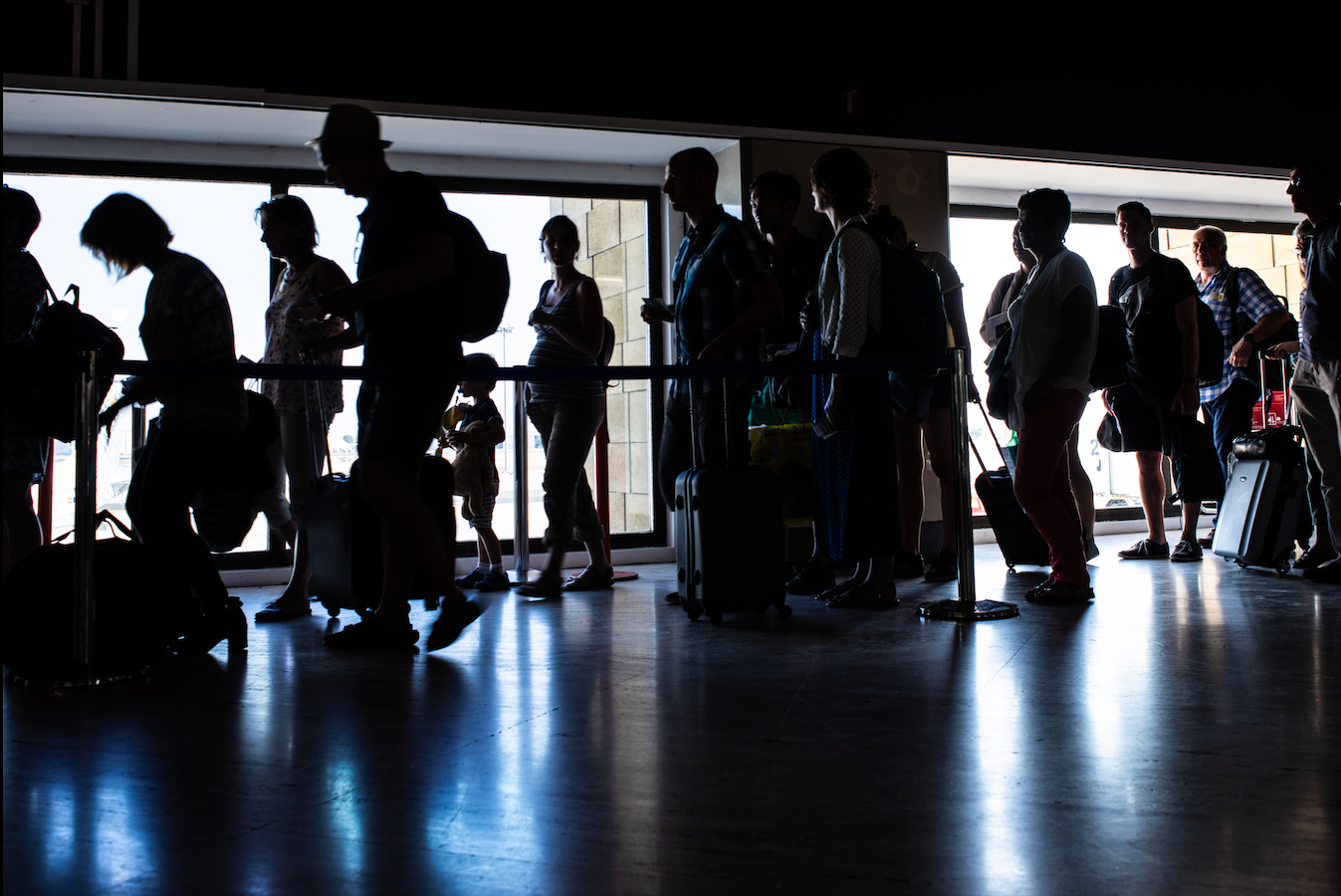
Border officers assess each traveller individually, taking into account the length and purpose of stay. Photo credit: Right Perspective Images/Shutterstock
Spain has strengthened border controls, making it clear that travellers entering or leaving the country may need to demonstrate sufficient financial means to support their stay. The measure is part of Spain’s compliance with national immigration law and the EU’s Schengen Borders Code, which sets out common entry rules across member states.
The legal basis is not new. Under Spain’s Orden PRE/1282/2007, authorities are permitted to request proof that travellers have adequate financial resources. At EU level, Regulation (EU) 2016/399 (Schengen Borders Code) allows border officials to verify whether visitors meet entry conditions, including having sufficient means of subsistence.
Authorities emphasise that holding a valid passport or visa alone does not guarantee entry. Border officers have the legal discretion to request proof of financial resources and may refuse entry if travellers cannot demonstrate they have sufficient means.
Financial requirement for entry under Spanish law
Spain’s Orden PRE/1282/2007, published in the official state gazette (BOE), regulates the economic requirements for entry. It states that foreign nationals may be required to prove they have sufficient funds for the duration of their stay, and sets out how those funds can be assessed.
The regulation links financial thresholds to Spain’s Minimum Inter-professional Wage (MIW, Spanish: Salario Mínimo Interprofesional, SMI).
For context, the MIW for 2026 is reported at €1,221 per month (14 payments) or €1,424.50 per month (12 payments). While the law provides a method for calculating minimum amounts, historically based on percentages of this figure, authorities do not apply a single fixed amount in all cases. Instead, border officers assess each traveller individually, taking into account the length and purpose of stay.
Acceptable proof of funds can include:
- Cash
- Debit or credit cards with recent statements
- Official bank or financial documents demonstrating availability of money
In some cases, authorities may allow entry for a shorter stay based on the funds available, although this remains entirely at the discretion of border officials.
EU rules behind the checks
The requirement to demonstrate financial means is part of the wider Schengen system, which governs external border controls across Europe.
Under the Schengen Borders Code, travellers may be asked to justify:
- The purpose of their visit
- Their accommodation arrangements
- Their financial means for the duration of the stay
If these conditions are not met, entry can be legally refused, even where travel documents are otherwise valid. This means Spain is enforcing a shared European framework, rather than introducing a completely new rule.
Impact for travellers and local areas
Travellers arriving in destinations such as Madrid, Barcelona, Málaga, Mallorca and Valencia may be asked to provide proof of financial means at airports, seaports and land borders.
Tourism offices and consulates report that travellers frequently seek clarification on acceptable documentation. As a result, many travel operators now advise visitors to carry bank statements, cards, or cash to avoid delays or complications at the border.
Steps travellers should take
- Check documentation: Ensure your passport or travel document is valid
- Prepare proof of funds: Bring cash, bank cards with statements, or official financial certificates
- Plan according to your stay: Longer trips may require evidence of greater financial resources
- Expect checks: Border officers may request documentation at any point of entry
- Seek guidance if needed: Spanish consulates can provide up-to-date advice before travel
How the rules compare to previous entry checks
Previously, border checks focused mainly on verifying identity and visa status. While financial requirements have long existed in law, they are now more visibly enforced in practice.
- Passport
- Before: Often sufficient for visa-exempt travellers
- Now: Required, but may be accompanied by financial checks
- Visa
- Before: Primary requirement for non-EU travellers
- Now: Still required, with possible additional financial verification
- Financial means
- Before: Not always systematically checked
- Now: Can be requested at the discretion of border authorities
Failure to meet these requirements can result in refused entry, restricted stays, or limitations imposed at the border, depending on the situation.
Common questions
- Does this affect non-visa travellers?
Yes. The requirement applies to travellers subject to border checks under Schengen rules, even if they do not need a visa. EU and Schengen citizens are generally exempt. - What happens if I cannot demonstrate sufficient funds?
Authorities may refuse entry, limit the duration of your stay, or make a discretionary decision based on your circumstances. - Do residents need to show proof?
Residents with valid permits are usually exempt, although they may be asked for supporting documentation in specific cases.
What to expect when crossing the border
Spanish authorities will continue applying these rules at all official entry points. Travellers should be prepared for possible checks and ensure they carry appropriate documentation.
While not every traveller will be asked to provide proof of funds, the legal framework allows border officers to do so at any time. Those unable to meet the requirements risk being denied entry or facing restrictions on their stay.
As part of the wider Schengen framework, similar checks may also apply in other European countries. Travellers are therefore advised to prepare documentation in advance to ensure smooth entry throughout 2026.