Connect with us

%

Spain Declares Condoms A ‘right’ With Free Pharmacy Roll-Out For Young People

Published

on

spain-declares-condoms-a-‘right’-with-free-pharmacy-roll-out-for-young-people

Spain expands free condom access to curb rising STI rates. Photo Credit: Omar Roque / Unsplash

Following a ten-year high in STI diagnoses in the country, Spain’s Ministry of Health has announced the launch of a programme through which young people between the ages of 16 and 22 will be offered free condoms in local pharmacies. The initiative, which was announced on Monday by the Director General of Public Health of the Ministry of Health, Pedro Gullón, defines condoms as “a right” for young people.

A new announcement that aims to make condoms a ‘right’ to which young people are ‘entitled’

The initiative was announced in Madrid on Monday, June 8, as part of the Awareness and Update Day on Sexually Transmitted Infections, organised by the Ministry of Health. The plan not only aims to turn condoms into a basic right for young people, but plans to integrate them into daily life and normalise their use among teenagers and young adults, giving residents the assurance that they are available.

To be specific, Gullón highlighted that young people will be “entitled” to a box of condoms every set amount of time, using a monthly basis as an example.

3 million people to be reached with new initiative

This is not the first time Spain has launched an initiative that offers free condoms to young people, but according to Gullón, this edition of the launch is expected to reach some “three million people throughout Spain” and will make free condoms accessible in more pharmacies in the country. In order to carry out the initiative, the country will make a “purchase of condoms for all of Spain,” according to Gullón.

A bold move as condom price tags soar and STIs run rampant

The move is especially significant in today’s context, as condom prices have been surging across Europe, and gonorrhoea and syphilis are at an all-time high in Spain. As it stands, condoms are the only effective form of birth control that also protects against STIs and STDs.

This means that the usage of condoms by young and impressionable teens and young adults is not only a concern for teenage pregnancy and other health risks, but it is also a public health concern, especially ahead of peak season and the holiday partying culture in Spain.

This initiative also makes condoms more accessible for those who have limited resources, adding a safety net and peace of mind for those who want to avoid pregnancy and other health concerns that may arise from having unprotected sex.

%

Dog Owners Risk €50,000 Fines In Spain For Exposing Pets To Scorching Summer Temperatures

Published

on

dog-owners-risk-e50,000-fines-in-spain-for-exposing-pets-to-scorching-summer-temperatures

If a dog begins showing signs of heatstroke it should be moved immediately to a shaded or cool location. Photo credit: Ezzolo/Shutterstock

As temperatures begin to soar across Spain, pet owners are being urged to take extra precautions when exercising their dogs. Under Spain’s Animal Welfare Law, owners have a legal responsibility to protect animals from conditions that could cause suffering or injury, with serious breaches carrying fines of up to €50,000.

The warning comes as veterinarians continue to highlight the dangers of heatstroke, dehydration and burns caused by hot pavements during the summer months. While many residents adjust their routines during periods of extreme heat, experts warn that dogs remain particularly vulnerable because they are less able to regulate their body temperature than humans.

Legal responsibility and potential penalties

Authorities may consider it a breach of an owner’s duty of care if a dog suffers harm as a result of being exposed to dangerous conditions, particularly if the animal develops heatstroke, dehydration or injuries caused by hot surfaces.

Under Spain’s animal welfare framework, serious infringements can carry fines ranging from €10,001 to €50,000. The severity of any penalty depends on the circumstances and the impact on the animal’s wellbeing.

Why hot weather can be dangerous for dogs

Unlike humans, dogs do not cool themselves efficiently through sweating. Instead, they primarily rely on panting and limited sweating through their paw pads.

During periods of extreme heat, dogs can quickly become overheated, especially when exercising, walking on hot surfaces or spending prolonged periods in direct sunlight. Certain breeds, including Bulldogs, Pugs and French Bulldogs, are particularly vulnerable because their shortened airways make cooling themselves more difficult.

Owners should also ensure that any muzzle used does not prevent panting, as this can increase the risk of overheating, particularly during hot weather.

Older dogs, puppies and animals with underlying health conditions also face an increased risk of heat-related illness. Heatstroke can develop rapidly, particularly during Spain’s summer heatwaves, making prevention essential.

How to keep your dog cool during Spain’s summer

Veterinary experts recommend walking dogs during the coolest parts of the day, ideally early in the morning or later in the evening when temperatures are lower. Strenuous exercise should be avoided during the hottest hours, typically between midday and late afternoon.

Owners should always carry fresh drinking water and offer it regularly during walks. Access to shade is equally important, particularly in urban areas where concrete and asphalt can reach extremely high temperatures.

A simple way to test whether the ground is too hot is to place the back of your hand on the pavement for several seconds. If it feels uncomfortable, it may also be hot enough to burn a dog’s paw pads.

At home, pets should have constant access to fresh water, shaded areas and adequate ventilation. Cooling mats, fans and damp towels can help reduce heat stress, while dogs should never be left unattended inside parked vehicles, where temperatures can rise to dangerous levels within minutes.

Recognising the signs of heatstroke

Heatstroke is a veterinary emergency that requires immediate attention. Early warning signs often include excessive panting, heavy drooling, restlessness and difficulty settling.

As the condition worsens, dogs may become anxious, weak, lethargic or disoriented. Other symptoms can include bright red gums or tongue, rapid breathing, vomiting, diarrhoea, excessive salivation, loss of coordination, collapse or unconsciousness.

Without prompt treatment, heatstroke can lead to organ failure and may prove fatal. For this reason, pet owners should act quickly if they suspect their dog is overheating.

What to do if you suspect heatstroke

If a dog begins showing signs of heatstroke, it should be moved immediately to a shaded or cool location. Small amounts of cool drinking water can be offered, but the animal should not be forced to drink.

Owners should begin lowering the dog’s temperature gradually using cool, rather than ice-cold, water. Wet towels can be applied to the neck, chest and abdomen to help reduce body temperature safely.

Veterinary attention should be sought as soon as possible, even if the dog appears to recover. Internal complications can develop after the initial symptoms have subsided and may not be immediately visible.

Questions and answers

Is it illegal to walk a dog in hot weather in Spain?

No. Spanish animal welfare law does not set a specific temperature at which walking a dog becomes illegal, including 40°C or above.

However, the law does require owners to avoid exposing animals to conditions that could cause suffering or injury. In extreme heat, this can include risks such as heatstroke, burns from hot asphalt, dehydration or collapse from overheating.

Whether an offence has occurred depends on the circumstances, including the time of day, duration of the walk, condition of the dog and whether reasonable precautions were taken.

Can someone really be fined €50,000?

Potentially, yes. Serious infringements under Spain’s Animal Welfare Law can carry fines of between €10,001 and €50,000 where negligence results in significant harm to an animal.

What is the safest time to walk a dog during summer?

Early morning and late evening are generally the safest times, when temperatures are lower and pavements are less likely to cause burns.

How can owners tell if the pavement is too hot?

A common guideline is to place the back of your hand on the surface for several seconds. If it feels uncomfortably hot, it may also be too hot for a dog’s paws.

What is the biggest danger during extreme heat?

Heatstroke is one of the most serious risks. It can develop rapidly and requires immediate action and veterinary treatment.

A reminder for pet owners

As Spain enters another summer of high temperatures, veterinarians and animal welfare organisations continue to stress the importance of prevention. While the law does not specifically ban dog walks during hot weather, owners are expected to act responsibly and avoid exposing animals to conditions that could jeopardise their health.

By adjusting walking times, providing plenty of water and recognising the signs of heatstroke, residents can help ensure their pets remain safe throughout the hottest months of the year while complying with their responsibilities under Spanish law.

Continue Reading

%

How To Avoid Being Caught Off Guard By Jellyfish On Spain’s Beaches This Summer

Published

on

how-to-avoid-being-caught-off-guard-by-jellyfish-on-spain’s-beaches-this-summer

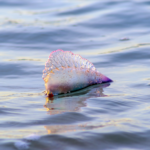
Warm sea temperatures increase their presence. Photo credit: BSG_1974/Shutterstock

As the weather warms across Spain, rising sea temperatures and shifting coastal currents create conditions that affect what swimmers experience in the sea. In recent years, lifeguards in some coastal areas have reported more frequent encounters at water level, particularly during busy beach periods on the Mediterranean coast.

However, what beachgoers perceive as “jellyfish season” is often less about visible swarms and more about unpredictable in-water encounters, where swimmers come into contact with organisms they did not see beforehand.

Seasonal presence along Spanish coasts

In Spanish waters, jellyfish-related encounters are often patchy and localised rather than widespread. One beach may have clear water while another just a few kilometres away experiences brief concentrations carried in by currents.

This variability means swimmers are often reacting to conditions at a specific moment in a specific stretch of water, rather than a uniform presence along the coastline.

What swimmers actually encounter in the water

What people describe as “jellyfish in the sea” is often a mix of different floating organisms, fragments, and natural debris rather than clearly identifiable animals.

Common real-world encounters include:

  • translucent fragments drifting just under the surface 
  • small blue sail-like organisms such as By-the-wind Sailor (Velella velella)
  • detached tentacle strands invisible until contact 
  • seaweed or jelly-like plankton clusters 

This is why swimmers can be stung even when nothing obvious is visible, the hazard is often microscopic or fragmented rather than fully formed animals.

Which jellyfish-related encounters are most noticeable

From a swimmer’s perspective, the worse encounters are not necessarily the most dangerous species, but the ones that create immediate sensation in the water.

The mauve stinger (Pelagia noctiluca) is often associated with sharp, immediate skin contact, which makes it more noticeable even in short encounters.

The Portuguese man o’ war (Physalia physalis) tends to be reported differently, often because swimmers describe a burning contact followed by lingering pain, even from brief exposure.

By contrast, many other jellyfish-like organisms may be present in the water without being noticed at all, due to weak or absent sting effects.

What type of waters increase the chance of encounters

Rather than being tied to fixed locations, jellyfish encounters are strongly linked to how water is moving at a given time.

Key factors include:

  • water movement patterns, which can concentrate organisms in narrow coastal bands 
  • surface drift conditions, where floating life accumulates in specific zones 
  • temperature layering in the sea, which can affect where organisms sit in the water column 
  • short-term wind shifts, which can rapidly change beach conditions within hours 

This means two swimmers in the same region can have completely different experiences depending on timing and exact location.

In some cases, combinations of these conditions can lead to short-lived increases in encounters, but they are typically temporary and highly localised rather than sustained trends across entire coastlines.

How to tell if jellyfish are in the sea

Detection is often less about seeing jellyfish clearly and more about recognising indirect signals in the water environment.

These include:

  • sudden clusters of floating organic matter 
  • changes in how swimmers feel in shallow water 
  • small translucent shapes near wave breaks 
  • warnings from lifeguards based on current drift patterns 

In many cases, swimmers only become aware of presence after first contact.

What happens when you are stung

A sting occurs when skin comes into contact with microscopic stinging structures embedded in tentacles or fragments. These structures are designed to activate on touch rather than sight.

Reactions vary depending on exposure level and sensitivity, and may include:

  • sharp or burning sensation on contact 
  • localised redness or irritation 
  • raised skin response 
  • short-term swelling in affected areas 

In most cases, the reaction remains localised and temporary.

What happens in the first moments after a sting

When jellyfish contact occurs, most people do not immediately realise what has happened and panic can set in. The first sensation is often a sudden burning or stinging feeling on the skin, which can intensify within seconds depending on the species and level of exposure. In many cases the reaction is influenced not just by the sting itself, but by what is still present in the water or on the skin after contact.

Tiny fragments of tentacle material or stinging structures can continue to activate even after the initial encounter, which is why discomfort may persist or spread slightly beyond the original point of contact, for that reason its recommended to slowly make your way out of the water and do not thrash around as you can risk more stings

The severity of the reaction varies widely between individuals and species, but most incidents remain localised to the skin and short-lived. More pronounced reactions tend to be associated with higher exposure or more reactive species, particularly in warmer, sheltered coastal waters where encounters are more concentrated.

In situations where symptoms escalate beyond mild skin irritation or do not begin to settle naturally over time, medical assessment is used as a precautionary measure in coastal areas.

When to seek medical help

Medical support is generally only required when reactions extend beyond mild skin irritation or when symptoms escalate unexpectedly.

This includes:

  • large affected areas 
  • persistent or worsening pain 
  • systemic symptoms such as dizziness or breathing difficulty 
  • vulnerable individuals such as children or elderly swimmers 

Emergency services in Spain operate via 112, with lifeguards often providing the first point of response on beaches.

Prevention and beach safety

Rather than relying on visible detection alone, swimmers are encouraged to pay attention to real-time beach conditions, jellyfish trackers and water behaviour, as jellyfish-related encounters are often not visually predictable.

Even when conditions appear clear, contact can still occur due to fragmented material or drifting organisms not visible at surface level. Awareness of water movement and local warnings remains the most effective way to reduce unexpected encounters.

Continue Reading

%

Scottish Tourist Had Message For Rescuers

Published

on

scottish-tourist-had-message-for-rescuers

Scottish holidaymaker Aileen wrote an emotional letter to Benalmadena lifeguards after they came to her aid when she lost consciousness on the beach.

The handwritten note was sent by 62-year-old Aileen days after lifeguards responded when she became unwell on the beach on May 29. Addressed to lifeguard Melanie Waller and the SOS team, the message thanked them for their “care and assistance” during the incident.

“Thank you very much to everyone for your help and attention. Knowing they were there, I was able to enjoy the rest of my vacation. Thank you from the bottom of my heart,” Aileen wrote.

Lifeguards responded after woman became dizzy and lost consciousness

According to reports, the incident occurred at around 5.30pm on May 29 when staff working from a hammock station in front of the Gloria Bendita beach bar alerted Benalmadena’s lifeguard service that a woman was suffering from dizziness and required urgent assistance.

First responders Melanie Waller and Rodrigo Escobar were dispatched to the scene, where they found Aileen sitting on the ground displaying symptoms of dizziness.

During their initial assessment, the woman was not responding normally and shortly afterwards lost consciousness again. Lifeguards reported that she appeared pale, had bluish lips and was experiencing breathing difficulties.

Given her condition, emergency protocols were activated and medical assistance was requested, with the situation initially assessed as a possible Priority 1 emergency.

Emergency response praised after tourist recovers

After several minutes receiving assistance, Aileen regained consciousness, allowing responders to reassess the incident as a Priority 2 case.

During the intervention, she complained of thirst and was given sugar water under the supervision of the lifeguard team. Once her condition stabilised, responders identified her as a Scottish tourist visiting Benalmadena on holiday.

Local reports praised the quick actions of both the hammock attendant who raised the alarm and the lifeguard team that responded immediately, enabling medical resources to be activated without delay.

The incident ended on a positive note when Aileen later contacted the service to express her gratitude. Her letter has since been highlighted as recognition of the work carried out daily by Benalmadena’s beach rescue teams in supporting residents and visitors along the increasingly busy coastline.

Strengthened beach safety operation across Benalmadena

Benalmadena has recently announced the increase in coastal safety in the area with the launch of its summer vigilance and rescue operation, running from 15 May to 15 October. The plan brings in 45 lifeguards, rescue watercraft, a staffed ambulance and rapid‑response equipment across nine points of the coastline, to assist beach services during the areas busiest months.

Continue Reading

Trending

Copyright © 2017 Spanish Property & News