
DGT
Spain drivers over 65 face new licence rules – Here’s what changes

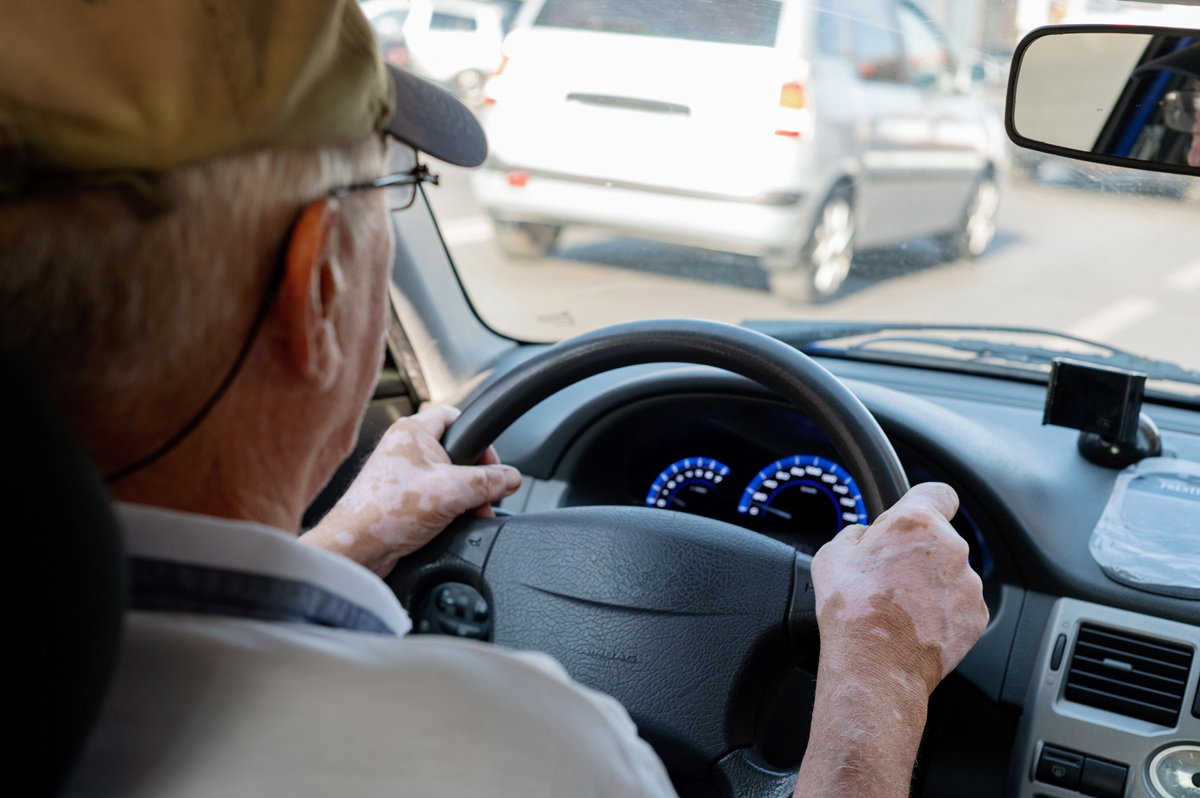
An older motorist driving in Spain, where licence renewals become more frequent after age 65.
Credit : Olga Apanasenko, Shutterstock
Many drivers in Spain have heard the same rumour. Turn 65 and the authorities start making it harder to stay behind the wheel. The reality is a little different. While Spain has introduced stricter renewal rules for older motorists, there is still no age limit for driving, meaning people can continue using their licence well into their seventies, eighties and beyond if they meet the required health standards.
The subject comes up regularly whenever the DGT updates guidance for older drivers.
Some people assume they will automatically lose their licence at a certain age. Others believe everyone over 70 has to stop driving altogether.
Neither is true.
What has changed is the frequency of licence renewals and the role played by medical assessments as drivers get older.
For millions of motorists across Spain, particularly those approaching retirement age, understanding the rules can help avoid unnecessary worries.
The biggest change starts at 65
For most drivers, renewing a licence is something that only happens every decade.
That changes once a person reaches 65.
Drivers holding standard car and motorcycle licences no longer benefit from the ten-year validity period that younger motorists receive. Instead, licences are generally renewed every five years.
The reasoning is fairly straightforward.
As people get older, certain health conditions become more common. Vision can deteriorate. Hearing may change. Reaction times can slow. Not everyone experiences these issues, but authorities want more regular checks to make sure drivers remain safe on the road.
The change does not mean a 65-year-old driver is considered unsafe. It simply means the next renewal arrives sooner than it would have done before.
Professional drivers face even shorter timeframes. Those driving buses, coaches or heavy goods vehicles generally need to renew their licences every three years once they reach the older age categories.
Why some drivers receive restrictions and others don’t
One of the biggest misunderstandings surrounding licence renewals is the idea that everyone receives the same outcome.
In reality, every driver is assessed individually.
During the renewal process, motorists must complete a medical and psychotechnical examination. These checks evaluate factors such as eyesight, hearing, coordination, reflexes and cognitive abilities.
Many drivers pass without any problems and receive a licence valid for the normal renewal period. Others may receive a shorter validity period if doctors believe more frequent reviews would be appropriate.
In some situations, specific restrictions may be added.
For example, a driver could be advised not to drive at night if eyesight has deteriorated significantly. Another might face limitations linked to a particular medical condition.
The important point is that these decisions are based on health and driving ability rather than age alone.
Two people of the same age can leave the assessment centre with completely different outcomes.
Can you still drive after 70, 80 or even 90?
The short answer is yes.
Spain does not impose a mandatory retirement age for drivers.
If someone continues to meet the medical requirements, they can legally keep driving regardless of age. This is particularly important in smaller towns and rural areas, where a car often remains essential for day-to-day life.
Many older motorists rely on driving to attend medical appointments, visit family members, go shopping or simply maintain their independence.
The DGT has repeatedly stressed that its objective is not to remove licences because of age.
Instead, the focus remains on ensuring that every person behind the wheel is physically and mentally capable of driving safely.
That approach reflects the reality that ageing affects people differently.
Some drivers may struggle in their sixties. Others remain perfectly capable of driving safely decades later.
One benefit remains for drivers over 70
Although older motorists must continue attending medical examinations when renewing their licence, there is one financial advantage.
Drivers aged over 70 remain exempt from paying the DGT renewal fee.
They still need to complete the required medical checks, but the administrative fee normally charged during the renewal process does not apply.
For many pensioners, that exemption helps reduce the cost of staying legally on the road. As Spain’s population continues to age, the debate around older drivers is unlikely to disappear.
For now, however, the message remains simple. Turning 65 does not mean losing your licence. It simply means authorities will want to check a little more often that you’re still fit to drive.
Q&A section
Could a driver over 65 be asked to renew their licence more often than every five years?
Yes. If a medical examination identifies a condition that requires closer monitoring, the licence may be issued for a shorter period. In some cases, renewals may be required after only one or two years.
What medical conditions are most likely to affect a licence renewal?
Conditions that can affect vision, reaction times, mobility or cognitive abilities may lead to additional checks. Each case is assessed individually and having a medical condition does not automatically mean losing a licence.
Can I continue driving if I wear glasses or use a hearing aid?
In many cases, yes. Many drivers renew their licences successfully while wearing corrective lenses or hearing aids, provided they meet the required standards during the medical examination.
What happens if I fail the medical assessment?
The outcome depends on the reason. Authorities may request additional medical reports, impose restrictions, shorten the validity period or, in some cases, refuse renewal until the issue has been addressed.
Are older drivers more likely to face restrictions rather than lose their licence completely?
Often, yes. Depending on the circumstances, restrictions such as daytime driving only or limits linked to specific health conditions may be considered instead of removing driving privileges altogether.
Do foreign residents in Spain follow the same age-related renewal rules?
Generally, yes. Once a foreign licence has been exchanged for a Spanish licence, the same renewal and medical assessment requirements apply.
Can family members report concerns about an elderly driver’s ability to drive safely?
Family members cannot directly revoke someone’s licence, but concerns can be raised with healthcare professionals or authorities if there is a genuine safety issue.
Is Spain stricter than other European countries when it comes to older drivers?
Not necessarily. Several European countries require more frequent licence renewals or medical checks as drivers age. Spain’s system focuses on regular health assessments rather than imposing a fixed age limit.











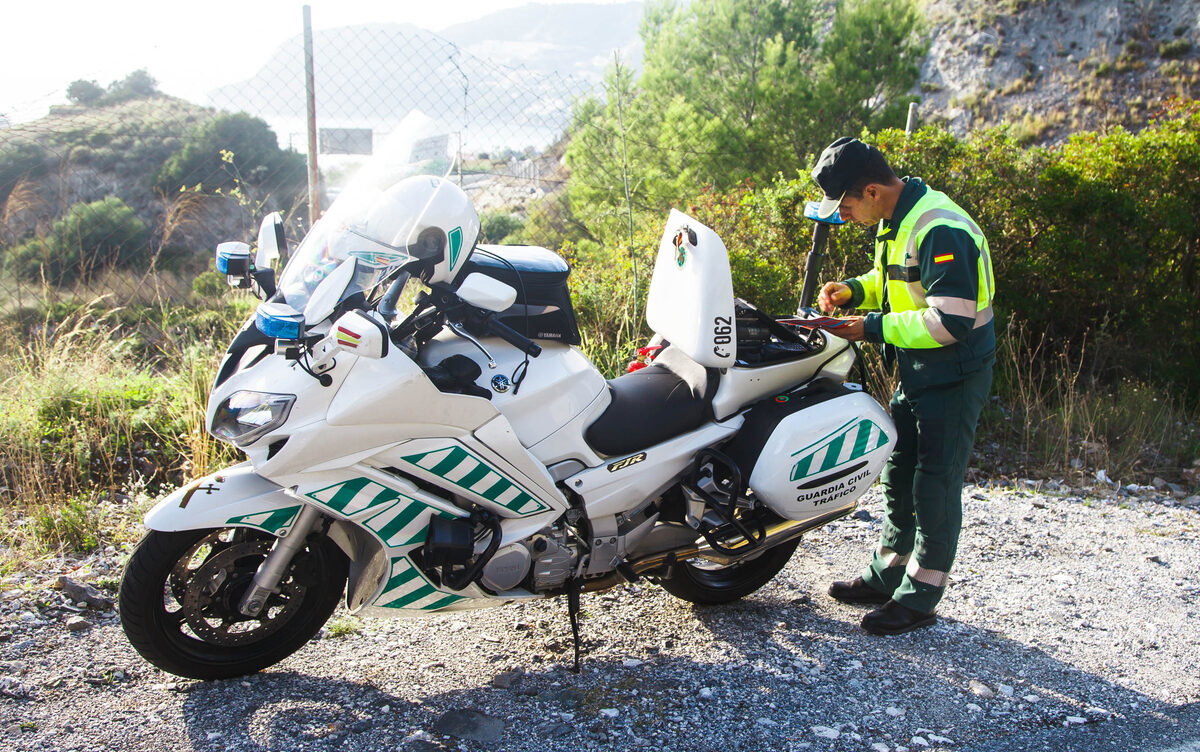
Expect to see more Guardia Civil on these roads.
Credit: Suzyanne16 – Shutterstock
Spain’s traffic authority plans stricter weekend checks on roads popular with motorcyclists. The campaign of patrols will run from June until October with the intention of reducing deaths and to make sure rules are strictly adhered to. The plan targets one of the most vulnerable groups on Spanish roads during peak leisure riding months.
Weekend patrols watching out for risky riding
The Guardia Civil traffic unit will be leading the effort, with officers focusing on speeding, dangerous overtaking, drink or drug driving and unfastened helmets or protective clothing. Checks will cover the most popular routes where riders gather for weekend trips. The campaign stresses prevention and responsible habits to lower crash rates.
Fatal crash data shows urgent need
Data has revealed that 58 of 104 motorcyclist deaths in the first five months of 2026 happened between Friday afternoon and Sunday midnight. This figure sits 13 higher than the same period in the previous year. May alone saw 31 deaths, up seven on 2025. Conventional roads claim most lives, with 77 fatalities there from January to May. Run-off-road crashes caused 46 deaths. Collisions from behind or head-on also rose. Men aged 45 to 64 are at most risk and account for 48 per cent of fatalities. Motorcycles with 501 to 1,000 cc engines link to the highest toll, with 41 deaths by the end of May.
Practical safety steps for motorcyclists
The main objective is not to rake in more money from fines, but to warn and give out clear guidance on better habits. The full protective kit matters the most. According to the DGT, helmets cut death risk by up to 42 per cent and head injuries by 69 per cent. Airbag systems ease injury severity in crashes. Proper motorcycle jackets with pads lower injury chances by 23 to 45 per cent depending on body area and reduce open wounds by up to 90 per cent in covered zones. Gloves halve hand injuries while boots cut foot and ankle harm by a third.
According to the DGT, last year rules for the A licence gained stronger practical focus and awareness of crash results. Voluntary safe riding courses already helped over 700 people improve their skills and, on occasion, regain two licence points.
Distractions rank high among crash causes. Speed demands respect for limits plus adjustment to conditions and road state. Safe gaps between vehicles grow vital at higher speeds or in poor visibility. Pre-ride checks on tyres, brakes, lights and fluid levels complete the advice for safe journeys and returns.
Not all riders so convinced
One rider posted about frequent checks: “Where I am, they do a lot of checks. The Guardia Civil appear on bikes, spot you and go after bikers first. The fines and points hurt,” complains Jorge Heili.
“The other day they stopped me for 30 minutes. All I could think about was getting back on the bike and going home again,” commented another
When, where and how
When and where do checks increase? Weekend patrols run June to October on busy roads to cut accidents and check compliance. Expect to see Guardia Civil cars and motorbikes patrolling mountain routes between small towns and villages.
Is there anything I can do to avoid these stops? Look the part. Dress correctly for a day out on the bike, with the helmet fastened and leathers on. Keep within the lanes and within the limits, and remember that the Guardia Civil are looking to pull someone over that day.
Spain holds the second-largest motorcycle fleet in the EU, topping six million units in 2025. Preventive driving and proper equipment stay central to lowering risks on these popular leisure routes. Safe riding.


Two dead after devastating Magaluf apartment fire as faulty fridge suspected
Residents urged to follow summer beach and wildfire safety rules
Spain drivers over 65 face new licence rules – Here’s what changes


-

 Uncategorized2 weeks ago
Montoya vs Brundle BEEF, Newey
-

 %2 weeks ago
Fake Hacienda Text Targets Taxpayers
-

 %2 weeks ago
Tourist Begs Police Not To Fine Her After Swimming In The Trevi Fountain During Heatwave
-

 Africa1 week ago
Europe Enters The ‘era Of Deportations’
-

 New Developments2 weeks ago
Luxury Villas For Sale, Estepona – ProjectL1
-

 Foreign demand2 weeks ago
German Demand For Spanish Property Cools After A Strong Run
-

 %2 weeks ago
Portugal Notifies Of Temporary Suspension Of EU Border Biometric Checks
-

 %2 weeks ago
The Rising Cost Of Finding Love