Antiforeign
Spain still looks more welcoming to second-home buyers than France (and Britain)
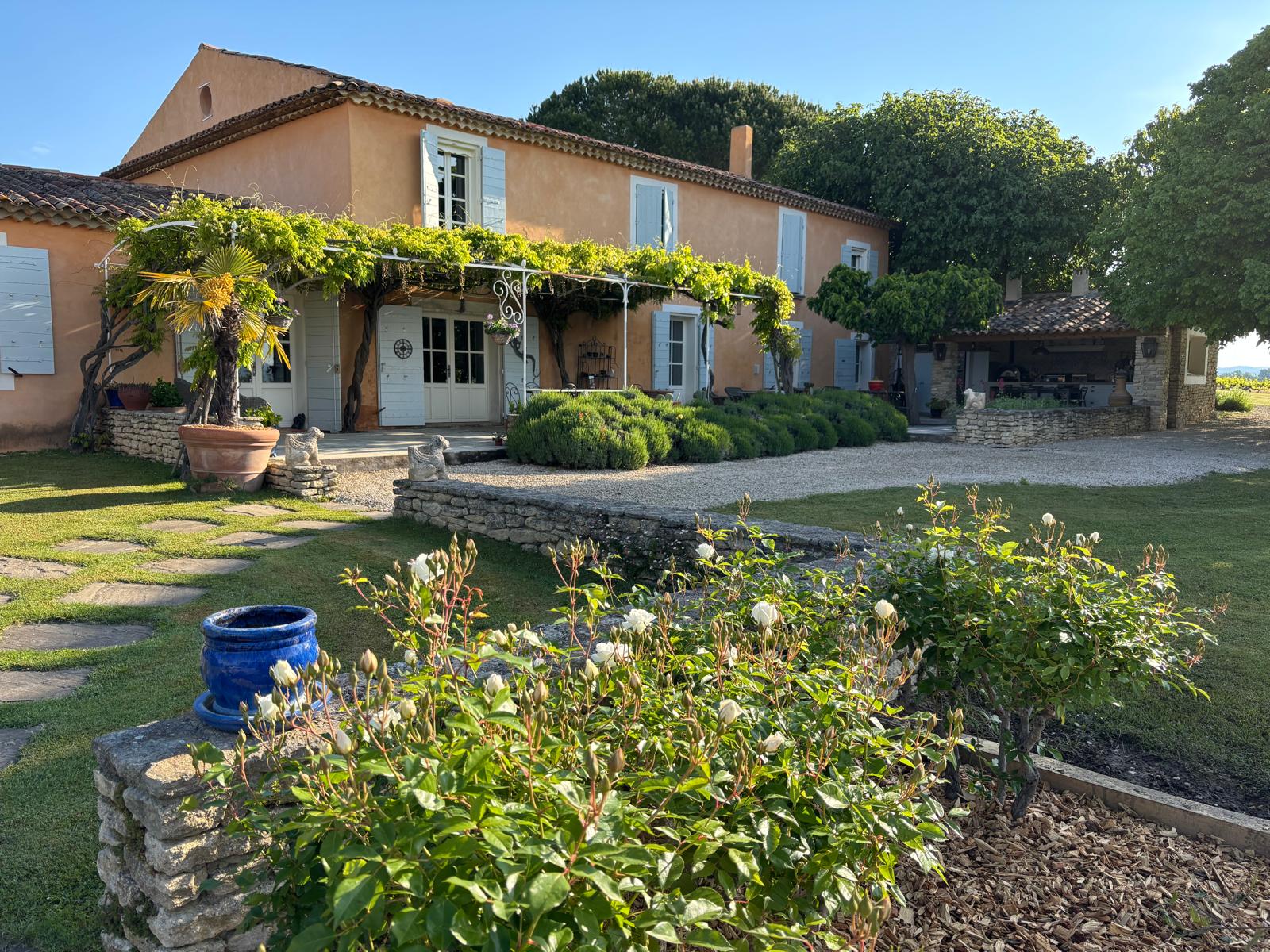
Spain has flirted with the politics of blaming outsiders and second-home buyers for the housing crisis, but so far it has mostly remained political theatre. In France and Britain, by contrast, second-home owners are being hit with higher taxes.
French paper Le Figaro recently ran an article reporting that second homes in France are being “attacked from all sides”, making the dream of buying a holiday home increasingly difficult. The point was not that nobody wants a second home any more. Quite the opposite. The dream survives. What has changed is the political and fiscal climate around it.
In France, many municipalities can now pile extra tax onto second homes, with surcharges of up to 60% in areas deemed to have housing pressure. In Britain, the mood is even less subtle. Councils in England can now double council tax on second homes, while Welsh councils can go much further, with premiums of up to 300% in some cases. The message to owners is clear enough: you may still buy a second home, but do not expect to be thanked for it.
Spain talks tough, then does very little
Spain has had its own burst of anti-foreign-buyer rhetoric. Pedro Sánchez announced a plan to impose a tax of up to 100% on purchases by non-EU, non-resident buyers, a measure that made headlines around the world and alarmed many British and American buyers. But the proposal has since stalled in Parliament and has not changed the rules on the ground.
The same pattern can be seen in the regions. In the Balearics and Canaries, there has been plenty of talk about restricting purchases by non-residents, especially in the islands where housing pressure is most politically sensitive. But talk is still the operative word. Proposals to restrict non-resident buyers in the Balearics have gone nowhere, while the Canary Islands’ ambitions would face serious legal and EU-level obstacles before becoming reality.
So, for now, Spain remains open for business. Foreign buyers still account for a sizeable share of the market, especially in coastal provinces and islands. Registry figures for 2025 put foreign buyers at roughly 14% of all Spanish property purchases, hardly a sign of a closed market.
Still welcome, but not guaranteed forever
This does not mean Spain is immune to anti-second-home politics. Housing affordability is a real problem, and foreign buyers make an easy target because they are visible, affluent, and mostly unable to vote. That makes them politically convenient, even when they are not the root cause of the problem.
But compared with France and Britain, Spain remains relatively welcoming to international second-home buyers. The rhetoric is there, but the punitive measures are not — at least not yet.
Buyers should not ignore the political mood, especially in high-pressure areas like the Balearics, Canaries, Málaga, Alicante and Barcelona. But nor should they assume Spain has turned hostile. For the time being, Spain still looks more hospitable than many rival jurisdictions. In today’s Europe, that is not nothing.