Spain gas prices
Spain’s gas bills are going up again – will you actually notice the difference this summer?


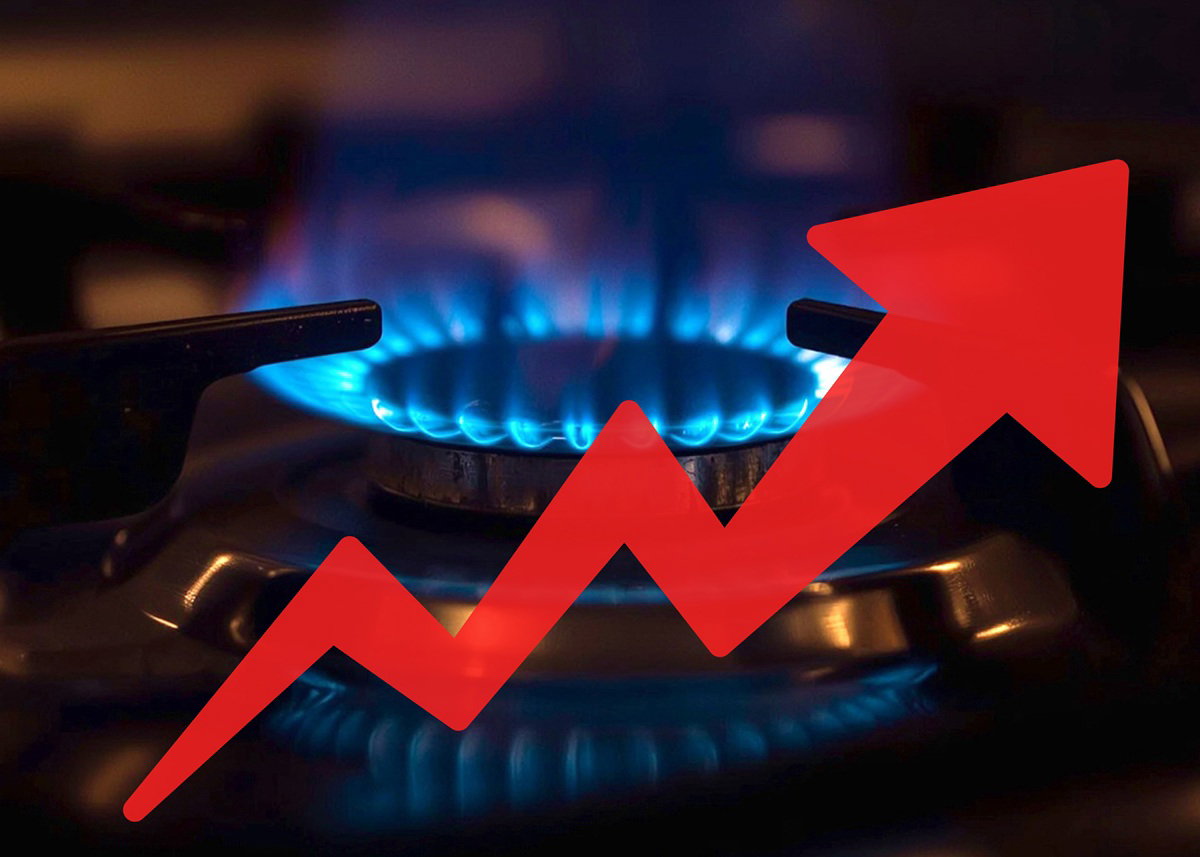
Spain’s regulated gas tariff has increased from July 1.
Credit : Stefan Balaz, Shutterstock
For many households across Spain, gas is probably the last thing on their minds in July. The heating has been off for weeks, windows are open and electricity bills tend to get more attention because of air conditioning.
That’s why today’s increase in Spain’s regulated gas tariff may come as a surprise.
Actually, from this Wednesday July 1, the price of the regulated Tarifa de Último Recurso (TUR) has risen by an average of 21.5 per cent before tax, meaning households on this tariff will pay more from now on. The increase comes after higher energy costs and the end of a temporary VAT reduction introduced earlier this year.
The timing may feel odd. Why are gas prices going up in the middle of summer, when most people are using much less of it?
Why your gas bill could still go up even if it’s 35C outside
Actually, the price isn’t linked to the weather. Spain’s regulated gas tariff is reviewed every three months, regardless of the season. That means prices can change in July just as easily as they can in January.
This latest review combines two things.
First, the cost used to calculate the regulated tariff has increased following a sharp rise in Brent crude oil prices during the period used for the calculation.
Second, a temporary VAT reduction has now come to an end. The reduced 10 per cent VAT introduced under emergency measures linked to the conflict involving Iran expired on 1 July, meaning the normal 21 per cent rate applies again.
Neither of those changes has anything to do with how much gas you’re using today. They’re simply the way the regulated tariff is calculated.
Who is most likely to feel the increase?
The answer depends on how you use gas at home.
If you only use it for hot water and cooking, you’ll probably notice a smaller impact over the next few months simply because your consumption is relatively low during summer.
If your home also uses gas for heating, you probably won’t feel the full effect immediately either, because your boiler is working far less than it will in winter.
In other words, don’t expect your July bill to suddenly double overnight.
Where this increase becomes more important is later in the year. Unless prices fall again before colder weather arrives, households that rely on gas heating could be paying noticeably more once boilers start running every day again.
Should you do anything now?
For many people, probably not.
If you’re already on the regulated TUR tariff, the increase happens automatically. There is nothing you need to activate or renew.
What is worth doing, however, is checking which tariff you’re actually on. Plenty of people assume they’re paying the regulated price when they’re actually on a commercial contract with an energy supplier.
If your latest bill says TUR, the new prices apply from today.
The government says the average increase for individual regulated tariffs ranges from 19.2 per cent for TUR1 customers to 22 per cent for TUR3, depending on annual gas consumption. Community heating tariffs are also rising, with increases ranging from 14.1 per cent to 22.2 per cent.
That sounds like a big jump, but it’s worth keeping it in context. July is one of the quietest months of the year for gas use in Spain, so many households won’t immediately see a dramatic difference in what they pay.
The bigger question is what happens over the next few months.
The regulated tariff is reviewed again in October, so prices could move in either direction depending on wholesale energy costs and any future government measures.
For now, though, anyone using Spain’s regulated gas tariff should expect one thing: the next bill is unlikely to be cheaper than the last one.