Adamuz
Spain’s Transportation Minister Steps Down Over Train Crash To Try To Save The Socialist Campaign Ahead Of Elections

Óscar Puente finally decided to resign and leave frontline politics to try to save the Spanish Socialist Party (PSOE)’s election campaign, which was badly damaged after the second fatal high-speed rail accident in nine months. This is the interpretation most widely held within the government and the PSOE. Puente himself pointed to that idea: “No one is bigger than their organization. My ego has never been greater than my party.”
Spain is holding a snap general election on November 29. Prime Minister Pedro Sánchez, who is running for re-election, brought the date forward following a wave of social protest over the affordability of housing, itself sparked by the eviction of an elderly woman from her home.
But the train crash in Toledo province, which killed 69 people and came just nine months after a similar accident on the same high-speed line, has eroded support for the leftist government. The pre-campaign, which had been going well for the Socialists until Wednesday of last week, has taken a radical turn in which the mainstream conservative People’s Party (PP) and the far-right Vox increasingly seem convinced they have a landslide victory within reach.

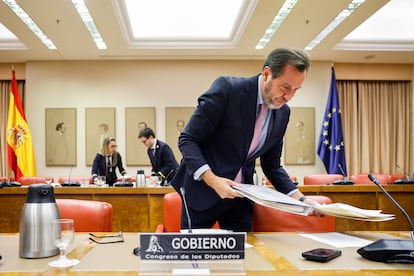
Those who had sought the resignation of Puente, who was in charge of the transportation portfolio during both accidents immediately welcomed the decision. “It cannot be that nothing happens after two fatal accidents in nine months,” said one minister.
Puente ultimately resigned after presenting a package of measures to improve transportation safety and enduring a gruelling parliamentary hearing. The railroad industry is denouncing a lack of investment and staff. The railway system, once a source of pride and a symbol of modernization thanks to its commitment to high-speed rail, faces an undeniable problem of wear and tear. Earlier this year Puente acknowledged a €30 billion ($35 billion) investment shortfall in rail and the need to renew up to 500 trains in the coming years.
Those who thought Puente should stay praised his decision to step down but were simultaneously concerned that this could now direct all the public anger at Sánchez, who reportedly learned of Puente’s resignation only minutes beforehand and had no chance to stop it. However, the prevailing feeling in the government is that this step could re-energize the campaign and revive a political left that has been very dispirited in recent days.
“Puente has stood up, provided solutions and then stepped aside. Out of dignity. Out of respect for the victims and for the progressive project. That shows not all politicians and not all parties are the same,” said the prime minister shortly after, endorsing the idea that Puente had tried to save the PSOE’s campaign ahead of November 29.
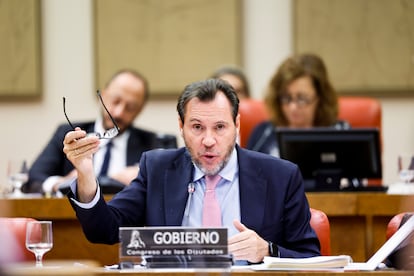
Demands for Puente’s resignation had been loud among the political right. As he did so, Puente also noted that nobody resigned when the PP was in government during some of Spain’s worst tragedies, including the train crash in Galicia in 2013 and the flash flooding in Valencia.
Asked why he didn’t resign on day one, Puente argued he wanted to do it after investigating the accident, finding where the problems were, proposing solutions and finally giving explanations before Congress.
Sign up for our weekly newsletter to get more English-language news coverage from EL PAÍS USA Edition