2026 wildfires
Spain’s wildfire toll revealed as almost 300,000 hectares go up in flames


Among the tragedies was the fire at Los Gallardos in Almería. Photo credit: ataurrahmanstudio/Shutterstock
As the danger from wildfires begins to wane in Spain, I think it’s safe to say that, looking back, this has been a particularly horrid year for fires. From the devastating blazes that tore through huge areas of the country during the summer to the tragic loss of life, the scale of what has happened is only becoming clearer as the figures come in. Spain has now recorded 296,815 hectares of land burned between January 1 and September 16, according to the European Forest Fire Information System (EFFIS), part of the EU’s Copernicus programme.
That means Spain accounts for 44.4 per cent of all the land burned by wildfires across the European Union this year. For people living in Spain, the number is difficult to picture. Nearly 300,000 hectares is an area so vast that it goes well beyond individual fires or isolated rural communities. It represents forests, scrubland, farmland and countryside that have been transformed by flames in a single year.
Almost half of the EU total
Spain is not actually the country that has recorded the most individual fires. Italy has had 605, compared with Spain’s 446, while France has recorded 364. What sets Spain apart is the sheer amount of land those fires have destroyed. Across the EU, 668,035 hectares had burned by September 16. Spain’s 296,815 hectares therefore account for almost half of the European total.The figures also show just how concentrated some of this year’s destruction has been.
The worst period came during July, when huge fires swept through several parts of Spain. By July 5, the country had already recorded 50,750 hectares burned, more than twice the area recorded by the same date in 2025. Among the tragedies was the fire at Los Gallardos in Almería, which claimed 15 lives in total. Later that month, fires affecting Madrid, Ávila and Toledo burned more than 77,000 hectares between them.
A terrible year, but not worse than 2025
There is an important comparison to make when looking at this year’s numbers. Spain has actually burned less land so far in 2026 than it had at the same point last year. On September 2, Copernicus recorded 295,720 hectares burned in Spain, compared with 380,877 hectares on the same date in 2025. That difference continued to show in the latest figures. Only 973 hectares were added to Spain’s total between September 2 and September 16, with 313 of those hectares recorded since September 9.
But that does little to make this year’s figure look reassuring, the 296,815 hectares already burned are more than three times Spain’s 2006-2025 annual average of 87,212.8 hectares. And 2025 itself ended with 393,079 hectares burned, making it the worst year for burned land in Spain since 1994. So while 2026 is currently below last year’s extraordinary total, it has still been an exceptionally destructive fire season.
The damage will last far longer than the fires
For residents in areas affected by the blazes, the end of the immediate danger does not mean everything simply goes back to normal. People who were evacuated have had to return to homes surrounded by burned countryside. Rural businesses have faced disruption, while farmers have lost land, crops, grazing areas and, in some cases, livestock. Roads and access routes can also be affected by fires, while landscapes that residents and visitors know well can be changed almost overnight. There is also the longer process of dealing with the land left behind.
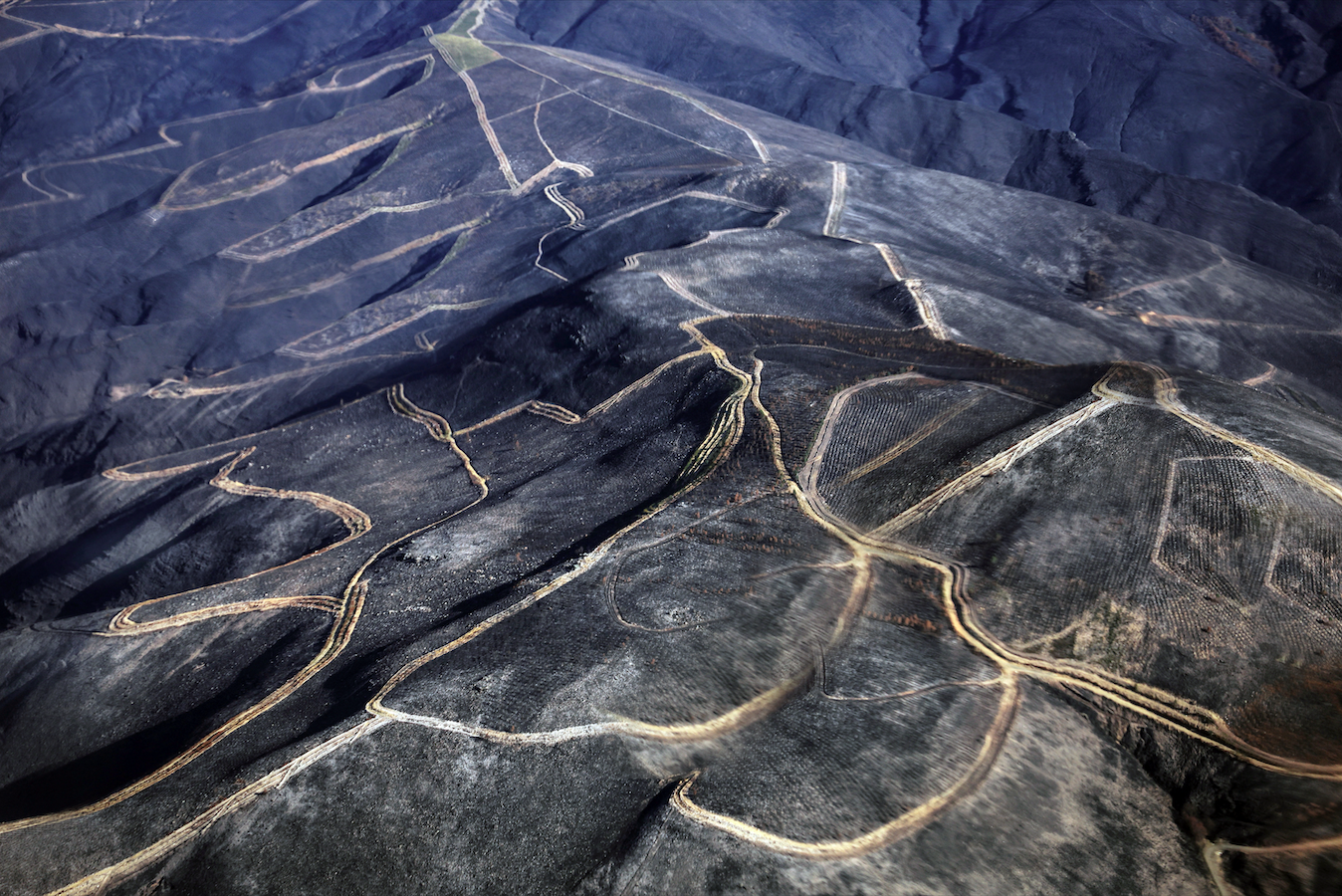
A blackened hillside may look empty immediately after a fire, but what happens next depends on the severity of the blaze, the vegetation that was there before and the weather that follows. Heavy rain can create another problem on burned slopes, where vegetation that would normally help hold the soil in place has disappeared. That makes the aftermath particularly important for rural parts of Spain, where residents can spend months or years living alongside the consequences of a major fire.
Spain still has fires to watch
The latest Copernicus figures show that the pace of new land being burned has slowed considerably, but the wildfire season is not something that can simply be written off as soon as the worst summer temperatures pass. There were still fires being dealt with in Spain this week. In Valencia, the Tuéjar fire was stabilised after burning around 835 hectares, while authorities were investigating its origin.
In Huelva, the Alcolea de Alosno fire was brought under control on September 16, with firefighters and other emergency personnel remaining in the area to deal with the aftermath. For now, though, the headline figure remains 296,815 hectares. Spain has suffered fewer fires than Italy this year, and less burned land than it had at the same point in 2025. Even so, almost three hundred thousand hectares have already gone up in flames, accounting for 44.4 per cent of all the land burned across the EU.