
Holiday rentals
Supreme Court Torpedoes Spain’s Short-Let Rental Registry



Spain’s attempt to impose a national registry on short-term rentals has been struck down by the Supreme Court, reopening the door for thousands of tourist and seasonal lets that had been blocked under the system.
The ruling is a setback for the Housing Ministry, a relief for many owners, and another reminder that in Spain’s property market, the regulatory pendulum rarely stops swinging for long.
A return to the pre-registry system
Spain’s Supreme Court has annulled the national short-term rental registry (commonly known as the Número de Registro de Alquiler, or NRA for short) introduced by the central government for tourist and seasonal rentals advertised on digital platforms such as Airbnb and Booking.
The register, which came into force in July 2025, required all short-stay rental properties to obtain a registration code before they could be legally advertised online. Platforms were also required to check that landlords had supplied the correct registration number and report failures.
The court has now ruled that the State lacked the authority to create the registry as designed, because it overlapped with regional tourist-rental registers and invaded the powers of Spain’s autonomous regions in matters of tourism regulation.
In other words, Madrid tried to sit on top of a regulatory structure already controlled by the regions. The Supreme Court has told it to get off.
Digital reporting survives
The ruling does not dismantle the whole system. The court has upheld the Digital Single Window and data-sharing mechanisms required under European rules, including obligations on platforms to transmit information.
So the State may still coordinate data flows and platform reporting, but it cannot run a parallel national authorisation system for short-term rentals when those powers belong to the regions.
What happens to rejected homes?
The immediate impact could be significant. Around 111,000 homes reportedly had registration applications rejected, in many cases because of issues linked to community of owners’ statutes.
With the national register annulled, sector associations argue that these properties may once again be advertised on short-let platforms, provided they have the relevant regional tourist rental licence.
That does not mean a free-for-all. Owners still need to comply with regional and local rules, which vary widely across Spain and remain the main battleground for tourist rental regulation.
Compensation claims may follow
FEVITUR, the national association representing short-stay rental interests, says affected owners have suffered an average cost of around €33,000 each, including lost bookings, blocked activity and additional expenses.
The association is now considering compensation claims against the State that could reportedly reach €160 million in total.
The Housing Ministry, for its part, has urged regional governments to strengthen controls on tourist rentals. Housing Minister Isabel Rodríguez said: “Since they have been so brave about saying it has to be them, let’s see if they do it, because the rights of many people are at stake.”
That sounds less like graceful acceptance and more like a political hospital pass.
What it means for owners
For owners of tourist or seasonal rental properties, the key point is that regional rules are once again the main reference. Anyone affected by a rejected national registration should check the position of their property under the rules of the relevant autonomous region before assuming they can relist.
The bigger picture is familiar: Spain wants to control short-term rentals, but the legal architecture is fragmented between European rules, State coordination, regional tourism powers, municipal restrictions and community statutes.
The Supreme Court has not ended the debate over tourist rentals. It has merely moved the battlefield back to the regions, where it arguably belonged all along.
What about the reporting obligations?
Less clear is what happens to the annual reporting obligations that came with the Unique Rental Registration Number, or NRUA. From January 2026, owners with a registered short-term rental number were expected to file an annual information return through the Registrars’ N2 system, covering all short-let activity during the previous calendar year — or even declaring no activity where relevant. Failure to file could lead to revocation of the NRUA and, in theory, make it impossible to advertise the property on digital platforms.
Now the NRUA itself has been torpedoed, the logic of that reporting obligation looks wobbly, to put it politely. The Supreme Court has upheld the Digital Single Window and platform data-sharing obligations, so some form of information flow will survive. But if the State cannot impose the national registration procedure, it is not obvious how it can continue enforcing an annual declaration tied to a registration number that may no longer have legal standing. As usual with Spanish housing regulation, owners are left waiting for clarification after the rules have already been launched, interpreted, challenged, half-annulled, and generally dropped into the market like a grand piano from a third-floor balcony. For now, anyone affected should assume that regional licensing rules still matter, platform reporting will not disappear, and the fate of NRUA-linked owner declarations remains one more legal loose end in Spain’s short-let circus.














Spain’s attempt to impose a national registry on short-term rentals has been struck down by the Supreme Court, reopening the door for thousands of tourist and seasonal lets that had been blocked under the system.
The ruling is a setback for the Housing Ministry, a relief for many owners, and another reminder that in Spain’s property market, the regulatory pendulum rarely stops swinging for long.
A return to the pre-registry system
Spain’s Supreme Court has annulled the national short-term rental registry (commonly known as the Número de Registro de Alquiler, or NRA for short) introduced by the central government for tourist and seasonal rentals advertised on digital platforms such as Airbnb and Booking.
The register, which came into force in July 2025, required all short-stay rental properties to obtain a registration code before they could be legally advertised online. Platforms were also required to check that landlords had supplied the correct registration number and report failures.
The court has now ruled that the State lacked the authority to create the registry as designed, because it overlapped with regional tourist-rental registers and invaded the powers of Spain’s autonomous regions in matters of tourism regulation.
In other words, Madrid tried to sit on top of a regulatory structure already controlled by the regions. The Supreme Court has told it to get off.
Digital reporting survives
The ruling does not dismantle the whole system. The court has upheld the Digital Single Window and data-sharing mechanisms required under European rules, including obligations on platforms to transmit information.
So the State may still coordinate data flows and platform reporting, but it cannot run a parallel national authorisation system for short-term rentals when those powers belong to the regions.
What happens to rejected homes?
The immediate impact could be significant. Around 111,000 homes reportedly had registration applications rejected, in many cases because of issues linked to community of owners’ statutes.
With the national register annulled, sector associations argue that these properties may once again be advertised on short-let platforms, provided they have the relevant regional tourist rental licence.
That does not mean a free-for-all. Owners still need to comply with regional and local rules, which vary widely across Spain and remain the main battleground for tourist rental regulation.
Compensation claims may follow
FEVITUR, the national association representing short-stay rental interests, says affected owners have suffered an average cost of around €33,000 each, including lost bookings, blocked activity and additional expenses.
The association is now considering compensation claims against the State that could reportedly reach €160 million in total.
The Housing Ministry, for its part, has urged regional governments to strengthen controls on tourist rentals. Housing Minister Isabel Rodríguez said: “Since they have been so brave about saying it has to be them, let’s see if they do it, because the rights of many people are at stake.”
That sounds less like graceful acceptance and more like a political hospital pass.
What it means for owners
For owners of tourist or seasonal rental properties, the key point is that regional rules are once again the main reference. Anyone affected by a rejected national registration should check the position of their property under the rules of the relevant autonomous region before assuming they can relist.
The bigger picture is familiar: Spain wants to control short-term rentals, but the legal architecture is fragmented between European rules, State coordination, regional tourism powers, municipal restrictions and community statutes.
The Supreme Court has not ended the debate over tourist rentals. It has merely moved the battlefield back to the regions, where it arguably belonged all along.
What about the reporting obligations?
Less clear is what happens to the annual reporting obligations that came with the Unique Rental Registration Number, or NRUA. From January 2026, owners with a registered short-term rental number were expected to file an annual information return through the Registrars’ N2 system, covering all short-let activity during the previous calendar year — or even declaring no activity where relevant. Failure to file could lead to revocation of the NRUA and, in theory, make it impossible to advertise the property on digital platforms.
Now the NRUA itself has been torpedoed, the logic of that reporting obligation looks wobbly, to put it politely. The Supreme Court has upheld the Digital Single Window and platform data-sharing obligations, so some form of information flow will survive. But if the State cannot impose the national registration procedure, it is not obvious how it can continue enforcing an annual declaration tied to a registration number that may no longer have legal standing. As usual with Spanish housing regulation, owners are left waiting for clarification after the rules have already been launched, interpreted, challenged, half-annulled, and generally dropped into the market like a grand piano from a third-floor balcony. For now, anyone affected should assume that regional licensing rules still matter, platform reporting will not disappear, and the fate of NRUA-linked owner declarations remains one more legal loose end in Spain’s short-let circus.


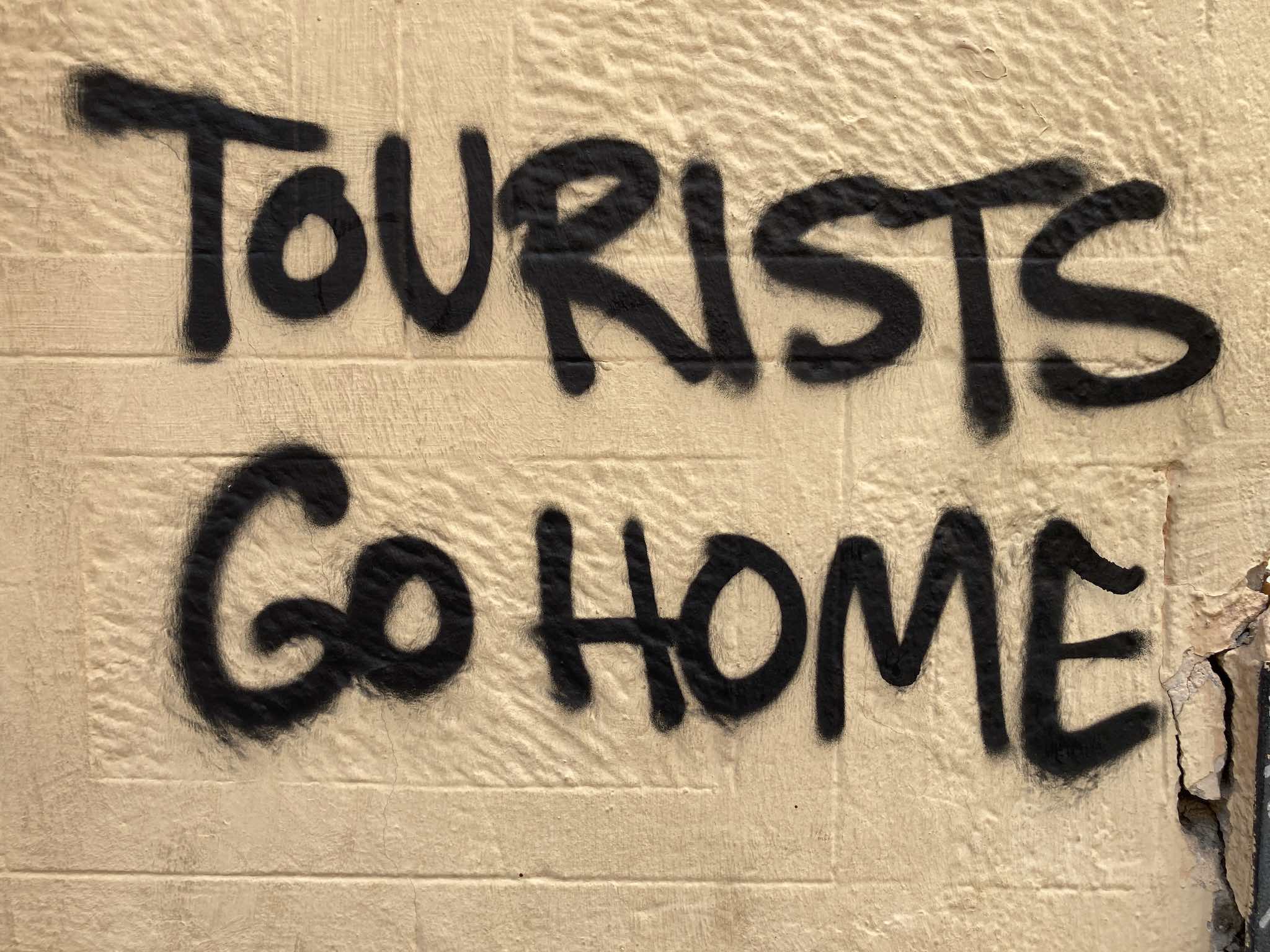
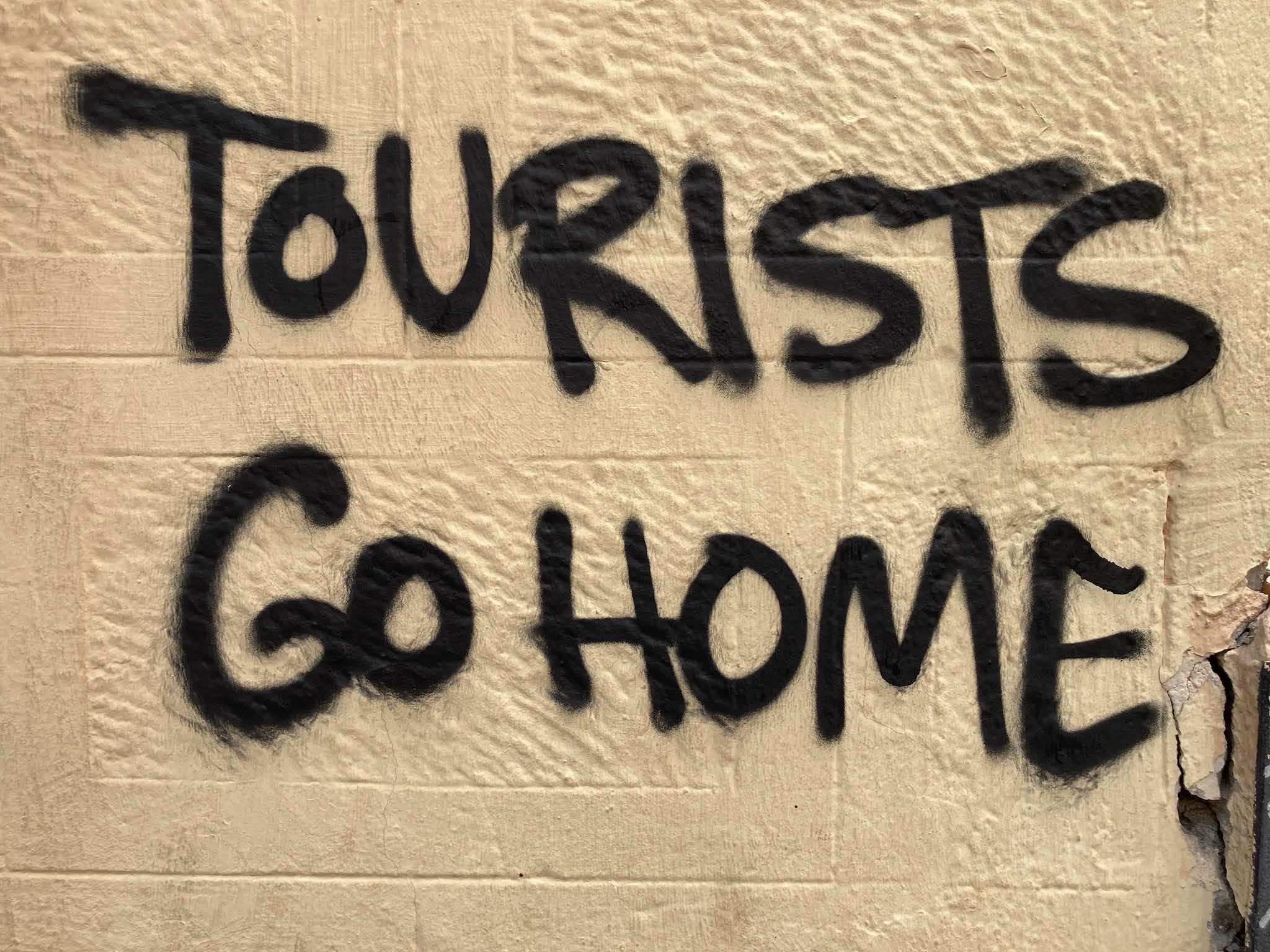
Spain has cracked down on tourist rentals—but the expected boom in long-term rental supply hasn’t materialised. In fact, the opposite seems to be happening.
Spain’s housing debate has long fixated on short-term tourist rentals as a key culprit behind rising rents and limited supply. So in 2025, authorities moved to revoke thousands of tourist rental licences across the country. The logic was simple: fewer holiday lets should mean more homes returning to the long-term rental market.
The reality has been very different.
According to new data from property portal Idealista, the supply of long-term rental housing actually fell by 26,000 properties in 2025, despite the mass removal of tourist rental licences. That’s not just disappointing—it’s a direct contradiction of the policy’s intended outcome.
A policy that didn’t deliver
Take the Comunidad Valenciana, one of Spain’s most important tourist regions. More than 14,000 tourist rental licences were revoked, yet the number of long-term rentals increased by just over 1,100—barely 8% of the expected conversion.
In Catalonia, the picture is even more striking. The region lost over 15,000 long-term rental homes, despite nearly 13,000 tourist licences being withdrawn. Similar patterns emerged in Andalusia, Madrid, and the Balearic Islands, all of which saw declines in long-term rental supply even as tourist lets were curtailed.
Only a handful of regions—such as Extremadura and La Rioja—saw modest increases in long-term rentals, but these are small markets with limited impact on the national picture.
So where did the homes go?
That’s the key question—and the data points to an obvious answer: they didn’t flow into the long-term rental market.
Instead, many appear to have shifted into the short-term seasonal rental segment, which sits in a regulatory grey area. These rentals—often aimed at medium-term stays—face fewer restrictions than tourist lets and can still generate attractive returns.
Listings data from Idealista shows that the supply of seasonal rentals surged by 58,000 properties in 2025. Regions like Andalusia, Madrid, and Catalonia led the growth, suggesting a clear migration from one rental model to another.
Other properties may have been withdrawn from the market altogether, left empty, or put up for sale.
What this means for the housing debate
The takeaway is uncomfortable for policymakers: targeting tourist rentals alone doesn’t solve the housing shortage.
Housing supply is shaped by incentives. If landlords face increasing regulation, uncertainty, or lower returns in the long-term rental market, they will look for alternatives—whether that’s seasonal lets, sales, or simply sitting on the asset.
This episode is a reminder that housing policy needs to address the underlying economics, not just the most visible symptoms. Otherwise, supply doesn’t reappear where it’s needed—it simply moves elsewhere.

F1 Sprint Results Today: 2026 Canadian Grand Prix times and positions

S
La Cala de Mijas Lions Summer fair and fashion show


-

 Competiciones3 weeks ago
E
-
blackout April 20252 weeks ago
Insurance company Mapfre decides to pay out €14 million compensation for 2025 blackout
-
Costa del Sol4 weeks ago
Why home care is the new gold standard for living well in Spain
-
 Foreign demand2 weeks ago
Who Bought Where In The Second Half Of 2025?
-

 America3 weeks ago
E
-
Animal protection law4 weeks ago
Spain moves to redefine legal pets as draft law raises wider welfare concerns
-

 New Developments3 weeks ago
Luxury Villas For Sale, Estepona – ProjectL1
-
biggest ever cocaine bust3 weeks ago
Spain’s biggest-ever cocaine bust – massive Atlantic seizure stuns authorities