
Almeria
The journey home: 27 loggerhead turtles return to the sea in Mojácar

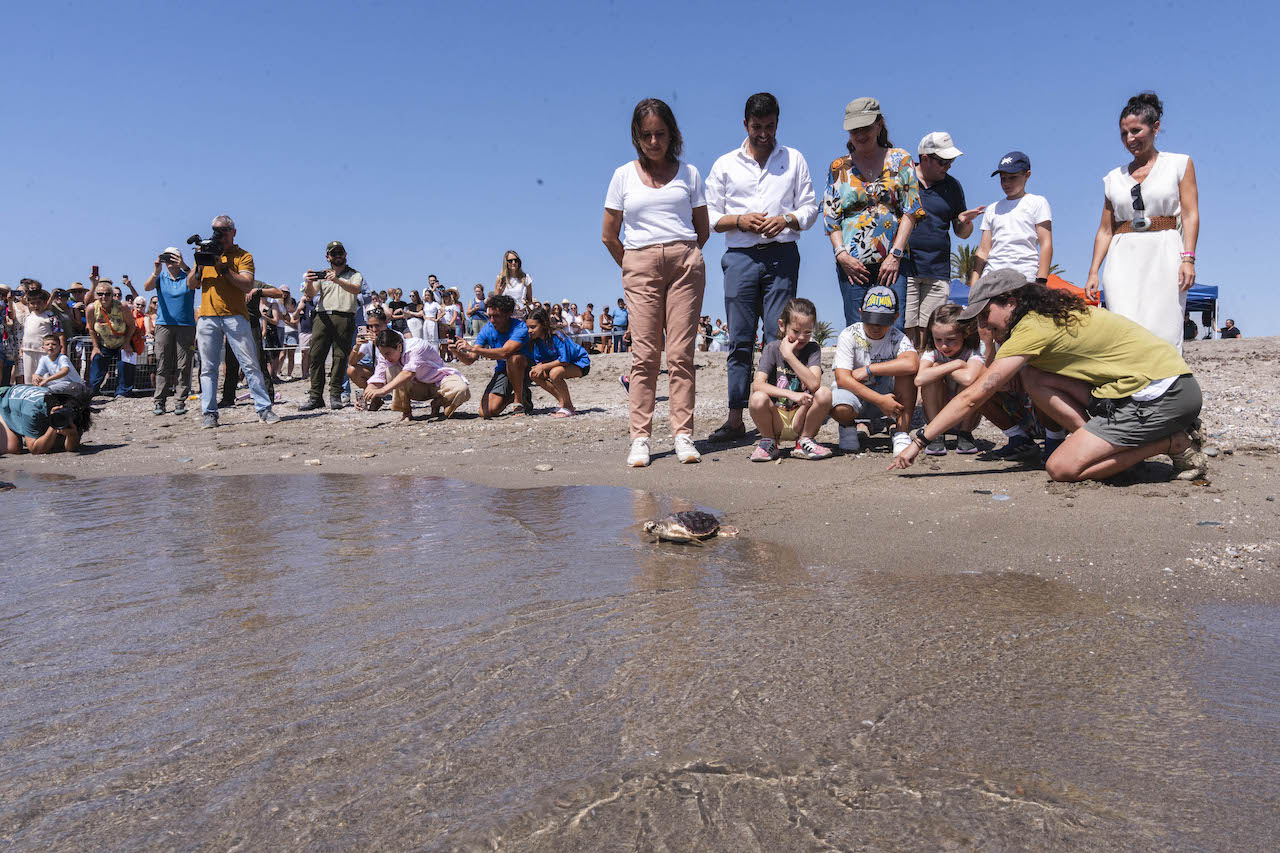
A rare and heart-warming event took place on Mojácar’s Rio Abajo Beach this Monday, June 15, when 27 loggerhead turtle hatchlings made the journey across the sand dunes towards the ocean, returning home for the first time.
The hatchlings were first found on Piedra Villazar beach in June 2025 as part of a nest of 99. Due to a high risk of flooding, the nest was moved and monitored until eventually the hatchlings emerged in August.
A year of intensive care and monitoring
For their first few months of life, the hatchlings were constantly monitored ensuring they were healthy and developing correctly. The young turtles were transferred to the Andalusian Marine Environment Management Centre (CEGMA), where specialists carried out weekly weight checks, veterinary examinations and monthly growth assessments.
Experts from the Roquetas de Mar Aquarium and Selwo Marina were involved in their care, proving conservation is a collaborative effort. Some turtles were even temporarily housed at these facilities to ensure their healthy development.
Although the project achieved significant success, it was not without challenges. Four hatchlings died shortly after emerging, and a further 25 were lost following an infectious outbreak in January 2026. Rapid veterinary intervention and strict health measures helped contain the outbreak and protect the remaining turtles.
Successful release marks conservation milestone for Almería
Once the hatchlings reached 1.2 kilos, they were deemed fit to return to the sea. Monday’s release is only the fifth nesting event to take place along the Almeria coast in the last 25 years, following previous nesting events recorded in Vera, Pulpí and Mojácar itself.
The release attracted a large crowd, including local schoolchildren, conservation groups, environmental officials and residents, all eager to witness this important moment. The event highlighted the growing success of marine conservation efforts in Andalucía and the importance of public awareness in protecting vulnerable species.
Loggerhead turtles return home to the ocean
Loggerhead turtles (Caretta caretta) are known for their remarkable migrations, travelling thousands of kilometres during their lifetime before returning to nesting beaches as adults.
When they next return, these hatchlings will be fully grown and likely come ashore to lay their own eggs, continuing the cycle of life. For those gathered on Rio Abajo Beach, the sight of 27 young turtles disappearing into the waves was a powerful reminder that coordinated conservation efforts can make a real difference for one of the Mediterranean’s most threatened marine species.


Euro Weekly News delivers the latest news and events for Mojacar, Albox, Antas, Arboleas and Huercal Overa all in one place in English.
Sign up for personalised news
Subscribe to our Euro Weekly News alerts to get the latest stories into your inbox!
By signing up, you will create a Euro Weekly News account if you don’t already have one. Review our Privacy Policy for more information about our privacy practices.
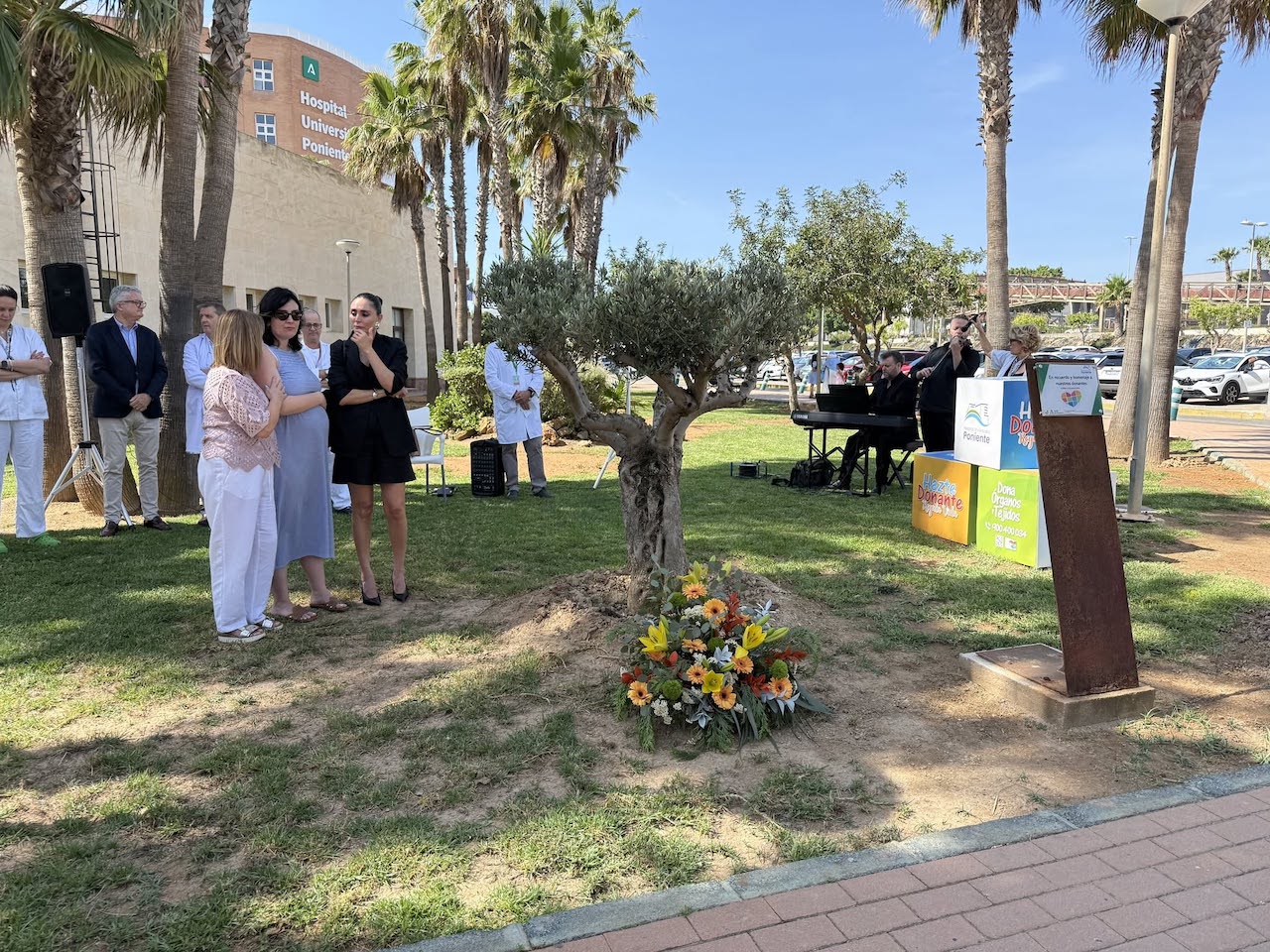
In honour of National Donor Day, the Poniente University Hospital in El Ejido recently paid a touching tribute to organ donors whose sacrifice and generosity has helped save countless lives.
Donor’s loved ones were in attendance for the occasion. Some even spoke with professionals during a lecture, sharing their experiences of organ donation. Following the talk, donor families and doctors gathered in the hospital gardens by the centuries old-olive tree to lay a floral tribute in memory of the hospital donors. It was at once a sombre and celebratory day.
Organ donation ceremony in El Ejido
The annual event has become an important occasion for recognising the compassion shown by donor families across the Poniente region. Hospital staff, transplant coordinators and local health representatives joined relatives in remembering those whose final act helped save or improve the lives of others.
Poniente University Hospital’s Managing Direcor, Pedro Acosta, shared a few words, saying “without donors and their families, it would be impossible to obtain the organ and tissue donations that allow us to save lives or significantly improve the quality of life of other patients each year, and that is why we want to take this opportunity to express our deepest gratitude and admiration.”
The hospital’s transplant coordination team also highlighted the importance of speaking openly about organ donation with relatives, so families understand and can respect a loved one’s wishes in the future.
Organ donation figures at Poniente University Hospital
For many, donating an organ is their last act of kindness before departing the world. In 2025, 30 donors were registered at the Poniente University Hospital. Their sacrifice made possible one heart transplant, two lung transplants, four liver transplants, and 14 kidney transplants. 43 units of osteotendinous tissue was also harvested, which is estimated to have helped 215 people in trauma surgeries.
The hospital has steadily expanded its donation programme since joining the Andalusian organ donation network in 2018. Since then, more than 120 effective donations have been recorded, leading to dozens of life-saving organ transplants and hundreds of tissue donations benefiting patients across Spain. Hospital officials say the programme would not be possible without the support and courage shown by grieving families during some of the most difficult moments of their lives.
The lasting legacy of organ donors
In the first months of 2026 alone, the hospital had already registered 14 further donors, helping multiple transplant recipients nationwide. Medical staff say these figures demonstrate the continued generosity of families throughout the region and the growing awareness of the importance of organ donation.
The olive tree planted in the hospital gardens now stands as a lasting symbol of life, remembrance and hope for the many families whose loved ones gave others a second chance.
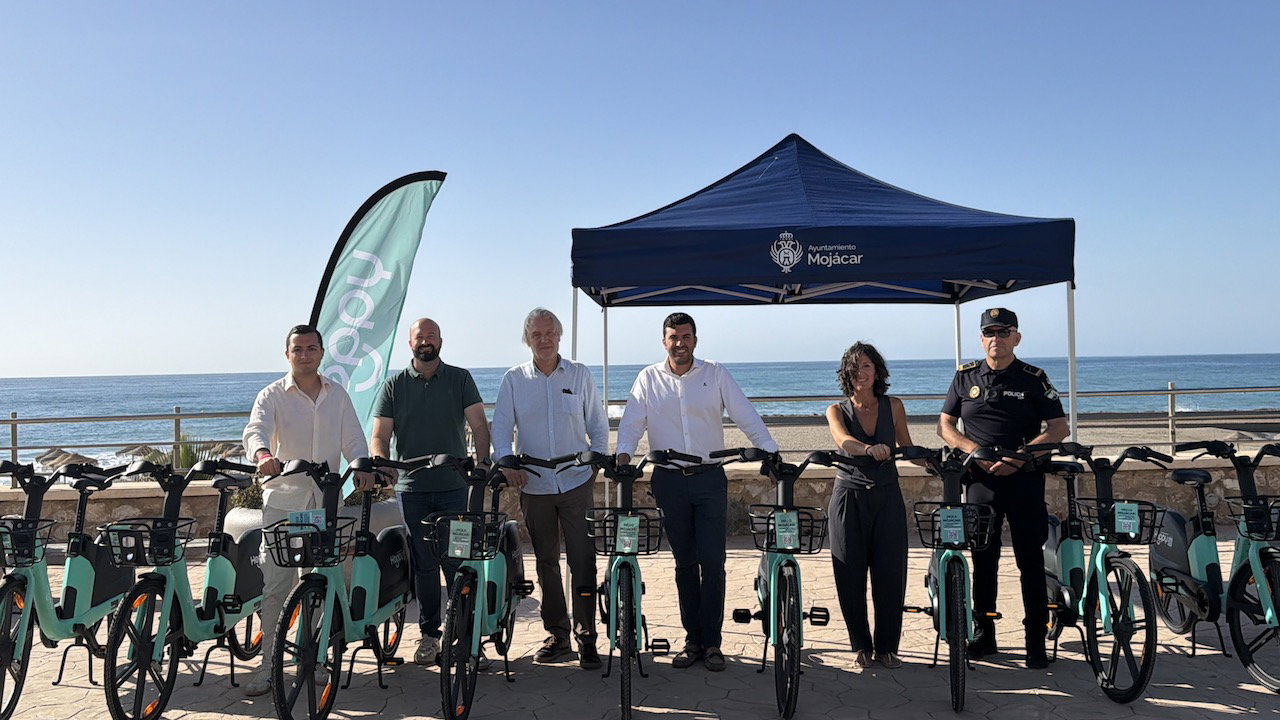
Take a Hoppy electric bike for a spin around Mojácar
Credit: Ayuntamiento de Mojácar
There’s nothing worse than getting in a hot, stuffy car in the middle of summer, but when the only alternative is walking, what else is there to do? Thankfully, as of Monday, June 8, visitors and locals in Mojácar now have an alternative method of transportation at their disposal, following the launch of the Hoppy electric bike rental service.
Developed in collaboration with the Mojácar Town Hall, Hoppy electric bikes will be available to rent along the promenade. 120 bikes will be available to start with, but the fleet will eventually increase to 200 over the coming months as the rollout continues across the municipality. Stationed at select points of the beachfront, the bikes are easy to spot by their bright turquoise colour.
How the Hoppy electric bike service works in Mojácar
To get started, users download the Hoppy app, available on Apple and Android devices, and scan the QR code located on the bike’s handlebar. From there, cyclists can take the bike wherever they need it to go.
At the end of the trip, riders must return the bike to an authorised Hoppy zone. They are then required to take a picture to verify it is correctly parked up, before then ending the journey through the app and paying.
The service is operated 24 hours a day, seven days a week and is available to anyone over the age of 18
Smart technology designed to improve safety and organisation
One of the key features of the new Hoppy system is its use of geofencing technology. This digital system allows the company to create virtual boundaries around different areas of Mojácar in order to improve safety, reduce clutter and encourage responsible use of public spaces.
Trips can only be ended in designated parking areas, helping to prevent bikes from being abandoned randomly along pavements or beachfront walkways. Certain pedestrian-heavy areas will also include reduced-speed zones or no-ride zones, where bikes automatically slow down or cannot operate at all.
According to Jacob Hammerstein, Director of Public Affairs at Hoppy, the goal is to ensure the bikes integrate smoothly into daily life in Mojácar while respecting both residents and visitors.
Sustainable transport and better connections across Mojácar
This initiative marks continued efforts by the Town Hall to promote sustainability, although Hoppy bikes also serve to connect every inch of the town, and encourage physical activity. The company says the service has been designed to support “last mile” travel, making it easier for people to move between residential areas, commercial zones, beaches and transport hubs without relying on private cars.
Electric bike schemes continue to grow across Europe
Electric bike rental schemes have already transformed mobility in cities around the world. From Barcelona and Paris to London and Amsterdam, shared bicycle networks have helped reduce congestion, lower emissions and encourage healthier lifestyles.
In many tourist destinations, e-bike schemes have also proven popular because they offer visitors a convenient and environmentally friendly way to explore local areas without adding to traffic problems during the busy summer season.
The launch is perfectly timed to coincide with Mojácar receiving the prestigious “Bike Territory” certification. Now, even more people can enjoy Mojácar by bike while helping to support cleaner and more sustainable urban transport.
Pedreguer hosts free summer concert featuring Vicent Buigues and Cor de Sant Bonaventura
Periana in mourning after British three-year-old dies in pool tragedy
Benissa’s Festival SONE returns with four nights of free open-air concerts this July

Peru’s Roberto Sánchez And Keiko Fujimori Urge Caution As Vote Count Continues In Very Tight Presidential Election

Max Verstappen F1 future hangs in the balance as three teams block 2027 rule changes

Spain, A Country Of 50 Million People With Infrastructure For 40 Million: ‘The Cracks Are Starting To Show’


-
 Alberto Fujimori1 week ago
Peru’s Roberto Sánchez And Keiko Fujimori Urge Caution As Vote Count Continues In Very Tight Presidential Election
-
 Uncategorized2 weeks ago
Max Verstappen F1 future hangs in the balance as three teams block 2027 rule changes
-
 Barcelona2 weeks ago
Spain, A Country Of 50 Million People With Infrastructure For 40 Million: ‘The Cracks Are Starting To Show’
-
David Beckham2 weeks ago
A Journey Through The Ages Of Soccer In The United States
-
Costa del Sol2 weeks ago
Marbella releases full beach rules for Noche de San Juan bonfires in 2026
-

 Arthur Miller2 weeks ago
The Enduring Fascination With Marilyn Monroe: The Actress’s Lipsticks, Bras And Frying Pans Fetch $2 Million At Auction
-
Latest2 weeks ago
Today In Spain: A Roundup Of The Latest News On Friday
-
Latest2 weeks ago
Inside Spain: How Drinking Is Becoming An Old Man’s Game