Brussels Airlines
This airline is ending free hand luggage on cheapest tickets


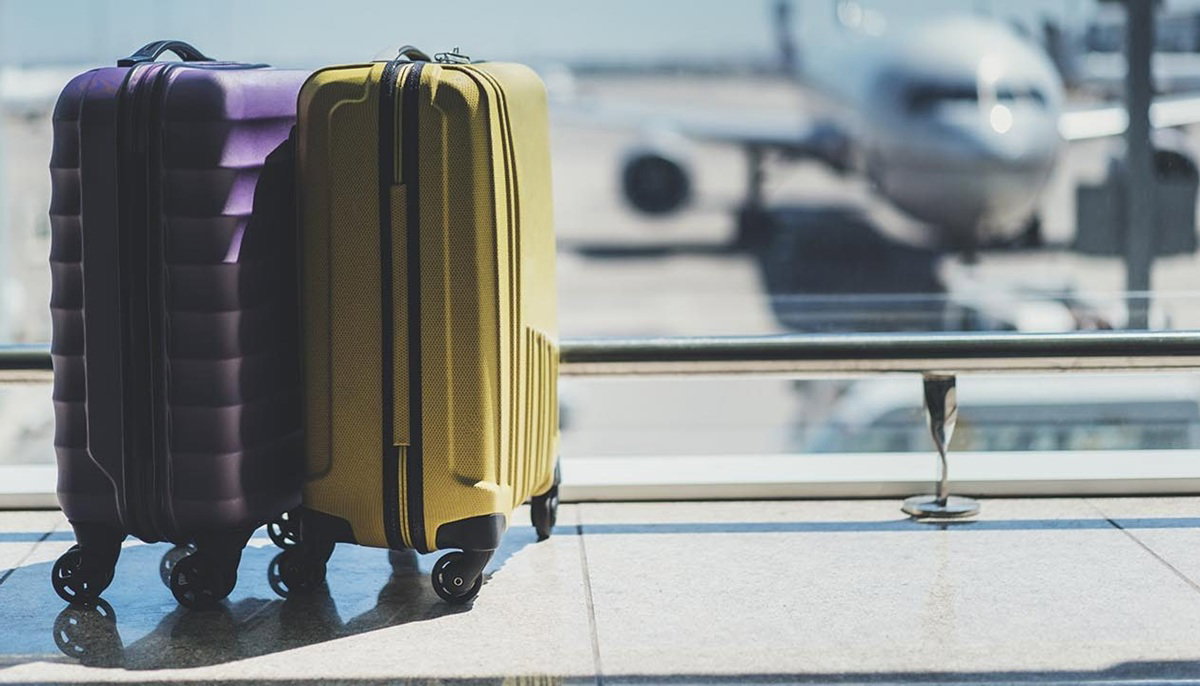
Passengers may soon pay extra for cabin bags on Brussels Airlines cheapest tickets
Credit : www.brusselsairlines.com
Passengers booking the cheapest Brussels Airlines tickets on short and medium haul routes are about to see a major change. Free cabin bags will no longer be included on the lowest fare, meaning many travellers who want to bring a standard hand luggage case will have to pay more.
The move forms part of a wider shake up across the Lufthansa Group and is likely to affect people who have grown used to travelling with a trolley bag included in the cheapest ticket.
For budget conscious passengers, city breakers and expats making regular hops across Europe, it could make headline fares look cheaper while the final cost rises once luggage is added.
What is changing with Brussels Airlines fares
Until now, Brussels Airlines’ cheapest fare, known as Economy Light, included two items: one small personal item and one cabin bag. That meant travellers could normally bring a backpack or laptop bag, plus a small wheeled case that fitted airline cabin dimensions.
Under the new system, a fresh entry level fare called Economy Basic will only include a personal item, such as a handbag, laptop case or small backpack that fits under the seat.
Anyone wanting a larger overhead cabin bag will need to choose a higher fare or pay more.
In simple terms, the cheapest ticket becomes more restrictive. Airlines often present these changes as offering passengers more choice, but for many travellers it will feel like something once included now costs extra.
When the new baggage rules begin
Brussels Airlines says the new fare will be tested from 28 April, for journeys starting on 19 May, on selected routes. The long term aim is to roll it out across the airline’s continental network.
That means more routes across Europe are expected to adopt the new model once the trial period ends. Passengers booking in the coming weeks may want to check carefully which fare type appears during the booking process, especially if they assume cabin baggage is automatically included.
That assumption could become expensive.
Why airlines are doing this
Charging separately for baggage is hardly new in aviation. Low cost carriers have done it for years, and many passengers now compare ticket prices based on the headline fare first, then decide later whether to add luggage, seat selection or priority boarding.
Traditional airline groups have increasingly moved in the same direction. By separating services, airlines can advertise lower starting prices while earning extra revenue from optional add ons.
They also argue that some passengers travel light and should not pay for services they do not use. Brussels Airlines says the new fare gives day trippers and light travellers another low entry option.
That may be true for some. But for anyone carrying a normal cabin case, the total price may end up much closer to existing fares.
Who will notice the change most
Frequent travellers are often the quickest to spot these shifts. Many people travelling for work, short breaks or second home visits rely on cabin luggage to avoid check in queues and baggage reclaim.
For them, hand luggage is not a luxury. It is part of the basic trip. Expats travelling between Belgium, Spain, Italy, Portugal or other European destinations may also feel the impact, especially on regular weekend visits.
Families could notice it too. A cheap fare for several people can look attractive at first glance, but once bags are added the bill can change quickly. That is why comparing the full cost, not just the first price shown, matters more than ever.
Other airlines in the Lufthansa Group are following
This is not only about Brussels Airlines. The same basic fare model is also expected across other Lufthansa Group carriers, including Lufthansa, Swiss, Austrian Airlines, Discover Airlines, Lufthansa City Airlines and Air Dolomiti.
That gives the move wider significance across Europe. Millions of passengers fly with these brands every year, so the new baggage structure could become standard across a large part of the market. If successful, other airlines may study the results closely.
What travellers should check before booking
The key point is simple: read the fare conditions before paying. Look at what is included, the size of the personal item allowed and the cost of adding a cabin bag later.
In many cases, buying the next fare up from the start may work out better value than choosing the cheapest fare then adding extras one by one.
Travellers should also check return journeys carefully, as baggage terms can differ between airlines on connecting routes.
A cheaper ticket, or just a different price tag?
Airlines know customers love seeing a low fare on screen. What happens after that depends on what the passenger actually needs.
For someone travelling with only a laptop bag, the new system may suit perfectly. For everyone else, the cheapest fare may no longer be the cheapest journey.
That is the real change hidden behind the new Brussels Airlines pricing plan.