
European News
Tiny island state with worst jams in Europe pays young drivers €25,000 not to drive for five years

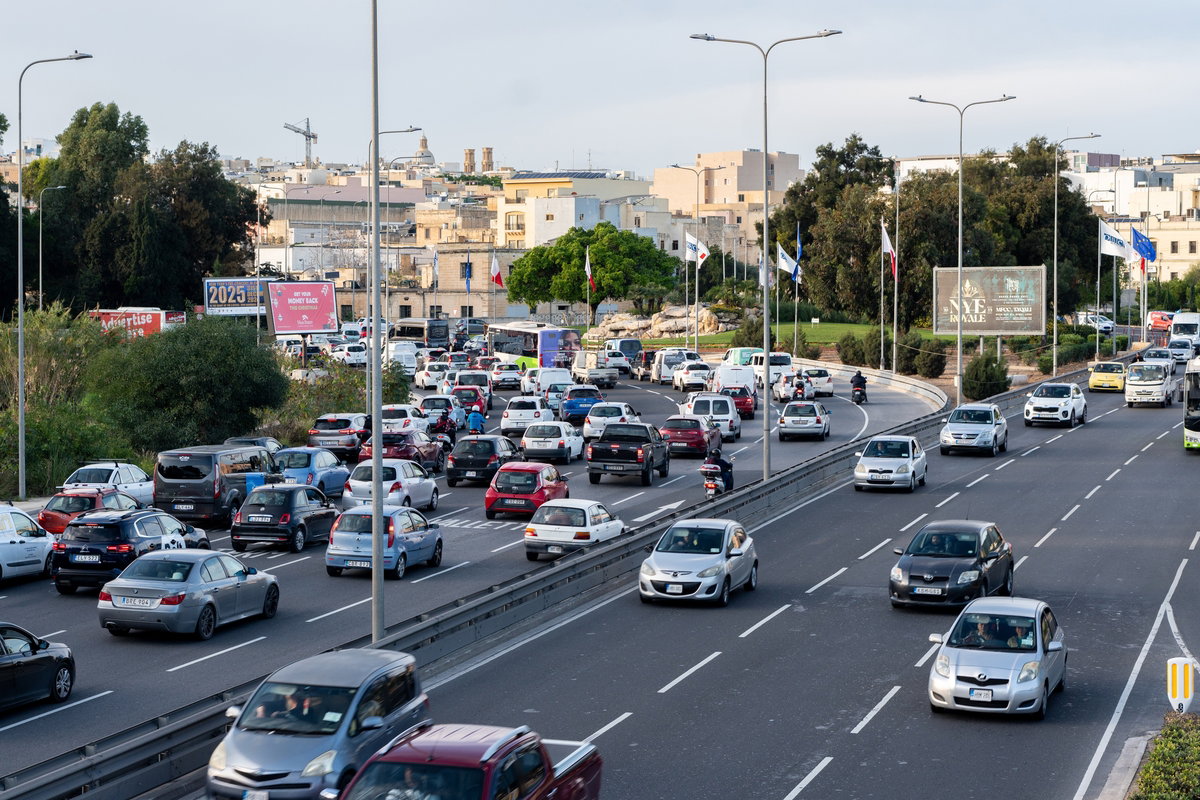
Marsa, Malta, with some of the worst traffic jams in Europe.
Credit: Dmitriy Bakhar – Shutterstock
Malta has launched a controversial cash incentive to tackle severe road congestion by encouraging young people to give up driving.
Traffic nightmare on a tiny island
Vehicle registrations continue to increase, jamming up the island’s roads, with dozens of new cars added every day even as the population hovers around half a million. European experts have long warned that motorised transport must move toward shared use or risk becoming unsustainable, a point highlighted by Spain’s traffic chief Pere Navarro in recent months. Malta is now taking radical action with public funds to cut car numbers immediately.
Generous payout for surrendering licences
Willing participants receive a total of €25,000, paid in annual instalments of €5,000 over five years. Free public transport access comes as an added benefit throughout the period. Drivers must surrender all licence categories and agree not to drive any vehicle in Malta or abroad during the full term.
Strict eligibility rules for cash handover
Only residents aged under 30 who have lived in Malta for at least seven years qualify. Applicants need a valid Category B licence held for a minimum of 12 months, with no serious traffic penalties on record. Applications run on a first-come, first-served basis under the Sustainable Transport Driving Licence Surrender Scheme operated by Transport Malta.
Over 100 young people already signed up
Roughly one hundred youths have accepted the deal so far, committing to alternative travel methods for the next five years. Critics, including the National Youth Council, question whether the scheme will meaningfully ease congestion given the steady influx of new vehicles, urging greater investment in public transport instead.
Return to driving comes with conditions
Those who complete the five-year period and wish to regain their licence face 15 hours of practical lessons at an approved driving school. Officials hope the initiative will reduce vehicles in circulation and promote sustainable mobility, though its long-term impact remains under debate amid Malta’s ongoing traffic troubles.







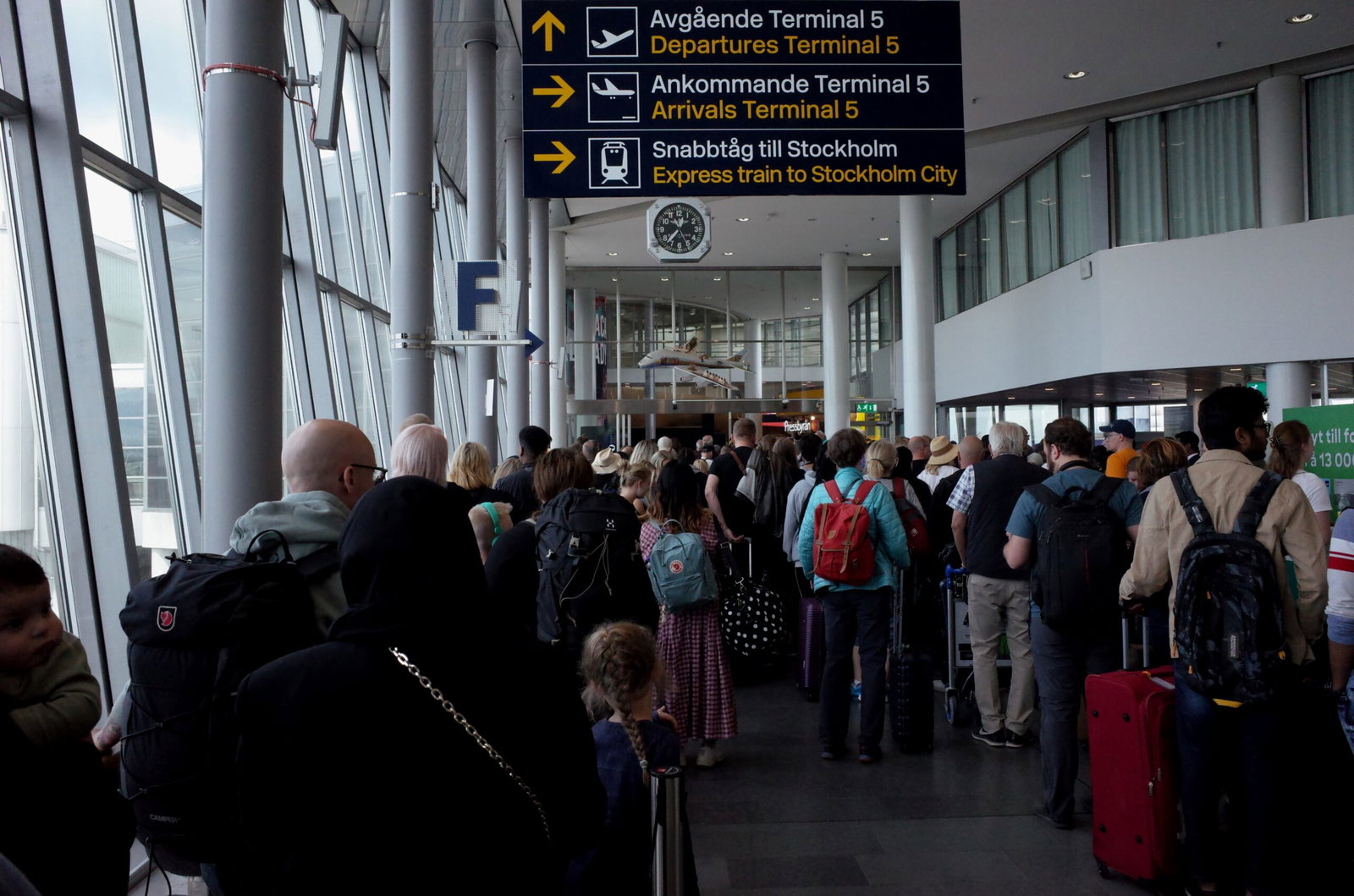
Refusals were reported across high-traffic entry states. Spain and France- Photo credit: Arthur Matsuo/Shutterstock
The European Union’s Entry/Exit System (EES) has recorded more than 27,000 refusals of entry at external Schengen borders during its early rollout phase, according to figures attributed to the European Commission and reported through aggregated operational data shared with member states.
The refusals were recorded across multiple participating countries, including Spain, France, Italy, Germany, Greece, Portugal and the Netherlands. These states manage some of the busiest external Schengen entry points, including major airports, seaports and land crossings where non-EU nationals enter the bloc.
The data relates to the early implementation phase of the EES, which is being introduced across Schengen external borders to replace manual passport stamping with a digital system recording entries and exits for non-EU nationals.
Digital system replaces passport stamps with biometric checks
The Entry/Exit System applies to non-EU nationals travelling for short stays of up to 90 days within any 180-day period. It replaces passport stamping with an electronic register that logs each entry and exit.
Travellers are required to provide biometric data, including fingerprints and a facial image, when first entering through a participating border point after the system becomes active there. This data is stored and reused for future crossings, allowing identity checks to be carried out more quickly.
The system is operated by national border authorities across participating states. It records movement data centrally but does not determine whether a traveller is allowed to enter. Decisions remain with border officers applying existing EU rules.
Refusals recorded across major EU entry countries
During the initial phase, more than 52 million border crossings were logged. Within that total, over 27,000 individuals were refused entry at external Schengen borders.
Refusals were reported across high-traffic entry states. Spain and France, which handle large volumes of air and tourist arrivals, processed significant numbers of entries under the system. Italy and Greece recorded activity linked to maritime routes in the Mediterranean as well as airport arrivals.
Germany and the Netherlands contributed through major international airports, while Portugal and smaller external border states recorded lower volumes but still formed part of the overall dataset.
The European Commission has not published a full breakdown by country, meaning the 27,000 figure reflects a combined total rather than individual national refusal rates.
Reasons for refusal unchanged under EU law
The introduction of the EES has not changed the legal basis for refusing entry into the Schengen area. Border officials continue to apply the Schengen Border Code.
Entry can be refused for reasons including invalid travel documents, lack of evidence of the purpose of stay, insufficient financial means, visa or permit issues, or previous breaches of permitted stay limits.
The system itself does not make decisions. It records travel data and provides border officials with access to information such as previous entries, exits and alerts that may support checks at the border.
As a result, the 27,000 refusals reflect enforcement decisions made by national authorities, not automated outcomes generated by the system.
Security alerts account for small share of cases
Around 700 of the refusals were linked to individuals flagged through security-related alerts. These alerts are drawn from EU and national databases used for immigration enforcement and law enforcement cooperation.
Such alerts can relate to previous overstays, immigration breaches, or travel restrictions issued by national authorities. They do not all indicate serious criminal activity.
The system connects with wider EU databases, including the Schengen Information System, which allows member states to share alerts and check individuals against common records.
Early operational effects at border points
At major airports in Spain, France and Germany, including Madrid-Barajas, Paris Charles de Gaulle and Frankfurt, border authorities reported longer processing times for first-time registrations as biometric data was collected.
Italy and Greece also saw operational adjustments at airports and seaports, particularly during peak travel periods when passenger flows were highest. These countries manage significant seasonal traffic from both tourism and maritime routes.
Once travellers are registered, repeat crossings are processed more quickly because biometric verification replaces full re-registration.
Part of wider EU border reforms
The Entry/Exit System forms part of a wider reform of EU border management. It is intended to operate alongside the European Travel Information and Authorisation System (ETIAS), which will require visa-exempt travellers to obtain pre-travel authorisation before entering the Schengen area once fully implemented.
EU officials say the systems are intended to improve tracking of short stays, reduce overstays and provide more consistent records of movement across external borders.
The rollout of the EES is being phased across member states, with different border points adopting the system at different times depending on infrastructure readiness and passenger volumes.
Early data still under review
The European Commission and national border authorities are continuing to assess the early operational data from the system’s rollout.
At this stage, the figures are considered an initial snapshot of border activity rather than a final evaluation. Further reporting is expected once full implementation is complete across all external Schengen borders.
The 27,000 refusals recorded so far illustrate how existing border rules are being applied under a new digital recording system and reflect the scale of movement into the Schengen area.

Última Hora De La Guerra De Estados Unidos E Israel Contra Irán, En Directo | Israel Intensifica Los Ataques En Líbano Y Destruye El último Puente Que Conecta El Sur Con El Resto Del País
Mallorca’s property boom attracts global investors – and signals long-term confidence in the island
Is your outdoor space letting your property down? Here’s a smarter solution for the Costa Blanca


-

 New Developments2 weeks ago
Luxury Villas For Sale, Estepona – ProjectL1
-

 New Developments4 weeks ago
How To Get A Tourist Rental Licence In Andalusia (Spain) – Step-By-Step Guide 2025
-

 Uncategorized4 weeks ago
Max Verstappen left laughing after Nurburgring triumph
-

 New Developments2 weeks ago
Stylish 3-Bedroom Apartment With Panoramic Sea Views – Benalmádena
-

 Uncategorized4 weeks ago
Max Verstappen team-mate sheds light on Nurburgring mistake
-

 %2 weeks ago
Poland Disconnects Utilities At Russian Consulate That Moscow Refuses To Hand Over
-

 Uncategorized3 weeks ago
Lewis Hamilton goes from Karate Kid to Samurai Warrior with Kill Bill guru
-

 Foreign demand4 weeks ago
Non-Resident Foreign Buyers Retreat Sharply In 2025