
Spanish Living
Got €1,800 from Social Security? Spain says you still need to declare it

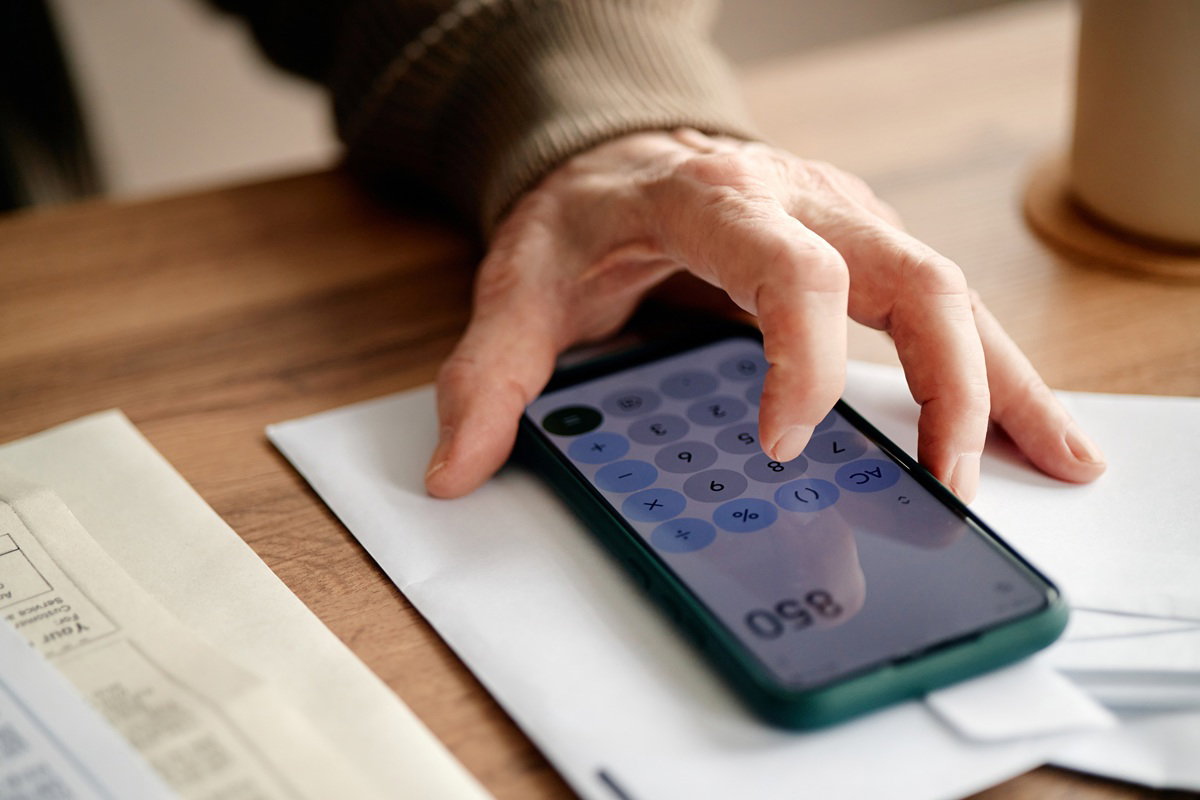
Pensioners must declare €1,800 compensation in Spain’s tax return
Credit : SeventyFour, Shutterstock
If you received the €1,800 compensation linked to the child supplement pension case, there’s something you need to know before filing your tax return this year. Spain’s tax authorities have confirmed that this payment is not tax-free – it must be declared in your Renta.
The clarification comes as many pensioners are preparing their returns, and it could catch some people off guard. The payment was meant to compensate those who had to go to court after being denied the supplement, but from a tax point of view, it’s treated differently.
Why this payment is being taxed
At first glance, it’s easy to assume that a compensation payment would be exempt from tax. In Spain, some are – but only under specific conditions.
According to the Directorate-General for Taxation, the €1,800 payment is not considered compensation for personal harm. Instead, it is seen as financial compensation for expenses, mainly the costs of taking legal action.
That distinction matters more than it might seem.
Only compensation linked to physical, psychological or moral damage is exempt from income tax. Payments that cover financial losses — even if they come from a court case – don’t fall into that category.
In this case, the €1,800 is viewed as money that offsets what claimants spent on lawyers, court fees and other legal costs. Because of that, it has to be declared.
How it will appear in your tax return
For tax purposes, the payment is treated as a capital gain.
That means it won’t be included alongside your pension income in the usual way, but instead declared separately under the section for gains.
This is the same treatment applied to legal costs recovered after winning a case.
So, if you received the €1,800, you’ll need to include it when you submit your Renta this year.
Why you might not end up paying tax on it
Here’s where things get a bit more reassuring.
Even though the payment must be declared, it doesn’t automatically mean you’ll pay more tax.
Spain’s Central Economic-Administrative Court (TEAC) has already clarified how these situations should be handled. If the compensation simply covers the costs you paid during the legal process, then there may be no actual gain.
In practical terms, that means:
- if your legal costs were close to €1,800, you can deduct them
- if they match the full amount, there’s effectively no taxable gain
- if your costs were lower, only the difference is taxed
The key point is that you can deduct the expenses directly linked to the case, up to the amount received.
For many people, that will significantly reduce – or even eliminate – any tax impact.
There’s one decision to make when declaring it
One detail that could make a difference is how you apply those deductions.
Normally, legal expenses can be deducted from employment income (including pensions), but there’s a limit – usually up to €300.
In this case, you have a choice.
You can:
- deduct those expenses from your general income (with limits), or
- offset them directly against the €1,800 compensation
You can’t do both at the same time.
Depending on your situation, one option may be more beneficial than the other. It’s worth checking before you submit your return.
Why this matters right now
With the tax campaign already underway, this clarification arrives at a crucial moment.
Many affected pensioners may not realise they need to declare this payment at all. After all, it comes from a recognised issue involving discrimination in pension rights, and it feels like a form of redress.
But the tax authorities are focusing on the nature of the payment, not the background behind it.
That’s why it’s being treated as taxable income.
Who is affected
This applies specifically to pensioners – mainly men – who:
- were denied the child-related pension supplement
- took legal action to claim it
- and later received the €1,800 compensation from Social Security
If that’s your case, it’s something to take into account when preparing your Renta.
What you should do before filing
If you’ve received this payment, it’s worth taking a moment to go over your documents before submitting your return.
Make sure you:
- include the €1,800 in the correct section
- keep any invoices or proof of legal expenses
- decide how you want to apply those deductions
It doesn’t require a complicated process, but overlooking it could lead to errors in your declaration.
A detail that can make a difference
On paper, it might seem like a small technical point. In reality, it can affect how much tax you end up paying – or whether you pay anything at all.
For some, it will simply mean adding one more figure to their return. For others, especially those with significant legal costs, it could balance itself out.
Either way, if you received the payment, it’s something you don’t want to ignore this tax season.


Brits brace for new Spain tourist tax – this time in stunning spot near ‘world’s best beach’
Spain’s Health Ministry issues warning on homeopathy as report finds no evidence of effectiveness
Guardia Civil €200 crackdown: Why your car boot is the only place for your bags

Luxury Villas For Sale, Estepona – ProjectL1

Stylish 3-Bedroom Apartment With Panoramic Sea Views – Benalmádena
Brussels warns Spain that migrants regularised under controversial scheme will be deported back to Spain if they try to move to other EU countries


-
 New Developments3 weeks ago
Luxury Villas For Sale, Estepona – ProjectL1
-
 New Developments2 weeks ago
Stylish 3-Bedroom Apartment With Panoramic Sea Views – Benalmádena
-
eu response to spain migration policy2 weeks ago
Brussels warns Spain that migrants regularised under controversial scheme will be deported back to Spain if they try to move to other EU countries
-

 %3 weeks ago
Poland Disconnects Utilities At Russian Consulate That Moscow Refuses To Hand Over
-

 Uncategorized4 weeks ago
Lewis Hamilton goes from Karate Kid to Samurai Warrior with Kill Bill guru
-

 Uncategorized4 weeks ago
F1 legend Martin Brundle reveals the thing he hates about living in London
-
AER Lingus3 weeks ago
High-speed internet at 35,000 feet: Aer Lingus launches Starlink Wi‑Fi
-

 Uncategorized3 weeks ago
How Lewis Hamilton spent break with A-list star