Connect with us

DGT

Guardia Civil €200 crackdown: Why your car boot is the only place for your bags

Published

on

Barely a day goes past without being reminded by the Spanish traffic authority (DGT) and the Guardia Civil of elements of your displacement on the roads that will draw attention to the authorities, either through roadside checks or from cannily positioned cameras on overhead road signs or drones. There are a certain number of typical red flags that provoke police vehicles to pull over a driver and, on occasion, hand out a €200 fine.

Being aware of them can maintain that money in our wallets, as well as being reminded of the potential dangers, we can become lax about and forget on regular daily journeys and driving large distances.

€200 fines await Spanish drivers treating cars like storage lockers

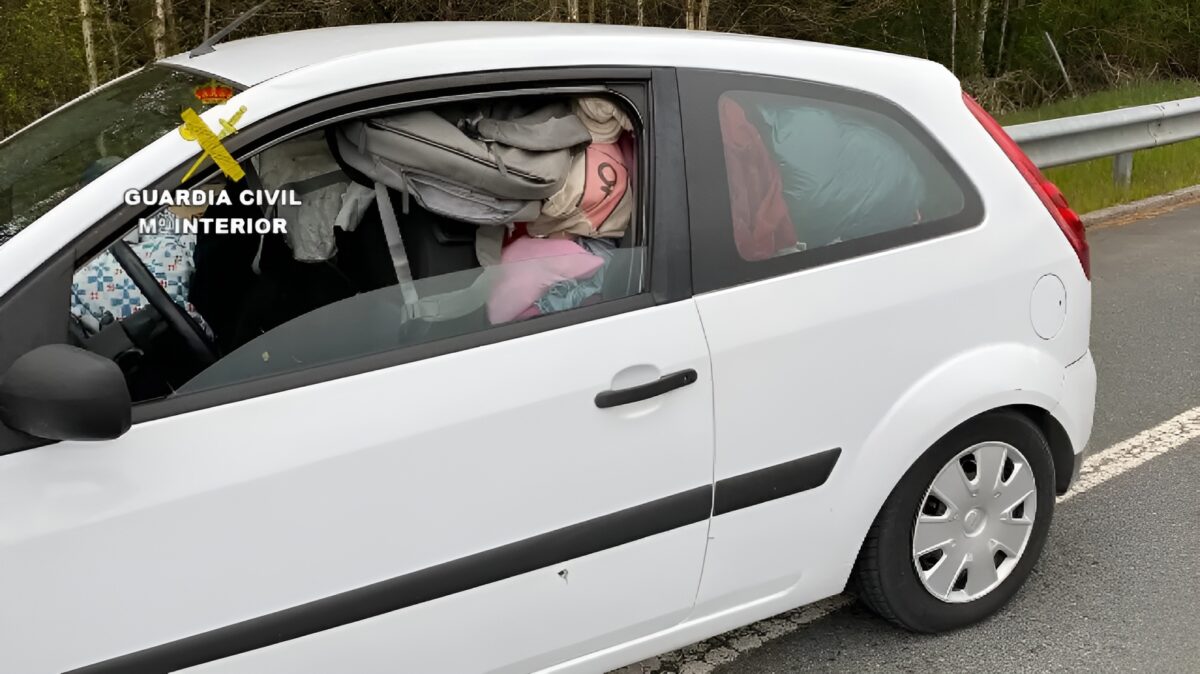
Drivers throughout Spain increasingly encounter traffic officers issuing fines for a routine action many perform without thinking twice. Shopping bags, backpacks or handbags left on seats rather than stowed away properly draw the attention of the Guardia Civil in Spain with fines reaching €200 each time and more.

Spanish traffic regulations classify this behaviour as a “serious offence” since loose items compromise safety in multiple ways by limiting freedom of movement and reducing overall visibility for those at the wheel.

Why loose objects are hazards behind the wheel

Items placed freely inside vehicles reduce driver mobility and block essential views while splitting focus from the task of driving safely during every journey. Typically spotted items by the Guardia Civil and local police include boxes, houseplants, shopping bags, luggage (especially on family holidays) and unrestrained pets.

Sudden stops or collisions send those objects flying forward in what experts term the ‘elephant effect‘. Speed transforms a modest six-kilogram shopping load into something weighing sixty kilograms upon impact with unfortunate occupants or structures inside the car.

Official advice on load management

DGT advice suggests everyone place bags and parcels in the boot whenever possible to keep everything contained safely. Cabin items require firm fastening via seatbelts or dedicated tie-down systems to prevent movement during normal travel or unexpected events. Nothing should occupy the rear shelf area, not even hats, since that placement risks blocking rear vision or launching projectiles in emergencies and causing further complications. It’s only a straw sun hat? €200 fine.

Other fines for loads placed incorrectly

Similar €200 fines apply when loads protrude from boots without adequate covers or safeguards against shifting or falling onto the road surface unexpectedly, or worse – cars travelling behind. Obscured lights, signals, devices or number plates lead to identical financial penalties under the same regulations because such issues create dangers for all road users nearby.

So, it’s €200. Is it worth the risk? The police officer has gone to the bother of pulling over a vehicle, so they will take advantage while they are there to check all other elements. Tyre tread, state of the mirrors, fog lights, documentation, and so on. Overlooking a small element of road safety in Spain can end up costing a driver a lot more than they ever bargained for.

Drivers who value both road safety and their wallets should keep in mind storage habits before setting off on journeys around Spain to avoid unnecessary and unexpected extra expenses. It seems the DGT budget for technology pays dividends in catching these everyday oversights with impressive efficiency and keeps everyone on their toes to long-standing rules that protect all road users from avoidable risks.

%

Spain Adds 15 New Movable DGT Radars

Published

on

spain-adds-15-new-movable-dgt-radars

Spain’s new movable DGT radars will be used by the Guardia Civil on roads nationwide Credit : Joan Llado, Shutterstock

Drivers in Spain are being told to expect 15 new DGT dynamic speed cameras, devices that can be moved between locations instead of staying permanently in the same place. That means motorists who know where the usual radars are and slow down only at those points could soon be caught out. The new units, confirmed through official contracting notices, are set to be used by the Guardia Civil and are part of the DGT’s ongoing efforts to tackle speeding on Spanish roads.

For many drivers, the biggest change is not the number of cameras. It is the fact they will not always be where you expect them.

Why these new radars matter to everyday drivers

Anyone who drives regularly in Spain knows the pattern. There are fixed radars people talk about, locations shared in WhatsApp groups, and stretches of road where locals automatically tap the brakes because they know a camera is coming.

These new devices are designed to make that habit less useful. They can reportedly be used in a fixed position or moved depending on where officers decide to place them. In simple terms, the same camera could be monitoring one road this week and another one shortly after.

That unpredictability is exactly what makes them different from the traditional fixed systems drivers have grown used to.

For someone who already sticks to the speed limit, it changes very little.

For someone who speeds until they reach a known camera, it could change quite a lot.

The DGT focus on speeding continues

Spanish traffic authorities have repeatedly said speeding remains one of the most common offences on the road network.

That is why speed enforcement keeps expanding through fixed cameras, section control systems and mobile checks.

The DGT view is straightforward. Lower speeds reduce stopping distances and give drivers more time to react when something unexpected happens.

Many motorists disagree with the constant increase in controls and see cameras mainly as a source of fines. Others point out that certain dangerous roads became calmer after enforcement was introduced.

That debate is unlikely to disappear now.

What is certain is that Spain continues to invest in road monitoring technology, and these 15 units are the latest example.

Where they are most likely to be used

Because the cameras can be moved, they are expected to be especially useful where traffic patterns change.

That could mean busy holiday routes, roads packed during long weekends, summer getaway operations or stretches where complaints about speeding are frequent.

Instead of leaving one radar permanently in the same place, officers can move units according to need.

For example, a route leading to coastal resorts during a summer Friday may receive extra attention, while another road might be checked during a return journey weekend.

This flexibility gives authorities more options and gives drivers fewer clues. It also means people should not assume quieter roads are free from checks.

What has been reported about the technology

Reports on the new units say they can monitor several lanes and work in both directions of travel. That would allow one device to cover a wider section of road than older single lane systems.

They are also described as capable of detecting vehicles from distance, which can help officers monitor traffic before drivers notice the device.

For motorists, that means sudden braking at the last second may be less effective than before.

The smarter approach, as always, is steady and legal driving from the start.

What drivers should actually take from this

Some headlines make every new radar sound dramatic.

The reality is more ordinary. These cameras do not create new offences. They enforce rules that already exist.

If you normally drive within limits, pay attention to road signs and adjust speed for conditions, they are unlikely to make much difference to your day.

If your driving style depends on knowing where cameras are, then yes, they may become a problem.

That is probably the group these new radars are aimed at.

Will there be more in future

Yeah possibly. Across Europe, traffic authorities are using more mobile and adaptable enforcement systems. Spain is clearly part of that wider trend.

If these cameras are considered effective, further purchases would not be surprising.

For now, though, the confirmed figure is 15 units.

What Spain drivers should remember now

Many drivers treat radars like landmarks. Slow down here, speed up there, repeat tomorrow. The arrival of movable cameras challenges that routine.

For Spain’s motorists, the message is simple enough: the safest place to respect the speed limit is not near the camera. It is everywhere.

Continue Reading

%

Drivers On Malaga’s AP-7 Toll Road Receive Sophisticated Text Message Scam

Published

on

drivers-on-malaga’s-ap-7-toll-road-receive-sophisticated-text-message-scam

Drivers using the busy AP-7 toll motorway on the Costa del Sol need to stay alert to a fresh wave of text message fraud. Criminals are sending convincing-looking messages that pretend to come from the Dirección General de Tráfico (DGT), Spain’s traffic authority, and demand immediate payment for an unpaid toll.

How the fraudulent message works

Recipients get a text message from an account appearing as DGTInfo. The text claims a toll on the AP-7 remains unpaid and lists the vehicle’s make, model, and registration plate for added credibility. It states a specific amount due and insists on settlement within 24 hours. Failure to pay, according to the message, will result in a €200 fine. A shortened link in the message leads to a fake payment site designed to capture personal and banking details.

Ausol, the company managing the AP-7 concessions between Malaga, Marbella, and Guadiaro, quickly identified the messages as fake. The company attempted to contact affected drivers directly to confirm that no official communication had been sent and called for everyone to ignore the texts completely. Access to the link must be avoided at all costs to prevent data theft.

Smishing tactics target Costa del Sol drivers

This incident represents a clear case of smishing, where fraudsters exploit SMS messaging to trick people into visiting malicious websites. Personal vehicle details make the messages look authentic and create a sense of urgency that pressures quick action without proper checks.

Drivers on this key Malaga route face particular risk because of high traffic volumes

National Police stress that genuine toll operators and traffic bodies never request urgent payments through text messages or direct links. Such demands always signal potential danger.

Official DGT policy on notifications

DGT communications follow strict channels only. Traffic fines and related matters reach drivers exclusively via postal mail or the official Dirección Electrónica Vial (DEV) electronic mailbox. No exceptions exist for text message or email notifications involving payments or penalties. An official text message may alert its recipient of a communication on the official site or the impending arrival of a registered postal communication, but never a demand to pay immediately via a link within the same message.

It is recommended to treat any text that mentions unpaid tolls, immediate fines, or external payment links as suspicious. Verification should only happen through official DGT channels or by contacting Ausol directly using known contact details from their verified website.

Protecting yourself from similar frauds

The tendency for most on receiving such a message is to panic and just pay up, a habit fraudsters exploit. Simple habits help drivers stay safe. Delete questionable messages without opening links. Check vehicle records through authorised apps or portals rather than responding to unsolicited texts. Report incidents to police or consumer protection services so patterns can be tracked.

How fraudsters came by the number plates of users of the AP-7 is not yet known, but it does suggest they have installed number plate-reading technology at some point along the toll road to trap drivers into thinking the smishing messages are convincingly real.

Road users on Spanish motorways encounter growing numbers of these attempts. Awareness remains the best defence against losing money or compromising sensitive information. Regular checks of official sources keep everyone informed about new risks in this area.

Continue Reading

%

New AI Speed Camera Spots More Than Speeding

Published

on

new-ai-speed-camera-spots-more-than-speeding

New AI cameras could detect far more than speeding offences Credit : Lars Ove Jonsson, Shutterstock

Drivers are being warned that a new generation of traffic camera could change the way road offences are detected. A new AI powered speed camera system is being tested in the UK and is designed to identify much more than speeding. It can reportedly detect drivers using a mobile phone, people not wearing seatbelts, red light offences and other behaviour that may put road users at risk.

For motorists in Spain and across Europe, the development is attracting attention because road safety technology often spreads quickly once trials prove successful.

Traditional speed cameras usually focus on one thing. This new system is trying to watch almost everything happening around a vehicle.

How the new AI camera works

The device, known as Reedspeed Rentio, combines artificial intelligence with advanced imaging technology.

Instead of checking only vehicle speed, it analyses what is happening across several lanes at once. It can reportedly capture high resolution images in difficult weather and low light, allowing authorities to review offences more clearly.

That means the system may be able to detect if a driver is holding a phone, if front seat occupants are not wearing seatbelts, or if a vehicle has crossed a red light.

The technology can also read number plates in real time, helping officers identify vehicles more quickly.

For police and traffic agencies, that could save time and improve enforcement. For drivers, it means there may be fewer blind spots on the road.

Why motorists are paying attention

Many people are used to seeing cameras linked to speeding fines. This feels different because it widens the net.

A driver who slows down near a speed camera but checks messages at the lights could still be detected. Someone who ignores a seatbelt on a short local journey may also come under scrutiny.

That is why the technology is generating strong reactions.

Supporters say it could reduce dangerous behaviour and encourage better habits behind the wheel. Critics worry about privacy and the growing use of surveillance tools in everyday life.

Both arguments are likely to continue as systems like this become more common.

Where the cameras are being used

According to reports, more than 100 of these cameras have been installed in parts of the UK as part of ongoing testing.

They are linked to official databases that can help check whether a vehicle is insured, taxed and properly registered.

Not all units are currently issuing fines, as some are being used to assess performance and gather evidence before wider rollout decisions are made.

That trial phase matters.

Authorities often test new enforcement tools before introducing full penalties.

So while drivers may not be fined everywhere today, the direction of travel is clear: smarter traffic monitoring is advancing.

Could Spain see similar cameras?

Spain already uses an extensive road enforcement network, including fixed speed cameras, average speed systems and cameras that detect mobile phone use or seatbelt offences in some locations.

The DGT has repeatedly focused on distraction and failure to wear seatbelts as major safety risks.

Because of that, many motorists will wonder whether AI systems like this could eventually appear on Spanish roads.

There is no confirmed nationwide rollout of this specific UK model in Spain at present, but the broader trend towards automated enforcement is already visible across Europe.

Once one country shows measurable safety benefits, others often take notice.

The privacy debate

Not everyone is comfortable with cameras that can examine the inside of a vehicle.

That is where much of the criticism lies.

Some campaigners argue that monitoring drivers and passengers in such detail risks going too far. They question how images are stored, who can access them, and how long data is retained.

Supporters respond that the aim is simple: prevent deaths and serious injuries.

Mobile phone distraction, speeding and failing to wear a seatbelt remain major factors in crashes across Europe. If better technology changes behaviour, they argue the public benefit is obvious.

It is a debate that is unlikely to disappear.

What drivers should take from this now

Whether or not these exact cameras reach Spain soon, the message for motorists is already clear.

Use your phone while parked legally, not while moving.

Wear your seatbelt every journey.

Respect traffic lights and speed limits.

And do not assume older habits can still go unnoticed.

Road enforcement is becoming faster, smarter and more detailed.

For drivers who follow the rules, that may not change much. For everyone else, the next camera you pass could be seeing far more than you think.

Continue Reading
Advertisement
Advertisement

Spanish Real Estate Agents

Tags

Trending

Copyright © 2017 Spanish Property & News