
%
Spain Reopens Tobacco Debate After UK Approves Lifetime Sales Ban
















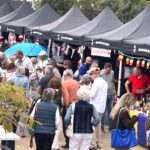
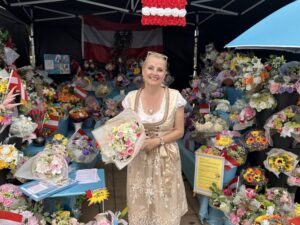
Market stalls from around the World. Credit: EWN
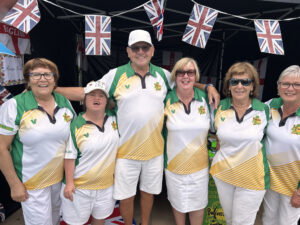
Expats and local Esteponeros converged at the Torre Mirador del Carmen area today for the 25th anniversary of Día del Residente Extranjero in Estepona (Foreign Residents’ Day).
Organised by Estepona Town Hall to celebrate the town’s colourful multi-national population, the occasion ran between midday and 9pm with more than 25 stands and participation from 26 countries and the Nordic Club.
This setup turned the location into a multicultural meeting point where attendees could discover gastronomy, crafts, music and traditions from around the world, all present here on the Costa del Sol.
Mayor presents plaques to community publications
José María García Urbano presented plaques to owners and journalists from multi-language publications such as Sur in English, Hola Polacos, Esprite Sud and, of course, Euro Weekly News.
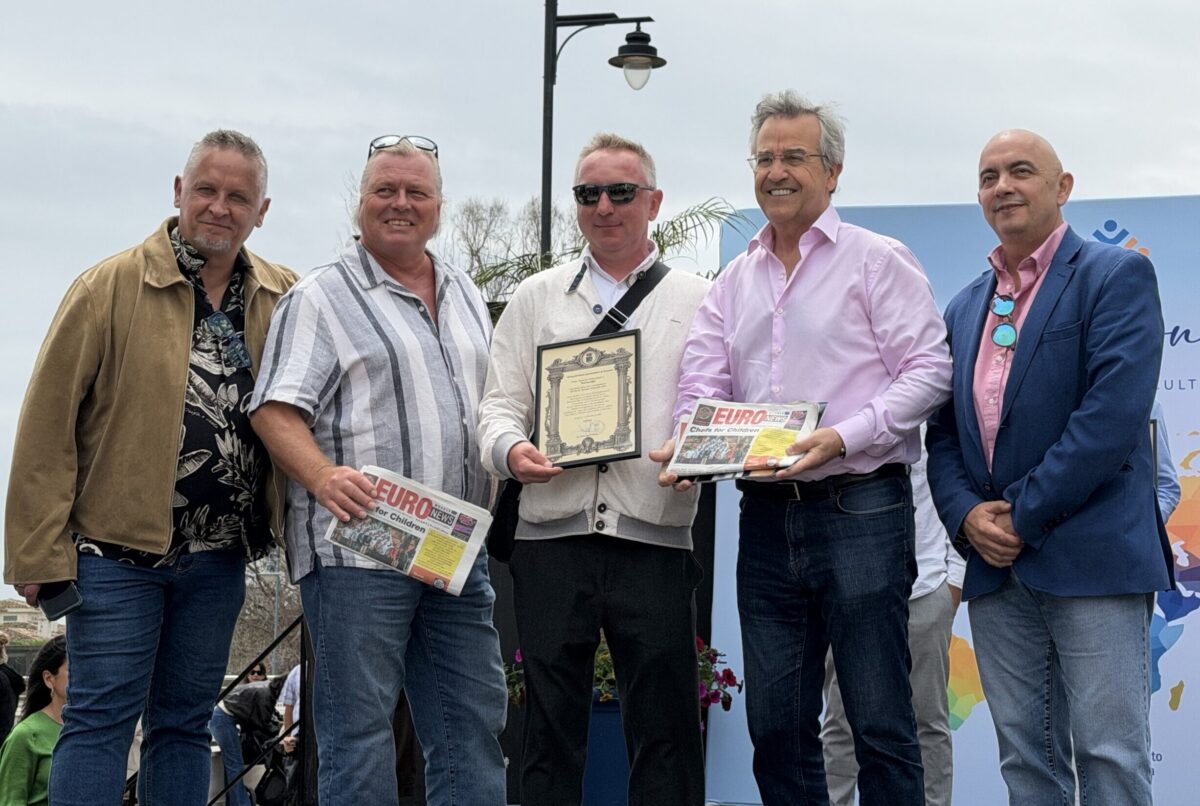
The mayor explained that these outlets help keep Estepona’s large and varied foreign community informed of events in the Costa del Sol town and its surroundings.
Global traditions entertain large crowds
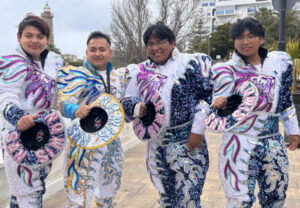
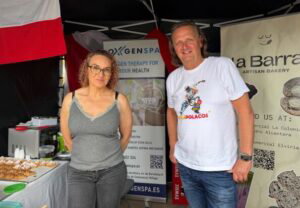
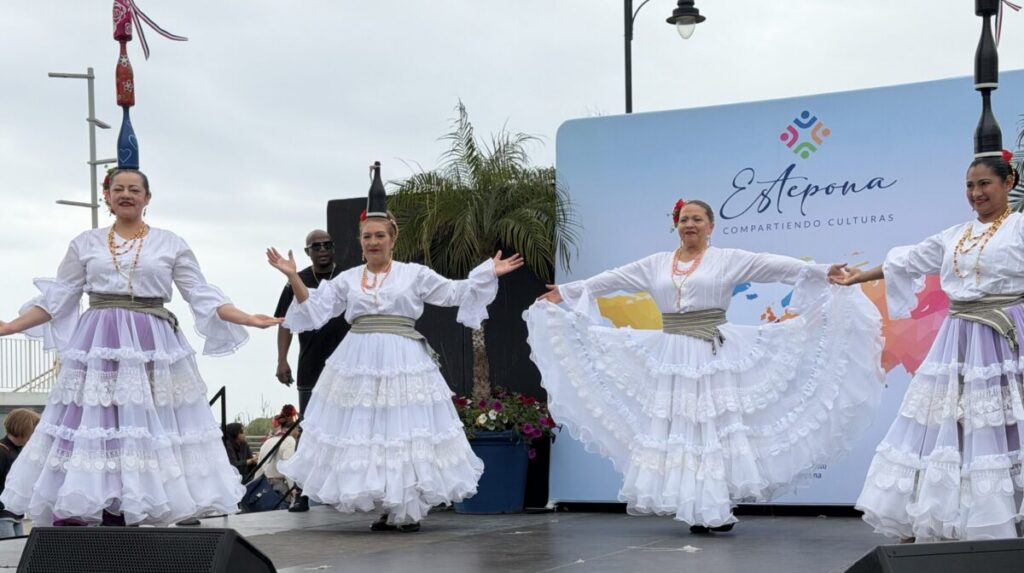
Music and dance typical of the origin nations entertained huge crowds of expats of all nationalities throughout the day. Stalls presented samples of the finest food, drinks and products from around the globe to keep everyone entertained in a party atmosphere celebrating Estepona’s diverse nationalities and togetherness.
Honour goes to long-time stage performer
Event officials paid tribute to Herling Robins, or “H” as he is more commonly known in Estepona, a Columbian resident of 20 years and salsa singer and dancer in honour of his career and his energetic performances on stage for over two decades.
Census data reveals high level of diversity
Figures from the 2019 municipal census show Estepona with a population of around 72,000 residents from over 120 different nationalities. This makes the town one of the most nationally diverse and cosmopolitan places in Andalucia.
Participants took advantage of a unique opportunity to share experiences and discover new cultures while celebrating the diversity that enriches the city. Many attendees expressed appreciation for the opportunity to engage with different customs in such a friendly setting by the Mirador del Carmen building on the promenade.
Additional activities contributed to the success of the day as people continued to enjoy the various elements on offer until the event concluded in the evening.

Spain Reopens Tobacco Debate After UK Approves Lifetime Sales Ban

Spain Café Outrage Over Table Joining Charge

Última Hora Del Intento De Atentado Contra Trump, En Directo | Trump Afirma Que El Autor Del Tiroteo En Washington Actuó Movido Por El “odio” A Los Cristianos

Luxury Villas For Sale, Estepona – ProjectL1

Stylish 3-Bedroom Apartment With Panoramic Sea Views – Benalmádena
Brussels warns Spain that migrants regularised under controversial scheme will be deported back to Spain if they try to move to other EU countries


-
 New Developments3 weeks ago
Luxury Villas For Sale, Estepona – ProjectL1
-
 New Developments3 weeks ago
Stylish 3-Bedroom Apartment With Panoramic Sea Views – Benalmádena
-
eu response to spain migration policy2 weeks ago
Brussels warns Spain that migrants regularised under controversial scheme will be deported back to Spain if they try to move to other EU countries
-

 %3 weeks ago
Poland Disconnects Utilities At Russian Consulate That Moscow Refuses To Hand Over
-

 Uncategorized4 weeks ago
How Lewis Hamilton spent break with A-list star
-
Costa Calida2 weeks ago
Murcia unveils monument marking 175th anniversary of Burial of the Sardine
-
Costa del Sol2 weeks ago
Easter on the Costa del Sol: a time of renewal
-

 Uncategorized4 weeks ago
Kelly Piquet