Connect with us

%

French Family Gives Entire Village Farmland With Key Condition Attached

Published

on

french-family-gives-entire-village-farmland-with-key-condition-attached

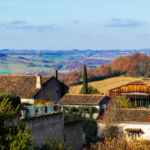
Local officials said the proposal fitted well with the village’s wider aims. Photo credit: ldgfr photos/Shutterstock

A family in western France has donated a parcel of agricultural land to its local village on the condition that it is turned into a community orchard open to all residents. The gift has been made to the municipality of Clussais-la-Pommeraie, a rural commune in the Deux-Sèvres district with a population of about 560 people.

The land, which had not been cultivated for several years, belonged to the Éprichard family. Rather than selling the field or leaving it unused, the family decided to hand it to the local authority so it could serve a wider public purpose. According to reports in the French regional press, the donation was accepted by the municipal council and plans are now being prepared for the site.

Condition attached to the donation

The family’s request was clear: the land should be transformed into an orchard where residents can enjoy the space and, in time, share in the fruit it produces. The project is intended to provide a place where people can walk, meet neighbours and take part in local activities, while also supporting biodiversity through new tree planting.

Local officials said the proposal fitted well with the village’s wider aims of improving shared public spaces and strengthening community life. Instead of being reserved for private use, the field will remain accessible to the public once the orchard has been established. The mayor and councillors are now considering how the area should be laid out, including paths, seating and the choice of fruit trees best suited to the local climate and soil.

Planting to take place in stages

Because fruit trees take time to mature, residents are unlikely to see a full harvest immediately. Reports suggest the first significant yields are expected in around four years, depending on weather conditions and the varieties planted. In the early stages, work will focus on preparing the ground, improving access and selecting species that can thrive in the region.

Apple, pear, plum and cherry trees are among the types commonly grown in western France, although the final decision will rest with the council and any horticultural advisers involved. Planting is expected to take place in phases rather than all at once. This would allow young trees to be monitored properly and reduce the risk of losses caused by disease or drought.

A growing interest in shared food spaces

Community orchards have become more common in parts of Europe as towns and villages look for practical ways to make use of spare land. Unlike private gardens, they are designed to be enjoyed collectively, often with volunteers helping to maintain the trees and organise seasonal events.

Such spaces can provide modest amounts of fresh produce while also offering educational value. Schools, local groups and families may use the orchard to learn about pruning, pollination and the seasonal cycle of fruit growing. They can also benefit wildlife. Blossoming trees attract bees and other pollinators, while mature orchards may provide shelter and feeding opportunities for birds and insects.

Village response expected to be positive

Although the orchard has yet to be created, the idea has already attracted interest because of the unusual nature of the donation. Gifts of land to municipalities are less common than financial donations, particularly when they involve a clear public-use condition.

For a small village, even a modest area of land can have a visible effect if it is developed carefully. Residents who may not have access to large gardens of their own could gain a new outdoor space within walking distance of their homes. The project may also encourage volunteer involvement. Community planting days and maintenance sessions often help bring together people of different ages who might not otherwise meet regularly.

Long-term value beyond the harvest

The immediate result of the donation is the transfer of unused farmland into public ownership. The longer-term outcome will depend on how the orchard is managed and whether residents make regular use of it once the trees are established. Even before the first fruit appears, the site is expected to offer environmental and social benefits through new planting and open access green space.

In a rural area where services and meeting places can be limited, that can be significant. For Clussais-la-Pommeraie, the gift from the Éprichard family represents more than a change in land use. It is an example of private property being redirected towards a shared local resource, with benefits that could continue for decades if the orchard succeeds.

%

Safe And Simple Home Security

Published

on

By

safe-and-simple-home-security

Safe and Simple Alarms empowers households to protect what matters most. Credit: New Africa / Shutterstock

Safe and simple home security is becoming increasingly important across Spain, where daily life follows a unique and vibrant rhythm of early mornings, late dinners, and lively street culture. In such an environment, home should always remain a place of comfort, privacy, and peace of mind. Protecting that space, however, should never feel complicated or overwhelming.

Too often, alarm systems are marketed as highly technical, expensive, and difficult to operate. Many people are put off by complicated controls, confusing instructions, and systems that seem to require specialist knowledge just to use effectively. In reality, what most households truly need is straightforward protection: reliable alarm systems that are easy to understand, simple to install, and effortless to manage on a daily basis.

This is especially important for families, elderly residents, and small business owners, who need dependable security without the burden of learning complex technology. In Spain, where many people live in apartment buildings, urbanisations, and shared communities, practical solutions make the most sense. Clear alerts, easy arming and disarming, and seamless mobile phone integration offer far more value than elaborate systems that are difficult to maintain.

Demand for home security has grown steadily in recent years, particularly in urban areas, coastal regions, and locations with seasonal or second homes. Owners of holiday properties, in particular, need reassurance that their homes remain protected even when they are away for extended periods. Yet increased demand should not lead to increased confusion. The best alarm systems are those that work quietly and seamlessly in the background, providing clear notifications, dependable monitoring, and fast support when needed.

Simplicity also plays a major role in improving safety. When alarm systems are easy to use, people are much more likely to activate them consistently and respond quickly to alerts. Overly complicated systems can lead to user errors such as forgotten codes, sensors being accidentally disabled, or warnings being ignored altogether. A straightforward design significantly reduces these risks and helps ensure better day-to-day protection.

Security should never be about complexity for its own sake. It should be about creating confidence, comfort, and peace of mind. Safe and Simple Alarms offers practical, transparent, and user-friendly protection that helps households safeguard what matters most – without turning security into a burden.

For more information, contact Pete on 632 258 576, email pete@safeandsimplealarms.com, or visit www.safeandsimplealarms.com.

Continue Reading

%

Manilva Launches English-Language TV

Published

on

manilva-launches-english-language-tv

Manilva has introduced an English-language version of its municipal television service in a move designed to connect more effectively with its large international population. 

RTV Manilva, the town’s public broadcaster, now offers content in English under the name “RTV Manilva in English”. This broad minded initiative aims to ensure that local news and updates are accessible to residents who do not speak Spanish fluently.

Responding to a multicultural population

A considerably large proportion of Manilva’s population are of foreign residents, many of whom are English speakers. Local authorities have now adapted their communication strategy to reflect the reality of this demographic, ensuring that municipal information reaches a wider audience.

The introduction of English-language programming proves ongoing efforts to modernise local media and make it more inclusive for everyone. Access to municipal news, events and announcements is hoping to improve for those previously facing language barriers. 

Strengthening integration and community ties

Town officials see the project as a way to build and strengthen links with long-established international residents. Many foreign nationals have lived in the area for decades and play an active role in daily life.

Greater access to information may help these residents feel more included and connected to local affairs, encouraging participation in community activities and civic matters that they may have before shied away from due to the language barrier.

Promoting visibility of English-speaking residents

Programming will not only deliver news but also provide insight into the lives, businesses and interests of the English-speaking community. This approach aims to reflect the diversity of Manilva and at the same time broaden the channel’s reach.

Expansion into bilingual broadcasting is a clever and practical step towards more inclusive communication. Local media is forever adapting to social changes, ensuring all residents remain informed and engaged with life in Manilva. You can also follow the station on social media platforms, Radio Television Manilva in English. 

Continue Reading

%

Tourist Overcrowding Spurs New Measures In Spanish Cities

Published

on

tourist-overcrowding-spurs-new-measures-in-spanish-cities

Spain remains one of Europe’s most visited countries. Photo credit: Vunav/Shutterstock

Cities across Europe are continuing to adjust how they manage tourism as visitor numbers remain strong and pressure builds on housing, infrastructure and everyday life in historic urban centres. Spain is among the countries most affected, with high visitor concentration in cities such as Barcelona, Madrid, Palma de Mallorca and Sevilla, where local authorities have introduced or expanded measures in response to rising pressure.

Tourism is one of Europe’s most important economic sectors, supporting jobs across hospitality, transport, retail and cultural industries. However, in a number of cities, the concentration of visitors in central districts has created challenges linked to overcrowding, rising housing costs and changes in neighbourhood composition.

Housing Pressure in Popular Destinations

One of the most widely reported impacts of sustained tourism is the effect on housing availability. In cities with high visitor demand, the growth of short-term rentals has reduced the supply of long-term accommodation in central areas. This has contributed to increased rental prices and pushed some residents towards outer districts. In Spain, the issue has been particularly visible in Barcelona and other coastal and urban destinations where tourism demand is consistently high throughout the year.

Local authorities have responded by introducing tighter controls on tourist accommodation. Measures include stricter licensing systems, fines for unregistered rentals and limits on the number of properties that can be used for short-term stays. In some cases, entire zones have been designated for residential protection to preserve housing stock for local use. These policies are designed to prevent further loss of permanent residents from city centres, particularly in neighbourhoods where tourism activity has become highly concentrated.

Measures Targeting Visitor Distribution

Alongside housing regulations, several cities have introduced steps to manage the flow of visitors more evenly throughout the year and across different districts. This includes promoting travel outside peak summer months and encouraging tourism in less central areas. Some destinations have also placed restrictions on cruise ship arrivals or limited the number of large tour groups allowed in sensitive historic zones. The aim is to reduce congestion in narrow streets and around key cultural landmarks, where high visitor density can affect both accessibility and daily movement for residents.

Barcelona has become one of the clearest examples of this approach, with the city tightening controls on tourist accommodation and increasing enforcement against unlicensed short-term rentals in central districts. Transport systems in major cities are also under review, with adjustments made to handle fluctuating demand during peak travel periods. Public services, originally designed for resident populations, are increasingly required to accommodate large seasonal increases in usage.

Economic Importance of Tourism Remains High

Despite concerns over pressure in urban centres, tourism continues to provide significant economic benefits across Europe. Spain, France, Italy and Portugal remain among the world’s most visited countries, with tourism contributing a substantial share of employment and regional income.

In many cities, the sector supports a wide range of jobs in hotels, restaurants, cultural attractions and transport services. Local economies often depend on this activity, particularly in areas where alternative industries are limited. Because of this reliance, governments have generally avoided measures that would significantly reduce visitor numbers. Instead, policy has moved towards managing how tourism operates within cities rather than restricting it outright.

Changing Character of City Centres

In several Spanish cities, this shift has been noted in neighbourhoods where traditional retail has gradually been replaced by tourism-focused businesses catering to short-stay visitors. Across Europe, local authorities are increasingly considering how to maintain a balance between economic activity linked to tourism and the needs of permanent residents.

In Europe as well as Spain, Barcelona has become a central reference point in these discussions due to the scale of visitor demand and the pressure placed on its historic districts. Some cities are encouraging the development of cultural and commercial activity outside traditional tourist zones in order to distribute economic benefits more evenly. Others are investing in infrastructure improvements designed to support both residents and visitors without overburdening specific districts.

Policy Shift Towards Long-Term Management

The overall direction in many European cities is moving towards long-term management of tourism rather than short-term controls. This includes closer regulation of accommodation platforms, urban planning measures that protect residential areas and coordination between local and national governments on tourism strategy. Spain remains one of Europe’s most visited countries, making its cities central to ongoing debates about how to manage tourism without affecting long-term residents.

Authorities are also increasingly focusing on data-driven approaches to monitor visitor flows and identify pressure points within cities. This allows for more targeted interventions rather than broad restrictions. The central challenge remains maintaining tourism as a stable source of income while ensuring that cities remain functional and affordable for residents. As visitor numbers continue to remain strong, this balance is expected to remain a key issue for urban policymakers across Europe.

Continue Reading
Advertisement
Advertisement

Spanish Real Estate Agents

Tags

Trending

Copyright © 2017 Spanish Property & News