Connect with us

ElPais

Ukrainian Drones Slip Through Moscow’s Defensive Rings

Published

on

The firestorm ignited by Saturday’s Ukrainian attacks on Moscow had died down when Pavel Zarubin, a journalist close to the Kremlin, pointed out an uncomfortable truth to Vladimir Putin’s spokesman, Dmitry Peskov: “Everyone is asking an inevitable question. We have these powerful bombs… So what? It seems you can just nibble and bite at a nuclear power.” Hours earlier, a barrage of Ukrainian drones had breached the capital’s defensive rings. The bombs struck not only Russian energy facilities and military factories but also some residential buildings. At least three civilians were killed in the chaos.

The Russian Defense Ministry reported shooting down 556 drones heading toward Moscow between Saturday night and Sunday morning. This marks one of the largest Ukrainian attacks against the Russian capital since the start of the war, a city where bombs killed a civilian for the first time in September 2024 and whose vulnerability was highlighted when a drone struck one of the Kremlin palaces on the eve of Victory Day in 2023.

The Kremlin followed suit on Monday with another wave of conventional bombs that injured several civilians in Dnipro and Odesa, in eastern and southern Ukraine. A day earlier, Ukrainian President Volodymyr Zelenskiy had claimed that Kyiv’s actions were “justified” by the resumption of Russian bombing of Ukrainian cities after the brief Victory Day truce. At least 24 people were killed in a ballistic missile attack on Kyiv last week.

Moscow is the most heavily fortified city in Russia. Authorities have deployed several rings of anti-aircraft batteries between Podolsk, about 25 miles south of the capital, and Serguiyev Posad, some 45 miles northeast of the megalopolis. The most recent of these, and one of the densest, was completed between 2025 and this year.

Some of these weapons are in plain sight of all Muscovites. In the city center, anti-aircraft guns and radar domes are deployed on the rooftops of administrative buildings, primarily for the protection of the Kremlin. And outside the city, visible from the road, other anti-aircraft systems can be seen mounted on towers and old structures, and even on an old artificial ice rink.

In addition, powerful electronic jammers are throwing geolocation systems in the capital into disarray — especially for taxi drivers — and authorities are cutting off connectivity to blind drones that navigate to their targets via the internet. In fact, since last year, Russian SIM cards automatically deactivate outside the country and must be manually activated when re-crossing the border. The goal is to prevent Ukrainian drones carrying them from connecting to the internet once inside Russian territory.

“This Pantsir, which I located in 2023, was very busy this Sunday,” exclaims Mark Krutov, a journalist with Radio Free Europe/Radio Liberty (RFE/RL) specializing in open-source military intelligence (OSINT), while analyzing photos of the batteries that were deployed in Moscow at the weekend. This expert has been studying the capital’s defenses for years using satellite and street-level images from Google and its Russian counterpart, Yandex. In fact, he highlights how the blurring of maps at the request of the intelligence services of the country in question makes this kind of work easier for OSINT analysts.

“Unlike Google, Yandex also blurs images of Israeli military sites, while Google provides even higher-resolution photos. I’m sure Iran knows the locations, but for an amateur, this provides better clues than a clear image,” Krutov explains in a post, where he points out that the search engine does the same with Russian installations.

By applying geolocation to photos and videos shared by residents after the weekend attack, Krutov has written about how the exchange of fire between Ukrainian drones and Russian anti-aircraft systems could have unfolded.

The Ministry of Defense has fortified the capital with all types of air defenses. These include the Tor-M2 short-range surface-to-air missile system, capable of hitting a target at an altitude of 10 kilometers (6.2 miles) while flying at 3,600 kilometers per hour (2,240 mph), and the Pantsir self-propelled defenses, which combine short-range rockets with anti-aircraft guns. Another OSINT account, Jembob, has counted up to 89 Pantsir systems around the capital, arranged in several concentric rings.

These defenses are complemented by other measures against high-risk threats, such as ballistic missiles and enemy bombers. Among these, the S-400 systems stand out, equipped with different types of surface-to-air missiles to engage large targets at long ranges within a radius of 40 to 400 kilometers (25-250 miles). However, they are ineffective against low-flying drones, exhibit minimal radar signature, and, more importantly, cost only a few thousand euros compared to the high cost of an anti-aircraft missile.

Protecting Putin

One of the most heavily fortified points in the region is the Novo-Ogaryovo district, where one of Putin’s official residences and the homes of other important members of the elite are located.

The security surrounding the Russian president is extreme. One example of this is another of his official residences, a mansion located in Valdai, in the Novgorod region between Moscow and St. Petersburg, where he has at least 27 anti-aircraft systems deployed, according to Krutov.

Moscow accused Kyiv of attempting to assassinate Putin at that location in December 2025. Peace negotiations had stalled, and the Russian Defense Ministry claimed to have shot down more than 90 drones. Ukraine refuted the accusation, explaining that its drone strike targeted other military objectives in northwestern Russia. U.S. intelligence later concluded that Kyiv did not attempt to bomb Putin’s residence at any point.

Authorities were awaiting Ukraine’s response. On May 13, four days before the bombing, Moscow’s Anti-Terrorism Commission prohibited “media outlets, emergency services, and citizens” from sharing images of drone strikes and their aftermath on social media. The administrative penalty for a resident ranges from 3,000 to 5,000 rubles, or between $40 and $70.

Despite the ban on recording the attacks, residents flooded the internet with videos expressing their surprise that drones were flying freely over a region that had remained virtually unaffected by the invasion of Ukraine in the more than four years since the start of the war.

This astonishment was summed up by journalist Zarubin when he reminded the Kremlin that Moscow possesses one of the greatest destructive capabilities on the planet.

“The Russians have discovered the stability-instability paradox,” analyst Sergei Radchenko quipped on X. Sunday’s bombing — which occurred days after Putin announced the renewed readiness of the Sarmat, his first post-Soviet ballistic missile — reinforced the theory of Glenn Snyder, a professor of security and international relations, who deduced that the theory of mutually assured destruction reduces the risk of conflict between nuclear powers, but simultaneously intensifies clashes with non-nuclear countries because it would be irrational to respond with weapons of mass destruction.

“A nuclear power cannot be threatened; its very existence cannot be threatened,” Putin’s spokesman replied expressionlessly to Zarubin’s question. “This is what gives us confidence, and this is the foundation of nuclear deterrence. Nuclear deterrence is an integral part and a cornerstone of our overall national security,” Peskov added, implying that such attacks against Moscow are annoying, but not a threat to the country that could be met with a nuclear escalation.

Sign up for our weekly newsletter to get more English-language news coverage from EL PAÍS USA Edition

Continue Reading
Click to comment

Leave a Reply

Your email address will not be published.

Arizona

Generational Rejection Of AI? Why Are University Students Booing Big Tech At Graduation Ceremonies?

Published

on

generational-rejection-of-ai?-why-are-university-students-booing-big-tech-at-graduation-ceremonies?

“The rise of AI is the next industrial revolution,” Gloria Caulfield, a real estate executive, told recent graduates of arts, humanities, and communication at the University of Central Florida. The response? A chorus of boos. Caulfield turned to the organizers: “What happened?” she asked. She looked back at the young people in the audience: “Ok, I’ve struck a chord, may I finish?” And she continued: “Only a few years ago, AI wasn’t a factor in our lives,” she added. And then they applauded, and Caulfield smiled with relief. The video of her bewilderment went viral.

@abcnews

A commencement speech at the University of Central Florida drew a strong reaction as speaker Gloria Caulfield made comments about artificial intelligence that prompted audible boos from graduates.

♬ original sound – ABC News – ABC News

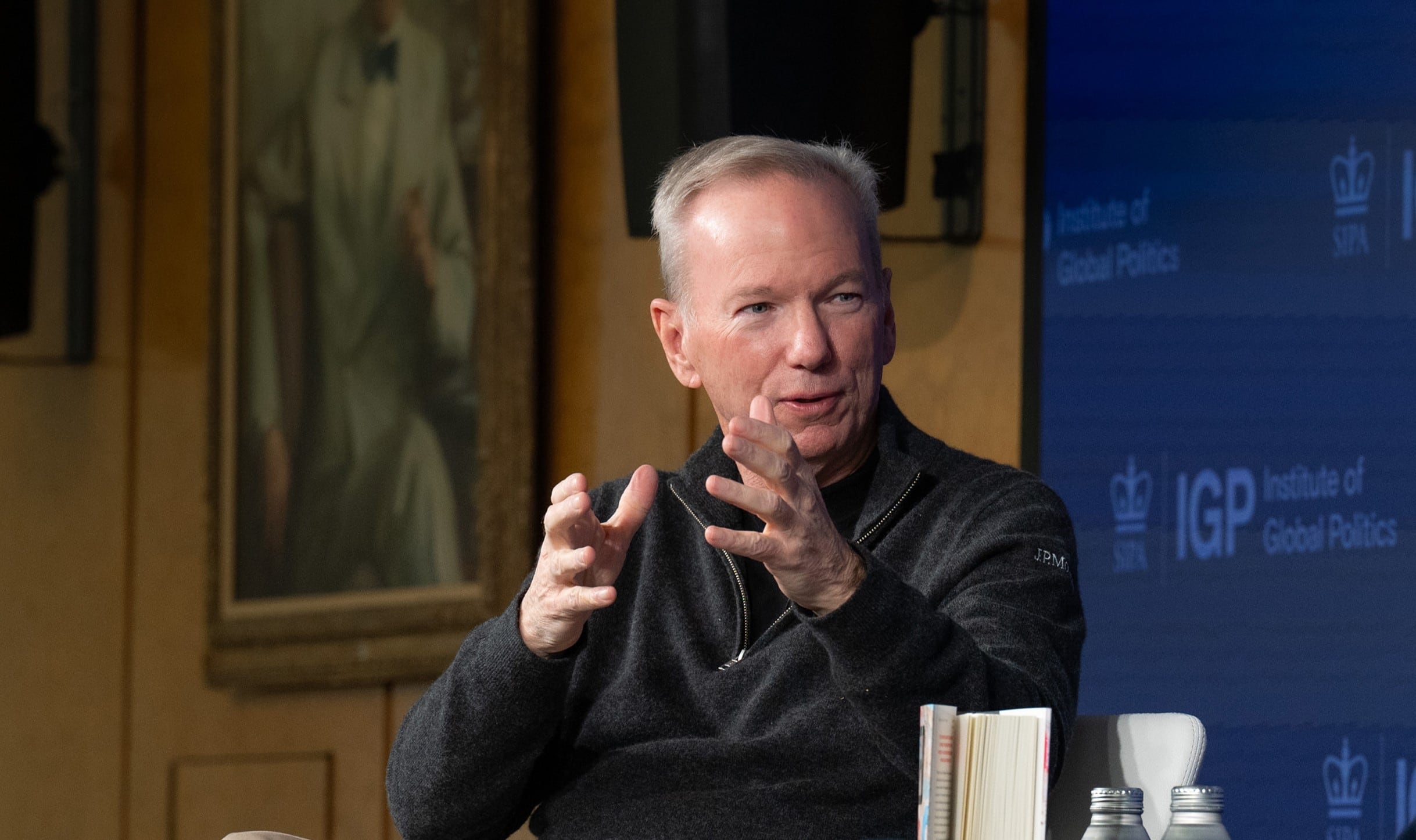
The booing of AI in Florida wasn’t the only such incident at American universities over the weekend. Eric Schmidt, former CEO of Google, was presiding over the commencement ceremony at the University of Arizona before thousands of students. Schmidt uttered phrases that young people have heard a thousand times before: “The question isn’t whether AI will shape the world. It will. The question is whether you will help shape AI,” he said. He continued: “AI will affect everything, whichever path you choose.” And he was booed.

The reasons for the jeers will be varied: from fear of an uncertain future to weariness with the evangelical rhetoric surrounding AI. Just recently, at the University of Central Florida, there was controversy over a class called “Art of AI” for art students. One student argued that he pays tuition to learn skills, not to use a generative AI that would prevent him from then using those skills.

This trend is reflected in recent polls. Over the past year, according to a Gallup survey published in April in the U.S., Generation Z’s sentiment toward AI has become more negative. The percentage of young people enthusiastic about AI has fallen 14 points to 22%, while those angry about it have risen nine points to 31%. Anxiety about AI remains stable at 42%.

In a Pew Research global survey on AI, the generation most consistently concerned about the technology is those aged over 50. Those least concerned are the youngest, aged between 18 and 34. This pattern holds true, with a significant percentage difference of more than 24 points between younger and older generations in countries like Greece, Brazil, Argentina, Italy, and Japan. The United States, however, is the country where this difference is smallest: young people are almost as concerned as older generations about the emergence of AI in everyday life.

In another commencement address, music industry executive Scott Borchetta also had to defend himself against some heckling during his speech at Middle Tennessee State University: “This industry will change. It’s changed more in the last 10 years than in the 50 years prior. Streaming rewrote the economics. Social media rewrote the discovery model. AI is rewriting production while we sit here,” he said, eliciting some boos. Borchetta then went off-script: “I know, accept it. Like I said, it’s a tool. Either you can hear me now or you can pay me later. Do something. The things you learned here in your first year may already be obsolete.”

In the case of Schmidt, the booing was already anticipated. In 2025, a former lover accused him of rape, and he also appears in the Epstein files. University organizations had distributed leaflets encouraging the booing. To make matters worse, at their historic rival, Arizona State University, the graduation sponsor was actor Harrison Ford, who was being awarded an honorary doctorate for his environmental activism.

A university spokesperson told a local media outlet that Schmidt’s invitation was extended due to “recognition of his extraordinary leadership and global contributions” and because “he continues to drive research and discovery through important philanthropic and scientific initiatives, including collaborations that support key projects at the University of Arizona.”

Sign up for our weekly newsletter to get more English-language news coverage from EL PAÍS USA Edition

Continue Reading

Africa

Neanderthals Consumed Mollusks As Early As 115,000 Years Ago, Especially During The Colder Months

Published

on

neanderthals-consumed-mollusks-as-early-as-115,000-years-ago,-especially-during-the-colder-months

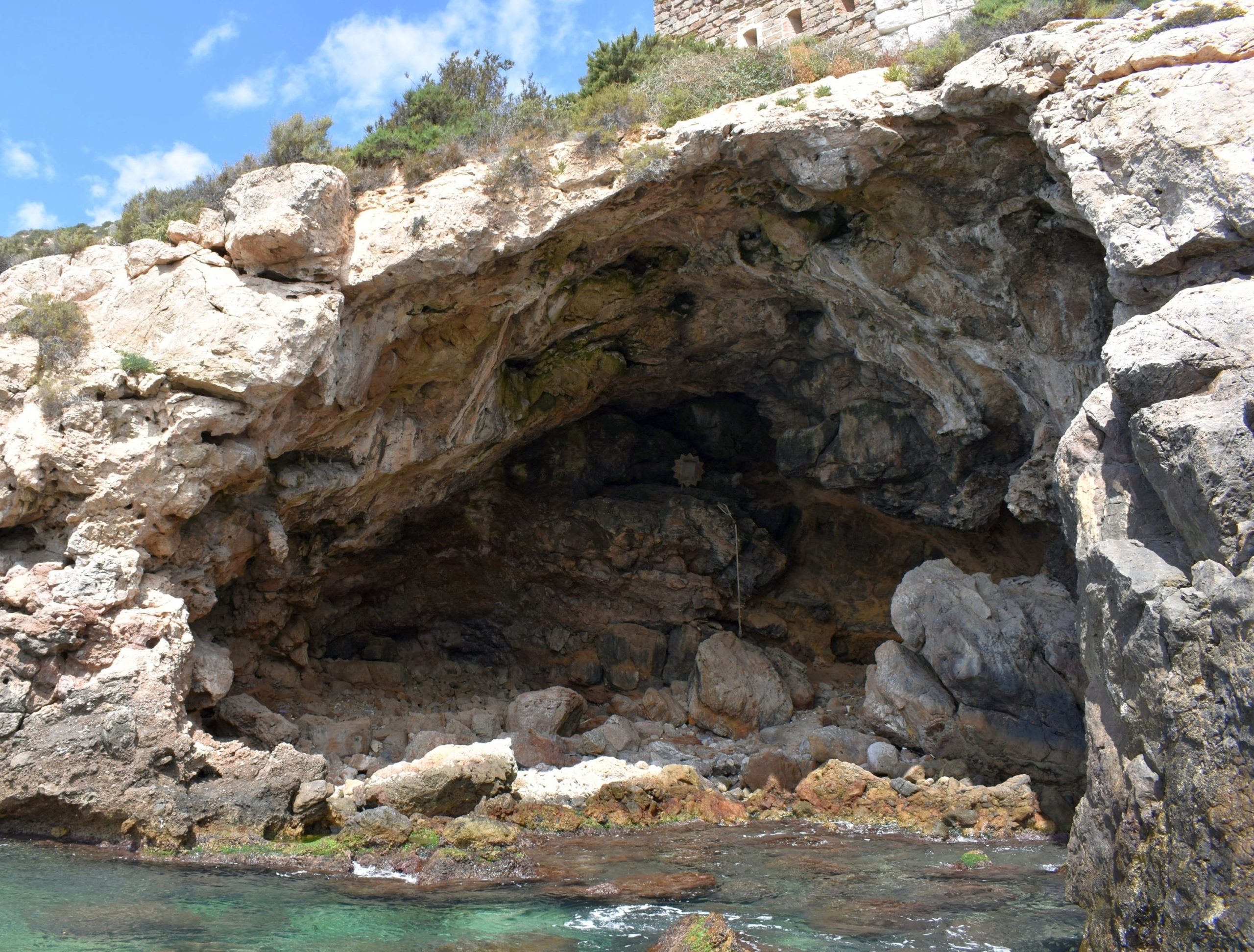
There was a time when researchers doubted that Neanderthals liked the beach. There was no trace of them in marine environments. It was suggested then that these were more complex ecosystems, requiring skills that only Homo sapiens, modern humans, possessed. Several studies have dismantled this ethnocentrism: Homo neanderthalensis had been feeding from the sea for many millennia before Homo sapiens arrived in Europe. Now, a new study published in PNAS shows that, around 115,000 years ago, in a Mediterranean cave, they used strategies that Homo sapiens would employ much later, such as gathering mollusks in the colder months, when the risk of contamination was minimal and their flavor at its peak.

“The Los Aviones cave was occupied year-round; we don’t know if permanently or not, but most likely not,” says Asier García-Escárzaga, a researcher at the University of Burgos and lead author of the study. The cave, near Cartagena (Murcia), now threatened by rising sea levels, was a refuge for Neanderthals for millennia. “There is exploitation throughout the year, but most of the mollusks, most of the shells, are collected during the colder months, that is, from late autumn, around November, until early spring, around April,” García-Escárzaga adds.

The dating of the stratum from which dozens of remains of two mollusk species were recovered indicates that they were collected approximately 115,000 years ago. The exact year cannot be determined, but the approximate month can be. Thanks to the analysis of oxygen present in the calcium carbonate that forms the shells, researchers were able to determine that, although harvested year-round, around 80% of the Mediterranean snails (Phorcus turbinatus) were consumed between November and April, and only 5% during the summer months. The percentage is similar for the ferruginous limpet (Patella ferruginea), the other mollusk included in this study.

“What’s relevant here is that this seasonal pattern is identical to the one we have for Homo sapiens populations in the Mesolithic and Neolithic periods, in the Mediterranean basin and the European Atlantic, 100,000 years later,” García-Escárzaga points out. For the authors, once the ornamental use of shells is ruled out (“There are no perforations or ochre remains, nor did they use these species,” the researcher adds), the key is that Neanderthals gathered these food resources according to the season.

Looking back, it seems logical that harvesting took place during the colder months. Today, in the southern mid-latitudes, this pattern is still followed for many mollusk species and most hard-shelled shellfish. Summer, with the rise in temperatures, brings algal blooms, such as the dreaded red tide, which makes harvesting mussels, for example, impossible. In the warmer months, in addition to the risk of algal or bacterial contamination, there’s the issue of preservation. But there’s another factor: they taste better in winter.

“The reproductive cycle of Phorcus turbinatus may have had significant implications for its seasonal exploitation,” notes Arnaldo Marín, a marine biologist at the University of Murcia and co-author of the study. The maturity of the Mediterranean snail’s gonads reaches its peak during the colder months, “a time when the digestive gland-gonad complex exhibits high development and a high accumulation of energy reserves, especially lipids and proteins associated with gamete production,” Marín adds. Conversely, at the end of spring, after spawning, the individuals experience a marked reduction in gonadal content, coinciding with the warmer months, leaving the reproductive system practically empty and decreasing the animal’s nutritional value. “These seasonal variations suggest that the harvesting of P. turbinatus by Neanderthals may have been concentrated primarily in the periods prior to spawning, when energy and nutritional yields were at their highest,” he concludes.

There is no direct evidence that Neanderthals ate mollusks in the colder months because they tasted better, but there is no evidence to the contrary either. And what is known points to the former. In Mediterranean snails, their high fat content and flavor are closely linked to the reproductive cycle. “This pattern is also known in other marine mollusks, such as oysters, mussels, and sea urchins, where they are traditionally considered better before the breeding season,” the biologist notes. In fact, many traditional fishing practices and shellfish harvesting seasons coincide with these periods of peak physiological condition.

According to Miguel Cortés, professor of prehistory at the University of Seville, there is an alternative hypothesis to explain seasonal consumption: “In these latitudes, such as the region of the Los Aviones cave, Neanderthals could have gone up into the mountains in summer and, in winter, gone to the coast to avoid the cold and ate whatever was available,” he suggests. 115,000 years ago, the climate was similar to today’s, although the beginning of the Würm glaciation, the last Ice Age, was already approaching.

Cortés was one of the authors of a paper that caused a stir among scholars of human evolution. In 2011, they published a study on mollusks collected in a cave on the Málaga coast. They were over 150,000 years old. This implies that Neanderthals were consuming marine resources in Europe at least at the same time that modern humans were doing so in southern Africa. “It was very difficult for us to get it published. The [paleoanthropological] community, dominated by Anglo-Saxons, didn’t buy it,” Cortés recalls. In their then-dominant thesis on human origins, “the consumption of seafood could have helped the development of the modern human brain and its evolution,” he adds. And the findings in several caves over the last two decades, all on the Iberian Peninsula, of Neanderthals collecting shellfish and mollusks have dismantled their narrative.

Sign up for our weekly newsletter to get more English-language news coverage from EL PAÍS USA Edition

Continue Reading

Andrés Manuel López Obrador

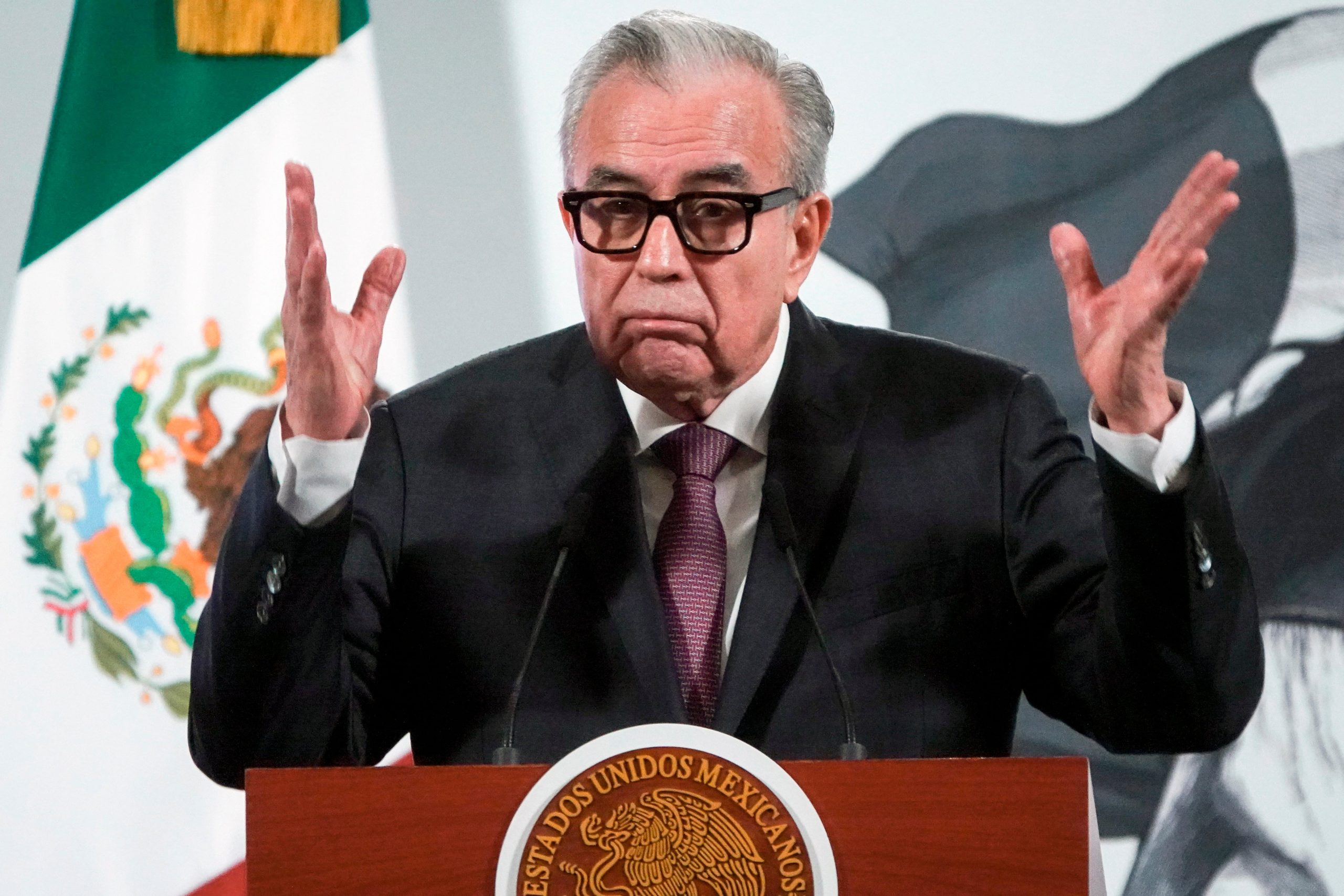
Sinaloa Governor, Subject Of US Investigation, Stands Alone Under Allegations Of Cartel Ties

Published

on

sinaloa-governor,-subject-of-us-investigation,-stands-alone-under-allegations-of-cartel-ties

The political crisis in the Mexican state of Sinaloa has begun to shift the landscape within the ruling party, Morena. The accusations made by U.S. authorities against Rubén Rocha Moya, the governor of Sinaloa who has been granted a temporary leave of absence, and nine current and former officials in his inner circle, allegedly linked to the Sinaloa Cartel, have set off alarm bells within the ruling party and prompted a quiet but profound shift in its political strategy. The directive is no longer to close ranks, but rather to stand firm in defense of sovereignty as a rhetorical device to navigate the controversy that has damaged the credibility of the ruling party and its moral message of not lying, not stealing, and not betraying, a message inherited from Andrés Manuel López Obrador.

At the center of the storm are several key figures. Senator Enrique Inzunza, former secretary of government and a close confidant of Rocha Moya; former secretary of security Gerardo Mérida; and former secretary of finance Enrique Díaz, the latter two currently in U.S. custody. Adding to the intrigue is the freezing of Rocha’s accounts and those of the other individuals allegedly implicated in the indictment filed by New York prosecutors. The Financial Intelligence Unit of the Ministry of Finance carried out the operation, which was confirmed this Monday by President Claudia Sheinbaum, who clarified that it was a preventative measure. These events have proven a catalyst, increasing the pressure on the Morena leadership. Within Morena circles, there is private admission that the case has become a threat to Sheinbaum’s project and to the party itself.

The fear lies not only in the media fallout, but also in the possibility that the Sinaloa case will become an international narrative about alleged links between the ruling party and organized crime. This comes just as the Sheinbaum administration is trying to build political stability and legitimacy in the eyes of Washington. Added to this, Morena faces the 2027 elections, in which hundreds of positions will be up for grabs, including the governorship of Sinaloa. The crisis has, for now, left the party without one of its candidates in the state, Senator Inzunza, who has seen the door to the nomination closed to him.

The discourse has shifted in recent days. Where there was once a defensive tone, arguing that there was no evidence, a more calculated stance now prevails. “We will respect the outcome of the Attorney General’s investigation [against Rocha Moya] and act accordingly without covering for anyone,” said Morena leader Ariadna Montiel on Monday when questioned about the decision to freeze the accounts of the governor on leave.

The message conveyed at various levels within Morena and the federal government, according to sources consulted by this newspaper, is: do not defend anyone personally, avoid direct confrontations with the United States, and focus the discourse on three main points: the defense of sovereignty, rejection of interventionism, and the demand that “whoever needs to be investigated” be investigated.

The change can even be detected in Sheinbaum’s tone. On Monday the president avoided mentioning Rocha Moya at all costs, even when confirming that his bank accounts had been frozen. A statement from the Finance Ministry also omitted him and referred to the accused as “politically exposed persons from Sinaloa.”

The president has sought to downplay the idea that the case politically compromises Morena. However, those within the ruling party know that the problem won’t disappear with mere rhetoric. Revelations about the arrest or extradition of former Sinaloa officials in the U.S. have tightened the net around the governor. Morena’s main concern is that the U.S. investigations will extend to more active political figures and trigger a domino effect on other regional leaders.

In this context, Rocha Moya is beginning to run out of political room to maneuver. Federal legislators have been advised not to engage in debates about the Sinaloa governor’s innocence or guilt. Within the party, there is a growing perception that the governor could end up isolated from Morena if pressure from Washington escalates.

This retreat, however, does not signify an open break. Morena is trying to walk a fine line. On the one hand, it seeks to avoid any appearance of cover-up; on the other, it also does not want to unconditionally validate the investigations by the Donald Trump administration or fuel the narrative of subservience to Washington. Hence the emphasis on defending sovereignty and non-intervention.

On another front, Morena is desperately trying to shift the political spotlight to Chihuahua. First, with an offensive to push for impeachment proceedings against National Action Party (PAN) Governor Maru Campos over the case of the two CIA agents killed in an operation in which they allegedly participated irregularly. And now, with a barrage of accusations against the state government for the alleged misuse of public funds to block roads and plant PAN propaganda on government buildings. All of this is happening against the backdrop of the march against the governor led over the weekend by Montiel and Andrés Manuel López Beltrán.

Within the party, the idea has taken hold that the priority is surviving the crisis with minimal collateral damage. As the legal and political net tightens around Rocha Moya’s group, Morena is beginning to explore an emergency solution: allowing the investigations to run their course and accepting the results, whatever they may be, thus reducing costs for the federal government and preventing the Sinaloa case from dominating the political and electoral landscape. The goal is to prevent the perception that organized crime has infiltrated the heart of Morena from taking hold.

Sign up for our weekly newsletter to get more English-language news coverage from EL PAÍS USA Edition

Continue Reading

Trending

Copyright © 2017 Spanish Property & News