Connect with us

News from Spain

Why Spain fined a travel giant €14m over privacy

Published

on

Using traveller booking data to build customer profiles without a sufficient legal basis
Credit: Pexels/LeelooThe First

Spain’s data protection watchdog has handed travel technology giant Amadeus a €14.4 million fine after ruling that a pilot project used traveller booking data to build customer profiles without a sufficient legal basis and without properly informing those affected.

The penalty was imposed by Spain’s data protection authority, the Agencia Española de Protección de Datos (AEPD), following an investigation that began after an anonymous complaint was filed in 2023. The case centred on a pilot programme that analysed passenger booking information collected through Amadeus’ global distribution system, one of the world’s largest travel booking networks used by airlines and travel agencies.

What was Amadeus accused of?

According to the regulator, the project brought together booking information from airlines, travel agents and hotel partners to create traveller profiles based on booking histories and travel behaviour. The investigation found that passenger name record (PNR) data dating back to 2019 was used, including records that had been stored for several years after the original trips took place.

The AEPD concluded that the project breached key provisions of the EU’s General Data Protection Regulation (GDPR), specifically rules covering transparency and the lawful processing of personal data. Regulators argued that travellers were not adequately informed that their data could be used in this way and that the company lacked a valid legal basis for the profiling activity.

Why this matters to travellers

For many consumers, booking a flight or hotel means providing personal information with the expectation that it will be used to complete their reservation. The case highlights growing concerns about how travel companies use customer data beyond the original booking process.

Privacy regulators across Europe have become increasingly active in policing the use of personal information, particularly where profiling and behavioural analysis are involved. Spain’s regulator has significantly increased both the number and value of fines issued in recent years as GDPR enforcement intensifies.

Fine reduced after payment

The original penalty was set at €18 million. However, the amount was reduced by 20 per cent to €14.4 million after Amadeus opted to make a voluntary payment. The company did so without admitting liability.

The ruling serves as a reminder that companies operating in Europe face increasing scrutiny over how they collect, store and analyse customer information. For travellers, it is another example of regulators taking a tougher stance on the use of personal data in the digital age.

aemet

Spain weather forecast: Record warm Mediterranean & Heat Dome bring midsummer feel for June’s arrival
Published

on

By

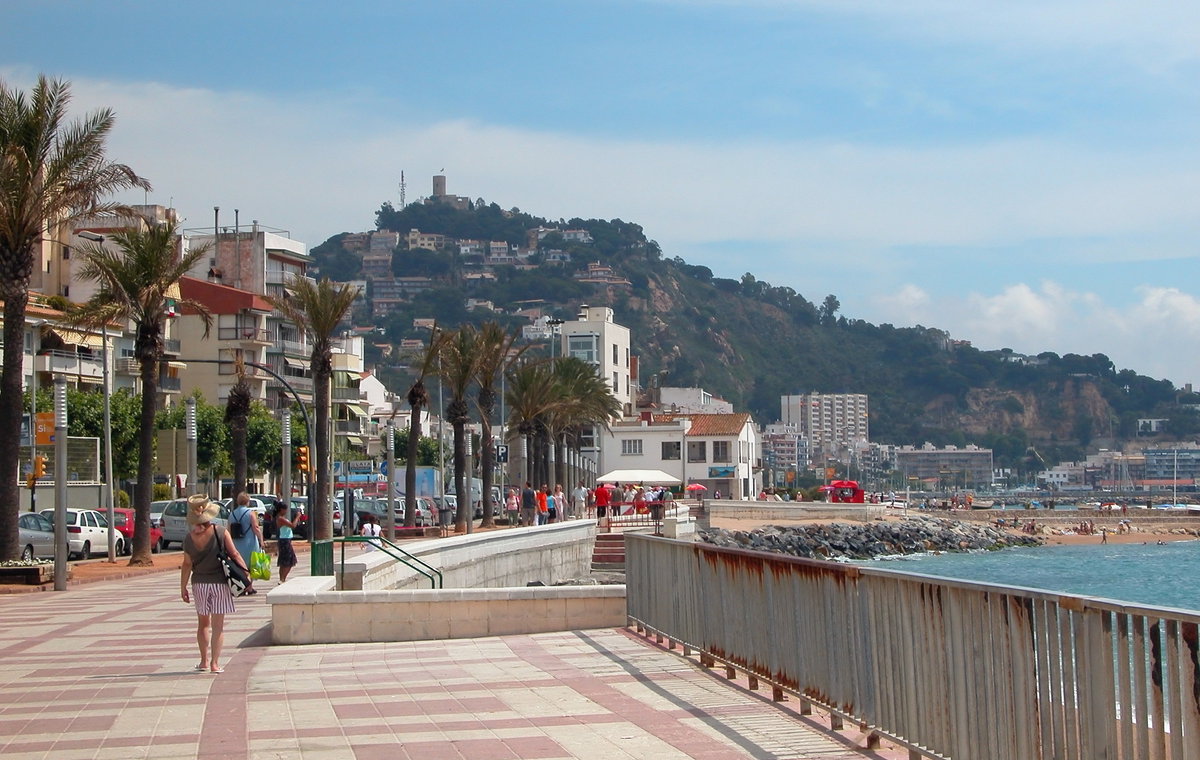
Little relief from muggy weather in Spain.
Credit: Stanislaw Tokarski – Shutterstock

High pressure associated with the current heat dome continues to dominate conditions across the Mediterranean coastal belt in Spain for the weekend ahead. Coastal Spain from the Costa del Sol to the Costa Blanca and Mallorca will experience continued midsummer-like warmth, according to AEMET, the state meteorological service. Abnormally high sea surface temperatures are set to add even more intensity to the Spanish heat wave and limit overnight relief.

Unprecedented Mediterranean sea temperatures increase the warmth

Sea temperatures around the Spanish Mediterranean coast and Balearic Islands are now at levels never recorded for late May since at least 1940, according to AEMET data. Readings in the Balearic Sea near Mallorca reach 25.5°C at some buoys, while areas off Valencia are registering 23°C and near Cabo de Palos stand at 22°C. These values run 3 to 5°C above seasonal averages. Such warmth reduces the cooling effect of sea breezes and promotes a feel of more frequent tropical nights across coastal communities and nearby inland spots. Humidity levels stay high as a result and contribute directly to the muggy feel.

Peak daytime temperatures and increasing night-time warmth expected

Daytime temperatures climb to their highest points over the weekend, with Vega Baja zones touching 37°C at the peak of this phase on Saturday. Coastal stretches from Murcia to Malaga register strong values, while the hot sea influence keeps direct shoreline spots a touch lower than immediate inland spots. Night-time temperatures are showing steady increases day by day and delivering limited recovery from the daytime heat.

Slight moderation followed by renewed heat

A modest easing arrives briefly by Sunday, 31 May, with light showers possible mainly in inland Almeria areas and patchy cloud drifting across coastal belts including Mallorca. Daytime highs settle at around 36°C in Murcia and 30°C in Malaga during this interval. Conditions stay mostly dry in all areas. Temperatures then climb again approaching the transition into June.

After that, a sweltering heatwave looks set to take hold across the entire corridor in the opening days of the month. So, keep hydrated, as already in recent weeks over 30 deaths have already been attributed to the unusually hot weather for the time of year, in Spain. Take advantage of the early summer, as a hot Mediterranean Sea signals impending summer storms later on .

Continue Reading

%

British Man, 37, Dies After Fight In Tenerife Nightlife Strip

Published

on

british-man,-37,-dies-after-fight-in-tenerife-nightlife-strip

The man was confirmed dead at the location in the early hours of the morning. Photo credit: Salvador Aznar/Shutterstock

A 37-year-old British man has died following a violent altercation in the Las Verónicas nightlife area of Playa de las Américas, in southern Tenerife. The incident occurred during the early hours of Thursday in one of the island’s busiest entertainment districts, an area known for its concentration of bars, clubs and late-night venues that attract large numbers of international visitors, particularly British tourists.

Emergency services were called to the scene after reports of a fight between two men in the area. Despite rapid intervention by paramedics, the man was pronounced dead shortly afterwards. Local police confirmed that the incident involved two British nationals and took place on the street outside nightlife venues in the area.

Arrest of 23-year-old British man

Spanish Policía Nacional arrested a 23-year-old British man shortly after the incident in connection with the death. According to information reported in Spanish media based on police sources, the two men were involved in a confrontation that escalated into a physical fight. Officers detained the suspect at the scene or in its immediate vicinity following the incident.

Authorities have not released the names of either individual. It has also not been confirmed whether the victim or suspect were residents of Tenerife or visiting tourists, although the area is a well-known holiday destination for British travellers. The suspect remains in police custody while investigations continue.

Emergency response and attempts to save life

Emergency medical personnel were deployed to Las Verónicas after receiving alerts about a serious assault. Paramedics carried out advanced resuscitation efforts at the scene, attempting to stabilise the victim. Despite these efforts, the man was confirmed dead at the location in the early hours of the morning. His death was certified shortly after emergency crews arrived.

Local emergency services also secured the area while police began their initial investigation, including gathering witness accounts from people in nearby bars and streets. Parts of the nightlife strip were temporarily cordoned off while forensic officers examined the scene.

Early reports suggest a single strike

Preliminary reporting from the media, citing police sources, indicates that the confrontation escalated rapidly and may have involved a single decisive blow during the fight. According to these early accounts, one of the men struck the other during the altercation, after which the victim collapsed. Emergency responders later found him in cardiac arrest.

The precise cause of death will be determined following a post-mortem examination. Authorities have not officially confirmed the exact medical cause at this stage. Investigators have not disclosed what led to the argument or whether alcohol, prior contact, or external factors played a role in the dispute.

Police investigation ongoing

The Spanish Policía Nacional have opened a full investigation into the circumstances surrounding the incident. Officers are working to reconstruct the timeline of events leading up to the confrontation and the fatal outcome. As part of the investigation, police are reviewing CCTV footage from surrounding nightlife venues and street cameras in the Las Verónicas area.

Statements from witnesses are also being collected, including from staff at nearby bars and clubs. The suspect remains in custody while investigators prepare reports for judicial authorities. Further legal proceedings will depend on forensic findings and the outcome of the investigation.

Las Verónicas nightlife district

Las Verónicas, located in Playa de las Américas in southern Tenerife, is one of the island’s most well-known nightlife zones. It is particularly popular with British and European holidaymakers and features a dense concentration of bars, clubs and late-night entertainment venues.

The area attracts thousands of visitors, especially during peak holiday periods. Local authorities have previously increased policing in the district due to incidents associated with nightlife activity, although serious violent cases remain relatively uncommon compared with overall visitor numbers. The incident has drawn attention due to the fatal outcome and the involvement of two British nationals in a popular tourist area.

No further official details released

At the time of reporting, authorities have not released the identity of the victim or confirmed whether he was travelling in Tenerife as a tourist. Officials have also not provided further details on the relationship between the two men, if any existed prior to the incident.

The investigation remains active, and further updates are expected once forensic analysis, witness statements and CCTV evidence have been fully reviewed by investigators.

Continue Reading

%

Cycling Tourism Expands With New 2,500km Route Across Cataluña

Published

on

cycling-tourism-expands-with-new-2,500km-route-across-cataluna

The route makes use of Cataluña’s existing network of roads and cycling-accessible routes. Photo credit: foto_and_video/Shutterstock

Cataluña has launched a long-distance cycling route known as the Grand Tour of Cataluña, a circular itinerary of approximately 2,500 kilometres divided into 13 stages. The route has been presented as one of the region’s major cycling tourism projects, designed to promote extended cycling travel across different landscapes in northeastern Spain.

The initiative is aimed at cyclists interested in long-distance touring, combining multiple existing roads, cycling-friendly routes and regional connections into a single structured itinerary. The project reflects the growing popularity of cycling tourism in Spain, particularly in regions with varied terrain such as Cataluña, where coastal areas, inland valleys and mountain ranges can be linked within a single journey.

A 13-stage cycling route across varied terrain

The Grand Tour is structured into 13 stages, allowing cyclists to divide the full 2,500-kilometre route into manageable sections. Each stage covers different parts of Cataluña, including coastal stretches, rural interior zones and mountainous regions.

The total distance refers to completing the entire itinerary from start to finish. However, cyclists are not required to complete all stages, as the route is designed to be flexible and adaptable depending on time, fitness level and travel plans. The staged format allows riders to approach the route either as a full multi-week cycling challenge or as individual segments completed separately over time.

Built using existing roads and cycling infrastructure

The route makes use of Cataluña’s existing network of roads and cycling-accessible routes. It does not rely on newly constructed infrastructure, but instead connects established roads, secondary routes and regional cycling paths into a continuous long-distance itinerary.

This means conditions vary across the route depending on terrain and local infrastructure. Some sections follow quieter rural roads, while others pass through more developed areas with greater traffic. The design focuses on linking existing points of interest rather than creating a completely separated cycling highway.

Designed for cycling tourism and long-distance travel

The Grand Tour of Cataluña is aimed at both domestic and international cyclists. It forms part of a broader effort to promote Cataluña as a destination for cycling tourism, building on its established reputation among amateur and professional riders.

The route is not competitive and does not include timing or race elements. Instead, it is intended as a touring experience, allowing cyclists to travel at their own pace while exploring different regions.

It is designed for endurance cyclists, cycle tourists and enthusiasts who want to undertake multi-day or multi-week rides across varied terrain.

Promoting cycling across the region

One of the key objectives of the route is to distribute cycling tourism more evenly across Cataluña. By connecting coastal areas, inland regions and mountain zones, the itinerary encourages visitors to explore beyond the most heavily visited tourist centres.

This approach is intended to support local economies in smaller towns and rural areas, where cycling tourism can provide seasonal economic benefits. It also aligns with broader sustainability goals by encouraging active travel and low-impact tourism.

A flexible structure for different types of cyclists

The 13-stage structure allows cyclists to adapt the route to their needs. Some may choose to complete the full itinerary over an extended period, while others may focus on individual sections that suit their ability or interests.

The route can be integrated into existing cycling holidays or used as a standalone long-distance challenge. Digital mapping and route-planning tools help cyclists organise stages and plan logistics such as accommodation and elevation changes.

Cataluña as a cycling destination

Cataluña is already a well-known destination for cycling due to its varied geography and established cycling culture. The region regularly hosts professional cycling events and attracts amateur cyclists from across Europe.

The Grand Tour builds on this reputation by offering a structured long-distance route that highlights the diversity of the region’s landscapes, from Mediterranean coastline to Pyrenean mountain terrain.

A major addition to Spain’s cycling tourism offering

The 2,500-kilometre, 13-stage route positions Cataluña as a key destination for cycling tourism in Spain. It provides a framework for long-distance exploration that connects multiple regions into a single organised experience.

For cyclists, it offers both a full endurance challenge and a modular system of shorter routes, reinforcing Cataluña’s role as one of Europe’s leading cycling destinations.

Continue Reading

Trending

Copyright © 2017 Spanish Property & News