
Due diligence
Another Ecopark dispute emerges in Alicante province

After SPI reported on the Ecoparc dispute in Moraira, readers got in touch about a remarkably similar controversy in Dolores. The lesson? Always do your location due diligence.
Last week SPI reported on an Ecopark dispute in Moraira, where local residents are challenging the location of a proposed Ecopark waste collection facility close to residential properties.
That article generated an interesting response.
Almost immediately, I was contacted by readers in Dolores, another municipality in Alicante province, who say they are facing a similar problem.
Residents raise concerns in Dolores
According to residents and property owners affected by the project, an Ecoparc is being constructed close to existing and planned housing developments. They stress that they are not opposed to recycling facilities in principle, but object to what they consider an inappropriate location and a lack of transparency during the planning process.
Among their concerns are the proximity of the facility to homes and residential plots, the impact on the surrounding area, and what they describe as inadequate consultation with affected residents before construction began.
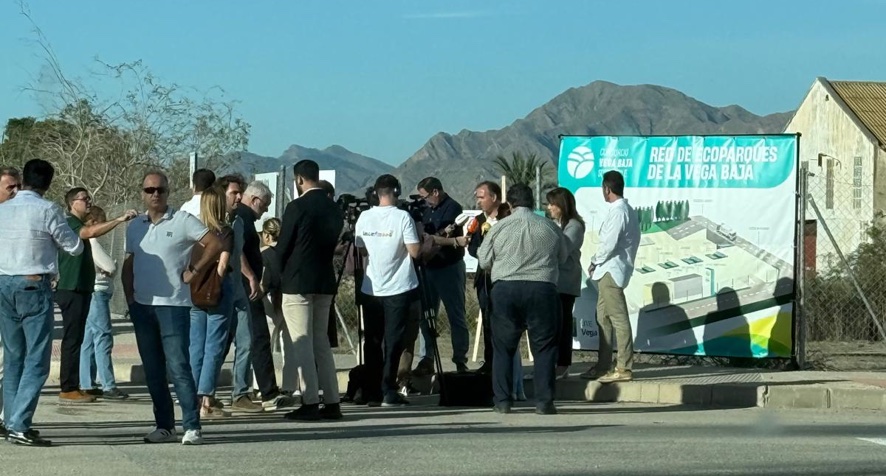
The residents claim they only became fully aware of the project when a sign appeared on the site in October 2025 during a media visit. They argue that information about the project was difficult to obtain, and that they had to pursue various administrative channels, including complaints to the Ombudsman, to gain access to documentation.
The dispute has become sufficiently serious that one housing development project in the area has reportedly been put on hold because of concerns about the Ecoparc’s location. Residents say the issue has generated petitions, protests, council meeting confrontations and legal actions.
The other side of the argument
As with the Moraira case, there is more than one side to the story. Local authorities argue that modern Ecoparcs are necessary public infrastructure that improve recycling services, reduce illegal dumping and provide an important amenity for residents. Supporters also point out that every municipality needs waste management facilities somewhere.
The purpose of highlighting these disputes is not to take sides. The courts, local authorities and ultimately voters will decide whether these projects have been handled appropriately.
A broader lesson for buyers
The real lesson is something different.
When SPI published the Moraira story, I assumed it was an isolated local controversy. Within days, readers alerted me to a similar dispute elsewhere in the same province. That immediately raises an obvious question: how many other planning disputes, infrastructure projects, development proposals and neighbourhood controversies are unfolding around Spain without appearing on the radar of potential buyers?
A buyer considering a property in one of these areas today might decide the concerns are justified. Equally, they might conclude that the facilities will have little impact once operational. Some may choose to proceed, while others may prefer to wait until the situation is resolved.
All of those decisions are reasonable.
Why due diligence matters
What is not reasonable is making a six or seven-figure property decision without even knowing the issue exists.
This is exactly why location due diligence matters.
In the age of AI, investigating a location has become dramatically easier than in the days of endless Google searches. Local news reports, planning disputes, council decisions, neighbourhood campaigns, environmental concerns and infrastructure projects can often be identified in minutes rather than days.
No due diligence process can eliminate every risk. But it can help ensure that buyers and sellers are not caught by surprise.
The Moraira and Dolores disputes may ultimately have very different outcomes. But together they illustrate an important point: what matters is not just the property you buy, but also what is happening around it.
Before buying property in Spain, every buyer should carry out proper location due diligence.
SPI’s guide to location due diligence explains how.













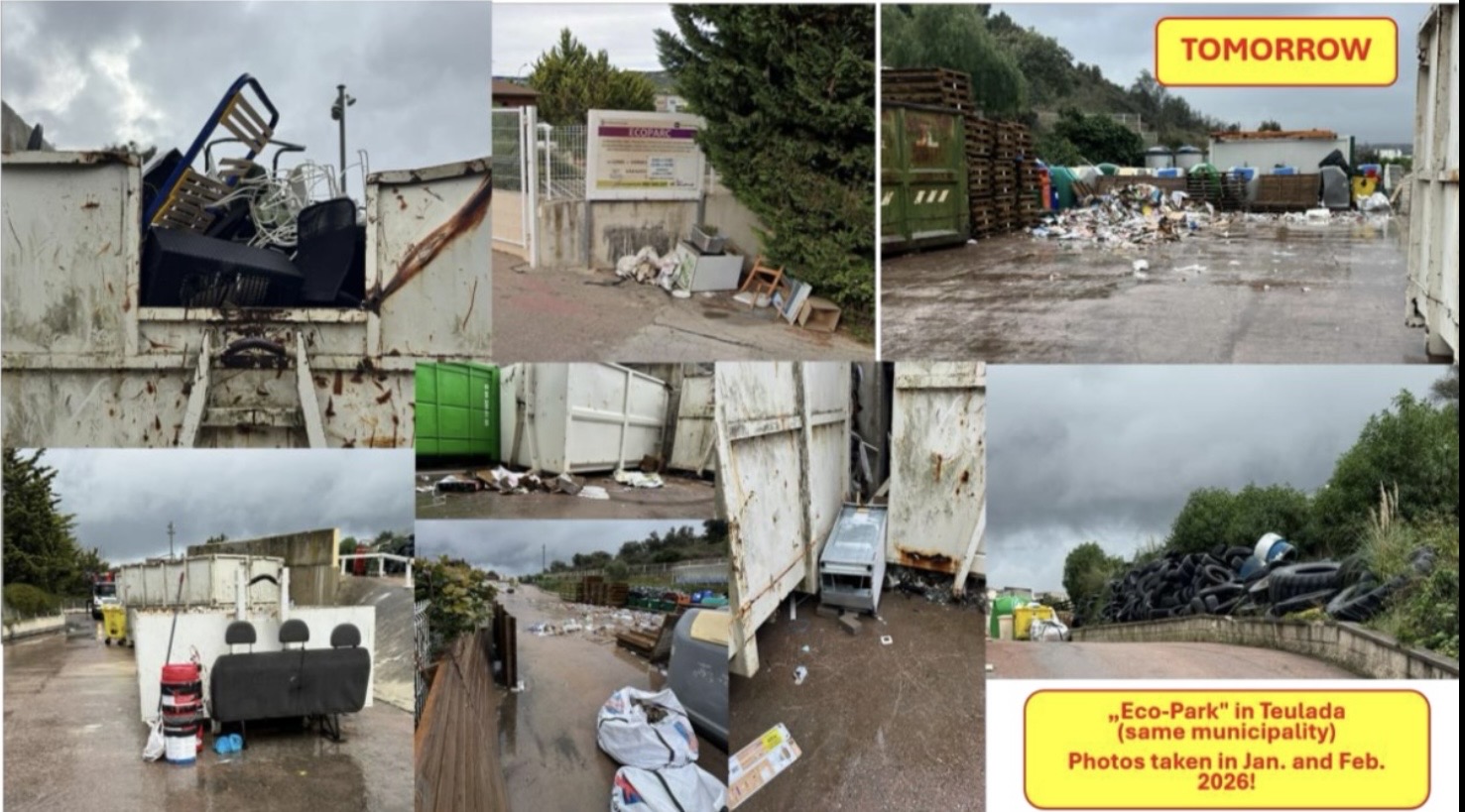
A dispute over plans for a new ecopark waste collection facility in a residential area of Moraira on the Costa Blanca highlights an important lesson for anyone buying or selling property in Spain: location due diligence matters.
A group of local residents has launched legal action in an attempt to halt the project, arguing that the proposed facility is too close to homes and could negatively affect quality of life in the surrounding area. Residents have raised concerns about construction disruption, traffic, noise, waste handling activities and the potential impact on nearby properties. The dispute has become particularly contentious because some homes are located very close to the proposed site.
For homeowners living nearby, the uncertainty is understandably difficult. Even before the courts have ruled, the debate itself has become a source of concern for some residents who fear the project could alter the character of their neighbourhood.
However, there is more than one side to the story.
According to local press reports, Teulada-Moraira Council argues that the facility (el ecoparque de la calle Oviedo) will improve local recycling services, reduce illegal dumping and provide an important public amenity for residents and visitors. The council reportedly maintains that the location is technically suitable for the necessary infrastructure and that the facility has been designed to operate without causing significant nuisance to neighbouring properties.
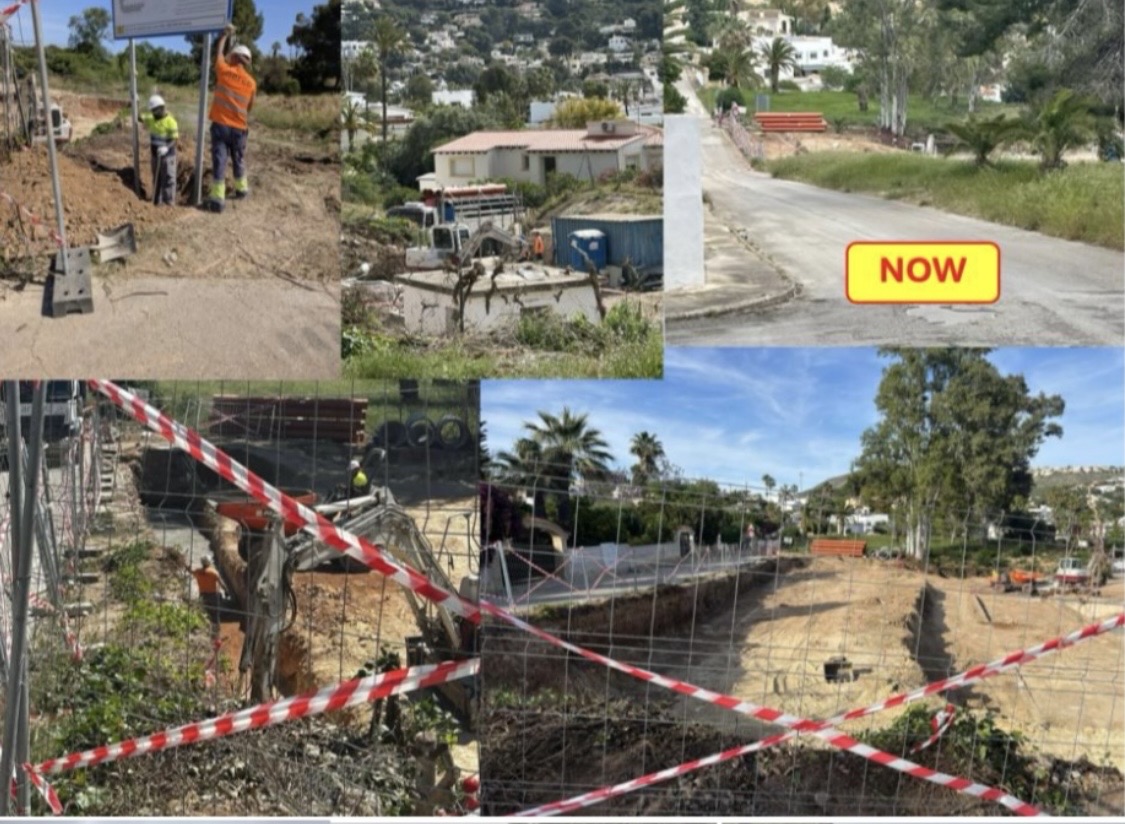
The courts will ultimately decide whether the project can proceed, but from a property perspective the case highlights a broader issue. Buyers considering a property in the immediate vicinity of the project today face a decision. They may conclude that the residents’ concerns are justified. Equally, they may conclude that the council’s assessment is correct and that the facility will have little impact once operational.
Some buyers might proceed without hesitation. Others might prefer to wait until the legal challenge has been resolved. Both positions are perfectly reasonable.
The key point is that buyers can only make an informed decision if they know the issue exists in the first place.
Location due diligence is crucial for buyers
This is where location due diligence comes in.
Many buyers focus on the property itself—its condition, legal paperwork, taxes and ownership history. Yet factors outside the property can sometimes have an equal or greater impact on future enjoyment, marketability and value. Planning disputes, infrastructure projects, proposed developments, environmental concerns and local political controversies can all shape how an area evolves over time.
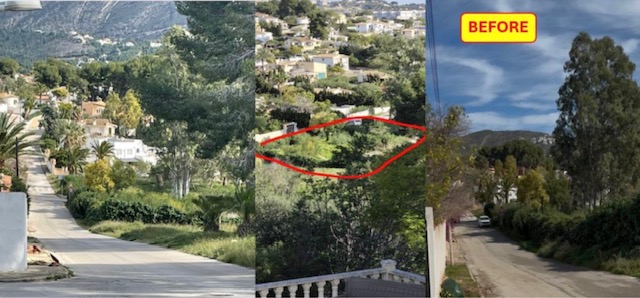
The good news is that carrying out this type of research has become far easier in the age of AI. In the past, uncovering local issues often required hours of searching through newspapers, planning documents and local forums. Today, modern AI tools can rapidly scan multiple information sources and help identify issues that may deserve further investigation.
No due diligence process can eliminate uncertainty, but it can help buyers and sellers avoid being caught by surprise.
The Moraira Ecoparc dispute is a reminder that understanding a property means understanding its surroundings as well. Whether buying, selling or simply keeping an eye on your local market, it pays to know what is happening beyond the garden fence.
For readers who want to learn more, SPI’s guide to location due diligence explains how to investigate local issues, planning risks and neighbourhood factors before making a property decision.
Anti-ecopark bigger picture
Whatever the eventual outcome in Moraira, the residents behind the legal challenge argue that the dispute raises issues that extend well beyond a single neighbourhood. They say it touches on wider questions of transparency, public consultation, and the ability of local communities to influence decisions that affect their health, safety and quality of life.
As one resident put it: “Today it is our neighbourhood. Tomorrow it could be any other.”
The group is currently raising funds to help cover legal and court costs. Anyone wishing to support
their campaign can contribute here.
Further information is available via the residents’ Facebook group page here.

How A British Single Mother Took On The Male-Dominated Expat Insurance Sector To Build An Empire On The Costa Del Sol

Spain Welcomes Cooler Temperatures After Historic Heat Wave That Sent June Records Tumbling Across The Country

Coin Open Air Summer Festival 2026
A major EU border system goes live today – What changes for travellers?
El Pentágono, Evacuado Por Una Falsa Alarma Ante La Sospecha De Un “incidente Con Materiales Peligrosos”

Barcelona Tests Olive Pit Asphalt That Could Transform How Cities Build Roads


-
EU rules2 weeks ago
A major EU border system goes live today – What changes for travellers?
-
America2 weeks ago
El Pentágono, Evacuado Por Una Falsa Alarma Ante La Sospecha De Un “incidente Con Materiales Peligrosos”
-
 %2 weeks ago
Barcelona Tests Olive Pit Asphalt That Could Transform How Cities Build Roads
-
european airport delays2 weeks ago
1,225 delays at major European airports raise summer warning for Spain travellers
-
Indian Embassy2 weeks ago
Indian Embassy International Yoga Day 2026, where you can celebrate across Spain
-
Antártida2 weeks ago
El ‘Hondius’ Zarpa De Nuevo: El Crucero Que Sufrió El Hantavirus Viaja Al Ártico Cargado Con Empleados
-
Costa Blanca North2 weeks ago
Free beach Zumba returns to Calpe for the summer 2026 season
-
Costa del Sol2 weeks ago
Torremolinos installs smart traffic lights on its beaches to warn about UV radiation levels