
europe heatwave
Spain closes beaches as ‘flesh eating’ bacteria spreads in warmer seas across Europe

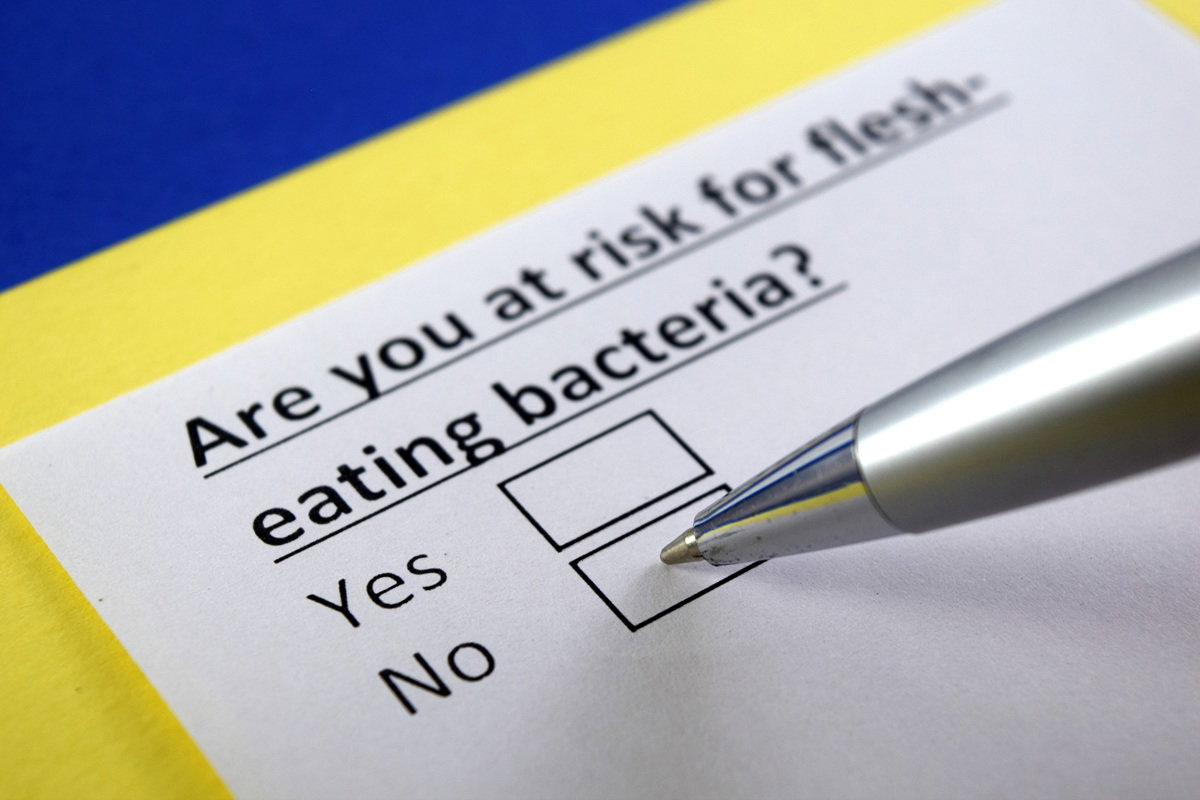
Health experts say simple precautions can help reduce the risk of Vibrio infection.
Credit : Yeexin Richelle, Shutterstock
A marine bacteria often referred to as the ‘flesh eating bacteria’ is being detected in more European coastal waters as sea temperatures continue to rise, prompting health authorities to step up surveillance and, in some cases, leading to temporary beach closures in Spain.
The bacteria, known as Vibrio, is still considered rare, but experts say hotter summers and warmer seas are creating the perfect conditions for it to survive in places where it was once uncommon. For millions of people heading to the coast this summer, the message is not to avoid the beach, but to understand when the risk is higher and how to protect themselves.
The timing is no coincidence. Europe has just come through another intense heatwave, with sea temperatures climbing alongside the air temperature. Scientists have been warning for years that warmer oceans would allow certain marine bacteria to spread further north and remain active for longer. According to the European Centre for Disease Prevention and Control (ECDC), that shift is already happening.
Why warmer seas are helping Vibrio reach more European beaches
Unlike pollution or harmful algae, Vibrio is not something that suddenly appears because of a single event. It is a naturally occurring marine bacteria that has always existed in certain coastal waters.
What has changed is the environment around it.
The bacteria grows best in warm, brackish water, where seawater mixes with freshwater. Estuaries, lagoons and river mouths provide ideal conditions, especially when temperatures rise above 20C and salt levels remain relatively low.
As Europe’s seas continue to warm, those favourable conditions are becoming much more widespread.
Areas that were once too cold for Vibrio are gradually becoming suitable habitats, while places that already experienced the bacteria are seeing the season start earlier and finish later.
For scientists, this is one of the clearest signs of how rising sea temperatures are changing Europe’s coastline.
The Baltic Sea has traditionally been the best known example because its naturally low salinity makes it an ideal environment for the bacteria.
During the exceptionally hot summer of 2018, health authorities recorded 445 Vibrio infections around the Baltic, more than three times the average reported during previous years.
That surge led European health authorities to strengthen monitoring programmes, and in 2026 the ECDC expanded its surveillance by using satellite observations to identify coastal waters where temperatures and salinity create favourable conditions for the bacteria.
Researchers have also detected its presence in new areas, including parts of the North Sea and other stretches of the European coastline that historically reported very few cases.
Spain has already seen the consequences this summer.
Some beaches were temporarily closed after the bacteria was detected in coastal waters during periods of unusually warm sea temperatures, reflecting the growing attention authorities are giving to this issue.
How dangerous is the so called ‘flesh eating bacteria’?
The nickname attracts attention, but it can give the wrong impression. Most people who come into contact with Vibrio will never develop a serious illness.
The term “flesh eating bacteria” refers to one rare complication called necrotising fasciitis, a severe infection that rapidly destroys soft tissue and requires urgent medical treatment.
In a small number of cases, the bacteria can also enter the bloodstream and cause septicaemia, which can become life threatening.
These severe infections are uncommon, but the risk is higher for people with weakened immune systems, chronic liver disease or other health conditions that reduce the body’s ability to fight infection.
For healthy adults, Vibrio infections are generally much less severe and may involve stomach problems after eating contaminated seafood or skin infections if bacteria enter through an open wound.
Health experts stress that the vast majority of people swimming in the sea this summer will never encounter serious problems.
The growing concern is linked less to the severity of individual cases and more to the fact that the bacteria now has more opportunities to survive as European waters continue to warm.
The simple precautions health experts recommend this summer
The bacteria usually enters the body in one of two ways.
One is through raw or undercooked shellfish, particularly oysters harvested from contaminated coastal waters.
The other is when warm seawater comes into contact with broken skin. That includes cuts, grazes, surgical wounds, recent piercings or skin conditions that leave the protective barrier damaged.
For that reason, health authorities recommend avoiding swimming if you have an open wound. If entering the sea is unavoidable, covering the area with a waterproof dressing offers extra protection.
Anyone whose wound has been exposed to seawater should rinse it thoroughly with clean fresh water afterwards. Seafood should also be cooked properly before eating, especially shellfish.
People are advised to seek medical advice if a wound becomes increasingly painful, swollen or red after contact with seawater, particularly if accompanied by fever.
Despite the recent headlines, experts emphasise that Vibrio infections remain rare across Europe. There is no advice to stay away from beaches or avoid swimming during the summer. Instead, authorities want people to be aware that warmer seas are changing the conditions along Europe’s coastline.
For most holidaymakers, enjoying the beach safely still comes down to a few sensible habits. Protect open wounds, cook seafood thoroughly and pay attention to local health advice if beaches are temporarily closed.
As marine heatwaves become more common, scientists expect Vibrio to remain under close watch. The bacteria itself is not new, but the waters in which it thrives are changing, and that is why European health agencies are paying far closer attention than they did just a few years ago.









Torremolinos welcomes back free summer jazz festival with international stars
Torremolinos beach earns a place among Spain’s best with surveyed Brits
Benalmadena to rolls out 4-year leases for new public allotments to grow your own
El ‘Hondius’ Zarpa De Nuevo: El Crucero Que Sufrió El Hantavirus Viaja Al Ártico Cargado Con Empleados
Torremolinos installs smart traffic lights on its beaches to warn about UV radiation levels

Families Caring For Elderly Parents In Spain Say Brexit Has Left Them With Impossible Choices


-
Antártida2 weeks ago
El ‘Hondius’ Zarpa De Nuevo: El Crucero Que Sufrió El Hantavirus Viaja Al Ártico Cargado Con Empleados
-
Costa del Sol2 weeks ago
Torremolinos installs smart traffic lights on its beaches to warn about UV radiation levels
-
 %1 week ago
Families Caring For Elderly Parents In Spain Say Brexit Has Left Them With Impossible Choices
-

 Uncategorized2 weeks ago
Max Verstappen rules out Nurburgring return after 24 hour-heartbreak
-
Costa del Sol6 days ago
Dinosaurs are roaring over to Estepona this summer in a massive 5,000m² exhibition
-
Alcohol limits Spain2 weeks ago
Drivers in Spain warned: This mistake could cost you €1,000 and six licence points this summer
-

 Brahim Díaz2 weeks ago
Brasil – Marruecos: Mundial 2026, En Directo | Comienza El Primer Gran Partido Del Torneo
-

 Uncategorized2 weeks ago
Mercedes blows up on last lap to hand Ferrari an unlikely F1 Barcelona win