
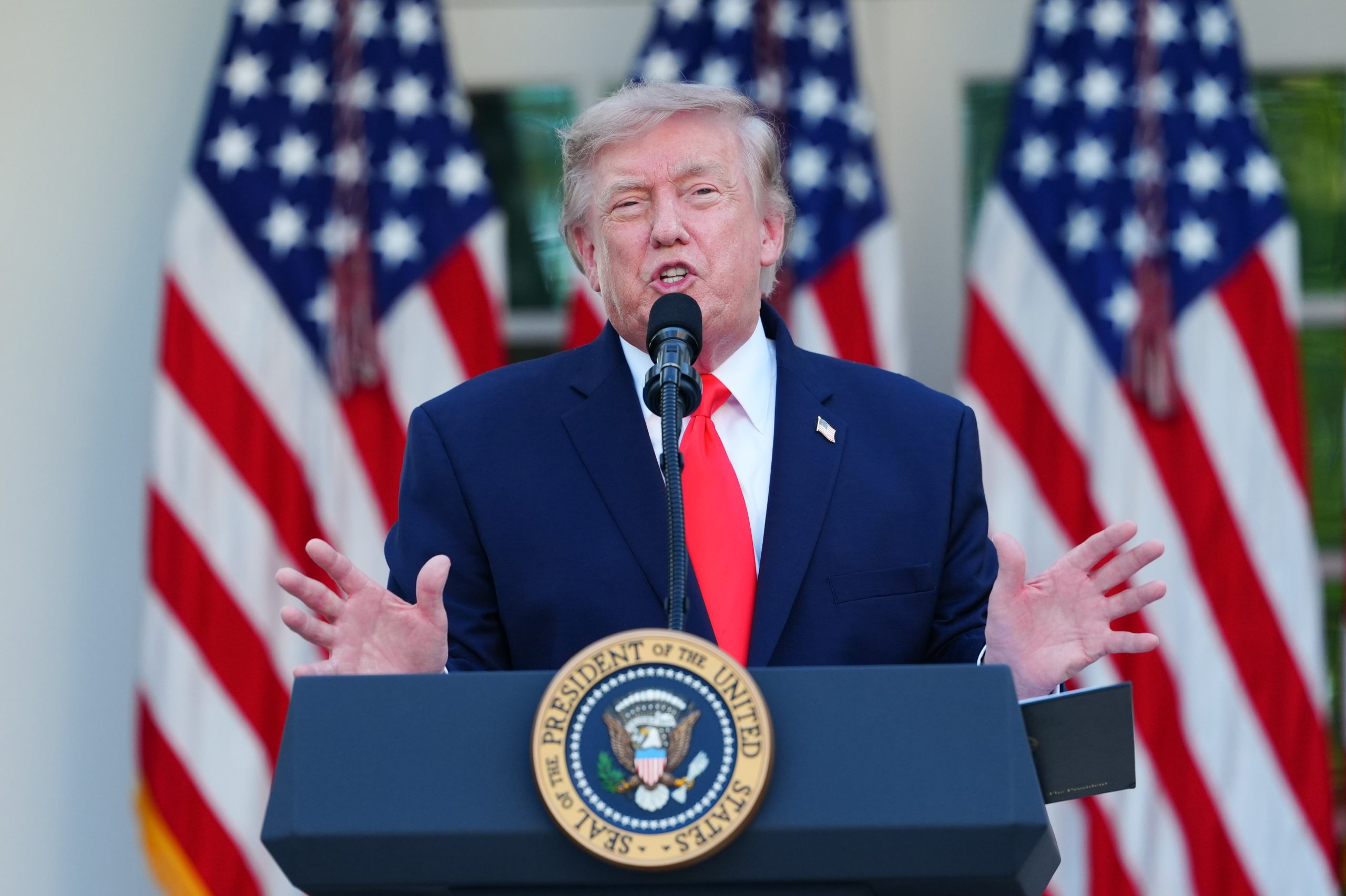
Donald Trump
The Lucrative Business Of The World Cup: How FIFA Secures Millions In Profits, While Host Nations Take All The Risks

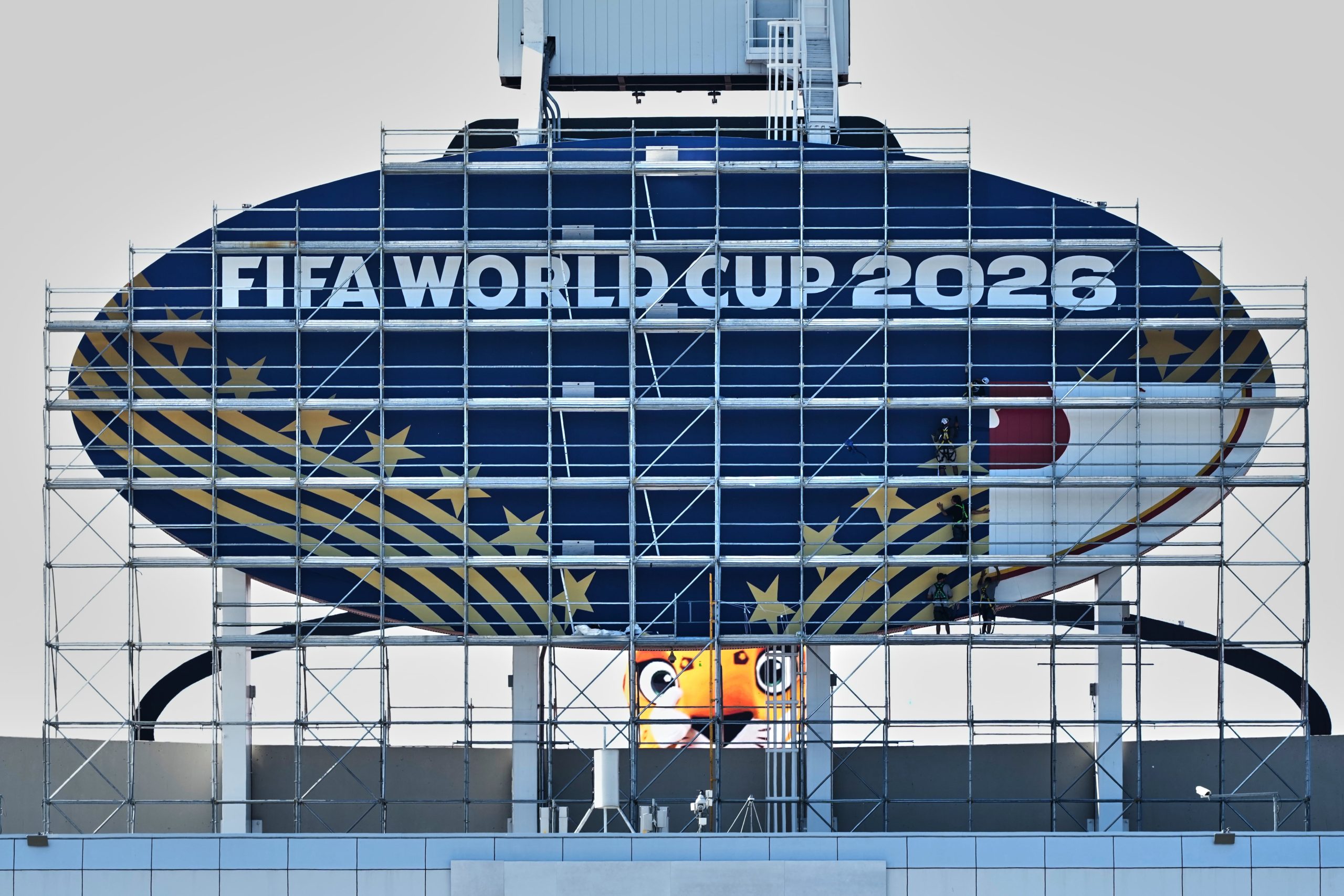
Beyond being a passion, soccer is a business. The 2026 World Cup — currently being held in the United States, Mexico and Canada — is poised to become the biggest sporting event on the planet. And the three host nations hope it will also be a phenomenal economic springboard.
The U.S., Mexico and Canada are staging the most ambitious soccer championship ever held: for 39 days, a total of 48 national teams will play 104 matches in 16 venues across the three host countries. Never before has a tournament of this scale featured so many matches. It’s a lucrative business for the television networks that have acquired the broadcasting rights: they’re expecting an unprecedented audience of millions. A report published by Bank of America estimates that some six billion people — 75% of the world’s population — will enjoy some of the matches via television, streaming platforms, or social media.
FIFA — the governing body of world soccer — is rubbing its hands together at the prospects for the competition. Compared to previous editions, the investment made by the organizers in this World Cup has been significantly lower. The stadiums were already built, so they barely needed to spend on major projects. Nor have the 16 host cities undertaken the kind of large-scale urban redevelopment that often leaves a lasting legacy of historic competitions, as is typically the case with the Olympic Games.
“The U.S. has done it more efficiently than maybe anybody before,” said Andrew Giuliani, the executive director of the White House Task Force on the 2026 FIFA World Cup. “It’s cost us a fraction of what other hosts [have spent] because we have the infrastructure in place to be able to do it, whether it’s [the] rail system, whether it’s stadiums,” he elaborated a few days ago, during an interview at the Atlantic Council.
While Qatar, Russia and Germany spent billions of dollars building new stadiums, improving transportation systems and undertaking other urban development projects in an effort to capitalize on the competition’s momentum to improve infrastructure, the United States has taken advantage of the large, modern American football stadiums to host the matches.
Washington has spent a mere $1.2 billion. Slightly more than half of that went toward reinforcing security — one of the country’s main concerns — across its 11 host cities. Another $500 million was spent on preventing drone attacks. Only about $100 million was allocated to improving transportation in the host cities.
To put this in perspective, Brazil allocated more than $12 billion from its budget to build stadiums, roads and transportation infrastructure for the 2014 World Cup. Russia invested over $14 billion in the 2018 tournament, while Qatar used the 2022 World Cup as an opportunity to launch an ambitious infrastructure plan, including complex urban development projects, transportation systems, as well as some of the most cutting-edge stadiums in the world. While no official figure was ever released for Qatar’s investment in the soccer competition, the sports network ESPN estimates it at $220 billion, making it the largest investment in World Cup history.
The 2026 World Cup has avoided all of that investment. In the United States — where success is often tied to money — substantial profits are expected from the championship. A report prepared by FIFA — led by Swiss soccer manager Gianni Infantino — and the OECD maintains that the World Cup will have a $41 billion impact on global GDP. It estimates that 824,000 jobs will be created and that it will generate more than $9.4 billion in direct and indirect tax revenue for North America’s public coffers.
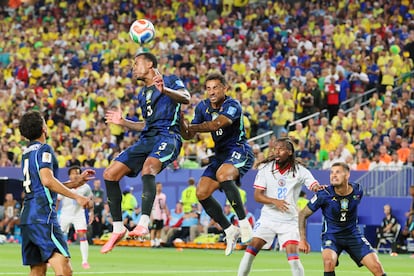
According to the report (which was delivered to U.S. President Donald Trump in the Oval Office by his friend Infantino), in the United States alone, projections indicate that the World Cup will boost domestic GDP by over $17 billion, while creating 185,000 jobs. Fans are also projected to spend more than $11 billion on travel, accommodations and other expenses while attending the matches.
“This figure is probably greatly exaggerated,” notes Victor Matheson, professor of Sports Economics at College of the Holy Cross. “FIFA’s estimates should be interpreted more as press releases than as serious economic studies,” he clarifies via email. This expert maintains that “while we’re seeing large crowds and many foreign visitors, the money that U.S. fans spend on the World Cup is money that’s not [going to be used] for other forms of entertainment.”
Matheson explains that World Cup revenue is redistributed wherever the money is spent. However, he notes, this doesn’t necessarily mean that the event increases the total amount of spending in the economy. Furthermore, he argues that foreign visitors are likely to replace regular tourists in the host cities. And, finally, he believes that much of the money spent in the United States for the event won’t stay in the country, since most of it is being collected by FIFA through ticket sales and partnerships with sponsors and large international corporations. These firms — based thousands of miles away from where the matches are played — add those profits to their bottom lines.
Kevin Daly, an analyst at the investment bank Goldman Sachs, elaborates on the same point. “While the World Cup is undoubtedly the biggest sporting and commercial event on the planet, it won’t necessarily have a major impact on macroeconomic figures,” he argues. He estimates that it will only have an impact equivalent to 0.2% of U.S. GDP.
“Only a portion of the economic benefit will remain in the host cities. Much of the spending by fans will simply come at the expense of other activities, and any increase in spending before and during the final [match] is usually followed by a decrease in the weeks and months that follow,” Daly notes. The expert — along with Mambuna Njie, another analyst at Goldman Sachs — analyzed the economic data and GDP impacts of all the world championships since the one hosted by Spain in 1982.
In another analysis, Saxo Bank, a Danish investment bank, concludes that “the 2026 World Cup is not a meaningful growth driver for the United States.”
The hostility shown by the United States toward immigrants, the president’s outbursts, as well as the much higher prices for tickets, flights and accommodations compared to previous editions of the World Cup have resulted in fewer tourists arriving than expected. FIFA anticipated that 40% of those attending the 104 matches — some five million fans — would be international visitors. However, it seems that those expectations were too high. “The truth is that many travelers have expressed reservations about traveling to the United States,” notes academic Ebenezer Obadare, a fellow at the Council on Foreign Relations (CFR).
A report published by the American Hotel & Lodging Association (AHLA) this past April — two months before the World Cup’s opening match between Mexico and South Africa (2-0) — warned that 80% of hotels in the 11 U.S. cities were reporting fewer reservations than anticipated. The hotel industry association warned that “indicators suggest the anticipated economic lift may fall short of expectations,” while alluding to political tensions and fears over visa problems.
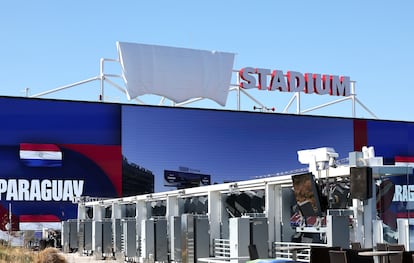
Although the World Cup isn’t expected to have a major economic impact on the cities’ economies, it will generate enormous profits for the host nations. “The net benefit for the United States, and to a lesser extent Mexico and Canada [as they are hosting fewer matches] will be much greater than in previous events,” says Matheson, noting that there are more teams and more matches. “Our stadiums are much larger than in the rest of the world, so the number of fans who can attend is greater. And our host cities are big metropolitan areas that can accommodate a larger number of fans. So, with higher profits and lower costs than in recent World Cups, it’s much more likely that this edition will have a net positive impact for the hosts.”
But that money doesn’t stay in the cities. Rather, it ends up in the hands of FIFA and the large multinational corporations that make a killing with the World Cup, such as soft drink and beer companies, sports brands (Adidas and Nike), as well as hotel and accommodation chains.
Although there are no precise figures for FIFA’s revenue from the 2026 World Cup, the organization expects to generate around $9 billion this year, according to its official budget. Ticket sales alone are projected to bring in $3.017 billion — more than triple the $930 million earned at the previous World Cup in Qatar. This would be supplemented by revenue from broadcasting rights, marketing deals, and licensing.
Richard Sheehan, professor emeritus of finance and author of Keeping Score: The Economics of Big Time Sports, estimates that the increase in ticket revenue could help FIFA surpass $15 billion in total income, according to an analysis published by The Conversation.
The big winner in the World Cup business is FIFA. It has leased the stadiums at a fixed price — with advantageous terms — and manages ticket sales and sponsorship relationships. “FIFA takes all the revenue and shifts much of the cost onto the hosts. FIFA makes a profit no matter what,” concludes Victor Matheson.
Indeed, ticket prices have been one of the main controversies of the 2026 World Cup. A quick search on Ticketmaster shows that the most expensive ticket for the final — to be played on July 19 at MetLife Stadium in New Jersey — costs $71,373. Furthermore, general admission tickets start at $10,000, a cost that’s around ten times higher than those seen in the Qatar final. Even Trump hinted that he found them too expensive. “I would certainly like to be there, but I wouldn’t pay it either, to be honest with you,” the Republican president replied when asked if he would spend $1,000 to attend one of the matches.
FIFA has established a dynamic pricing system. Tickets are becoming more expensive due to increased demand, a strategy that has substantially raised prices.
“We have to look at the market — we are in the market in which entertainment is the most developed in the world. So we have to apply market rates,” Infantino argued a few days later, while speaking at the Milken Institute Global Conference in Los Angeles. “Even though some people are saying that the ticket prices we have are high, they still end up on the resale market at an even higher price, more than double […] our price,” he added.
Sign up for our weekly newsletter to get more English-language news coverage from EL PAÍS USA Edition











America
El Exasesor De Trump John Bolton Se Declara Culpable De Manejo Indebido De Documentos Secretos

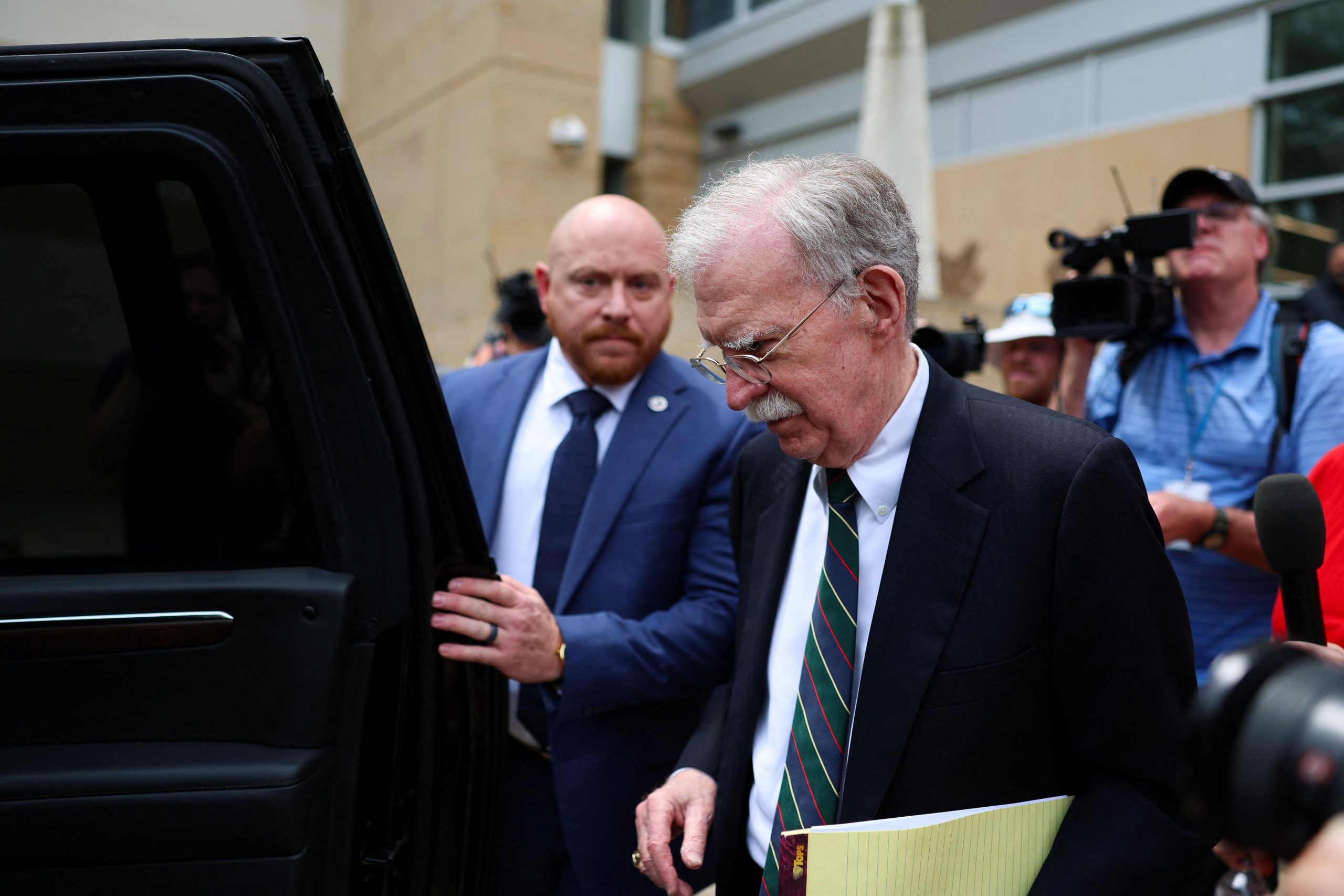
John Bolton, consejero de Seguridad Nacional de Donald Trump en su primer mandato y que tras su cese se convirtió en uno de los críticos más duros del actual presidente de Estados Unidos, se ha declarado culpable este viernes de manejo indebido de documentación clasificada, en una comparecencia ante un tribunal en Greenbelt, en el Estado de Maryland. El caso se relacionaba con información que recopiló en notas a sí mismo y que se envió a una dirección de correo electrónico como parte de la documentación que utilizó para escribir un libro sobre su etapa en la Casa Blanca, en el que dibujó un retrato muy negativo del mandato de su jefe.
“Lo lamento”, ha declarado el antiguo alto cargo en la vista en los juzgados de Greenbelt. El juez encargado del caso, Theodore Chuang, ha indicado que emitirá la sentencia contra él el próximo octubre. Según el acuerdo al que ha llegado para declararse culpable del cargo, Bolton puede ser condenado a un máximo de cinco años de cárcel. El antiguo alto cargo también deberá pagar una multa de 2,25 millones de dólares.
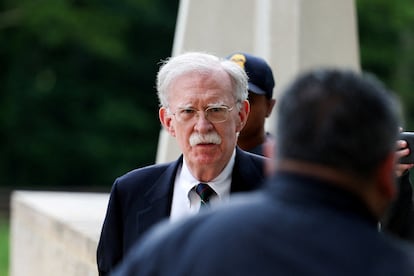
El Departamento de Justicia imputó a Bolton, de 77 años, en octubre pasado con 18 cargos por filtración de información clasificada, en unas semanas en las que también fueron imputados, por cargos no relacionados entre sí, otras figuras a las que Trump percibe como enemigos y contra las que busca venganza. En agosto del mismo año, agentes del FBI registraron la vivienda y la oficina del antiguo colaborador presidencial.
De haber ido a juicio y haber sido declarado culpable de todos los cargos, el antiguo consejero de Seguridad Nacional y embajador ante la ONU durante el mandato de George W. Bush hubiera encarado décadas en prisión.
En un primer momento tras ser imputado, se había declarado inocente de todos los cargos que se le atribuyen, 10 por retención de información relacionada con la defensa nacional y ocho por la transmisión de ese tipo de información. Entonces se había presentado como una víctima de la campaña de venganza del presidente contra sus supuestos enemigos, y había asegurado que tenía “muchas ganas de pelear” para defender su conducta y “sacar a la luz el abuso de poder” del presidente.
Una larga investigación
Pero el caso de Bolton tiene características diferentes del de otros supuestos enemigos de Trump investigados por el Departamento de Justicia y cuyos casos acabaron siendo finalmente desestimados, como el exdirector del FBI James Comey —aunque contra él se han vuelto a presentar nuevos cargos recientemente— o la fiscal de Nueva York Letitia James. El antiguo consejero de Seguridad Nacional estaba en el punto de mira de la Agencia Central de Investigaciones desde hacía cuatro años cuando la policía federal le abrió una investigación por ese supuesto manejo y transmisión de información clasificada durante el mandato del demócrata Joe Biden.
Tras la declaración de culpabilidad de Bolton, su abogado, Abbe Lowell, comparaba el caso de su defendido con el de Trump en 2023, cuando el presidente quedó imputado por retener cajas enteras de información clasificada en su mansión privada de Florida, Mar-a-Lago. En el caso del presidente, la jueza Aileen Cannon —nombrada por él para su cargo— no admitió a trámite los cargos.
Según Lowell, Bolton “ha hecho lo que hacen los verdaderos líderes. Ha asumido la responsabilidad por el error que cometió”. En cambio, puntualizaba, “el presidente Trump ha hecho caso omiso de las leyes sobre información clasificada, se llevó documentos clasificados físicos a su mansión de Florida, interfirió con aquella investigación y nunca ha aceptado rendir cuentas por esa conducta”.
Trump ha hablado en diversas ocasiones en favor de que Bolton compareciera ante los tribunales. Tras conocerse su imputación, el presidente se refirió a él como un “mal tipo”, pero negó que hubiera estado al corriente del caso.
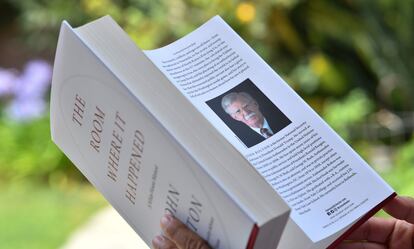
El pliego de cargos contra el antiguo asesor presidencial sostiene que Bolton compartió información confidencial con dos miembros de su familia —su esposa y su hija, según los medios estadounidenses— con vistas a utilizarla en su libro, The Room Where It Happened (La Habitación Donde Ocurrió). Ese material incluía notas tomadas durante reuniones de inteligencia y conversaciones con líderes y altos cargos de otros países.
Bolton, una de las caras más reconocibles del equipo de gobierno del primer mandato de Trump, fue embajador ante la ONU durante el periodo de George W. Bush (2001-2009) antes de convertirse en el tercer consejero de Seguridad Nacional del actual presidente en su primera legislatura. Este neoconservador, considerado halcón en política exterior, ocupó el cargo en la Casa Blanca trumpista durante 17 meses. En esa etapa chocó con frecuencia con el presidente sobre cómo proceder en todo un abanico de asuntos geopolíticos. Desde Corea del Norte, con cuyo líder, el autócrata Kim Jong-un, Trump quería reunirse —lo hizo tres veces—, a Afganistán e Irak.
El entonces asesor publicó su libro en 2019, tras su salida de la Casa Blanca. La oficina presidencial trató de impedir, sin éxito, que el volumen llegara a imprenta, asegurando que contenía material clasificado.
America
Trump Amenaza Con Aranceles Del 100% A Los Países Europeos Que Aprueben El Impuesto Sobre Servicios Digitales
America
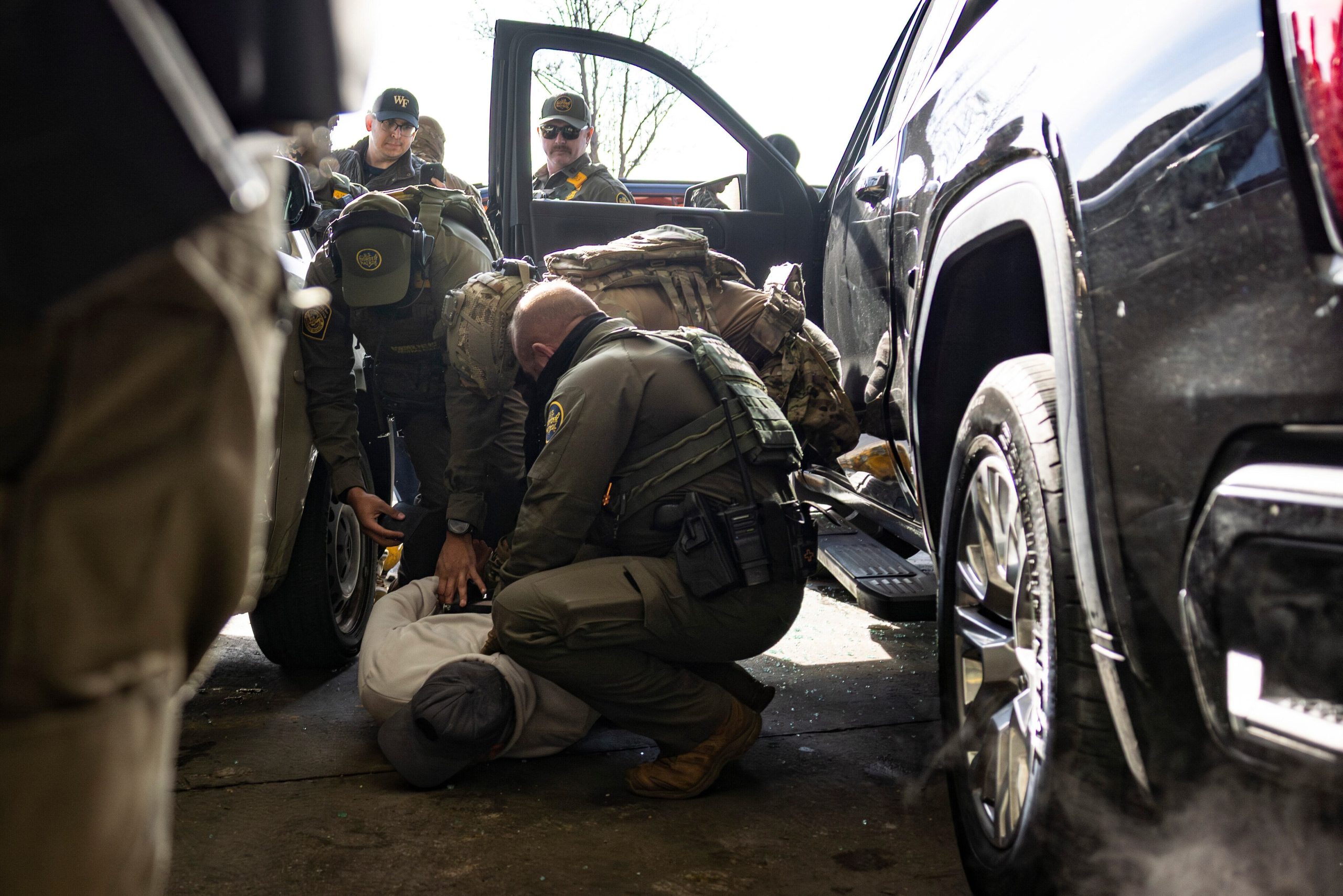
DHS Inspector General To Investigate The Rise In Deaths And The Use Of Force At ICE Detention Centers

Torremolinos welcomes back free summer jazz festival with international stars
Torremolinos beach earns a place among Spain’s best with surveyed Brits
Benalmadena to rolls out 4-year leases for new public allotments to grow your own
El ‘Hondius’ Zarpa De Nuevo: El Crucero Que Sufrió El Hantavirus Viaja Al Ártico Cargado Con Empleados
Torremolinos installs smart traffic lights on its beaches to warn about UV radiation levels
Dinosaurs are roaring over to Estepona this summer in a massive 5,000m² exhibition


-
Antártida2 weeks ago
El ‘Hondius’ Zarpa De Nuevo: El Crucero Que Sufrió El Hantavirus Viaja Al Ártico Cargado Con Empleados
-
Costa del Sol2 weeks ago
Torremolinos installs smart traffic lights on its beaches to warn about UV radiation levels
-
Costa del Sol6 days ago
Dinosaurs are roaring over to Estepona this summer in a massive 5,000m² exhibition
-
Alcohol limits Spain2 weeks ago
Drivers in Spain warned: This mistake could cost you €1,000 and six licence points this summer
-

 %1 week ago
Families Caring For Elderly Parents In Spain Say Brexit Has Left Them With Impossible Choices
-

 Uncategorized2 weeks ago
Max Verstappen rules out Nurburgring return after 24 hour-heartbreak
-
 Uncategorized2 weeks ago
Mercedes blows up on last lap to hand Ferrari an unlikely F1 Barcelona win
-

 Brahim Díaz2 weeks ago
Brasil – Marruecos: Mundial 2026, En Directo | Comienza El Primer Gran Partido Del Torneo