
Air conditioning
This air conditioning mistake could cost you €3,000

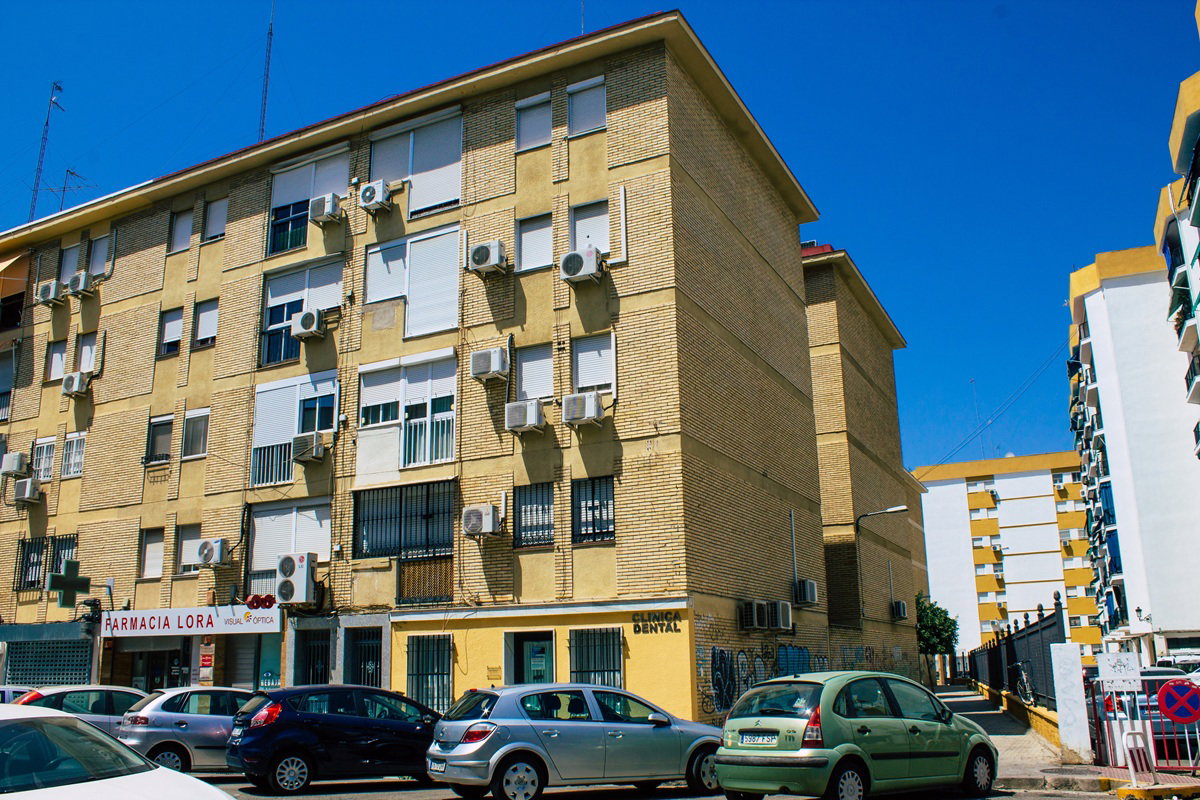
Outdoor air conditioning units fixed to the façade of a residential building in Spain.
Credit : Jose HERNANDEZ Camera 51, Shutterstock
Spain’s summer heat can make air conditioning feel less like a luxury and more like a survival tool. But before calling an installer and fixing an outside unit to the façade, homeowners should check one important detail first: does your community of owners allow it?
When it comes to apartment blocks, getting air conditioning isn’t just about what you want for your own home. The part of the air conditioner that’s inside your place is one thing, but the outside part, called the condenser, can affect the whole building, its exterior, and even your neighbors. This is where a law in Spain, known as the Horizontal Property Law, becomes important.
Not getting permission first can cause a lot of problems, like people complaining or even asking you to take the unit away. In really serious cases, where you’ve broken local planning rules or harmed the environment, you could get fined up to €3,000.
Why your air conditioning unit may not be just your business
For many homeowners, the logic seems simple. You own the flat, you pay for the installation, and the machine cools your home.
When it comes to apartment buildings, the outside areas are usually shared by everyone. So, if you want to put an air conditioning unit on the outside wall, patio, or any other visible area, it could change how the building looks, its structure, or even its safety.
Spain’s Horizontal Property Law does not mention air conditioning units by name. What it does say is that owners cannot alter architectural elements, installations or services if the change affects the building’s safety, structure, exterior appearance or the rights of another owner.
That is why the safest step is to inform the community president or administrator before the installation goes ahead.
In many cases, the community may already have rules about where units can be placed, whether they must be hidden, how drainage should be managed and whether they can be visible from the street.
Noise, dripping water and façades are the real problems
Most disputes are not about the air conditioning itself. They start because of what comes with it.
A noisy air conditioning unit can be a real nuisance, especially for people living nearby, and the disturbance can be even worse at night when everyone’s trying to sleep. And if the machine isn’t installed properly, it can cause all sorts of problems, like dripping water onto balconies, pavements, or even lower floors, which can be a real hassle to clean up. Plus, in older buildings or ones that are protected for their historical significance, a visible unit can really affect the appearance of the façade, which can be a concern for people who care about preserving the original look of the building.
Sometimes, what seems like a straightforward home improvement project can quickly turn into a frustrating issue with the people living next door.
In addition to community rules, local councils often have their own set of regulations, particularly when it comes to historic areas or buildings that are protected for their architectural significance. This means that homeowners or property owners not only need to consider what their community will allow, but also need to ensure that their plans comply with the rules and regulations set by the local town hall. Essentially, there are two layers of approval to navigate: one from the community and another from the local authorities.
Safety is another factor. External units must be properly fixed because they are heavy. If the installation is insecure or creates a risk for pedestrians, the homeowner could face serious consequences.
What should homeowners do before installing air conditioning?
The best advice is : check before you install.
Ask the community administrator whether there are existing rules. If the façade is affected, request permission from the community. If the building is protected or located in a historic area, check with the local town hall too.
It is also worth asking the installer about drainage, noise levels and secure anchoring before any work begins.
You don’t have to worry about getting a huge fine just because you put in air conditioning. The big fines, like up to €3,000, are usually for really serious problems with planning or the environment. But, if you don’t follow the rules of your community or the local government, you might have to move or take out the air conditioning unit. This can happen if the installation doesn’t meet the regulations, so it’s a good idea to check first.
For people who own homes, getting air conditioning can make a big difference in the summer, but if you don’t get the right permission first, it can end up costing a lot more than you thought it would.







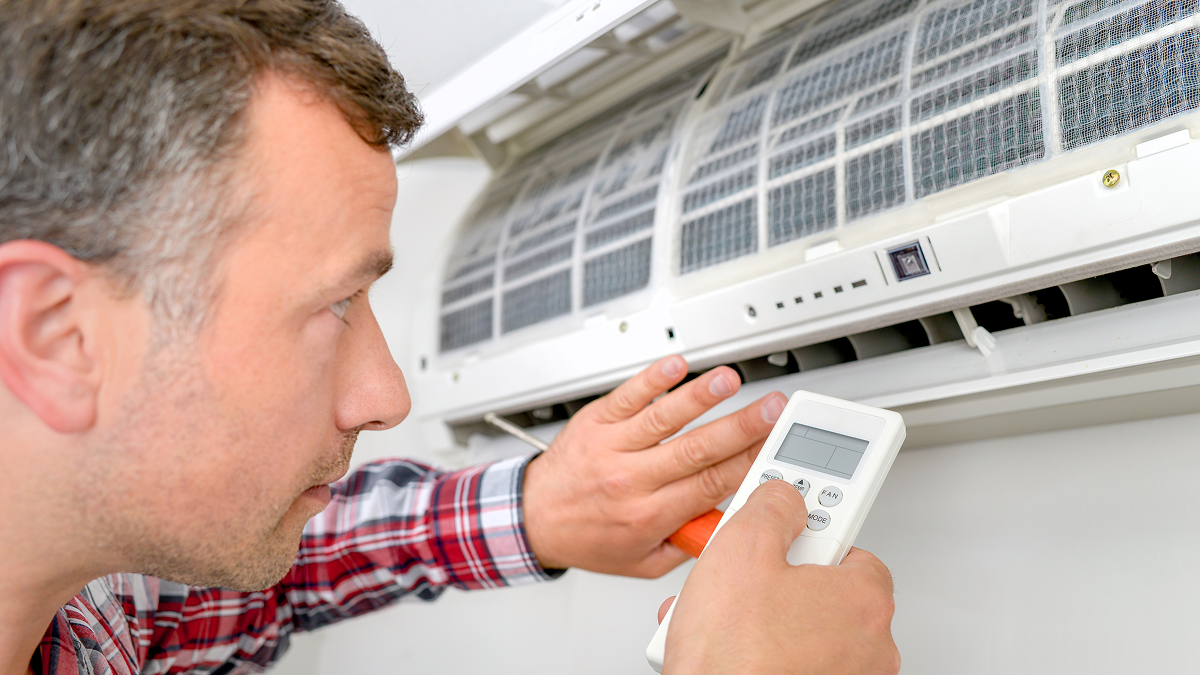
This new EU air-con rule could cut Spain summer bills. Credit: Phovoir / Shutterstock
A proposed EU rule would make installers show energy-efficiency labels when sending quotes for air-con, boilers and other appliances. For households in Spain buying cooling systems during hotter summers, the change could make it easier to compare running costs before accepting a rushed installation.
Why a cheap air-con quote can become an expensive summer bill
For many households in Spain, and with a heatwave in full swing across Europe, buying air conditioning is no longer a luxury decision made months in advance. It often happens when the heat has already arrived, sleep has become impossible and the priority is getting a unit fitted as soon as possible.
That is where the cost traps can appear.
The price on the installation quote is easy to compare. The running cost over the next five, ten or even 15 summers is harder to judge, especially when the buyer never sees the model in a shop or checks its full specifications online.
A lower upfront price during hotter periods may still be tempting. But if the system uses more electricity, is badly matched to the room, is noisy, or performs poorly in heating mode during winter, the cheaper quote can become the more expensive choice over time.
In many homes in Spain, people rely on split air-conditioning units not only for cooling in summer, but also for heating during colder months.
How the EU wants installers to change air-con quotes
The European Commission has proposed changes to EU energy-labelling rules that would make the system clearer for customers buying appliances through installers.
Under the proposal, installers who sell, hire or hire-purchase energy-labelled products as part of their commercial activity would have to include the relevant energy consumption label in purchase invitations and contractual offers. Put simply, that means the customer should be aware of the product’s energy information before accepting the quote, not after the installation has already been agreed.
The proposal covers energy-related products such as air-conditioning units, boilers and kitchen appliances. It is aimed at a gap in the current system: many people buy these products directly through installers, repairers or fitters rather than choosing them from a shop floor where the label would usually be visible.
The measure is not yet active law. It still has to go through the EU legislative process before final rules are agreed. But the lesson already applies this summer: ask for the label before saying yes.
Why Spain households may notice the difference during hotter summers
Air conditioning is becoming a bigger part of everyday life across Europe as heatwaves become more frequent and more households look for ways to keep homes liveable.
The European Commission’s own product information shows that room air conditioners installed in Europe increased from fewer than 7 million in 1990 to more than 57 million in 2020. The estimate for 2030 is more than 100 million units, including around 70 million in households.
An air-con unit is not just a one-off appliance. It can shape electricity use every summer, affect comfort at night, influence winter heating costs if it is reversible, and add noise inside or outside a property.
For owners of older homes, coastal apartments, rental properties and holiday lets in Spain, the model chosen can also affect future tenants or guests. Renters may not control the purchase themselves, but they can still ask landlords or agents what system is being installed and whether the energy label is available and affordable.
Which details buyers can ask for before accepting a quote
Until the proposed EU rule becomes law, households can still ask installers for the same information.
For air-conditioning units, the label and product information can show details such as cooling efficiency, heating efficiency for reversible units, estimated consumption, sound levels and capacity.
Buyers should also ask whether the unit is suitable for the size and layout of the room. An undersized system may struggle to cool the space. An oversized system may cost more than necessary and run inefficiently.
A written quote should ideally show the equipment model, installation cost, warranty, maintenance requirements and any extra work needed, such as electrical upgrades, outdoor-unit placement or community permission in apartment buildings.
The bill-saving check before the rule becomes law
The proposed EU change’s value is in making running-cost information harder to hide or forget during the buying process.
For anyone in Spain replacing an old unit, installing air-con for the first time, upgrading a holiday home or asking a landlord to improve cooling, the useful question is not only “how much does the installation cost?”
The better question is: “How much is this going to cost in the long run, and can the installer send the energy label and product information sheet with the quote?”
That small pause may not feel urgent during a heatwave. But it could be the difference between cooling a home this summer and paying more than necessary for years afterwards.

Antonio Banderas returns as guest of honour at Marbella’s star-studded charity gala
Little Cuba festival is back with new date and schedule in Torremolinos
Family’s desperate bid to bring retired nurse home after devastating airport aneurysm
Dinosaurs are roaring over to Estepona this summer in a massive 5,000m² exhibition

Real Estate Agents In Barcelona Are Using AI To ‘pimp Up’ Dilapidated Homes – And It’s Not Illegal
Local community gets ready for its annual Calahonda Day celebration on June 27


-
Costa del Sol2 weeks ago
Dinosaurs are roaring over to Estepona this summer in a massive 5,000m² exhibition
-
 ai generated property listings2 weeks ago
Real Estate Agents In Barcelona Are Using AI To ‘pimp Up’ Dilapidated Homes – And It’s Not Illegal
-
Costa del Sol2 weeks ago
Local community gets ready for its annual Calahonda Day celebration on June 27
-

 Abelardo de la Espriella2 weeks ago
Resultados Elecciones Colombia 2026, En Vivo | De La Espriella, Nuevo Presidente De Colombia, Según El Preconteo De Votos
-

 Uncategorized1 week ago
Red Bull set for radical new design in desperate bid to keep Max Verstappen
-
 Andalucia2 weeks ago
More Than One Home Is Squatted Every Day In Malaga Province As PP Calls For 24-Hour Evictions And Bill Cut Offs
-

 Comisiones Obreras2 weeks ago
CC OO Advierte De Que Impulsará Movilizaciones Y Huelgas Ante El Bloqueo Patronal Al Acuerdo De Convenios
-

 %2 weeks ago
Málaga CF Promoted To La Liga As 2–1 Victory Over Almería Ends Eight-Year Wait