Connect with us

%

WATCH: Heatwave Fist-Fights Break Out In Lidl In France Over Fans And Air-Con Units, Could Spain Be Next?

Published

on

watch:-heatwave-fist-fights-break-out-in-lidl-in-france-over-fans-and-air-con-units,-could-spain-be-next?

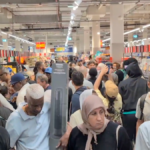
Shoppers scramble for the last air conditioning units as a Lidl store in France opens its doors on Thursday. Credit: X / Luc Auffret

Lidl shoppers have been filmed fighting over fans and air conditioning units in France, raising the question of whether Spain could see the same rush as another blast of extreme heat approaches. The supermarket chain had put around 200,000 cooling products on sale, but crowds quickly stripped shelves, forced entrances and left some customers empty handed.

Lidl cooling product sales descends into chaos

Lidl announced on Thursday that around 200,000 fans and air conditioning units would go on sale across its French stores, with portable units promoted at as little as €179, a fraction of the €1,200 an air conditioner typically costs elsewhere in France, according to The Guardian.

Customers began queuing outside some stores before sunrise. About 200 people were reportedly waiting outside one small Lidl in a northern Paris neighbourhood when the doors opened, and the calm did not last. Crowds surged towards the cooling aisles and, at several locations, shelves were stripped within minutes.

Footage shared widely online showed shoppers pushing, shoving and throwing punches over the last remaining units. At a store in Saint-Germain-en-Laye, air conditioners were “removed in just moments,” The Sun reported, with fights breaking out over the final boxes. Chaos also spread to the Paris suburbs of Sevran and Livry-Gargan, where The Guardian reported queueing cars blocking the centre of Sevran as crowds descended on a local supermarket. Police were called to intervene at multiple stores.

Les climatiseurs et ventilateurs sont pris d’assaut au Lidl de Nanterre.

La porte du magasin a été arrachée, quelques bagarres.

La police vient d’arriver sur place.#Lidl #Canicule #Nanterre pic.twitter.com/62Flt6gxZP

— Luc Auffret (@LucAuffret) July 2, 2026

Reaction to the footage has ranged from disbelief to dark humour. Mousa Traore, who had waited more than an hour with around 200 other customers, told The Guardian he was informed only two units were left, then watched police take them. “I think,” he added, laughing. Another shopper told the paper: “I give up, it’s madness… I abandoned my car several streets away to get there on foot but there is already a huge queue.” Carrières-sous-Poissy resident Haissam told Le Parisien, quoted by The Sun: “It’s ridiculous, people have gone completely mad.”

Demand for air conditioning is already rising in Spain

The rush for cooling equipment is not confined to France. Reuters has reported that sales of air conditioning units have climbed sharply across Spain, France, Britain and Germany as repeated bouts of extreme heat expose how many European homes were never built to cope with prolonged high temperatures. 

Separately, CNBC reported unprecedented European demand for imported air conditioning units, particularly Chinese-made models, as households across the continent scramble to cool homes designed for milder summers.

Could Spain see the same rush for fans?

Whether Spanish shoppers could see similar scramble scenes is, for now, an open question. Lidl Spain’s online catalogue currently lists cooling fans, including a bladeless model priced at €69.99, though there is no confirmation of a 200,000-unit flash sale matching the French campaign. 

MediaMarkt Spain has been running clearance offers on portable air conditioners and discounted fans in the run-up to summer. No evidence of stock shortages was found at Lidl Spain, Carrefour Spain, MediaMarkt Spain or Leroy Merlin Spain at the time of writing. But if temperatures do climb towards the levels AEMET has forecast, retailers may find demand for cooling products intensifying quickly. 

The €179 air conditioner people fought over

The scramble in France came down to three things: price, timing and availability. At €179, Lidl’s units cost a fraction of the €1,200 an equivalent air conditioner can fetch elsewhere in France.

The sale also landed just as a second heatwave was forecast to arrive within days. And unlike ordering online and waiting for delivery, shoppers who reached the shelves in time could take a unit home immediately which, for many, appeared to be the deciding factor.

🇫🇷 | Bagarre entre des clients pour le derniers #climatiseurs d’un #Lidl de Seine-Saint-Denis, alors que tous les #ventilateurs sont partis en quelques secondes 💥 pic.twitter.com/14u4OWkGKf

— Instant Actu (@Inst_Actu) July 2, 2026

%

Could Holidaymakers In Spain Soon Pay More Than Locals?

Published

on

could-holidaymakers-in-spain-soon-pay-more-than-locals?

Some attractions offer discounted rates for residents. Photo Credit: Roaming Pictures/Shutterstock

Imagine arriving at a famous attraction on holiday only to discover the person standing next to you is paying half the price simply because they live there. It might sound unlikely, but this kind of pricing difference is already being tested in parts of the world as destinations try to deal with growing visitor numbers and pressure on busy hotspots.

In Japan, some attractions have begun exploring higher prices for tourists compared to residents, and it is triggering a debate that is now starting to spread far beyond Asia. Which leads to the question many people visiting Spain may not expect to ask: could something like this ever appear here?

A growing strain in popular destinations

Japan has seen a sharp rise in international visitors, with some of its most famous locations becoming busier than ever. Streets, transport links and historic sites have all come under pressure at peak times, with queues, congestion and overcrowding becoming part of the experience in certain areas. In response, some places have started looking at charging visitors differently depending on where they come from. The idea is simple. Locals pay less and visitors pay more.

Supporters of the approach say it helps ease pressure on places that are being stretched by record visitor numbers. The reasoning is that residents already contribute through local spending and everyday life, while visitors are only there temporarily. Others see it differently. For many travellers, the idea of paying more simply because of where they are from feels unfair, especially when the experience is meant to be the same for everyone.

Why Spain is being drawn into the same conversation

Spain faces many of the same pressures seen in other major tourism destinations. Some of its most popular cities and coastal areas regularly experience intense visitor numbers, especially during peak seasons. Narrow streets filled with crowds, busy beaches and packed public spaces have become familiar scenes in places that attract millions of visitors every year.

At the same time, tourism remains one of the strongest parts of the Spanish economy, supporting jobs and businesses across the country. That combination creates a constant balancing act between welcoming visitors and keeping everyday life manageable for those who live there. Because of that, any idea linked to changing how visitors are charged is likely to attract attention.

Could tourists and locals actually be charged differently

At the moment there is no system in Spain where tourists are routinely charged more than residents for the same attraction or service. However, small differences in pricing already exist in certain forms. Some attractions offer discounted rates for residents, especially at cultural sites or local facilities. In other cases, visitor taxes are added in specific regions, meaning holidaymakers pay a small extra cost during their stay.

This is not the same as charging tourists a higher entrance fee than locals at the same ticket office, but it does show that pricing based on visitor status is not completely unfamiliar. Elsewhere in Europe, similar ideas have appeared in different forms as destinations try to manage demand during peak travel periods.

How travellers would likely react

If a system like this ever appeared in Spain, reaction would almost certainly be divided. Some holidaymakers would probably accept small differences in price if they felt it helped maintain popular destinations and improve facilities. Many already expect to pay tourist taxes or entrance fees when visiting major cities or attractions.

Others would likely see it as unfair, especially if the difference was clearly based on where someone comes from rather than what they are buying or doing. There is also a practical concern for travellers. If prices vary depending on residency, it could make planning a trip more complicated and create uncertainty around costs.

Spain’s busiest destinations are already under pressure

Across Spain, several well known locations continue to deal with large numbers of visitors, particularly during the summer months. Popular coastal areas, city centres and island destinations often see intense seasonal demand, with local infrastructure and services working at full capacity.

In some places this has already led to restrictions on holiday rentals, limits on cruise ship arrivals or efforts to spread visitor numbers more evenly throughout the year. These measures show that managing tourism has already become a key issue in many areas, even without changing how individual visitors are charged at entry points.

A debate that is spreading across travel destinations

Spain is far from alone in facing these questions. Many countries that rely heavily on tourism are trying to find ways to balance economic benefits with the impact of large visitor numbers. Some destinations have introduced entry fees, timed tickets or seasonal pricing to manage crowds.

Others are focusing on encouraging travel outside peak periods or promoting less visited areas to reduce pressure on well known hotspots. The idea of charging visitors more than locals adds another layer to that discussion, and while it is still limited in practice, it is becoming part of a wider conversation about how tourism is managed in the future.

What travellers can expect for now

For people planning holidays in Spain, nothing is changing in practical terms. Visitors are not being charged differently from residents for attractions or everyday experiences, and there are no current plans suggesting that this is about to happen. But the conversation around tourism is clearly shifting. The focus is moving towards how destinations handle growing demand, how they protect busy areas, and how costs are shared between visitors and residents.

That means ideas that once seemed unlikely are now being discussed more openly than before. Whether Spain ever moves towards anything similar remains uncertain. But as travel patterns continue to change, the way people experience popular destinations and what they pay when they arrive may not stay the same forever.

Continue Reading

%

Samaritans In Summer Social Evening

Published

on

samaritans-in-summer-social-evening

Support Samaritans in summer social evening with live music, stalls and tombola

By Lucy Ramnought • Published: 04 Jul 2026 • 10:08 • 1 minute read

artisan market

Charity market in Benahavis Credit:Igisheva Maria/shutterstock

A charity‑focused summer gathering is taking plan on Thursday, July 9 in Benahavis, inviting everyone to an early‑evening event in aid of the wonderful charity the Samaritans in Spain. Organisers are encouraging anyone who would like to take art and hold a stall at the community sale at Cafe‑Bar Town Hall Benahavis from 5pm.

Artisans invited to take part in sale

Local makers are being encouraged to reserve a stall and bring their handmade items to the evening. Organisers are looking for bakers, candle makers, jewellery designers and artists, are all welcome, to be able to offer customers a broad mix of crafts. Interest can be registered by messaging the event team directly at the Samaritans number or via the Cafe-bar. Spaces are expected to be taken quickly as Benahavis  attracts creative individuals from nearby towns.

Friendly relaxed summer gathering with music

Live music will also be coming to you as part of the evening in the form of local singer Lucy and her stunning vocals, creating the perfect vibe for browsing, chatting and enjoying a warm July night in the village. Guests can also try their luck at the tombola that will run throughout the event, with all proceeds going directly to Samaritans in Spain.

Samaritans in Spain providing a life-line for people in need

Samaritans in Spain offers a confidential emotional‑support service for anyone experiencing distress, worry or loneliness. Its FREEPHONE helpline (900 525 100) operates daily from 10am until midnight, staffed by trained volunteers who provide non‑judgemental listening support to English speakers across Spain.

Funds raised at the Benahavis event will help maintain this service, supporting ongoing volunteer training and extended helpline hours.

How to take hold a stall or just come along to browse

Anyone wishing to reserve a stall can contact the organisers for details to secure a space. Those planning to attend just to enjoy, can simply arrive at Cafe‑Bar Town Hall Benahavis on Thursday, July 9 from 5pm.

Google News

Follow Euro Weekly News on Google News

Get breaking news from Spain, travel updates, and expat stories directly on your Google News feed.

Follow on Google News

Sign up for personalised news

Subscribe to our Euro Weekly News alerts to get the latest stories into your inbox!

By signing up, you will create a Euro Weekly News account if you don’t already have one. Review our Privacy Policy for more information about our privacy practices.

Continue Reading


Continue Reading

%

San Fermín, Spain’s Famous Bull Run, Is About To Begin, But Police Are Preparing For A Different Danger

Published

on

san-fermin,-spain’s-famous-bull-run,-is-about-to-begin,-but-police-are-preparing-for-a-different-danger

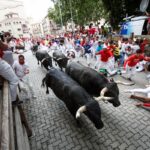
Pamplona police warn San Fermín visitors about rising festival pickpocketing. Photo Credit: Shutterstock

Thousands of visitors heading to Pamplona for the 2026 edition of San Fermín, Spain’s most famous bull run, may feel nervous about the charging animals and their horns. However, local Pamplona police are preoccupied with a very different danger that tends to spike when this celebration comes around, and that few people think about at the event: theft.

Local Pamplona police prepare for hundreds of San Fermín complaints

As San Fermín returns, a special, temporary reporting office is opening for the celebration after hundreds of complaints were recorded during last year’s festival, with theft accounting for more than half of them.

As it stands, last year officials received a whopping 340 complaints during the famed festival, of which 196 were theft complaints. This represents an incredible 57.64 per cent of all complaints. Additionally, another 45 cases involved lost belongings or documentation.

The office, located at Calle Zapatería 40, will be added on July 5, just before the festival’s opening day, due to the expectation of high demand for this year’s edition of the event. Additional staff will also be added in order to help locals and holidaymakers that may have had their belongings stolen. The opening hours for the office will be from 11:30am to 11:30pm on each day of the festival. This office will be in operation until the end of San Fermín, on July 14.

While visitors watch the bulls, thieves watch the crowds

Every year, large numbers of people visit Pamplona for San Fermín, particularly during major festival moments. This means that, while visitors and holidaymakers are dazzled by the charging animals and the festivities, these crowded areas create ideal opportunities for pickpockets and thieves to whisk belongings away.

The problem is well-known and widespread throughout the festivities; so much, in fact, that the official San Fermín safety information guide warns visitors about the possibility of being pickpocketed while surrounded by a packed crowd.

Getting pickpocketed could be especially disastrous for foreign tourists: visitors may be carrying essential and valuable items including phones, bank cards and identification while moving through an unfamiliar city and extremely dense crowds.

Leaving your passport at your accommodation

To avoid having valuables like a passport stolen while enjoying a festival, there are a few things visitors can do:

  • Only carry what is needed.
  • Avoid carrying a passport unless necessary.
  • Keep a secure copy or digital record of important travel documents.
  • Do not keep a phone and wallet together in an easily accessible pocket.
  • Be particularly careful and aware of your surroundings in tightly packed crowds, even if you think a thief could not easily get away.
  • Know where the temporary police reporting office is before attending the busiest festival events.

A stolen passport can turn a fun Spanish festival trip into a nightmare

Having your passport stolen, especially abroad, can give travellers quite the headache. When a visitor reports their passport as stolen, the document is immediately flagged as cancelled. Even if the passport is found later, it cannot be used to travel anymore.

Additionally, the traveller, without an emergency travel document issued by their home country, could be grounded and miss their flights and other trips, compounding government fees for replacement documents with the expense of a new booking.

Finally, the process to report the document as stolen can be lengthy and annoying, as the embassy often needs to prove the loss before being able to help the victim.

For British visitors, a lost or stolen passport can be reported to the UK government, and an Emergency Travel Document may be required if the person cannot travel using their existing documentation.

Irish visitors, on the other hand, can apply either online or through the post for a replacement of their stolen passport. Additionally, the theft can be reported to the Gardaí and with the submission of a Garda Certificate of Loss, along with a letter signed by the victim, which will mark the passport as lost or stolen.

What is San Fermín?

San Fermín officially begins on July 6 and is a world-famous Spanish celebration in honour of the town’s patron saint. To celebrate, the town hosts its famous bull runs, which happen on each morning of the festival, from July 7 to July 14 at 8:00am.

FAQs about the 2026 edition of San Fermín

Q. When does San Fermín 2026 begin?

A. July 6.

Q. When are the San Fermín bull runs?

A. Every morning from July 7 to July 14 at 8:00am.

Q. Where can I report a theft during San Fermín?

A. The temporary Municipal Police complaints office is located at Calle Zapatería 40 and operates from July 5 to July 14, from 11:30am until 11:30pm.

Q. What is the emergency number in Spain?

A. 112

Continue Reading
Advertisement
Advertisement

Spanish Real Estate Agents

Tags

Trending

Copyright © 2017 Spanish Property & News