Connect with us

%

Mijas New 272-Space Los Santos Car Park

Published

on

mijas-new-272-space-los-santos-car-park

Drivers in Las Lagunas will breathe a sigh of relief as from September they will be able to use the new Los Santos underground car park, after Mijas Town Hall confirmed the long-awaited facility has been completed and is entering its final testing phase.

Final technical testing underway

Mayor Ana Mata visited the completed development on Thursday, July 16 with Infrastructure Councillor Juan Jose Torres to inspect the site before it opens to the public. Construction has now finished following an investment of €15.7 million. During the coming weeks, engineers will carry out final checks on the ventilation, air conditioning, lifts, access barriers and fire protection systems. The council is also finalising the electricity supply contract, a requirement before the official handover of the facility.

Increased capacity to 272 spaces

Revisions to the internal layout have increased the car park’s capacity from the 234 spaces originally planned to 272 without reducing the size of any parking bay. From the total, 200 spaces have already been allocated to local residents through a monthly subscription scheme costing €50, following a public draw held earlier this year. The remaining 72 spaces will operate as short-stay public parking, available through a standard ticketing system, easing the parking issues currently around the busy area.

Designed to improve parking in Las Lagunas

Located beneath Plaza La Cala, Plaza Mijas and Plaza Los Olivos, the four-storey underground facility is connected beneath Calle San Matias. Vehicle access has been created from Calle San Jorge, while the exit leads towards Plaza Mijas. Two pedestrian entrances equipped with lifts and staircases provide step-free access throughout the development.

Speaking during the visit, Mayor Ana Mata said the new infrastructure would improve mobility in an area that has experienced long-standing parking difficulties. Councillor Juan Jose Torres added that July and August will be dedicated to completing the remaining technical tests and correcting any outstanding defects before the scheduled opening in September.

%

Axarquia Wildfire Cause Emergency Response

Published

on

axarquia-wildfire-cause-emergency-response

Competa on fire. Credit: Valeria Pérez WW

Emergency services have activated level 1 protocols after a forest fire broke out in Archez and rapidly spread to neighbouring areas in the Axarquia region of Malaga.

Officials from Plan Infoca were quick to respond to the blaze first reported at 12.44 in the Barranco de la Fuente area. Crews deployed multiple aircraft, including two light helicopters, one semi-heavy helicopter, two ground-loading planes and a coordination aircraft. Ground teams consisted of 17 personnel supported by a water tanker.

15/07/2026. 🕗 15.30 h.

🔴 ACTUALIZACIÓN #IFÁrchez, #Málaga | Trabajamos en su estabilización.

MEDIOS:
🚁 2 ligeros, 2 semipesados, 1 mando
🛩️ 4 carga en tierra, 1 coordinación
👩‍🚒 80 efectivos por tierra
🚒 2 autobombas
📡 1 equipo de mando
🩺 1 unidad médica pic.twitter.com/gosG06CKQD

— EMA INFOCA (@Plan_INFOCA) July 17, 2026

Fire jumps between villages calling for evacuations

Local authorities confirmed the flames moved quickly from Archez into Canillas de Albaida and Competa. One mayor described how the fire crossed a gully despite initial containment efforts, burning through avocado cultivation plots and forcing preventive evacuations of homes and an entire urbanisation.

🔴 Elevamos a fase de emergencia, situación operativa 1, el #PlanInfoca en la provincia de #Málaga por la evolución del #IFÁrchez

🔥 Como medida preventiva, se recomienda evitar la zona y seguir las indicaciones de los servicios de emergencia.

🏠 Quédate en casa. Cierra… pic.twitter.com/Bcs6CxxX6b

— Antonio Sanz Cabello (@antoniosanz) July 17, 2026

No personal injuries have been reported so far. Teams focused efforts on protecting residential zones and agricultural land. A road closure formed part of safety measures in the affected zone. Residents received instructions to stay indoors, keep doors and windows shut if smoke reached them, and pay extra attention to children, elderly people and vulnerable groups. People should avoid the area entirely and follow all directions from emergency teams.

Restaurant blaze causes tension in Velez-Malaga centre

Separate from the forest incident, a fire broke out early Friday morning inside Sushi One Asiatico restaurant in Velez-Malaga. Flames started around 10am on the ground floor of a five-storey residential building in Calle Aceitunos, close to Avenida de Las Naciones.

Fire in central Velez-Malaga.
Credit: CPB Malaga

Dense smoke led firefighters to evacuate around 20 residents from the block as a precaution. Fortunately the restaurant was closed to customers at the time, which helped complete the operation quickly without any reported injuries or smoke inhalation cases. Damage remained confined mostly to the interior of the establishment. Investigators pointed to a possible electrical fault or equipment issue rather than any link to the wider fires.

Multiple units from the Provincial Fire Consortium in Velez-Malaga, along with local police and medical services, attended the scene. Officers cordoned off access routes while crews tackled the blaze from several angles. A large plume of black smoke became visible across much of the town, drawing public attention. By approximately 11am, firefighters declared the fire under control and began ventilation and safety checks to prevent re-ignition in ceiling voids or ducts.

Safety advice still key for local communities

Both incidents go to show the heightened alert for the weekend and the high need for vigilance during such dry and hot conditions in southern Spain. Authorities continue to call for caution and full cooperation with emergency instructions in all affected parts of Malaga province. Updates will follow as containment progresses on the forest fire and investigations advance on the restaurant incident


Continue Reading

%

HCB Hospitales Introduces A Combined Strategy To Boost Weight Loss In Patients With Obesity

Published

on

By

hcb-hospitales-introduces-a-combined-strategy-to-boost-weight-loss-in-patients-with-obesity

Dr Soler. A new treatment strategy for obesity. Credit: HCB

Swallowable balloon and GLP-1 medication: a new combination that could achieve more than 20% weight loss

The Obesity Unit at HCB Hospitales has introduced a new therapeutic strategy combining the Allurion swallowable balloon with GLP-1 receptor agonist medications, such as semaglutide or tirzepatide. The latest clinical evidence shows that this combination could help selected patients achieve weight loss of more than 20% of their body weight, always under medical supervision and as part of a comprehensive treatment programme.

The approach to obesity has moved away from single treatments towards a much more personalised model of care. Today, specialists can combine different therapeutic tools according to the individual characteristics and needs of each patient, helping to improve results and support healthier, more sustainable long-term weight loss.

“Every patient has different needs, and our aim is to design the most appropriate strategy to achieve effective, safe and sustainable weight loss over time,” explains Dr Álvaro Soler, bariatric surgeon at the HCB Hospitales Obesity Unit.

A treatment combining two different mechanisms

Treatment How it helps
Swallowable balloon Increases feelings of fullness during the first few months.
GLP-1 medication Helps control appetite and maintain weight loss.

Evidence supports the combination

The first clinical studies to evaluate this combined approach have shown particularly promising results. In a series of patients treated with the Allurion balloon and semaglutide, average weight loss reached 20.3% after eight months of follow-up.

A subsequent clinical series combining the balloon with tirzepatide recorded an average weight loss of 23% after one year of treatment. The results also showed improved preservation of muscle mass and high levels of treatment adherence, important factors when supporting patients throughout their weight-loss journey.

Who is it suitable for?

Not every patient requires or is suitable for this combined treatment. Following a comprehensive medical assessment, the Obesity Unit team determines the most appropriate strategy based on factors including body mass index, associated health conditions, previous treatments and individual weight-loss goals.

This personalised assessment allows specialists to select the most suitable treatment options and carefully monitor each patient’s progress.

A comprehensive treatment, not a quick fix

Specialists emphasise that no treatment can achieve lasting results without changes to lifestyle habits. Healthy eating, regular physical activity, ongoing medical monitoring and nutritional support remain the foundations of successful obesity treatment and sustainable weight management.

The introduction of this combined strategy further reinforces HCB Hospitales’ commitment to personalised treatments based on scientific evidence. By incorporating new therapeutic options into its comprehensive approach to obesity care, the hospital group continues to offer patients additional alternatives for managing a complex condition and achieving healthier, sustainable weight loss.

For more information visit: www.hcbhospitales.com

Continue Reading

%

Could Smart Heat Bracelets Soon Become Common Across Spain As Heatwaves Intensify?

Published

on

could-smart-heat-bracelets-soon-become-common-across-spain-as-heatwaves-intensify?

many companies now start shifts earlier in the morning. Photo credit: shepele4ek2304/Shutterstock

As Spain’s relentless heatwaves become more dangerous, two cities are testing wearable technology that could change the way people work outdoors forever. Spain’s summers have changed. For generations, working outdoors meant little more than carrying a bottle of water, wearing a hat and finding a patch of shade whenever the opportunity arose. The heat was simply accepted as part of the job. With temperatures soaring well above 40°C across parts of the country and heatwaves lasting longer than ever, simply “taking it easy” is no longer enough to keep workers safe.

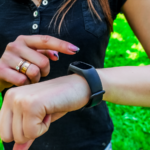
In Barcelona and Tarragona, employers are now turning to wearable technology in the fight against one of summer’s biggest dangers: heatstroke. The two cities have begun issuing smart wristbands to municipal workers who spend their days outdoors. The devices monitor the body’s response to extreme heat and warn wearers when they need to stop, cool down and hydrate before heat stress develops into something far more serious. It may sound like a small workplace initiative, but it raises a much bigger question. If these devices can help save lives, how long will it be before they become as common on building sites and roadworks as hard hats and high-visibility jackets?

A new tool for a new reality

For thousands of people across Spain, working from home isn’t an option. Street cleaners, gardeners, refuse collectors, construction workers, maintenance crews, delivery drivers and utility workers all spend hours outside, often during the hottest part of the day, while the rest of us can step into an air-conditioned office, café or supermarket. They don’t have that luxury.

The new wristbands are designed to act as an early warning system. Instead of waiting until someone begins to feel dizzy or unwell, the devices monitor physiological signs linked to heat stress and alert the wearer when it’s time to stop, drink water and seek shade. Sometimes, just a few minutes can make the difference between recovering from exhaustion and suffering a medical emergency.

Spain is adapting to a hotter future

The introduction of smart wristbands says something much bigger than the arrival of another piece of workplace technology. It reflects just how much Spain’s summers have changed. Heatwaves are arriving earlier, lasting longer and becoming more intense. Public health alerts have become almost routine, while employers are increasingly having to rethink how work is organised during the hottest months of the year.

Across Spain, many companies now start shifts earlier in the morning, increase rest breaks, provide cooling stations and ensure workers have constant access to drinking water. The wristbands are simply the latest example of how employers are adapting to a climate that is becoming harder to ignore.

Could the rest of Spain follow?

Although the initiative is currently limited to Barcelona and Tarragona, it is difficult to imagine other parts of Spain not watching closely. Every summer, thousands of outdoor workers face exactly the same conditions in Andalucía, Murcia, the Valencian Community, Madrid, Extremadura and the Balearic Islands.

As temperatures continue to break records, local councils and private employers may soon find themselves asking the same question: if technology can reduce the risk of heatstroke, why wouldn’t they use it? For now, there are no announcements suggesting the wristbands will be introduced nationwide. But successful pilot projects often become the starting point for much wider changes, particularly when they involve workplace safety.

Could the technology go even further?

The idea also raises another possibility. If wearable devices can protect outdoor workers, could they eventually help other vulnerable groups? Spain has one of Europe’s oldest populations and welcomes millions of tourists every summer, many of whom are unfamiliar with the risks of prolonged exposure to extreme heat.

Hikers tackling mountain trails, cyclists, runners, festival-goers and elderly people living alone could all potentially benefit from technology capable of warning them before heat exhaustion turns into heatstroke. That remains speculation rather than policy, but only a few years ago the idea of municipal workers wearing smart bracelets to prevent heatstroke would also have sounded far-fetched.

A glimpse of Spain’s future

There was a time when wearable technology was mostly associated with counting steps, measuring heart rates or tracking fitness goals. Today, in parts of Spain, it is being used for something far more important: keeping people alive. The smart wristbands being tested in Barcelona and Tarragona are not a miracle solution. They won’t stop heatwaves, lower temperatures or replace common sense.

Workers will still need regular breaks, plenty of water and sensible working practices, but they could provide one more layer of protection as Spain adjusts to a climate that is becoming increasingly unforgiving. Whether these devices remain a local initiative or become standard equipment across the country will depend on the results of the current rollout. One thing, however, is becoming impossible to ignore. When technology starts warning people that they are getting too hot to work safely, it is a powerful reminder of just how dramatically life in Spain is changing. Because the question is no longer whether Spain’s summers are getting hotter. It’s how far the country will have to go to keep people safe when they do.

Continue Reading

Trending

Copyright © 2017 Spanish Property & News