
Housing access / crisis / affordability
Balearic housing reforms start to produce results

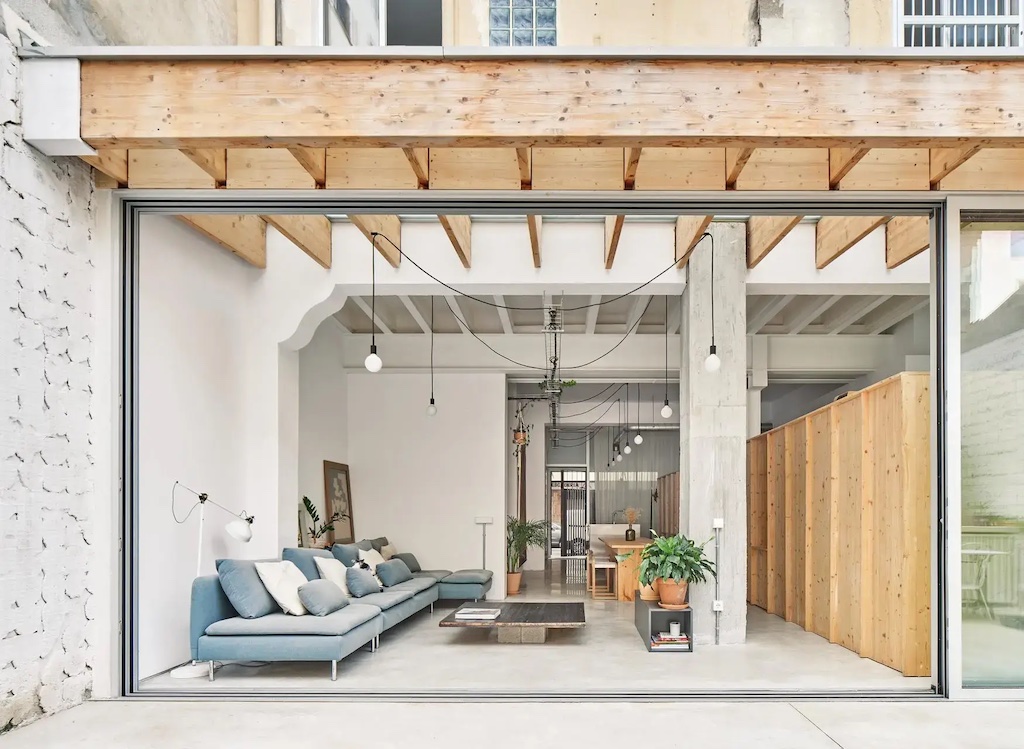
The Balearic Islands still face a severe housing shortage, but a series of reforms introduced since 2024 is beginning to add new homes to the market, with more in the pipeline.
Housing news from the islands is usually dominated by high prices, shortages and affordability problems. Those problems are real, but they are not the whole story.
According to figures reported by the local press, measures introduced by the Balearic government over the past two years have activated 2,028 additional homes through changes to planning and permitted uses, largely without consuming new land.
Making better use of existing buildings
One of the main measures has been to allow empty commercial premises to be converted into homes. Since 2024, 516 such conversions have taken place, including 438 in Mallorca.
Planning changes have also allowed some large properties to be divided into smaller homes and extra floors to be added to certain buildings where this brings them into line with surrounding development. These measures have produced another 467 homes.
A further 146 homes have come from completing unfinished buildings in Palma and Manacor. Together, these three measures account for 1,125 limited-price homes.
The government has also allowed some land previously reserved for public or private facilities to be used for housing, producing another 903 homes across Palma, Calvià, Andratx, Pollença and Santanyí.
More housing in the pipeline
The short-term measures form part of a broader housing programme.
The Construir per Llogar (Build to Rent) scheme has more than 2,200 rental homes in planning, based on public land being made available to private developers in exchange for limited rents. The public housing agency Ibavi also has more than 1,200 homes in planning, with further projects expected in Palma and Ibiza.
Another important element is Vivienda de Precio Limitado, or VPL, a category of limited-price housing intended for established Balearic residents and subject to restrictions on rents, sale prices and future buyers.
The underlying policy direction is clear: try to increase the amount of housing available by adapting existing buildings, unlocking underused plots and speeding up development.
That may sound obvious, but after years of very limited new development it marks a significant change of approach.
Early signs worth watching
The numbers are still modest compared with the scale of the Balearic housing shortage, and some of the measures remain controversial. Nobody should pretend that 2,000 homes solve the problem.
But they do show that policy changes can produce additional supply, and that is an important part of any credible response to a housing shortage.
With so much attention focused on what is going wrong in the Balearics housing market, these early results are worth watching too.









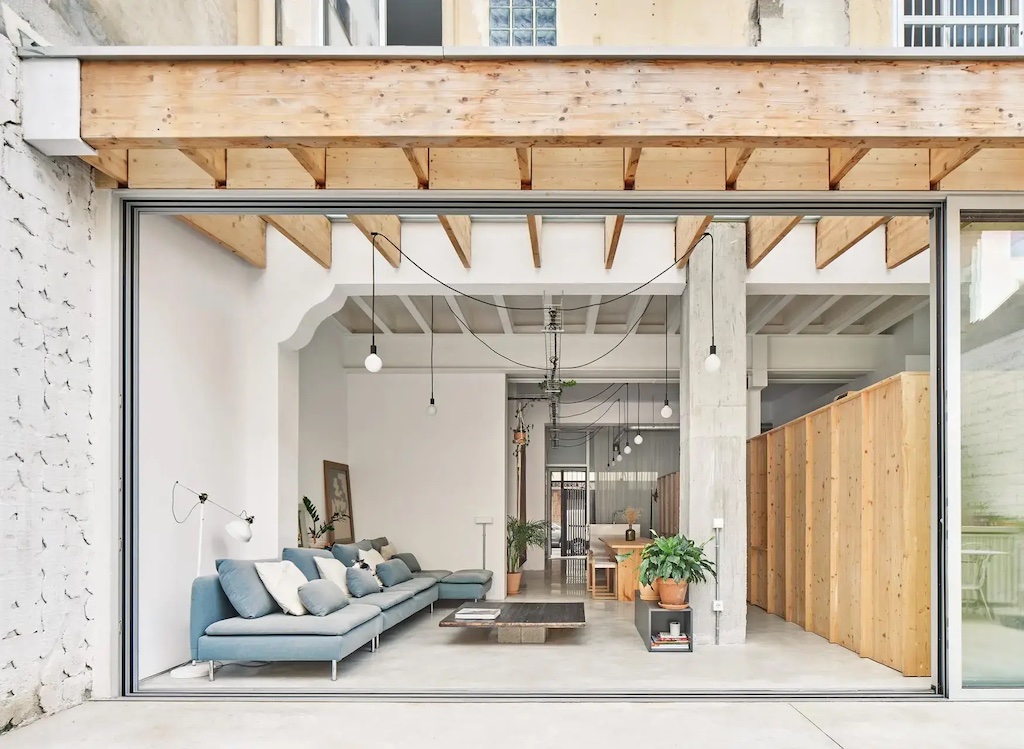
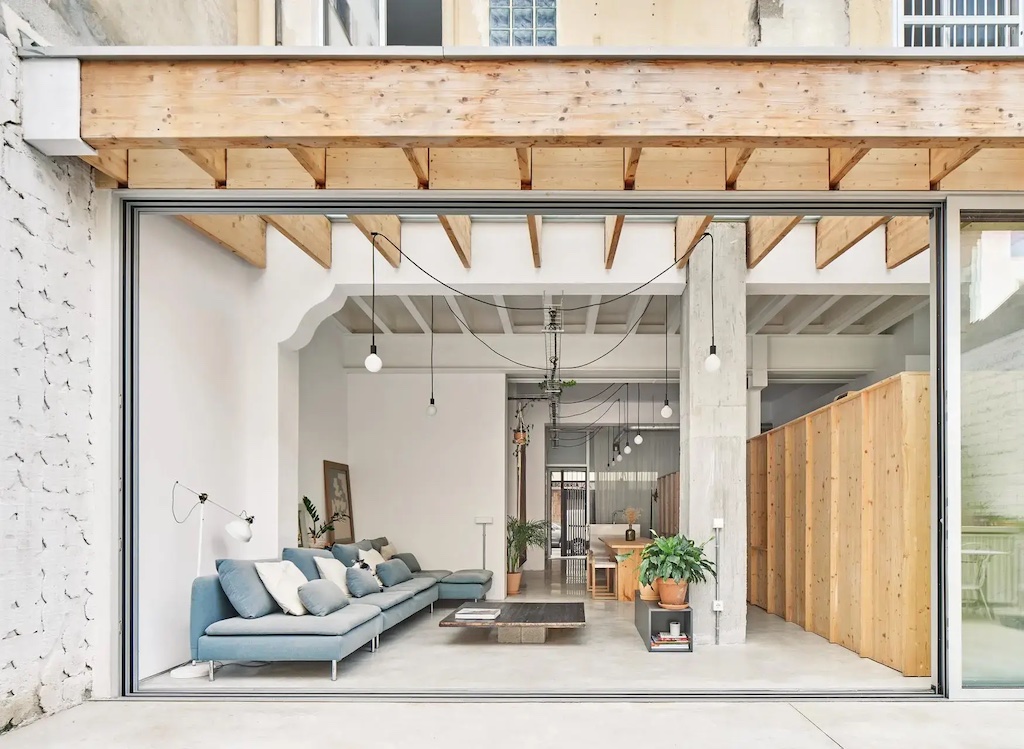
The Balearic Islands still face a severe housing shortage, but a series of reforms introduced since 2024 is beginning to add new homes to the market, with more in the pipeline.
Housing news from the islands is usually dominated by high prices, shortages and affordability problems. Those problems are real, but they are not the whole story.
According to figures reported by the local press, measures introduced by the Balearic government over the past two years have activated 2,028 additional homes through changes to planning and permitted uses, largely without consuming new land.
Making better use of existing buildings
One of the main measures has been to allow empty commercial premises to be converted into homes. Since 2024, 516 such conversions have taken place, including 438 in Mallorca.
Planning changes have also allowed some large properties to be divided into smaller homes and extra floors to be added to certain buildings where this brings them into line with surrounding development. These measures have produced another 467 homes.
A further 146 homes have come from completing unfinished buildings in Palma and Manacor. Together, these three measures account for 1,125 limited-price homes.
The government has also allowed some land previously reserved for public or private facilities to be used for housing, producing another 903 homes across Palma, Calvià, Andratx, Pollença and Santanyí.
More housing in the pipeline
The short-term measures form part of a broader housing programme.
The Construir per Llogar (Build to Rent) scheme has more than 2,200 rental homes in planning, based on public land being made available to private developers in exchange for limited rents. The public housing agency Ibavi also has more than 1,200 homes in planning, with further projects expected in Palma and Ibiza.
Another important element is Vivienda de Precio Limitado, or VPL, a category of limited-price housing intended for established Balearic residents and subject to restrictions on rents, sale prices and future buyers.
The underlying policy direction is clear: try to increase the amount of housing available by adapting existing buildings, unlocking underused plots and speeding up development.
That may sound obvious, but after years of very limited new development it marks a significant change of approach.
Early signs worth watching
The numbers are still modest compared with the scale of the Balearic housing shortage, and some of the measures remain controversial. Nobody should pretend that 2,000 homes solve the problem.
But they do show that policy changes can produce additional supply, and that is an important part of any credible response to a housing shortage.
With so much attention focused on what is going wrong in the Balearics housing market, these early results are worth watching too.

Author:  Mark Stücklin
Posted on

Politicians are targeting demand when they should be boosting supply, according to a new report that argues the country’s housing shortage is fundamentally self-inflicted.
Funcas, One of Spain’s leading economic think tanks has delivered a stinging criticism of the country’s housing policies, arguing that politicians are misdiagnosing the housing crisis and making it worse as a result.
In a new report, Funcas argues that Spain’s housing problem is fundamentally one of inadequate supply, not excessive demand. For more than a decade, the country has built fewer homes than needed to accommodate new households, creating a structural shortage that is now estimated at around 750,000 homes.
A shortage of homes, not too much demand
According to the report, this persistent gap between supply and demand explains why house prices and rents have continued to rise despite repeated government intervention. The authors warn that many politically popular measures, such as rent controls, buyer subsidies and tax incentives, may provide short-term relief for some groups but ultimately reduce supply and make housing even less affordable over time.
The report also takes aim at the search for political scapegoats. Blaming foreign buyers, institutional investors, second-home owners, developers or short-term rental platforms may be politically attractive, it argues, but does little to address the underlying problem. When housing supply cannot respond, strong demand simply translates into higher prices.
Funcas also rejects comparisons with the 2008 property crash. The risks facing Spain today are very different. Rather than a credit-fuelled construction bubble, the country faces a long-term shortage of homes that threatens labour mobility, productivity, household formation and affordability. The report argues that the greatest danger is allowing this shortage to become the new normal.
The think tank also notes that Spain’s banking sector is in a much stronger position than it was before the financial crisis, with far less exposure to risky property lending, making a repeat of the banking collapse far less likely.
None of these conclusions will surprise regular readers of Spanish Property Insight. Time and again, evidence from Spain and abroad has shown that restricting housing supply while attacking demand leads to fewer homes, higher prices and worsening affordability. The latest Funcas report is another reminder that if policymakers want more affordable housing, they first need to make it much easier to build it.

Maradona Death Trial Upended By Bizarre Error: Experts Analyzed His Father’s Clinical Records
From smart technology to home essentials, Revolution has the solution

Four Raccoons Set Free In 1934 Now Number Nearly Two Million Across Germany


-

 Uncategorized2 weeks ago
Racing star was destined for F1, now he
-
Altea2 weeks ago
Fireworks disaster at Costa Blanca spectacular leaves 27 injured in Altea
-
Latest2 weeks ago
EU Tells Meta, TikTok To Boost Monitoring, Fact-Checking
-

 Andalucia2 weeks ago
Courageous Costa Del Sol Father Seeking To Raise Funds For Specialised Treatment In Germany As He Battles Brain Cancer
-

 800 metros lisos1 week ago
Attaoui Saca Un Bronce En 800m De La Casi Nada
-

 Bogotá1 week ago
Última Hora Del Terremoto En Colombia, En Directo | Al Menos 132 Muertos Y 570 Heridos Por El Seísmo De Magnitud 7,4
-
art2 weeks ago
Sóller’s new art night will transform the town square into an open-air gallery
-

 New Developments2 weeks ago
Stylish 3-Bedroom Apartment With Panoramic Sea Views – Benalmádena