Connect with us

America

El Papa León XIV Regresa A Perú, El País Que Fue Su Casa Y Donde Forjó Su Misión

Published

on

el-papa-leon-xiv-regresa-a-peru,-el-pais-que-fue-su-casa-y-donde-forjo-su-mision

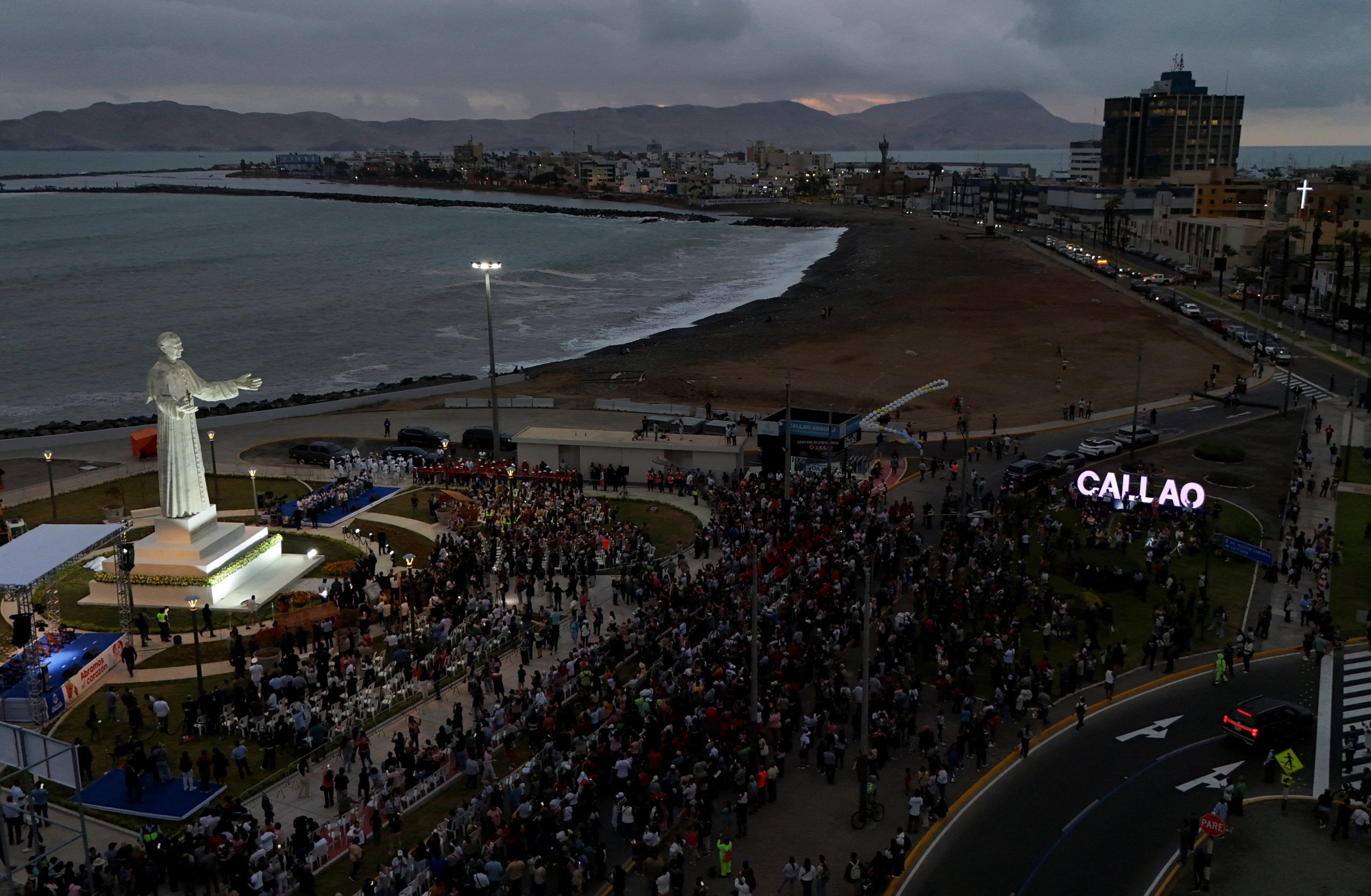
El viaje del Papa a Sudamérica se zambulle este miércoles en territorio emocional con su llegada a Perú, el país en el que sirvió durante veinte años como misionero y luego ejerció de obispo, en el que se nacionalizó y en el que millones de personas lo esperan como ‘su’ Papa, el papa peruano. Durante seis días, la mitad de toda la gira en la que ha recorrido Uruguay y Argentina, se reencontrará con uno de los países más católicos de América Latina, donde el 69% dice serlo. León XIV lo conoce a fondo, como conoce las fracturas de desigualdad, racismo y las heridas por las violaciones de derechos humanos que aún lo atraviesan.

Seguir leyendo

America

‘Theft, Deception, And Concealment’: Other Industrial Espionage Scandals That Echo The Nvidia Case

Published

on

‘theft,-deception,-and-concealment’:-other-industrial-espionage-scandals-that-echo-the-nvidia-case

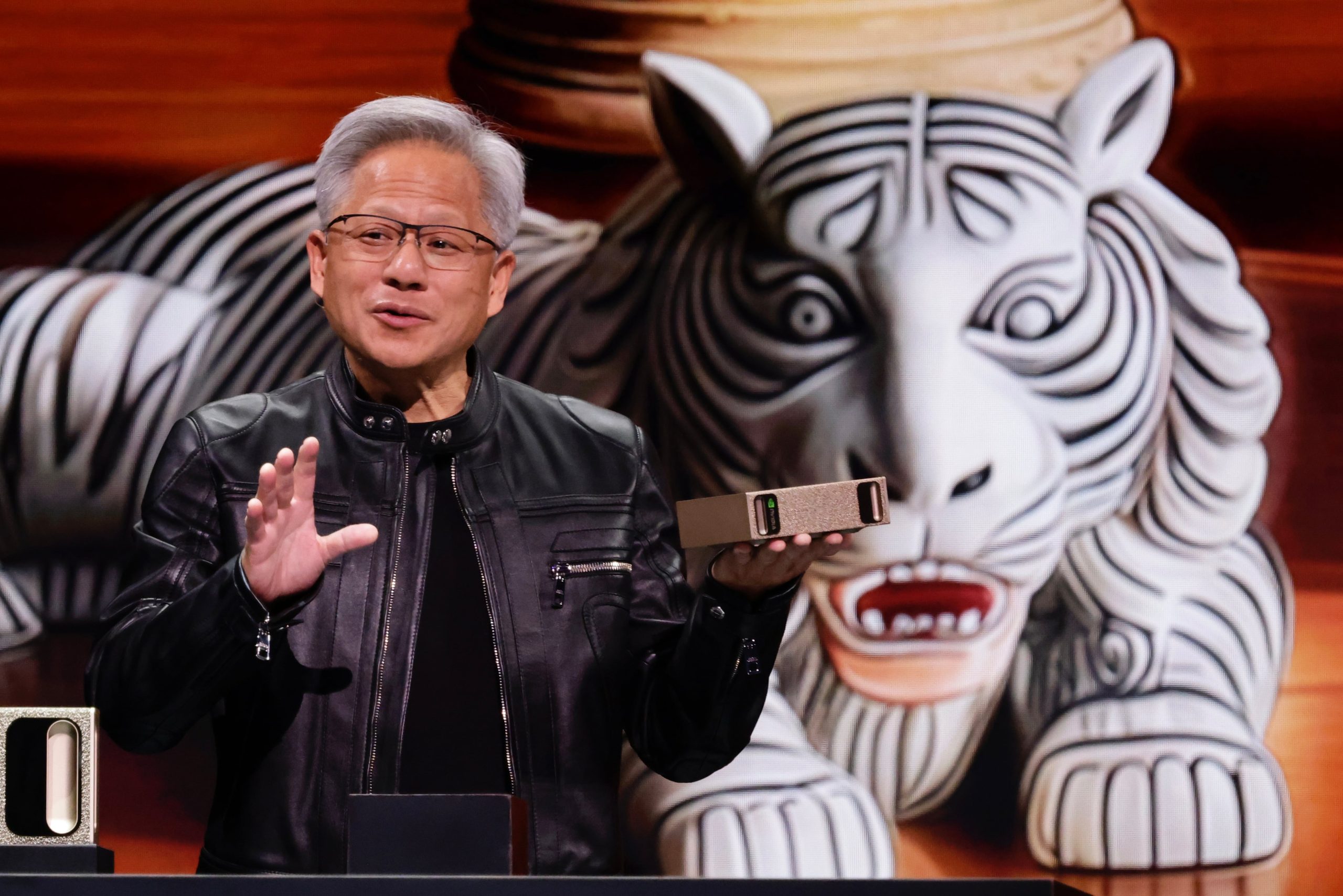
Behind the sensational details surrounding Nvidia CEO Jensen Huang’s admission of an extramarital affair is an alleged Chinese espionage plot to gain access to the technology giant’s most advanced chips.

The United States has been investigating the powerful executive, who is close to President Donald Trump, for nearly a year. But it was a letter from Huang that brought the matter into the headlines last Sunday. The 63-year-old admitted in a letter to Nvidia’s board that he had been unfaithful to his wife with a woman named Alice Huang, who is suspected of being a Beijing spy. The Chinese government has denied the allegations, and Trump himself weighed in, saying the FBI was investigating the matter but that he did not believe the head of the world’s largest chipmaker had any reason to worry.

The alleged scheme recalls other industrial espionage cases that have rocked prominent companies. This week, a case in which the United States government accuses Chinese company Huawei of being a “criminal” enterprise that “stole” from American companies to establish itself as a telecommunications giant was heard in court.

US accuses China’s Huawei of theft

“Theft, deception, and concealment” were three words used by Justice Department attorney Taylor Stout during a November 9 hearing in a New York court.

“For 20 years, that’s how Huawei, a massive Chinese telecommunications company, victimized American companies and abused the American financial system, all in an effort to dominate the telecommunications industry around the world,” Stout argued, according to Reuters. The alleged misconduct attributed to Huawei by the United States included a conspiracy to steal trade secrets from several American companies, including Cisco Systems and T-Mobile.

The company’s defense rejected the allegations. “It’s about competition, not conspiracy. Innovation, not theft. Ordinary business dealings, not criminal conduct,” attorney Brian Heberlig said, according to Reuters.
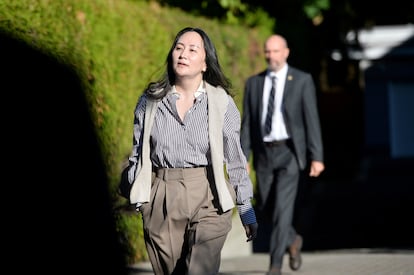
The case dates back to 2018, when the United States accused Huawei and its chief financial officer, Meng Wanzhou, of fraud and alleged violation of U.S. sanctions. Prosecutors said the company had misrepresented its business dealings in Iran to circumvent the sanctions and move money through the U.S. financial system. The allegations later expanded to include the alleged theft of trade secrets, which Huawei maintains was limited to “actions by individual employees” that were addressed at the time.

The case also made headlines in 2018 when Wanzhou was arrested in Vancouver at the request of the United States. The executive fought extradition for three years and was able to return to China following a diplomatic agreement among the three countries involved. The charges against her were dismissed in 2022 as part of an agreement, but her statements are expected to be used as evidence in the current case against Huawei.

Wind turbine manufacturer nearly bankrupted after losing its technology

When wind turbine manufacturer AMSC did business with Chinese company Sinovel Wind Group, it could not have foreseen an outcome that would bring it to the brink of bankruptcy. In 2018, Sinovel was found guilty in a U.S. court of stealing trade secrets from AMSC and was handed the maximum fine allowed by law: $1.5 million. That figure was negligible compared with the more than $550 million in losses AMSC suffered, according to a court in Madison, Wisconsin.

“Rather than pay AMSC for more than $800 million in products and services it had agreed to purchase, Sinovel instead hatched a scheme to brazenly steal AMSC’s proprietary wind turbine technology, causing the loss of almost 700 jobs,” the U.S. Department of Justice said in a statement at the time.

The scheme was carried out with the help of Dejan Karabasevic, the former head of the engineering department at an AMSC subsidiary in Austria. Two executives from Sinovel’s research and development division persuaded him to join their company and take with him the source code used in AMSC’s turbines.
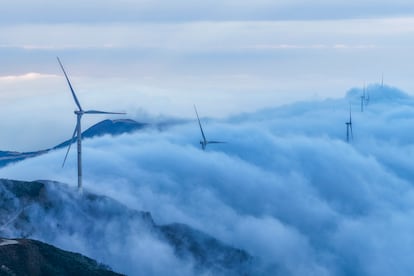
Karabasevic downloaded the code from a computer in Wisconsin, United States, onto a computer in Klagenfurt, Austria. Sinovel subsequently commissioned several wind turbines from AMSC and copied the stolen code into them, completing the theft for which it was later held responsible in a U.S. court.

The ‘Spygate’ scandal that rocked Formula One

In this case, the fine was considerably higher: $100 million. The penalty was imposed on McLaren in 2007 after the team was found to possess confidential information belonging to its competitor, Ferrari.

At the home of Michael Coughlan, McLaren’s chief designer at the time, investigators found a dossier of approximately 780 pages containing detailed technical information about the design, engineering, construction, testing, and development of a Ferrari Formula One car. The dossier also included information about the vehicle’s weight distribution, aerodynamics, and fuel systems, according to a document outlining the decision by the International Automobile Federation (FIA).

The investigation also found that Coughlan had held dozens of telephone conversations and exchanged more than 100 text messages with Nigel Stepney, who was then employed by Ferrari.

P&G contractors rummage through Unilever’s trash

The two consumer goods giants became embroiled in a dispute in 2001 after Procter & Gamble acknowledged that contractors had searched through and taken documents from Unilever trash bins outside its offices in Chicago, Illinois.

Procter & Gamble agreed to pay nearly $10 million and allowed an independent auditor to monitor the company, assuring its competitor that it would not use the nearly 80-page hair-care business plan that the contractors had retrieved from the trash.

No further details of the out-of-court settlement were disclosed at the time. Procter & Gamble said the contractors had not broken the law but had violated the company’s ethical policies. The company itself informed Unilever that the contractors had improperly obtained the plan related to its hair-care division, according to an article in The New York Times.

Continue Reading

America

Nvidia’s Chip Advantage Made Its CEO A Target For China

Published

on

nvidia’s-chip-advantage-made-its-ceo-a-target-for-china

Jensen Huang could hardly have imagined in 1993, when he met with a couple of friends at a Denny’s restaurant in the heart of Silicon Valley to discuss ways of improving video games, that he would one day become an influential billionaire caught up in one of the biggest espionage scandals in decades.

A case that emerged this week has shaken the foundations of the artificial intelligence industry, highlighting the diplomatic tensions between China and the United States and underscoring Nvidia’s near-monopoly in the global technology sector.

The company founded shortly after that meeting at the popular restaurant in Santa Clara, California, whose signature dish is a T-bone steak served with potatoes and eggs, announced this week that it has opened an investigation into Jensen Huang’s extramarital relationship with Alice Huang, a businesswoman of Chinese origin (who is not related to the Nvidia founder despite sharing his surname) who allegedly worked as a spy for Beijing. The two had maintained an intimate relationship for the past couple of years and were first seen together at a bar in Taipei in mid-2024.

The woman, also known as Huang Le, is accused of passing information to Chinese authorities about U.S. policy on artificial intelligence and about the inner workings of Nvidia’s business operations, according to U.S. intelligence services. In a statement released this week, the company said it had “no reason to believe that either national security or Nvidia secrets were compromised.”

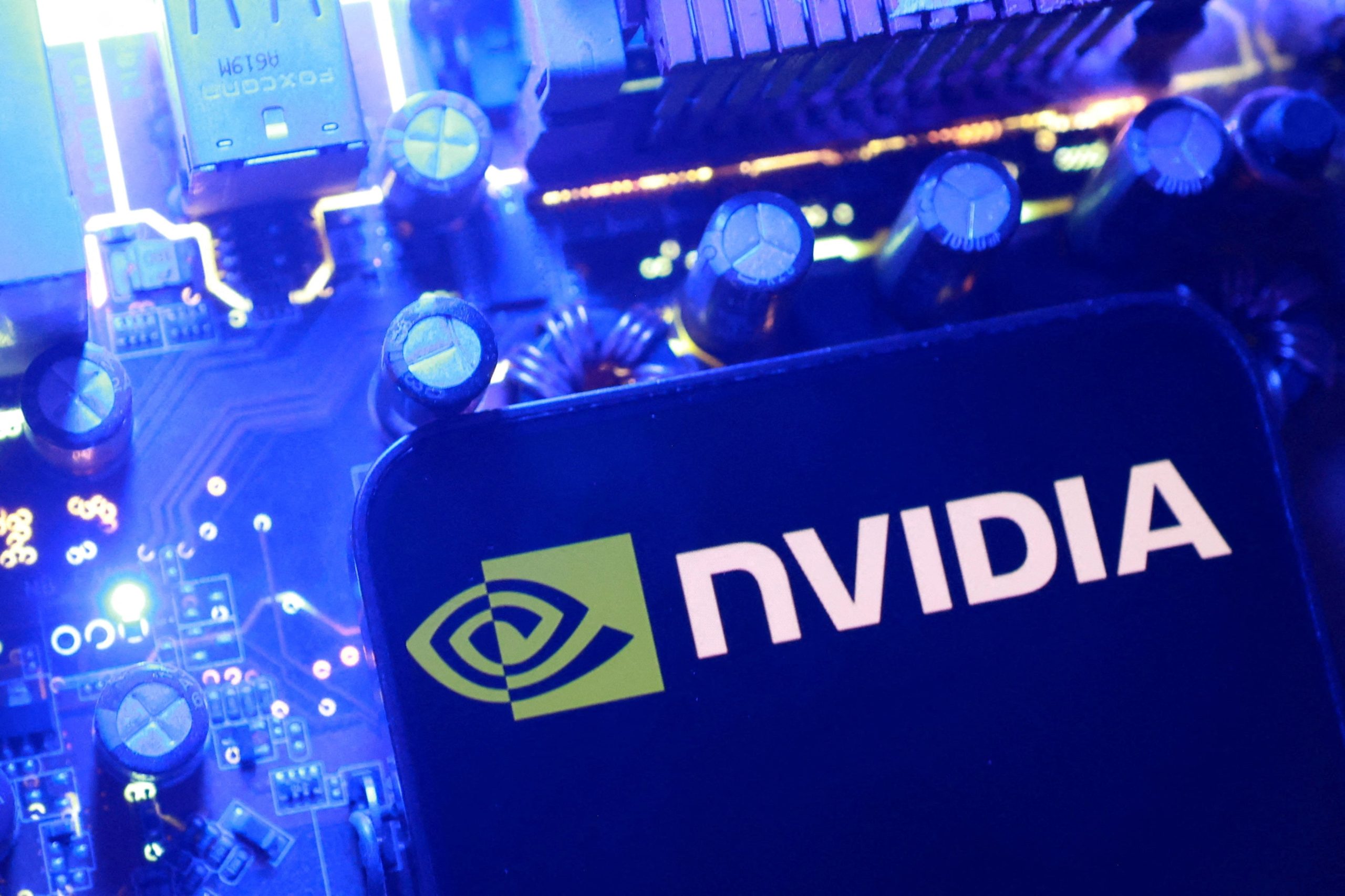
Nvidia is the world’s largest manufacturer of microprocessors. According to a study by Silicon Analyst, it controls between 80% and 90% of the market for AI accelerators by revenue, generating more than $100 billion a year from the GPUs used in data-center servers.

To understand why the Chinese government allegedly used an operative to approach Nvidia’s chief executive, it is necessary to understand the importance of the company’s semiconductors.

When Jensen Huang, who would later become a global celebrity with a devoted following, and his friends decided to develop chips for graphics cards to improve the gaming experience, they unwittingly designed the electronic circuits known as GPUs. These processors are uniquely suited to handling massive amounts of data, making them ideal for training and running artificial intelligence algorithms with heavy computational workloads.

Nvidia enjoys a strategic advantage over the rest of the industry. Whereas central processing units (CPUs), the chips commonly found in computers, smartphones and other electronic devices, are optimized to handle a relatively small number of highly complex tasks, GPUs are better suited to performing large numbers of simpler calculations simultaneously.

Nvidia designs and develops both those silicon chips, which in some ways resemble a neural network, and the software that controls them, giving the company an almost monopolistic position in the AI industry. No rival has managed to match the reliability and performance of Nvidia’s products. The sector’s biggest players, including OpenAI, Anthropic, Google, Meta and Amazon, rely on those chips to power the data centers where they train their AI models.

GPU semiconductors

Amid the industry’s AI race, demand for chips has surged. A single cutting-edge Nvidia semiconductor from the Rubin or Blackwell Ultra families costs close to $60,000, according to estimates by Morgan Stanley.

The company, with a market capitalization of more than $4 trillion, making it the world’s second most valuable corporation after Apple, sells around seven million chips across its product lines, according to industry sources, as Nvidia does not disclose exact figures.

The biggest players in tech are competing for the favor of Jensen Huang, who looks more like a Hollywood star than a semiconductor executive, complete with a tattoo of Nvidia’s logo on his left shoulder and his trademark black leather jacket. They court him in the hope of securing as many chips as possible as competition in the AI industry grows ever more intense.

The fierce race to dominate the AI industry has heightened tensions between the United States and China, which is unable to obtain Nvidia’s most advanced processors. In 2022, Democratic president Joe Biden imposed export controls barring the sale of certain advanced technology products to China in an effort to preserve the United States’ lead in the sector.

U.S. officials began investigating Huang Le about a year ago amid suspicions that her company, Megaspeed, was being used as a front to smuggle Nvidia’s highly sought-after chips into China.

According to The New York Times, U.S. President Donald Trump was informed shortly afterward that the Chinese businesswoman had ties to a high-profile U.S. citizen, whose identity has not been disclosed, and who allegedly had access to sensitive information about artificial intelligence.

“I’d have to check,” the Republican president said Monday when reporters asked whether he remembered the intelligence briefing. “I’d certainly check with the intelligence people. It could have been mentioned. Certainly, it didn’t make much of an impact on me,” he added, without providing further details.

Around the same time, Huang stepped up his lobbying of the president to ease restrictions on chip exports to China. He wanted the White House to allow Nvidia to sell the semiconductors used to train AI models to Chinese companies. Just before Trump’s trip to Beijing to meet Chinese leader Xi Jinping, the U.S. president came close to granting Huang’s request, only to reverse course after a warning from Secretary of State Marco Rubio.

Even so, two months later Washington relaxed the restrictions, allowing Nvidia to sell a specific version of its H20 chips to a select group of Chinese companies in exchange for 25% of the resulting revenue and for China to lift its ban on exports of rare earths, which are critical to the technology sector. The episode has fueled concerns about Huang’s influence over the decision.

Months later, this spring, intelligence agencies produced a classified report that brought together the various suspicions surrounding the case. The document, overseen personally by Secretary Rubio, confirmed Huang’s relationship with the Chinese businesswoman, whose objective was allegedly to obtain information about advanced AI chips and influence their large-scale distribution in China.

The report was circulated confidentially among senior White House officials. Asked on Monday whether he was aware of the allegations involving Huang, Trump sought to distance himself from the matter.

“We’ll look into it, I know the FBI is looking into it in terms of something else, and I think that he’ll be in good shape,” the president said, after acknowledging that he had spoken with Huang, who told him he had no idea the woman was allegedly a spy.

Beijing’s interest in obtaining Nvidia’s highly sought-after chips stems from its determination not to fall behind in the AI race. At the same time, the company sits at the center of broader geopolitical tensions.

Jensen Huang was born in Taiwan 63 years ago but grew up in Oregon. When he founded Nvidia, he decided to base manufacturing in Taiwan through a privileged partnership with TSMC, the world’s largest chipmaker. Nvidia designs its chip architecture and software at its headquarters in Santa Clara, then sends the designs to be manufactured at TSMC’s facilities in the Hsinchu Science Park, near Taipei.

The arrangement has created a complex corporate relationship linking U.S. interests with Taiwan’s semiconductor industry, a source of concern for Beijing. The revelations about Huang’s relationship with an alleged Chinese spy have therefore added a new layer of tension to an already sensitive geopolitical landscape.

Sign up for our weekly newsletter to get more English-language news coverage from EL PAÍS USA Edition

Continue Reading

America

Thomas Markle Se Corta La Pulsera Electrónica De Vigilancia Y La Jueza Decide Meterlo En Prisión Sin Fianza

Published

on

thomas-markle-se-corta-la-pulsera-electronica-de-vigilancia-y-la-jueza-decide-meterlo-en-prision-sin-fianza

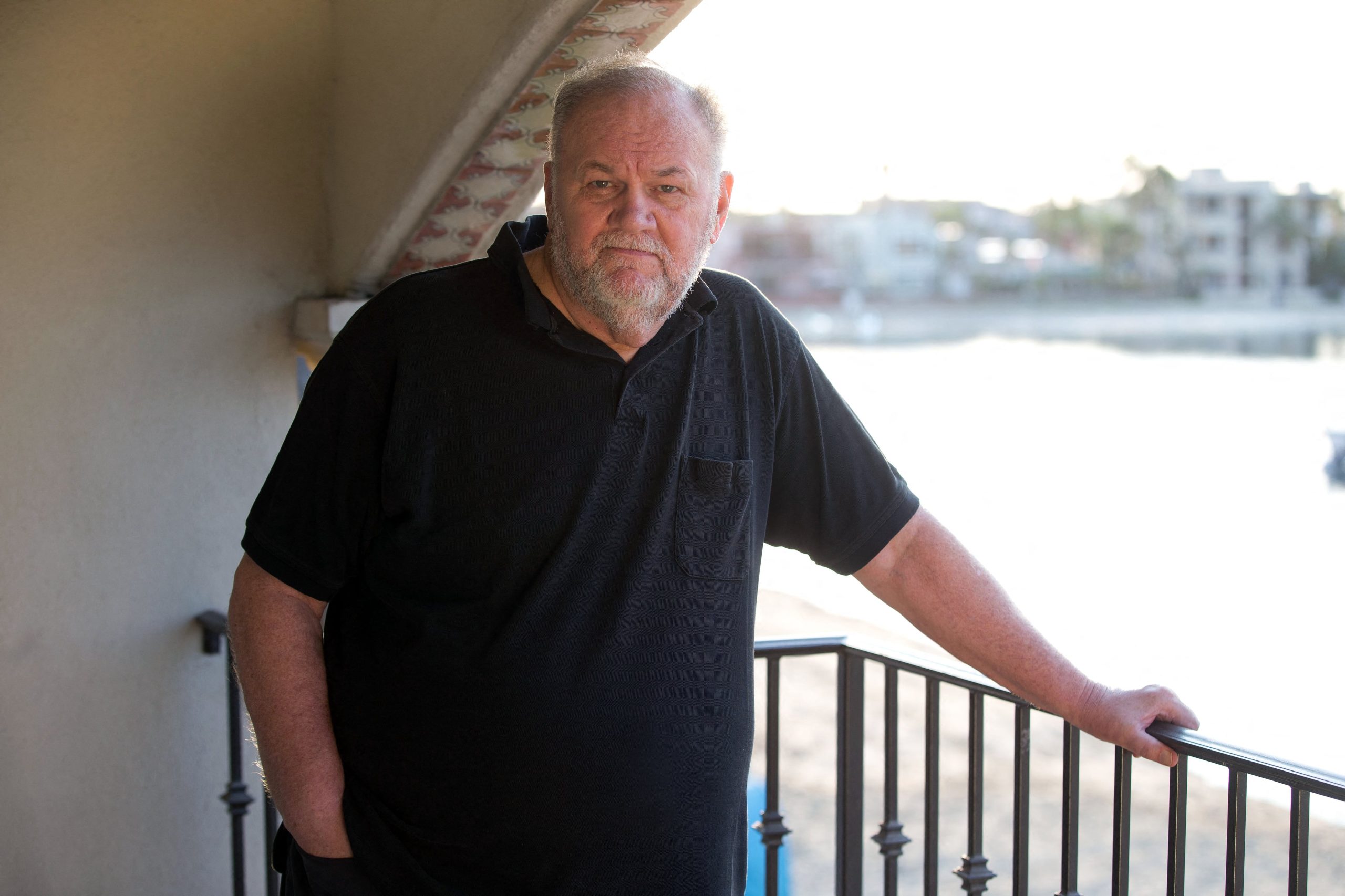
Thomas Markle, el padre de Meghan Markle, fue detenido el viernes en Florida por posesión de pornografía infantil. Tras una breve vista, la jueza decidió dejarle en libertad, bajo fianza y con un brazalete electrónico para controlar sus movimientos. Sin embargo, este martes se ha sabido que la pasada noche Markle se cortó dicha pulsera, lo que ha hecho que la Fiscalía exija que entre en prisión. Finalmente, unas horas después, la jueza Lindsay Griffin, que lleva el caso, así ha hecho, deteniéndole y poniéndole bajo custodia federal.

Seguir leyendo

Continue Reading

Trending

Copyright © 2017 Spanish Property & News