
Bitcoin
From Rural Puebla To Sinaloa: Mexico’s Cartels Tap Into The Cryptocurrency Boom










Bank of America
Narco Brokers In Mexico, A Booming Business Thriving Alongside Chinese Money-Laundering Networks

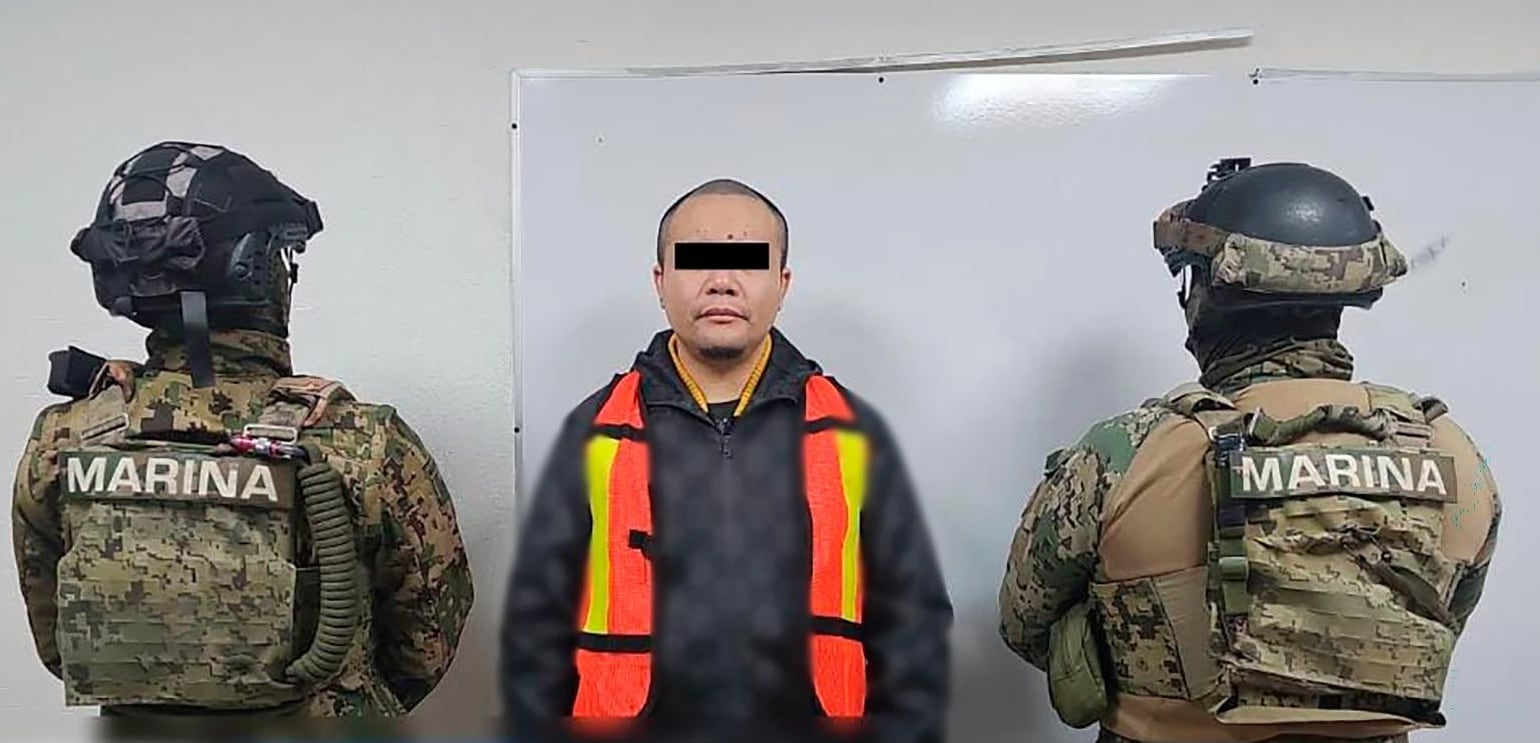
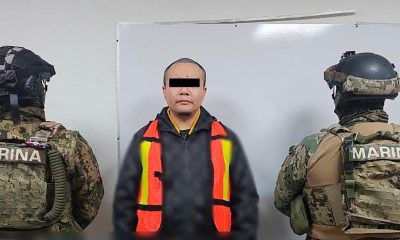
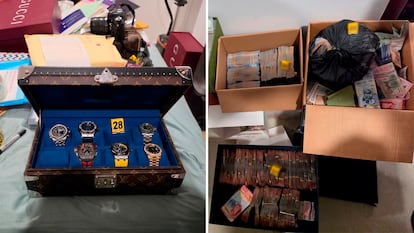
Bojun He, known as “El Chino,” was arrested on November 4 in the Miguel Hidalgo borough of Mexico City with $2 million and 43 million pesos, in both local and foreign currency. The detainee was identified as the alleged leader of a money-laundering network for organized crime, including the Mexico City-based Unión Tepito cartel, and linked to arms and human trafficking with operations in central Mexico City, Tijuana (Baja California) and Cancún (Quintana Roo). His capture has highlighted the role played by brokers — or financial intermediaries — in Chinese laundering networks that act as the cartels’ economic arm.
The arrest of El Chino recalls others such as that of Tomoiyi Yu in 2007 at his home in Lomas de Chapultepec, Mexico City, where the Attorney General’s Office seized more than $200 million. The wife of Zhen Li Ye Gon, a Mexican pharmaceutical businessman of Chinese origin accused by Mexico and the United States of illegally trading chemical precursors for methamphetamine production, was sentenced to 15 years in prison for organized crime, money laundering and possession of military-grade weapons and ammunition. More recent cases include Zhi Dong Zhang, alias “Brother Wang,” the Chinese fentanyl kingpin, and Marco Ebben, who was considered Ismael “El Mayo” Zambada’s Dutch broker and was killed in Atizapán in 2025. What did all these financial intermediaries have in common? They connected organized crime across continents and made it possible for dirty money to be legalized.
According to Víctor Sánchez, an academic at the Autonomous University of Coahuila (UAdeC), people of Chinese origin or networks from the Asian country — some linked to triad organized crime groups, others operating independently — have been inserting themselves into the dynamics of Mexican criminal organizations. The security expert says that, perhaps alongside Albanian mafias, they may be the second-largest source country assisting drug traffickers with money laundering, primarily because of the significant advantages this offers them.
First, with China — unlike almost any other country (except the U.S. in the case of Mexico) — there is significant and intense international trade. “That means the opportunities to disguise illegal operations as legal ones are quite significant. Every shipment of Chinese goods arriving at Mexico’s various ports can consistently become an opportunity for money laundering, and since so many arrive so frequently, keeping track of them all is impossible; it’s the old adage of finding a needle in a haystack,” Sánchez explains over the phone.
The second major advantage Chinese laundering networks offer is the market’s lowest rates. The UAdeC academic says that while other providers of these services charge around 10% to 15% on average, the Chinese charge between 3% and 5%. “Thus it becomes more profitable for Mexican organizations to turn precisely to the Chinese,” he notes.
According to Pablo Pérez, an international expert on money laundering and asset recovery, one of the main methods these Chinese networks use to launder funds is triangulation among China, Mexico, and the United States, because China has an annual legal limit of $50,000 for citizens withdrawing foreign currency. There are businesspeople and citizens who seek to move capital in renminbi (RMB) — the official name of the national currency, which means “the people’s currency” — to invest it abroad. An example of this is real estate in the United States.
He also explains, as CEO of RiskFlow — a company specialized in preventing money laundering — that Mexican cartels sell narcotics in the U.S. and obtain cash dollars, but need to return those funds to Mexico converted into pesos. To connect both needs, they resort to the Chinese informal banking system known as Fei Qian, equivalent to the historical Hawala, an informal funds-transfer system.
“The Chinese investor hands over RMB in China to an informal agent and the network provides the equivalent in cash dollars in the U.S., money coming directly from the cartel’s profits. To reconcile funds between China and Mexico, importing companies are used, for example, in appliances or telecommunications in Mexico. The Mexican importer receives products valued at a higher figure, say $10 million, but only pays a lower amount, $8 million, settling the difference through the network. Crypto assets such as Bitcoin are also used to transfer value without leaving a trace,” Pérez adds.
In the United States, the asset-recovery expert continues, illicit cash is moved into the banking system by recruiting Chinese university students who deposit fractional sums at ATMs in exchange for living-cost payments. It also involves injecting funds into the accounting of Chinese-community businesses such as restaurants, bazaars, currency-exchange houses, and remittance agencies, where commissions of between 5% and 10% are charged. Another method is fake invoicing for purported consulting services or suppliers to legally justify purchases of luxury real estate, such as apartments in Miami.
A recent example is the $500 million fine imposed by the U.S. Department of the Treasury’s Financial Crimes Enforcement Network on Bank of America, due to internal control failures that allowed transactions linked to Chinese networks. “It is estimated that more than $5 billion passed through Bank of America without adequate controls. This issue is a priority for the governments of Mexico and the United States, and is part of the risk assessments of the Financial Action Task Force,” Pérez adds.
Until a few years ago, the Jalisco New Generation Cartel or the Sinaloa Cartel were the organizations that worked with these brokers. They facilitate purchases for obtaining chemical precursors to manufacture fentanyl or money laundering with the Albanian mafia to buy luxury properties in Europe. However, Sánchez says this type of service is not only for the major players in organized crime, so it is not surprising that El Chino allegedly tried to do the same for a smaller criminal group like the Unión Tepito.
“Many turn to national channels because that’s what they’re familiar with or because of the contacts they have in their social circles, but in a city that’s a bit more cosmopolitan and internationally connected, like Mexico City, it’s not unusual for them to come into contact with foreign businesspeople,” the expert explains.
Sánchez agrees that the presence and importance of narco brokers is not an isolated phenomenon, but rather a trend that makes “perfect sense.” Organized crime, the scholar asserts, is a “booming business” that generates a great deal of money, and part of that money needs to be injected into the legal economy. “Furthermore, when it comes to money laundering, the basic principle applies that it is harder to detect the process in places where there is more money: a million dollars in a mountain town in Durango stands out a lot, but in Mexico City, San Pedro Garza García, Zapopan, Cancún, Hong Kong, Shanghai, London, or New York, it is practically nothing, and the chances of detection are slim,” he concludes.
Sign up for our weekly newsletter to get more English-language news coverage from EL PAÍS USA Edition

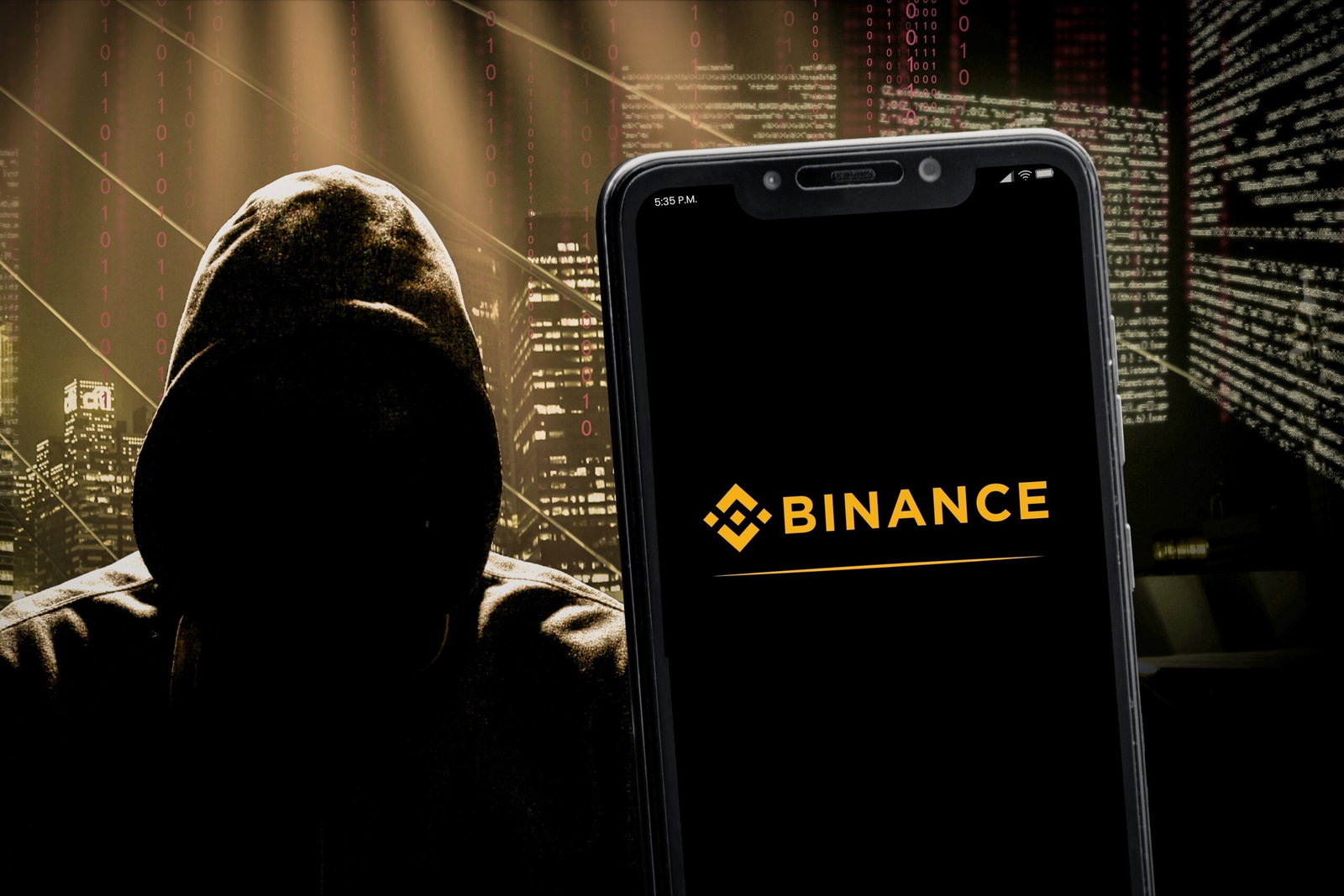
North Korean-linked groups have been accused of stealing digital currencies. Photo credit: JOCA_PH/Shutterstock
Imagine checking your cryptocurrency account and discovering that the exchange holding your money has been hit by a theft worth billions. That is the situation facing Binance, the world’s largest cryptocurrency exchange by trading volume, after hackers stole an estimated $6.3 billion in a cyberattack that has sent shockwaves through the cryptocurrency industry. The attack took place on Thursday, October 29, targeting the systems Binance uses to authorise and process transactions.
The theft is being described as the largest cryptocurrency heist in history, with blockchain analysts reporting that much of the money was transferred within approximately 20 minutes. Binance has pledged to cover the full financial loss, but the scale of the breach has raised serious questions about how an exchange handling billions of dollars in digital assets could have its security systems compromised.
Hackers exploited Binance’s transaction systems
Binance’s initial investigation suggested that the attack may have started with a compromised laptop belonging to a DevOps engineer. The hackers are believed to have used access gained through the device to enter a service container and submit withdrawal transactions without proper authorisation. The company later discovered additional points of compromise and said the incident was more complex than first understood. It has not yet published a complete technical explanation of how the attackers managed to move such a large amount of cryptocurrency.
Investigators believe the attackers gained control of part of the infrastructure responsible for approving transactions. This allowed them to authorise transfers to wallets under their control. Binance has said there is currently no evidence that private keys belonging to its wallets were leaked. It has revoked the affected authorisations and is examining the systems involved in the breach.
Binance promises to replace the stolen money
The exchange has said it will absorb the entire financial impact rather than pass the losses on to users. It is using its Secure Asset Fund for Users (SAFU), an emergency reserve established to protect customers in the event of serious security incidents, alongside its corporate funds. In its October 30 update, Binance said it had allocated more than $6.34 billion to cover the loss. Around $5 billion was held in the same types of cryptocurrency that had been stolen, with the remaining amount being purchased through market and over-the-counter transactions.
The company said it had already covered approximately 80 per cent of the affected amount. That commitment is significant given the size of the theft. The amount involved is far beyond the losses suffered in many previous cryptocurrency exchange attacks, and replacing it requires Binance to put substantial company resources behind its promise.
Billions frozen as investigators trace the money
Recovering the stolen cryptocurrency is another matter. Once digital assets have been transferred between wallets, tracing their movements can be difficult, particularly when criminals use multiple addresses and services in an attempt to conceal where the funds have gone. Binance reported that approximately $3 billion in affected assets had been frozen through cooperation with its partners. The company is also working with law enforcement agencies, blockchain intelligence firms and cryptocurrency issuers to identify and restrict further transfers.
Tether and Circle are among the companies reported to have frozen assets connected to the incident. Their involvement is important because issuers of certain digital currencies can sometimes freeze tokens held at identified wallet addresses. However, freezing assets does not mean that all the stolen money has been recovered. The whereabouts of the remaining funds are still being investigated, and the final amount that can be retrieved remains uncertain.
North Korean hackers suspected
Attention has also turned to the possible identity of those behind the attack. Blockchain analysis firms have identified similarities between the Binance incident and previous cryptocurrency thefts linked to North Korean hacking groups. Researchers at TRM Labs and other firms have pointed to techniques resembling those used in earlier attacks, including the major theft from cryptocurrency exchange Bybit in 2025.
North Korean-linked groups have been accused of stealing digital currencies to generate funds for the country. However, no official investigation has publicly confirmed that North Korea was responsible for the Binance breach, and the suspected connection remains under examination.
Withdrawals suspended while security checks continue
Binance temporarily suspended deposits and withdrawals while it investigated the breach and secured the affected systems. The exchange subsequently said that deposits and services not affected by the attack remained operational, although withdrawals were still subject to security checks before normal access could resume. The company has been working to strengthen its transaction approval systems and verify that the breach has been contained. It has also promised to release a more detailed technical account once its investigation is complete.
The attack has also affected confidence across the cryptocurrency market. Bitcoin and Ether came under pressure following reports of the theft, while shares in some companies connected to the digital currency industry also fell. Binance now faces questions over how hackers managed to breach its transaction systems and whether its security measures are strong enough to prevent another attack Even if the company makes good on every dollar, the breach has exposed how vulnerable an exchange can be when attackers find a way into the machinery used to approve transactions. And with $6.3 billion involved, the questions about how it happened are unlikely to disappear when the money is replaced.

Marbella’s 20 Events Tackle Violence On Women
Spain train driver sparks outrage with ‘let’s pray nothing happens’ announcement

Spain Train Driver Sparks Outrage With ‘let’s Pray Nothing Happens’ Announcement


-

 New Developments2 weeks ago
Luxury Villas For Sale, Estepona – ProjectL1
-

 New Developments3 weeks ago
How To Get A Tourist Rental Licence In Andalusia (Spain) – Step-By-Step Guide 2025
-
Age Concern Marbella - San Pedro3 weeks ago
Halloween lunch sells out as 51 join Marbella get-together
-
Barcelona riots3 weeks ago
Looting and street violence hit Barcelona as El Corte Inglés customers are trapped
-

 %3 weeks ago
Spain Orders Replacement Of Eight Million Gas Meters: New Rules, Costs And Deadlines
-

 New Developments3 weeks ago
Inside The Most LUXURIOUS Apartment Building In Spain!
-
Costa del Sol3 weeks ago
Where are they? Expat questions local police presence
-
Gibraltar3 weeks ago
Proud to be British: HMS Queen Elizabeth opens its doors in Gibraltar