
Air conditioning
Could homes in Spain soon regulate their own temperatures without heating or air conditioning?

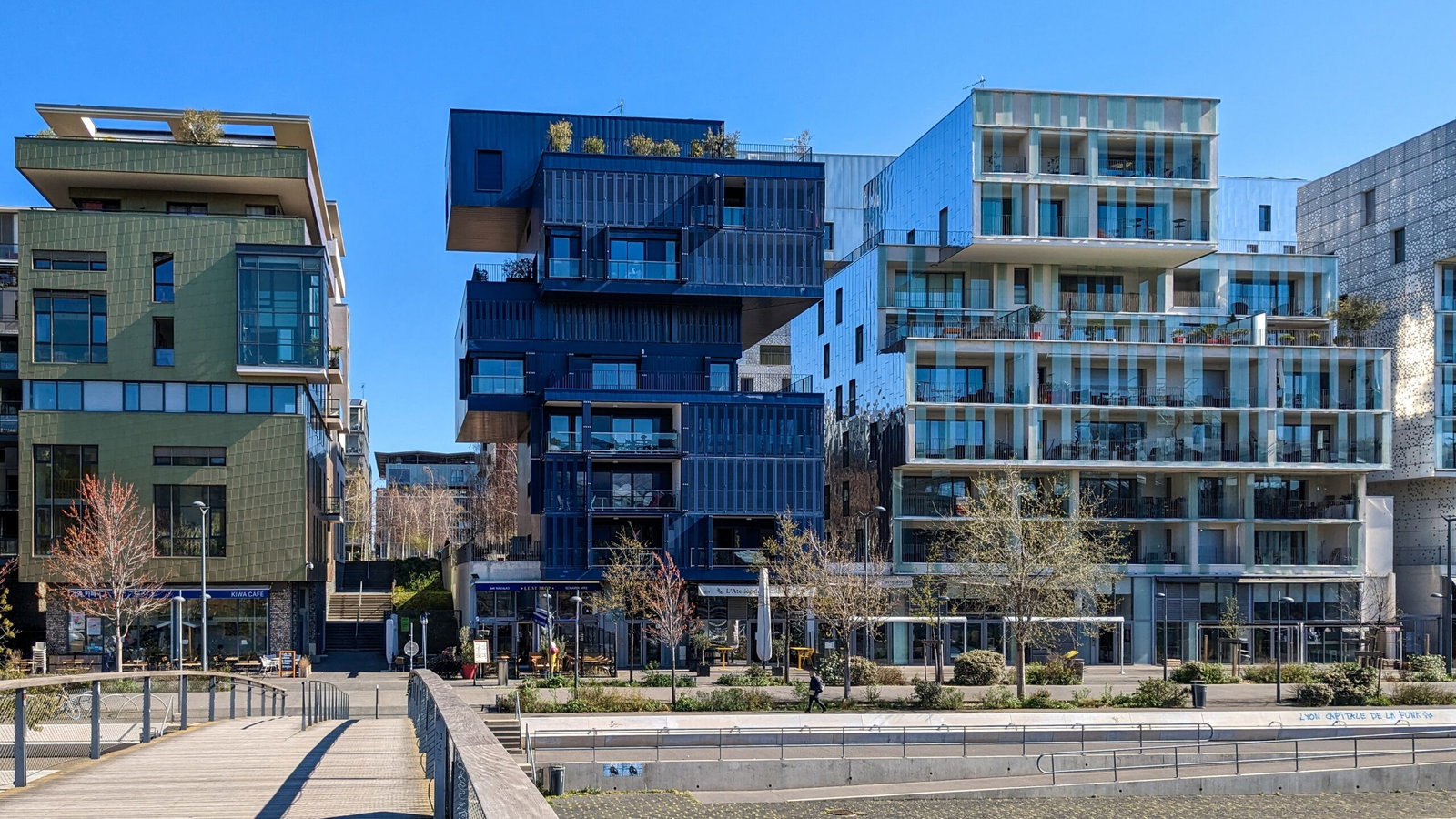
The design also uses carefully positioned windows, insulation and automated ventilation panels. Photo credit: Volker Vornehm/Shutterstock
Keeping a home comfortable in Spain can be an expensive balancing act. Summer temperatures can turn bedrooms into ovens, while winter brings freezing nights that make poorly insulated houses difficult to heat. With energy bills adding to household costs, a building designed to maintain a comfortable temperature without relying on conventional heating or air conditioning raises an interesting question: could homes be built to stay comfortable naturally, whatever the season?
A new residential development in Lyon has put that idea into practice, using the building itself to regulate indoor temperatures rather than depending on radiators and air-conditioning units. Its design aims to keep homes between 20°C and 26°C throughout the year, with the structure doing much of the work.
How can a building regulate its own temperature?
The concept is based on thermal inertia, using substantial building materials to absorb heat and release it gradually. Thick walls help slow the movement of heat between indoors and outdoors. In summer, they can delay the arrival of outside heat; in winter, they help retain warmth rather than allowing it to escape quickly.
The design also uses carefully positioned windows, insulation and automated ventilation panels. Sensors monitor indoor conditions and the weather outside, adjusting ventilation when fresh air is needed. Sunlight can contribute warmth during colder months, while shading and controlled airflow help limit overheating in summer.
Could it work in Spain?
A building designed to cope with the weather in Lyon would not necessarily perform in the same way in Sevilla, Madrid or Málaga. Spain’s climate varies enormously, and a home needs to be designed around the conditions it actually faces. In coastal areas, keeping direct sunlight out and making use of cooler night air can be crucial during summer. Inland, the problem is more complicated. Madrid can experience temperatures above 40°C in summer, followed by freezing winter nights.
Walls that store heat can help during cold spells, but without adequate shading and ventilation they can also retain unwanted warmth when temperatures soar. That is why insulation alone is not enough. Window placement, external shutters, roof protection and the ability to ventilate a property safely at night all influence how comfortable it will be.
Would it mean lower energy bills?
The developer estimates that the building could reduce energy consumption for heating and cooling by 73 per cent compared with a conventional new development. That is a projected saving rather than a figure established through years of independent monitoring. Nor is the building entirely without conventional heating: auxiliary radiators are installed for exceptional circumstances, including extreme weather and periods when apartments have been left empty.
The idea is not that Spanish households could immediately get rid of their air conditioning or radiators. It is that better-designed homes could need to use them far less. Better insulation, external shading, airtight construction and night-time ventilation can all help reduce the strain on cooling and heating systems, whether in a new build or an existing property.
The cost of making these improvements is another consideration. Thick walls, high-performance glazing and carefully designed ventilation are easier to incorporate during construction than to retrofit into an older home. But with summer heat becoming increasingly difficult to manage and winter heating still expensive, building homes that work with the local climate rather than constantly fighting it could make a real difference to household energy use.








Could homes in Spain soon regulate their own temperatures without heating or air conditioning?

Could Homes In Spain Soon Regulate Their Own Temperatures Without Heating Or Air Conditioning?

Trump Obstaculiza La Supervisión De Contratos Por Un Congreso Controlado Por Los Demócratas


-

 New Developments3 weeks ago
Luxury Villas For Sale, Estepona – ProjectL1
-

 New Developments2 weeks ago
The San Roque Club – Townhouses For Sale
-

 New Developments4 weeks ago
How To Get A Tourist Rental Licence In Andalusia (Spain) – Step-By-Step Guide 2025
-
Age Concern Marbella - San Pedro4 weeks ago
Halloween lunch sells out as 51 join Marbella get-together
-
 %4 weeks ago
Spain Orders Replacement Of Eight Million Gas Meters: New Rules, Costs And Deadlines
-
countryside3 weeks ago
Rural revival: Five Almeria villages make moving inland easier and more enticing
-
Costa del Sol4 weeks ago
Where are they? Expat questions local police presence
-
Mercadona4 weeks ago
Mercadona faces pressure over its ready-made meals as Spain’s bars demand new rules