
Ada Colau
Ahí Dentro Estaba El Presidente

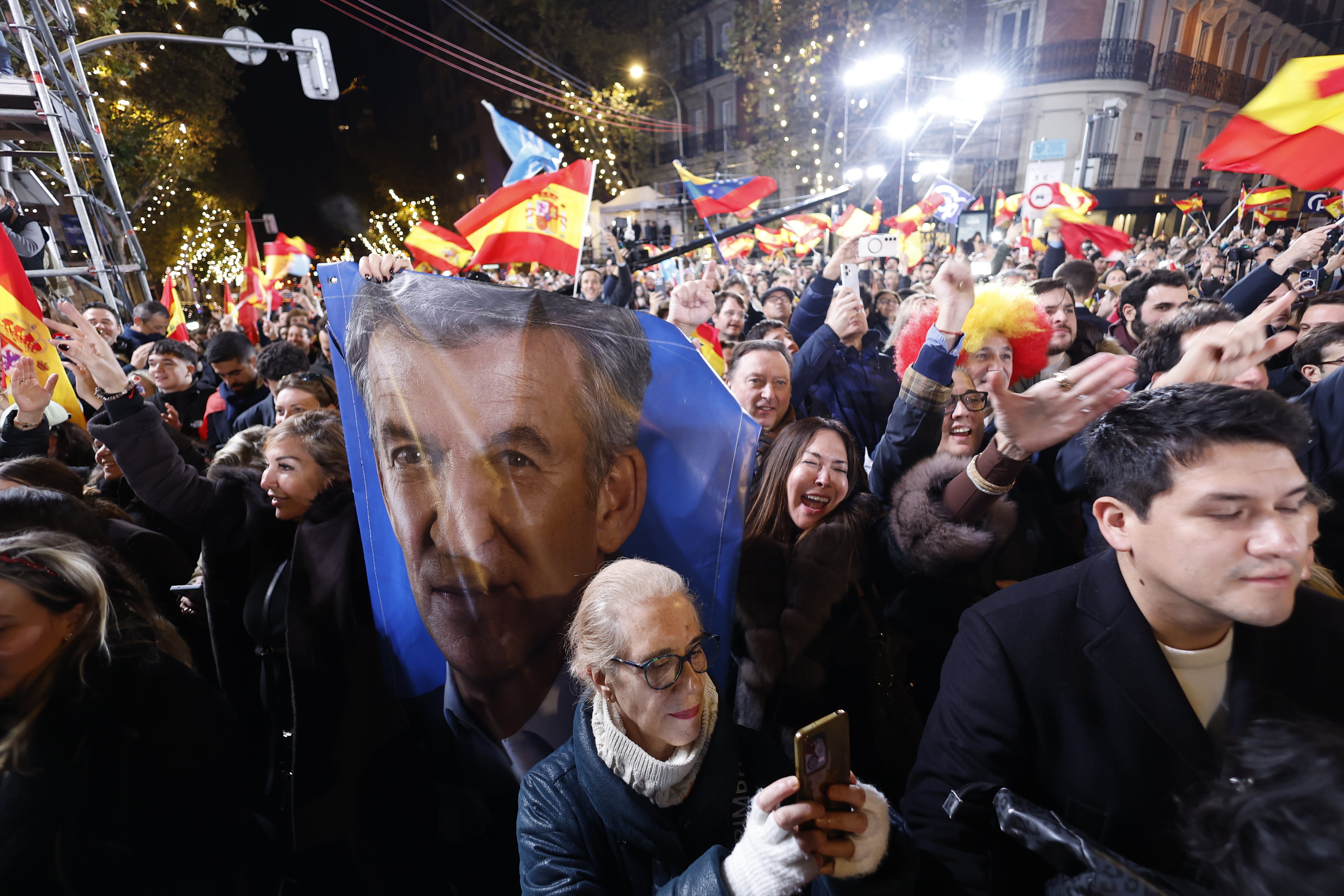
“Ahí dentro está el presidente”, le dicen a Carla. Carla mira hacia la puerta de Ferraz con genuina curiosidad. Son las ocho, hay poca gente en la calle y la mayoría son periodistas. Carla tiene cuatro años y estas son las primeras elecciones en las que ha votado. “Yo no sé si puede o no”, dice Sara, su madre, “pero le di la papeleta y la metió ella sola”. Carla asiente en su silla. Se le está poniendo cara de politóloga. Su padre, Ángel, ha cambiado el voto respecto a 2023. Sara, no. Se reservan su orientación. No están en Ferraz de fiesta; viven cerca, y se han acercado con la niña: “En las últimas elecciones dieron chocolate”.









Ada Colau
Elecciones Generales 29-N, En Directo | Sánchez Ve “una Movilización Histórica” Y Feijóo Pide A Los Españoles Que “voten Con Memoria”

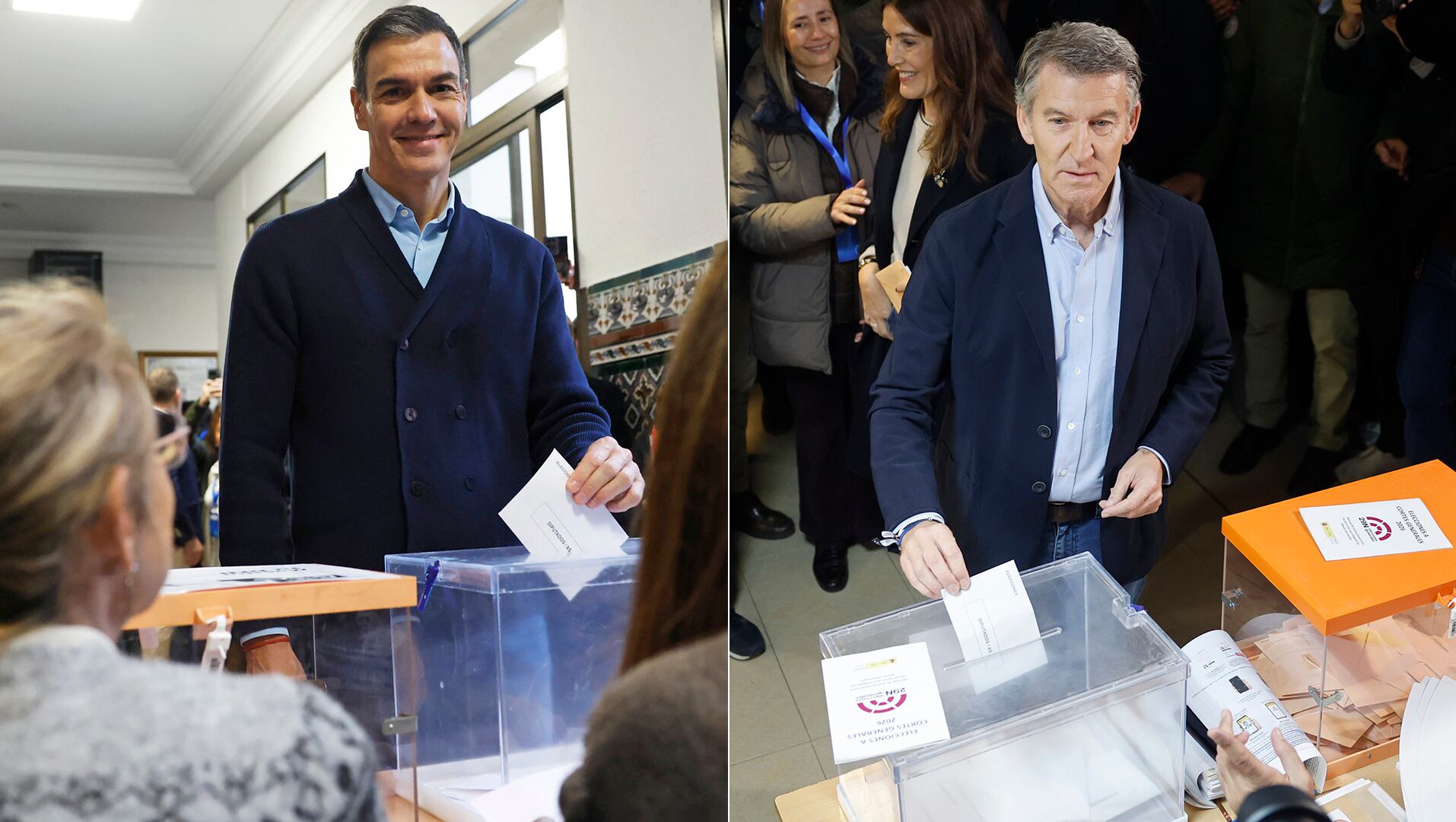

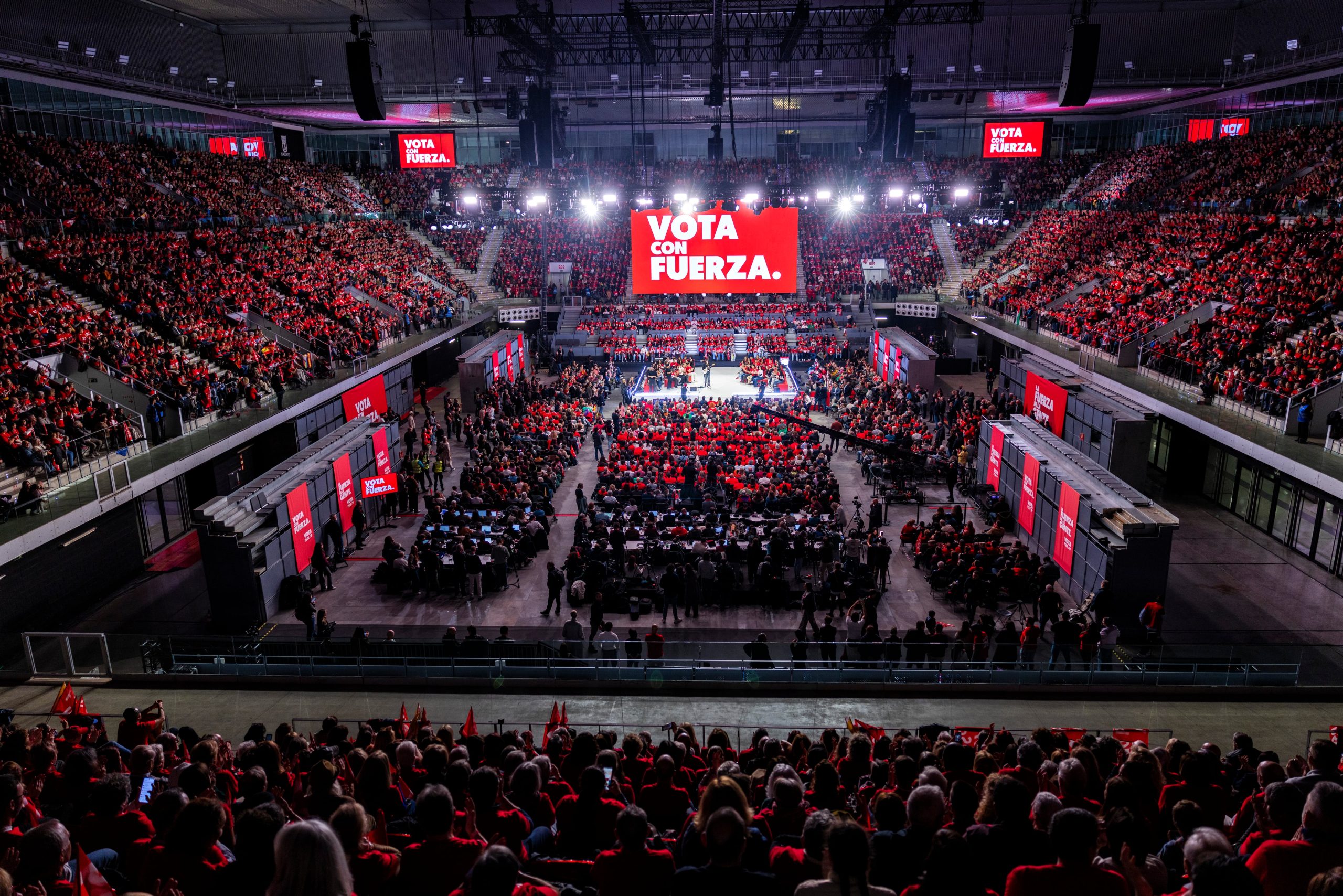
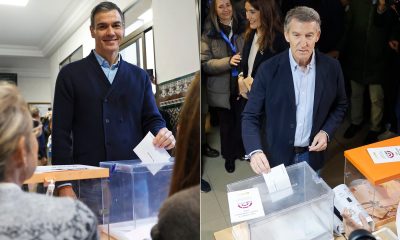
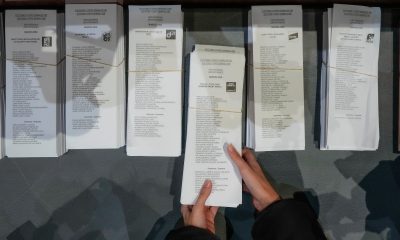
Nearly 39 million Spaniards are being called to the polls this Sunday after an election campaign that has attracted an unusually high level of public attention. The huge audiences for televised debates, candidates’ appearances with YouTubers, and digital news coverage all point to a turnout that may finally justify the overused adjective “historic.”
Polling forecasts suggest participation could reach as high as 80%, levels not seen in more than four decades, since the democratic upheaval of Spain’s Transition, the period following the end of Francisco Franco’s dictatorship and the country’s return to democracy. Such a high degree of voter mobilization introduces an element of unpredictability into the otherwise near-unanimous polling picture of a comfortable right-wing majority.
That engaged and expectant electorate moves this Sunday from the sidelines to the referee’s chair in an ideological contest more bitterly fought than any in recent memory. Two irreconcilable political blocs are vying for power: on the left, Prime Minister Pedro Sánchez of the Spanish Socialist Workers’ Party (PSOE) and Ada Colau of Frente Amplio; on the right, Alberto Núñez Feijóo of the Popular Party (PP) and Santiago Abascal of Vox. The divide was clearly on display in last Thursday’s final debate between the four leading candidates.
Amid this bitter contest, both sides agree on one thing: for very different reasons, each believes the stakes extend far beyond an ordinary struggle for power. That view is shared not only by today’s politicians but by figures from earlier eras as well. “These are existential elections,” warned former prime minister and former PP leader José María Aznar last Thursday. On the same day, José Bono, a veteran Socialist and former speaker of Spain’s lower house of parliament, told EL PAÍS that there had not been another election as consequential since 1976: “The result could mark a turning point in Spain’s history.” Voters see it much the same way. According to a 40dB poll for EL PAÍS and Cadena SER, 70% of respondents believe these elections are more important than any others.
The right has framed the election as a national emergency, arguing that “Sanchismo” must be brought to an end and its legacy dismantled. The term, used mainly by Sánchez’s opponents, refers to the policies and governing style associated with Sánchez. The left, meanwhile, argues that what sets this election apart is the possibility that, nearly half a century after the end of the dictatorship, a far-right party that has defended aspects of the Franco era could return to government through democratic means. It would do so as the junior but indispensable partner in a coalition led by Feijóo’s PP.
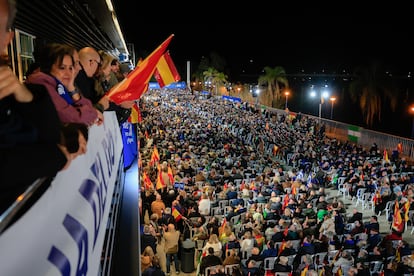
The high level of public engagement was fueled by a campaign packed with novel features. Chief among them was the importance of the battle in the digital sphere. Nothing illustrated this better than the sight of party leaders making pilgrimages to the home studios of YouTubers and influencers. Political parties flooded social media with videos and memes, while the PP even turned to artificial intelligence to caricature its rivals. These digital skirmishes often overshadowed the major policy debates. Recent events that shook Spain, including the Ceuta migrant crisis, the eviction and death of Maricarmen, who sparked mass protests over housing accessibility, and two deadly rail accidents, featured in the public conversation without ever fully dominating it.
Nor has the integrity of Spain’s electoral process been questioned so intensely before. Vox has been doing so for months, following a pattern seen among far-right movements elsewhere in the world. The PP was not far behind, using Spain’s so-called “grandchildren law” as a line of attack. The law allows descendants of Spanish exiles and emigrants to acquire Spanish nationality, and the party has argued that it could open the door to electoral irregularities. The message appears to have gained traction with some voters: nearly one in three respondents in a 40dB poll said they did not fully trust the fairness of the electoral process.
The right can almost taste power. After more than eight years out of office, it feels its turn has come at last. That drought began when Sánchez brought down Mariano Rajoy’s government through a no-confidence vote on June 1, 2018. The right spent the entire legislature licking its wounds after its unexpected defeat at the hands of the left and its pro-independence allies in 2023. The polls published before Monday, when Spain’s pre-election polling blackout came into effect, gave the right a bigger lead than it had enjoyed at the same stage in 2023. Feijóo already sees himself on the threshold of La Moncloa, the prime minister’s official residence and office, four and a half years after taking the reins of the party. It has not been a long journey, but compared with his largely untroubled years governing Galicia, it has been a turbulent one. And it has been deeply shaped by the disappointment of 2023.
Sánchez’s time in office has already surpassed that of Aznar. Only Felipe González, who spent 13 and a half years in power, remains ahead of him. The current Socialist leader could move closer to that milestone if he were once again to pull off one of the astonishing political comebacks that have punctuated his career. Were he to do so, he would cement his place in Spain’s political history. Since being ousted from the PSOE leadership by the party’s old guard in 2016, his trajectory has been a relentless obstacle course. None of those obstacles, however, may have been as daunting as this one.
The prime minister has repeatedly argued that a turnout of 75% would clear the way for a left-wing comeback. It is true that in this century the PP has never won an election when turnout exceeded 70%. But there are more distant precedents: Aznar came to power in 1996 after an election in which 77% of eligible voters cast a ballot. While there are signs that the left has become highly mobilized in recent weeks, the right has been mobilized for months.
Even if they lose power, the Socialists are still hoping for a consolation prize: finishing ahead of the PP as Spain’s largest political force. That would matter greatly to Sánchez, strengthening his position against any temptation within the party to settle scores. For Feijóo, it would further complicate what already looks set to be a difficult negotiation with Vox should a coalition become necessary. Polls have not identified this as the most likely outcome, but neither have they treated it as a far-fetched possibility. Much depends, among other things, on how large a bite the far right takes out of the PP’s vote, something that appears to have diminished over the course of the campaign.
Feijóo has avoided taking major risks and, unlike in 2023, has largely steered clear of significant missteps, apart from the controversies surrounding the final debate and his “quiet” remark directed at Colau. He has worked hard to present himself as a seasoned administrator, the asset his team hopes will help limit defections to Vox. As he traveled across Spain, Abascal projected a less combative image than usual, wary of feeding into the left’s warnings about the far right. He even went so far as to shout “Visca Catalunya!” (“Long live Catalonia!”) — a remarkable gesture from a politician whose party has built its identity around a hard-line defence of Spanish unity and opposition to Catalan separatism. He ended the campaign with a barrage of insults aimed at the Socialist leader, while a jubilant crowd chanted the insult that has become a rallying cry at many of his rallies: “Pedro Sánchez, son of a bitch!”
The final debate, held just three days before the election, has boosted morale within the Frente Amplio, which had been battered by a barrage of disastrous polls. Colau’s widely praised performance, at times more incisive than Sánchez’s in taking on the right-wing candidates, has given the radical left renewed hope of stemming the flow of voters to the PSOE.
Today’s vote is the 16th general election of Spain’s democratic era. Five of the previous contests produced a change of government. But none took place in an atmosphere quite like this one. More than a routine transfer of power, what appears to be at stake on November 29 is a historic turning point for Spain.
Sign up for our weekly newsletter to get more English-language news coverage from EL PAÍS USA Edition
Ada Colau
Cierre De Campaña De Las Elecciones Generales Del 29-N, En Directo | Sánchez Carga Contra El PP Y Vox Por Intentar Deshumanizarle Y Convertir Las Elecciones En Un Referéndum Contra él
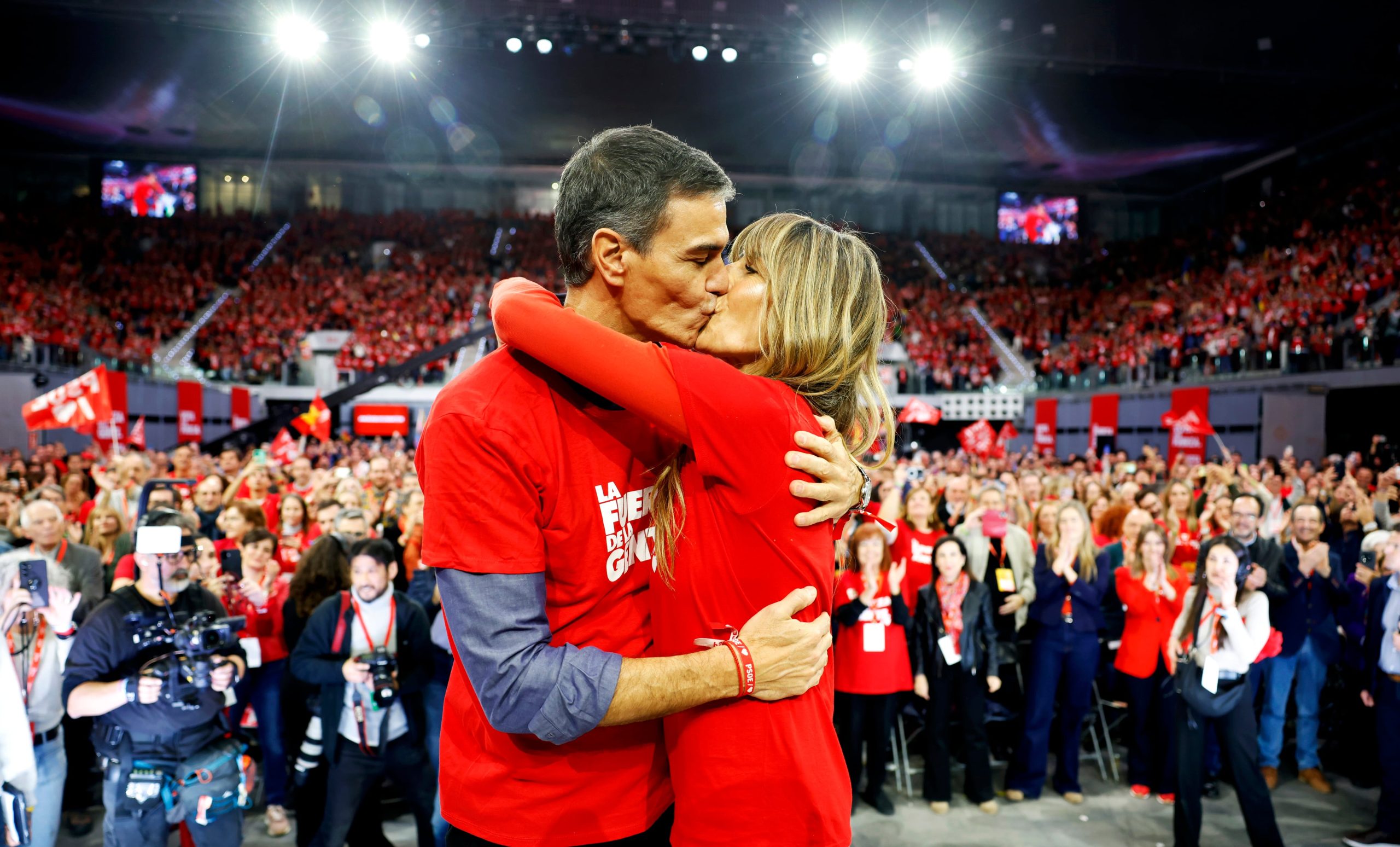
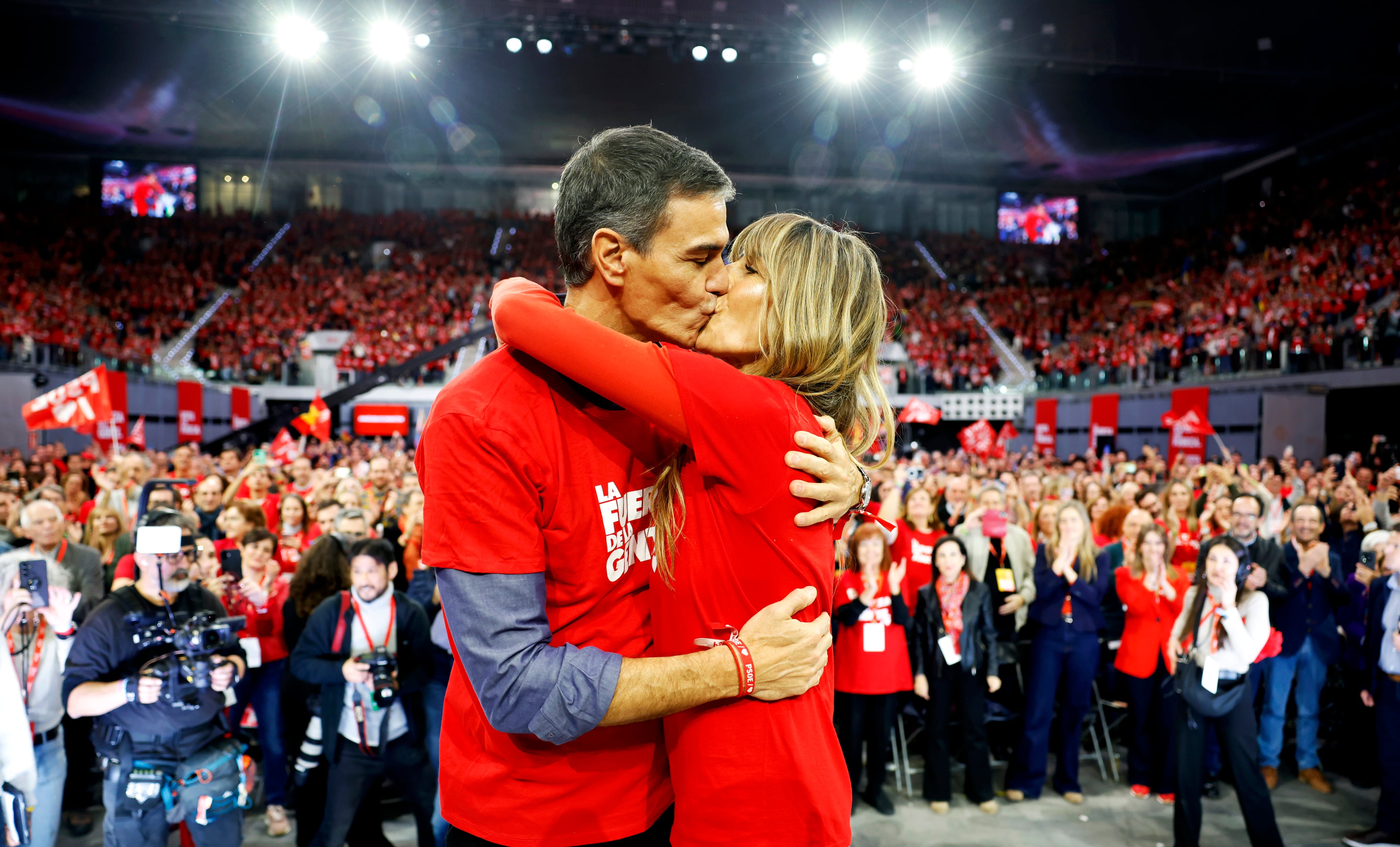
El presidente del Gobierno y candidato socialista a la reelección en las elecciones generales del 29-N, Pedro Sánchez, ha criticado en el mitin de clausura del PSOE en Madrid que PP y Vox hayan “intentado convertir estas elecciones generales en un referéndum contra el malvado Sánchez, al que han intentado deshumanizar. Pero estas elecciones no van de mí, van de vosotros, de vuestros derechos, de vuestras libertades, de vuestro empleo, de vuestra vivienda, de vuestra dignidad”. Mientras, el líder del PP, Alberto Núñez Feijóo, cierra la campaña en Sevilla, acompañado del presidente de la Junta, Juan Manuel Moreno. “Esta vez sí vamos a conseguirlo, no solo ganar, sino gobernar”, ha confiado, recordando que Andalucía ya cambió de Gobierno socialista a gobierno popular. Por su parte, Ada Colau, que clausura la campaña en Madrid, estará acompañada de Yolanda Díaz y varios ministros en el último acto del Frente Amplio antes de las elecciones. Vox ha elegido la plaza de toros de Valencia para su último mitin, encabezado por su líder, Santiago Abascal.
Ahí Dentro Estaba El Presidente

ELECTION LIVE: PP-Vox Coalition Almost Certain To Form Next Spanish Government With Results Suggesting Right-Wing Majority

Stylish 3-Bedroom Apartment With Panoramic Sea Views – Benalmádena


-

 New Developments3 weeks ago
The San Roque Club – Townhouses For Sale
-

 %5 days ago
Black Friday Shock As Just 6% Of Deals Pass OCU’s Genuine Bargain Test
-
 Uncategorized4 weeks ago
FIA explain Leclerc penalty decision as Hamilton left fuming after Ferrari clash
-

 America4 weeks ago
Así Ha Sido La Primera Jornada Del World In Progress 2026: Del Anuncio De Sánchez De Ayudas Para Las Víctimas De Urda A La Reivindicación De Rebeca Grynspan Del Papel De La ONU
-
Costa Blanca South1 week ago
GTA getaway Elche-style: Man arrested after allegedly stealing a horse instead of a car
-
 %3 weeks ago
Catral Celebrates November
-

 Argentina2 weeks ago
Peter Thiel Expands Investments In Vaca Muerta’s Largest Oil Exporter
-

 Colombia1 week ago
Colombia To Put Down 10 Of Pablo Escobar’s Hippos Under New Control Plan