
Costa Blanca North
Schoolchildren lead emotional sea turtle release as education and conservation unite

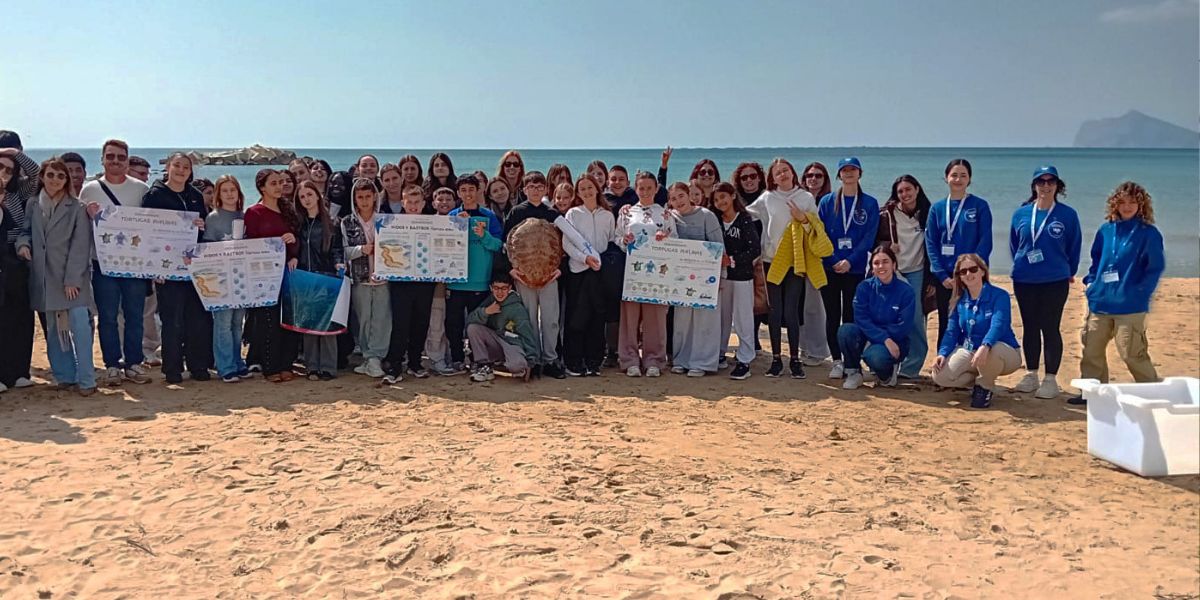
In a powerful display of environmental awareness and community action, schoolchildren in Calpe have taken centre stage in the release of a rescued sea turtle back into the Mediterranean – a moment that brought together education, conservation and real-world climate action.
The turtle, affectionately named Tuk Tuk, was returned to the sea after a period of rehabilitation, marking the culmination of a wider initiative designed to connect young people with the urgent challenges facing marine ecosystems.
Turning environmental education into action
The release formed part of a broader educational programme aimed at embedding sustainability into everyday learning. Through the “goCalp” initiative, local students have been exploring environmental risks affecting their community, from marine pollution to the long-term impacts of climate change.
Rather than limiting lessons to the classroom, the project encourages pupils to think critically, propose solutions and engage directly with conservation efforts. The return of Tuk Tuk to its natural habitat provided a tangible, emotional link between theory and action, transforming abstract concepts into something immediate and unforgettable.
This approach reflects Calpe’s wider commitment to climate adaptation, with local authorities investing in programmes that not only raise awareness but actively involve the next generation in shaping a more sustainable future.
A journey from rescue to recovery
Before its release, Tuk Tuk was cared for by specialists at Fundación Oceanogràfic, where the turtle underwent treatment and monitoring to ensure it was fit to return to the wild.
Students were given insight into this recovery process, learning about the threats faced by marine life, including plastic pollution, fishing nets and habitat disruption. For many, the experience offered a rare behind-the-scenes look at conservation work in action.
The final moment, watching the turtle disappear into the sea, left a lasting impression, reinforcing the importance of protecting fragile marine ecosystems.
Inspiring responsibility beyond the beach
Beyond the emotional impact, the event also delivered a clear message about responsible behaviour. Experts reminded attendees that if a sea turtle is spotted along the coastline, the correct response is to alert authorities rather than intervene directly, allowing trained teams to handle the situation safely.
By combining education with hands-on experience, Calpe is positioning itself as a model for how local communities can respond to global environmental challenges. Initiatives like this not only raise awareness but foster a sense of responsibility – ensuring that conservation becomes a shared effort, rooted in knowledge, empathy and action.









Costa Blanca North
Is your outdoor space letting your property down? Here’s a smarter solution for the Costa Blanca
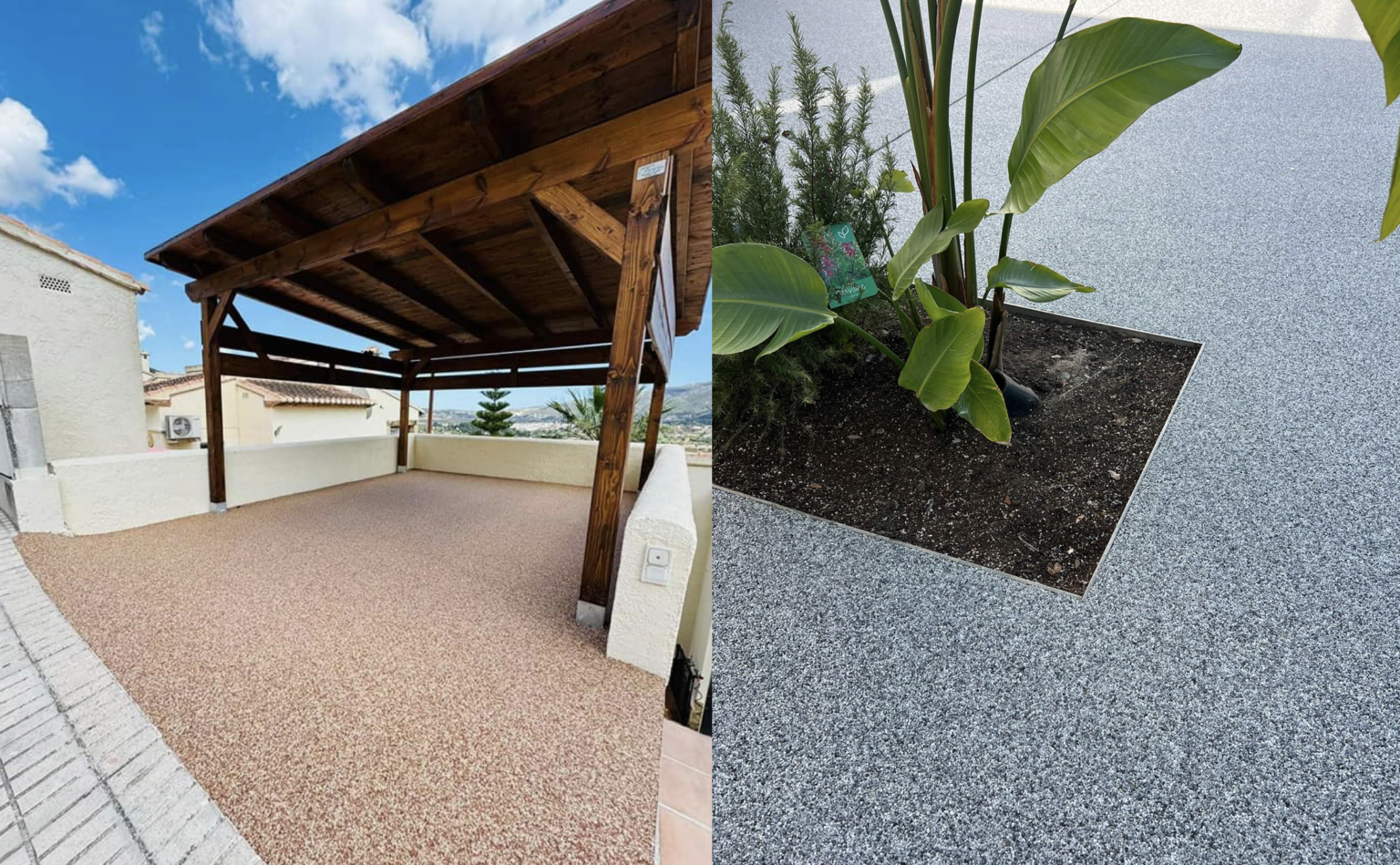
Transform your outdoor space – without the hassle. Credit: Infinity Effects
Across the Costa Blanca, many homeowners are starting to notice the same problem. Driveways crack, terraces fade, and pool surrounds become slippery and worn over time. What once looked great can quickly become tired, outdated, and even unsafe.
Traditionally, the options have been limited – replace everything completely, or live with it. But there’s now a smarter, more modern solution that’s becoming increasingly popular across Spain: resin-bound stone surfacing.
Infinity Effects specialises in transforming outdoor areas using this advanced system, creating seamless, durable finishes that not only look stunning but are built to last in the Spanish climate.
Unlike loose gravel or printed concrete, resin-bound stone creates a smooth, solid surface with no loose stones underfoot. It’s also fully permeable, meaning water drains through naturally – no more puddles or standing water after rain. Around pools, this is particularly valuable, as the anti-slip finish provides added safety without compromising on appearance.
One of the biggest advantages is how efficiently it can be installed. In many cases, resin-bound surfaces can be laid directly over existing concrete or tiled areas, avoiding the need for costly and time-consuming groundwork. This means less disruption, faster turnaround times, and a cleaner overall process.
Homeowners also appreciate the low maintenance. There’s no need for regular sealing or repairs, and the UV-stable materials ensure the surface won’t fade under the strong Spanish sun.
“We often speak to clients who are surprised at how straightforward the transformation can be,” says Infinity Effects. “They expect a major construction job, but in reality, we’re able to completely upgrade the space quickly and with minimal disruption.”
From driveways and terraces to pool surrounds and pathways, the versatility of resin-bound stone makes it suitable for a wide range of applications – all with a high-end, modern finish that adds real value to a property.
For those considering an upgrade, the first step is simple.
Infinity Effects offers a free, no-obligation quote and can even provide a visual idea of how your space could look before any work begins.
Simply send a photo of your area to get started.
WhatsApp: +34 711 073 958
Email: info@infinityeffects.es
Transform your outdoor space – without the hassle.
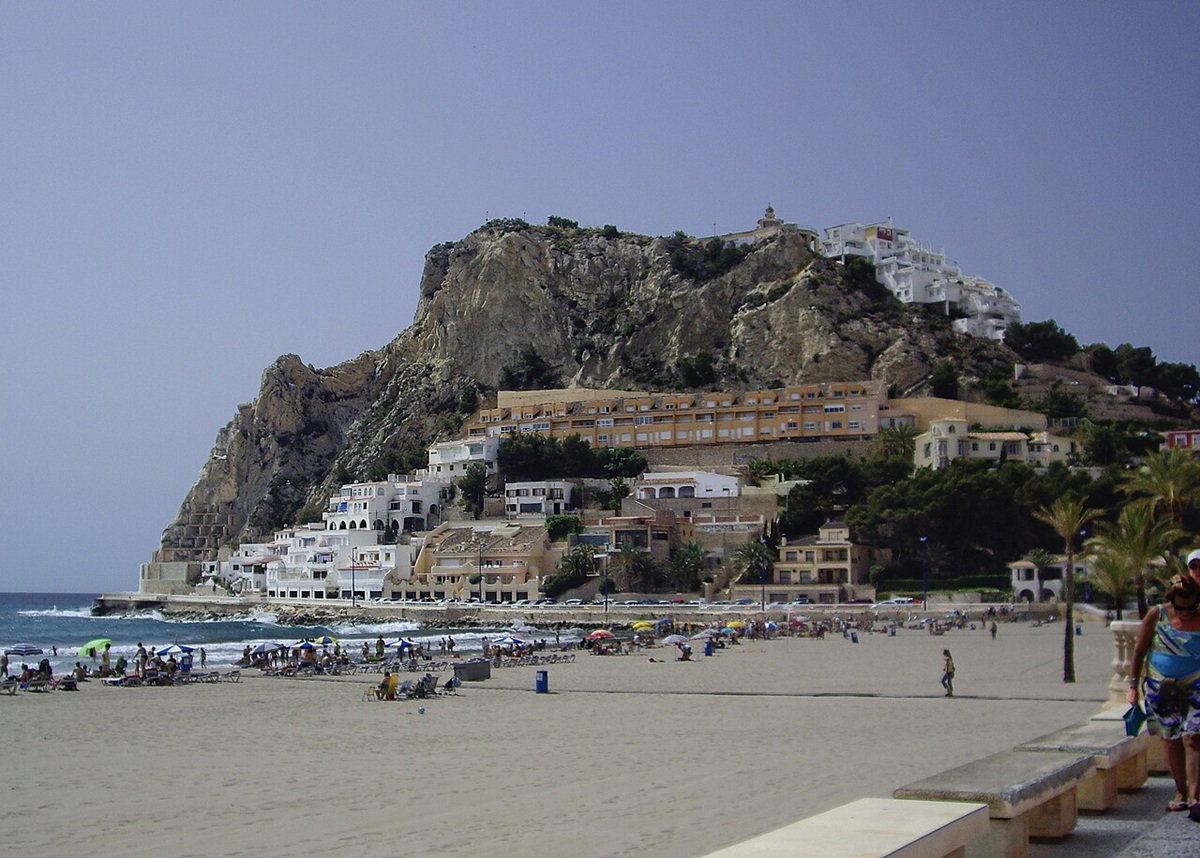
Roman site at Tossal de La Cala sits just minutes from Benidorm beach
Credit : Francisco Nicolás Mercader Román – Wikipedia
Most people come to Benidorm for the same reasons. Sunshine, beaches, cheap drinks and a break that does not cost a fortune. But just minutes away from the busy seafront, there is something very different waiting, and a lot of visitors never realise it is there.
Close to one of Spain’s most famous holiday spots, you can find Roman ruins dating back more than 2,000 years, including an ancient outpost on a hill and a full archaeological city open to the public. It is the kind of place you would not expect to find so close to the strip, which is exactly why it surprises people.
From beach bars to Roman ruins in under ten minutes
If you leave the centre of Benidorm and head slightly away from the crowds, the atmosphere changes quickly. One of the first stops worth making is Tossal de La Cala, a small Roman site sitting above the coastline.
It does not look dramatic at first, but once you are up there, the view explains why it mattered. The Romans used it as a military outpost around 77 BC, watching over the bay and the surrounding routes. Today, it is free to visit, with clear paths and signs that help you understand what you are looking at.
What stands out is how close it is to everything else. You can be in the middle of Benidorm’s busiest areas one moment and standing in a quiet historic spot the next.
For many visitors, that contrast is the biggest surprise.
A full Roman city just a short trip away
If you want to go further, there is more to see than just a hilltop site. Near Alicante, within easy reach of Benidorm, lies Lucentum, an ancient Roman city that has been carefully preserved.
Here, you can walk along old streets, see the remains of houses and baths, and get a real sense of how the city was laid out. It is not a huge site, but it is enough to give you a clear picture of daily life during that time.
Entry costs around €3, which makes it one of the more accessible places to visit if you are interested in history but do not want to spend much.
Along the coast, there are also traces of the Via Augusta, one of the longest Roman roads in Spain. Parts of it can still be seen near Altea and Villajoyosa. It is easy to miss if you are not looking for it, but once you know it is there, it adds another layer to the area.
Cheap drinks and low prices still part of the appeal
Of course, Benidorm has not changed what made it popular in the first place. Prices are still one of the main reasons people keep coming back.
A pint can cost between €2.50 and €3, which is hard to beat compared to many other European destinations. Eating out is also relatively affordable, with meals often coming in noticeably cheaper than in cities like Rome.
Accommodation follows the same pattern. Short stays can work out cheaper than many other holiday spots, especially if you are travelling as a couple or booking outside peak periods.
That mix of low prices and easy access is part of what keeps Benidorm busy year after year.
Two very different sides of the same destination
What is interesting is how these two sides sit next to each other. On one side, you have the familiar image of Benidorm, busy streets, nightlife, packed beaches. On the other, you have quiet viewpoints, historic ruins and places where you can walk without crowds.
You do not have to choose between them. That is what makes it work.
You can spend the morning exploring a Roman site, have lunch in the Old Town, and still be back by the sea in the afternoon. It is all close enough to fit into a short trip.
The Old Town itself is another place where things feel different. Narrow streets, small bars and local restaurants replace the larger, more tourist focused venues. It is where you will find tapas spots and a slower pace, even in peak season.
Why more visitors are starting to notice
For years, Benidorm has had a clear image, and for many people that has not changed. But some travellers are starting to look beyond the obvious and see what else is there.
The fact that you can combine a typical beach holiday with a bit of history without travelling far is part of the appeal. It does not require planning a full day trip or spending a lot of money. It is simply there if you want it.
And that is probably why it has stayed under the radar for so long. Most people are not looking for it.
But for those who are, it offers something unexpected. A reminder that even in one of Spain’s busiest tourist destinations, there are still corners that feel completely different.
bombon rice
This foodie festival in Spain is taking over a whole town – and it’s all about rice, tapas and local shopping
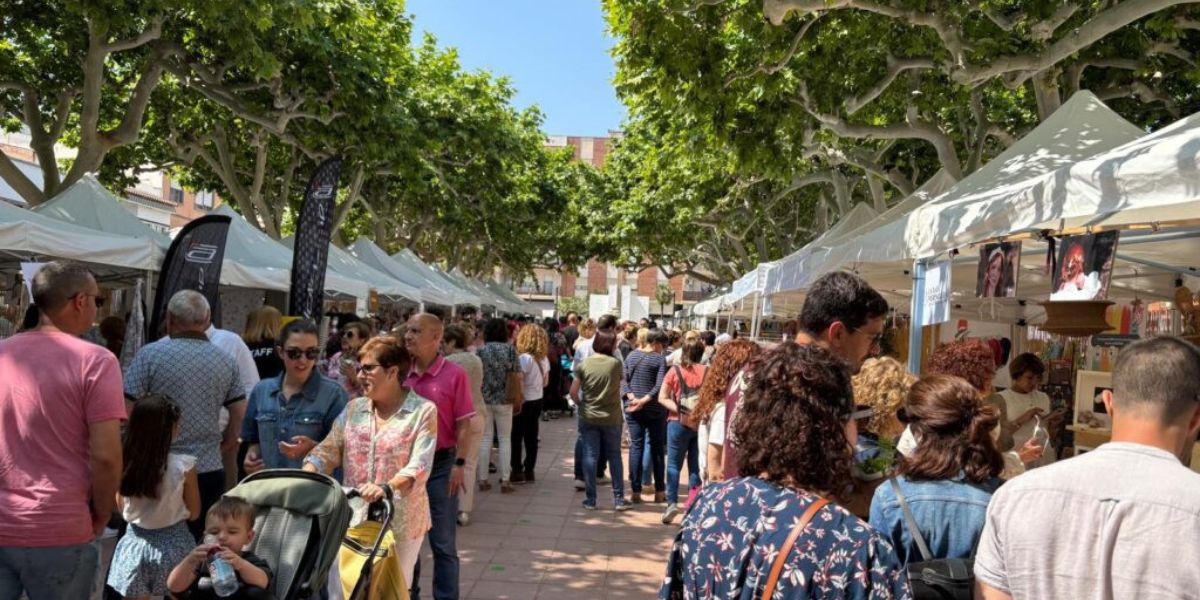
This annual initiative is designed to spotlight local businesses and traditional cuisine, turning the town into a hub of activity for both residents and visitors. It’s not just about eating well, it’s about supporting the community and showcasing what makes this corner of Spain so unique.
Set against the backdrop of warmer days and longer evenings, the event captures the essence of Mediterranean spring: sociable, flavourful and deeply rooted in local identity.
A town that comes alive with food and shopping
During the festival period, Pego’s streets and public spaces take on a new energy. The Fira de Comerç brings together local retailers and artisans, giving them a platform to showcase their products and connect directly with visitors.
From fashion and accessories to handmade goods and local services, the fair is a chance to discover small businesses that form the backbone of the town’s economy. It also encourages a more conscious way of shopping, one that values local craftsmanship and personal interaction over mass-produced convenience.
At the same time, the event creates a social atmosphere, where browsing stalls becomes part of a wider day out. Visitors can wander between shops, stop for a drink, and soak up the buzz of a town in full celebration mode.
The star of the show: Rice like you’ve never tasted
While the shopping draws crowds, the real highlight for many is the Gastronomic Days dedicated to arroz bomba and bombón: two prized rice varieties that are central to the region’s culinary heritage.
These rice varieties are known for their ability to absorb flavour while maintaining the perfect texture, making them ideal for traditional Spanish dishes. Their importance goes beyond the kitchen, however. The festival coincides with the rice harvest season, reinforcing a strong link between local agriculture and gastronomy.
This connection adds depth to the experience, turning each dish into a reflection of the land and the people who cultivate it.
A culinary route through the town
Throughout the event, participating restaurants and bars create special menus centred around these signature rice dishes.
Visitors are encouraged to explore different venues, sampling a variety of interpretations: from classic recipes to more modern, creative takes. This informal “food route” transforms the town into a tasting experience, where each stop offers something new.
The diversity of options means there’s something for everyone, whether you’re drawn to rich, traditional flavours or lighter, contemporary plates. It also provides a unique way to discover the local dining scene, guided by the expertise of chefs who know these ingredients best.
More than just a festival
Beyond its appeal to visitors, the event plays an important role in supporting Pego’s economy. By combining commerce and gastronomy, it creates opportunities for both retailers and hospitality businesses to thrive.
The initiative encourages people to shop locally, dine locally and engage with the community, helping to sustain businesses and preserve traditions that might otherwise be overlooked.
It’s a model that highlights how cultural events can have a tangible impact, strengthening the connection between residents and their town.
A growing reputation as a food destination
Over time, Pego has built a reputation as a destination for rice lovers, with these gastronomic days reinforcing its status within the region.
The focus on high-quality ingredients, combined with the creativity of local chefs, has helped elevate the town’s culinary profile. For visitors, it offers an opportunity to experience authentic Spanish cuisine in a setting that feels both welcoming and unpretentious.
Unlike larger, more commercial food festivals, this event retains a sense of intimacy. You’re not just attending, you’re participating in something that feels genuinely local.
Why this Spring event is worth the trip
What makes this festival stand out is its balance. It blends food, shopping and community into a single experience that feels natural rather than staged.
You can spend the morning browsing local stalls, the afternoon enjoying a long, leisurely lunch, and the evening exploring more of the town’s culinary offerings. There’s no rigid structure, just a sense of discovery at your own pace.
For travellers looking to experience a more authentic side of Spain, Pego offers something refreshingly different. It’s a place where traditions are celebrated, flavours tell a story, and the community welcomes you in.
And in a season defined by renewal and energy, there’s no better way to embrace spring than through good food, local culture and a town that knows how to bring them together.

British Couple’s Juice Empire In Spain Steals Spotlight On UK Television

Fireta Del Llibre Brings Culture And Activities To Santa Pola

Lando Norris unleashes F1 2026 criticism after Nurburgring test


-

 New Developments2 weeks ago
Luxury Villas For Sale, Estepona – ProjectL1
-

 New Developments4 weeks ago
How To Get A Tourist Rental Licence In Andalusia (Spain) – Step-By-Step Guide 2025
-

 New Developments2 weeks ago
Stylish 3-Bedroom Apartment With Panoramic Sea Views – Benalmádena
-

 Uncategorized4 weeks ago
Max Verstappen left laughing after Nurburgring triumph
-

 %2 weeks ago
Poland Disconnects Utilities At Russian Consulate That Moscow Refuses To Hand Over
-

 Uncategorized4 weeks ago
Max Verstappen team-mate sheds light on Nurburgring mistake
-

 Uncategorized3 weeks ago
Lewis Hamilton goes from Karate Kid to Samurai Warrior with Kill Bill guru
-

 %4 weeks ago
Torrevieja Spring Concert Brings Classical Music And Community Spirit