Connect with us

%

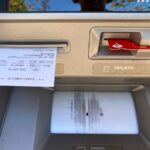
ATM Warning Over Receipt Button Risk

Published

on

atm-warning-over-receipt-button-risk

Printed ATM receipts can expose personal details if discarded carelessly Credit : Tetyana_Pidkaluyk, Shutterstock

It is a routine millions of people barely think about. You use a cash machine, take your money, then press for a printed receipt. For some, it is habit. For others, it feels safer to have proof in hand. But security specialists have long warned that ATM receipts can reveal personal information and create unnecessary risks if they are lost, left behind or thrown away carelessly.

In Spain, where cash machines remain widely used despite the growth of mobile banking, it is a small habit worth reconsidering. A receipt may seem harmless, but in the wrong hands it can offer useful clues to fraudsters.

That does not mean every receipt leads to crime. It means there is often no real need to print one, and there are safer ways to keep track of your money.

Why that little slip of paper matters more than you think

Many people assume an ATM receipt is just a record of a withdrawal. In reality, it can contain more information than expected.

Depending on the bank and machine, receipts may show part of your account number or card number, the date and time of the transaction, the exact ATM location, the amount withdrawn, and sometimes your available balance.

None of that is enough on its own to empty a bank account. But fraud rarely works that way.

Scammers often build trust by using real details. If someone knows where you banked, when you used a machine and roughly what kind of transaction took place, they may be able to make a fake call, text or email sound far more believable.

That is how many scams succeed. Not through genius hacking, but by sounding convincing.

The common mistake people make straight after using an ATM

The real danger often starts after the transaction. Some customers leave receipts in the tray without noticing. Others screw them up and toss them into the nearest bin. Some slip them into a pocket or handbag, then later drop them somewhere in public.

That gives strangers easy access to information that should remain private. Bins next to cash machines are especially poor places to dispose of receipts. They are public, visible and easy to search through.

Even if the paper only shows partial details, it can still be useful when combined with other information. Think of it as giving away puzzle pieces. One piece means little. Several pieces can tell a story.

Why digital banking is changing the habit

Years ago, printed receipts made perfect sense. Many people balanced cheque books, kept paper records or had no easy way to check their accounts later.

Now most customers can open a banking app and see transactions within seconds. Withdraw cash, check your phone, and there it is.

That makes paper receipts less essential than they once were.

Most banking apps now show:

  • Recent withdrawals
  • Card payments
  • Transfers
  • Available balance
  • Instant alerts
  • Monthly statements

For many users, the safest option is simply to choose no receipt and confirm everything on the bank’s official app once the transaction is complete.

If you still want a receipt, do this instead

Some people genuinely prefer paper proof. Older customers often feel more comfortable with it. Others need records for budgeting or expense claims.

That is perfectly reasonable.

If you choose to print one, the key is handling it properly.

Take it with you immediately. Do not leave it in the machine and keep it secure until you get home.

When you no longer need it, tear or shred the parts showing account details, card references or balances.

Avoid dropping it whole into a public bin or recycling container. It takes seconds and removes a simple risk.

Other ATM habits worth changing

Receipts are only one part of staying safe at cash machines. Banks regularly remind customers to cover the keypad when entering a PIN, stay alert if strangers hover nearby, and inspect the machine if anything looks loose or unusual.

Using ATMs inside a branch or shopping centre can also feel safer than isolated machines late at night. Another smart habit is to put cash away before walking off. Standing outside a machine counting notes is never ideal.

Small choices matter more than people think.

Could one receipt really cause a problem?

Usually, not by itself. A single slip of paper is unlikely to let someone raid your account. But fraud today often relies on gathering bits of information from many places.

A receipt here. A leaked phone number there. A fake message timed after a real withdrawal. That combination can be enough to catch people out.

This is especially true when scammers pretend to be your bank and use genuine sounding details to create urgency. If they already know you used an ATM that morning, their story suddenly feels more real.

Why many people still press print automatically

Habit is powerful. Lots of customers do not consciously choose a receipt. They simply press the same button every time because they always have. Others believe paper automatically means security.

But paper is only secure if you keep it secure. Once it is left behind, dropped in the street or visible in a bin, it stops being a useful record and becomes something else entirely.

The easiest banking safety change you can make today You do not need to stop using ATMs. You do not need to fear every receipt. But the next time a cash machine asks whether you want one, pause for a second.

Do you actually need it?

If not, skip it and check your banking app later. If yes, keep it safe and destroy it properly when finished. That small decision costs nothing, takes no effort, and can reduce the amount of personal information you leave behind in public.

Sometimes protecting your money starts with the button you choose not to press.

%

Safe And Simple Home Security

Published

on

By

safe-and-simple-home-security

Safe and Simple Alarms empowers households to protect what matters most. Credit: New Africa / Shutterstock

Safe and simple home security is becoming increasingly important across Spain, where daily life follows a unique and vibrant rhythm of early mornings, late dinners, and lively street culture. In such an environment, home should always remain a place of comfort, privacy, and peace of mind. Protecting that space, however, should never feel complicated or overwhelming.

Too often, alarm systems are marketed as highly technical, expensive, and difficult to operate. Many people are put off by complicated controls, confusing instructions, and systems that seem to require specialist knowledge just to use effectively. In reality, what most households truly need is straightforward protection: reliable alarm systems that are easy to understand, simple to install, and effortless to manage on a daily basis.

This is especially important for families, elderly residents, and small business owners, who need dependable security without the burden of learning complex technology. In Spain, where many people live in apartment buildings, urbanisations, and shared communities, practical solutions make the most sense. Clear alerts, easy arming and disarming, and seamless mobile phone integration offer far more value than elaborate systems that are difficult to maintain.

Demand for home security has grown steadily in recent years, particularly in urban areas, coastal regions, and locations with seasonal or second homes. Owners of holiday properties, in particular, need reassurance that their homes remain protected even when they are away for extended periods. Yet increased demand should not lead to increased confusion. The best alarm systems are those that work quietly and seamlessly in the background, providing clear notifications, dependable monitoring, and fast support when needed.

Simplicity also plays a major role in improving safety. When alarm systems are easy to use, people are much more likely to activate them consistently and respond quickly to alerts. Overly complicated systems can lead to user errors such as forgotten codes, sensors being accidentally disabled, or warnings being ignored altogether. A straightforward design significantly reduces these risks and helps ensure better day-to-day protection.

Security should never be about complexity for its own sake. It should be about creating confidence, comfort, and peace of mind. Safe and Simple Alarms offers practical, transparent, and user-friendly protection that helps households safeguard what matters most – without turning security into a burden.

For more information, contact Pete on 632 258 576, email pete@safeandsimplealarms.com, or visit www.safeandsimplealarms.com.

Continue Reading

%

Tourist Overcrowding Spurs New Measures In Spanish Cities

Published

on

tourist-overcrowding-spurs-new-measures-in-spanish-cities

Spain remains one of Europe’s most visited countries. Photo credit: Vunav/Shutterstock

Cities across Europe are continuing to adjust how they manage tourism as visitor numbers remain strong and pressure builds on housing, infrastructure and everyday life in historic urban centres. Spain is among the countries most affected, with high visitor concentration in cities such as Barcelona, Madrid, Palma de Mallorca and Sevilla, where local authorities have introduced or expanded measures in response to rising pressure.

Tourism is one of Europe’s most important economic sectors, supporting jobs across hospitality, transport, retail and cultural industries. However, in a number of cities, the concentration of visitors in central districts has created challenges linked to overcrowding, rising housing costs and changes in neighbourhood composition.

Housing Pressure in Popular Destinations

One of the most widely reported impacts of sustained tourism is the effect on housing availability. In cities with high visitor demand, the growth of short-term rentals has reduced the supply of long-term accommodation in central areas. This has contributed to increased rental prices and pushed some residents towards outer districts. In Spain, the issue has been particularly visible in Barcelona and other coastal and urban destinations where tourism demand is consistently high throughout the year.

Local authorities have responded by introducing tighter controls on tourist accommodation. Measures include stricter licensing systems, fines for unregistered rentals and limits on the number of properties that can be used for short-term stays. In some cases, entire zones have been designated for residential protection to preserve housing stock for local use. These policies are designed to prevent further loss of permanent residents from city centres, particularly in neighbourhoods where tourism activity has become highly concentrated.

Measures Targeting Visitor Distribution

Alongside housing regulations, several cities have introduced steps to manage the flow of visitors more evenly throughout the year and across different districts. This includes promoting travel outside peak summer months and encouraging tourism in less central areas. Some destinations have also placed restrictions on cruise ship arrivals or limited the number of large tour groups allowed in sensitive historic zones. The aim is to reduce congestion in narrow streets and around key cultural landmarks, where high visitor density can affect both accessibility and daily movement for residents.

Barcelona has become one of the clearest examples of this approach, with the city tightening controls on tourist accommodation and increasing enforcement against unlicensed short-term rentals in central districts. Transport systems in major cities are also under review, with adjustments made to handle fluctuating demand during peak travel periods. Public services, originally designed for resident populations, are increasingly required to accommodate large seasonal increases in usage.

Economic Importance of Tourism Remains High

Despite concerns over pressure in urban centres, tourism continues to provide significant economic benefits across Europe. Spain, France, Italy and Portugal remain among the world’s most visited countries, with tourism contributing a substantial share of employment and regional income.

In many cities, the sector supports a wide range of jobs in hotels, restaurants, cultural attractions and transport services. Local economies often depend on this activity, particularly in areas where alternative industries are limited. Because of this reliance, governments have generally avoided measures that would significantly reduce visitor numbers. Instead, policy has moved towards managing how tourism operates within cities rather than restricting it outright.

Changing Character of City Centres

In several Spanish cities, this shift has been noted in neighbourhoods where traditional retail has gradually been replaced by tourism-focused businesses catering to short-stay visitors. Across Europe, local authorities are increasingly considering how to maintain a balance between economic activity linked to tourism and the needs of permanent residents.

In Europe as well as Spain, Barcelona has become a central reference point in these discussions due to the scale of visitor demand and the pressure placed on its historic districts. Some cities are encouraging the development of cultural and commercial activity outside traditional tourist zones in order to distribute economic benefits more evenly. Others are investing in infrastructure improvements designed to support both residents and visitors without overburdening specific districts.

Policy Shift Towards Long-Term Management

The overall direction in many European cities is moving towards long-term management of tourism rather than short-term controls. This includes closer regulation of accommodation platforms, urban planning measures that protect residential areas and coordination between local and national governments on tourism strategy. Spain remains one of Europe’s most visited countries, making its cities central to ongoing debates about how to manage tourism without affecting long-term residents.

Authorities are also increasingly focusing on data-driven approaches to monitor visitor flows and identify pressure points within cities. This allows for more targeted interventions rather than broad restrictions. The central challenge remains maintaining tourism as a stable source of income while ensuring that cities remain functional and affordable for residents. As visitor numbers continue to remain strong, this balance is expected to remain a key issue for urban policymakers across Europe.

Continue Reading

%

Portugal Visa Warning For Long Stay Moves

Published

on

portugal-visa-warning-for-long-stay-moves

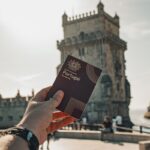
Portugal may tighten long stay visa checks from July 2026 Credit : byruineves, Shutterstock

Brazilians hoping to move to Portugal or elsewhere in Europe for work, study or remote living could soon face a tougher process. New long stay visa requirements linked to Portugal and backed within the wider EU debate are expected to apply from July 2026, bringing stricter checks on income, savings and accommodation. Tourist trips are not the focus, but anyone planning to settle in Europe for months rather than days may soon need more documents, more preparation and more patience.

For many people in Brazil, Portugal has long been the easiest European doorway. Shared language, family ties, historic links and existing communities have made it a natural first choice. That is why any tightening in Lisbon tends to be felt far beyond Portugal itself.

And for readers in Spain, especially employers, landlords and expat communities, the changes could also have knock on effects across neighbouring countries.

What is reportedly changing from July

According to the report, Brazilian applicants seeking long stay visas for Portugal would need to prove a monthly income at least equal to the Portuguese minimum wage.

They may also be asked for:

  • Recent bank statements
  • More detailed housing contracts
  • Evidence of where they will live
  • Extra paperwork depending on the visa category

That means a higher bar for students, remote workers, professionals and families hoping to relocate. For someone who once expected a relatively straightforward process, the move could become slower and more document heavy.

Short tourist visits of up to 90 days in the Schengen area are still expected to remain unchanged. The new focus is on people who want to stay longer and legally establish themselves in Europe.

Why Portugal matters so much

Portugal has become one of the most popular destinations in Europe for Brazilians over the past decade. The reasons are obvious. Language comes first. Then there is lifestyle, climate, safety, established Brazilian communities and easier cultural adaptation than in many other countries.

Lisbon, Porto, Braga and the Algarve have all seen strong interest from Brazilian students, entrepreneurs and professionals.

But popularity creates pressure.

Housing shortages, rising rents and strain on public services have become political issues in Portugal, just as they have in Spain and other parts of Europe.

When that happens, immigration rules often become part of the debate.

Why Spain should pay attention too

Although the headline centres on Portugal, the wider issue is mobility into southern Europe. Many people who first consider Portugal also compare it with Spain. Others move first to Portugal, then later look at Spain for work or lifestyle reasons.

If Portugal becomes harder to access, some applicants may shift their focus elsewhere. That could mean more interest in Spanish residency routes, student visas or digital nomad options.

Employers in Spain hiring international staff may also feel the impact if document checks become stricter across consulates and visa systems. Sometimes one country changes policy, but the ripple spreads wider.

Longer waiting times could be part of the story

The report also points to longer processing periods, including waits of up to 60 days for some national visas. That matters because paperwork delays can be as disruptive as rejections.

A student missing enrolment dates, a worker delaying a contract start, or a family paying temporary accommodation costs while waiting for approval can all feel the impact.

Many applicants assume the hardest part is getting accepted. Often, the hardest part is waiting. If more evidence is required, consulates may need more time to review files, request missing documents or verify income and housing claims.

Tourists are not being targeted

It is important to separate long stay visas from holidays. Brazilians visiting Spain, Portugal, France or Italy for short tourism trips are not the main subject here.

The reported changes concern people who want to live in Europe beyond the normal short stay period.

That includes:

  • Students
  • Employees on contracts
  • Remote workers
  • Family reunification cases
  • People relocating for a new life abroad

A summer holiday and a legal move abroad are two very different processes.

More systems are coming too

Travellers will also hear more about the EU’s Entry Exit System, known as EES, and later ETIAS.

That can create confusion.

EES is designed to record entries and exits at external borders using biometric data and ETIAS is a future travel authorisation for visa exempt visitors.

Neither replaces a long stay visa and anyone moving permanently or for work still needs the correct residency route.

As Europe modernises border systems, travellers are likely to face more checks, not fewer.

Why politics is behind this

Across Europe, governments are under pressure to control irregular migration while still attracting workers and students.

That balancing act is not simple. Countries need labour, taxpayers and skills, but voters also want order, functioning housing markets and efficient public services.

As elections approach in several EU countries between 2026 and 2027, migration policy is likely to stay front and centre. That usually means tighter rules arrive before looser ones.

What applicants should do now

Anyone hoping to move to Portugal or another EU country next year would be wise to prepare early :

  • Gather proof of income.
  • Keep bank records tidy and easy to explain.
  • Use formal rental contracts, not vague promises.
  • Check official consulate websites regularly.
  • Allow several months, not a few weeks.

Many failed applications happen not because people are ineligible, but because paperwork is weak, incomplete or rushed.

Europe is still possible, but less casual

The opportunity to move to Europe has not disappeared. Portugal is not closing its doors. Spain is not doing the same. Europe still wants students, workers and genuine residents. But the days of assuming a move can be organised quickly with basic paperwork may be fading.

For Brazilians planning a new chapter abroad, July 2026 could mark a clear shift.

The dream may still be there. It may simply require more planning to reach it.

Continue Reading

Trending

Copyright © 2017 Spanish Property & News