
Beaches closed
Five Cadiz Beaches On The Costa De La Luz Closed To Swimmers As Spain’s Summer Of Fecal Bacteria Continues

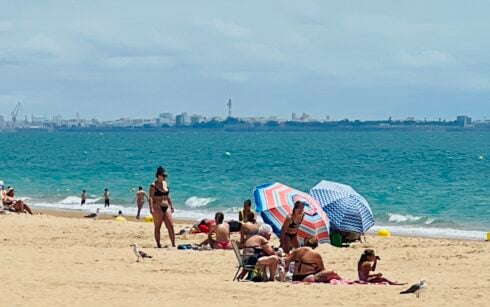
 The Junta ordered the closures yesterday after finding high concentrations of E. coli and intestinal enterococci.







Another unusual Mediterranean sea event
The latest incident comes just days after a series of striking sea-level changes along Spain’s eastern and island coastlines.
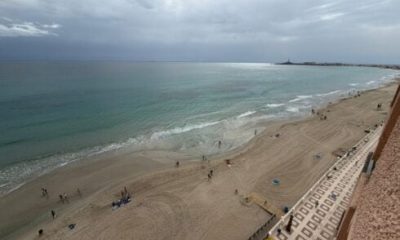
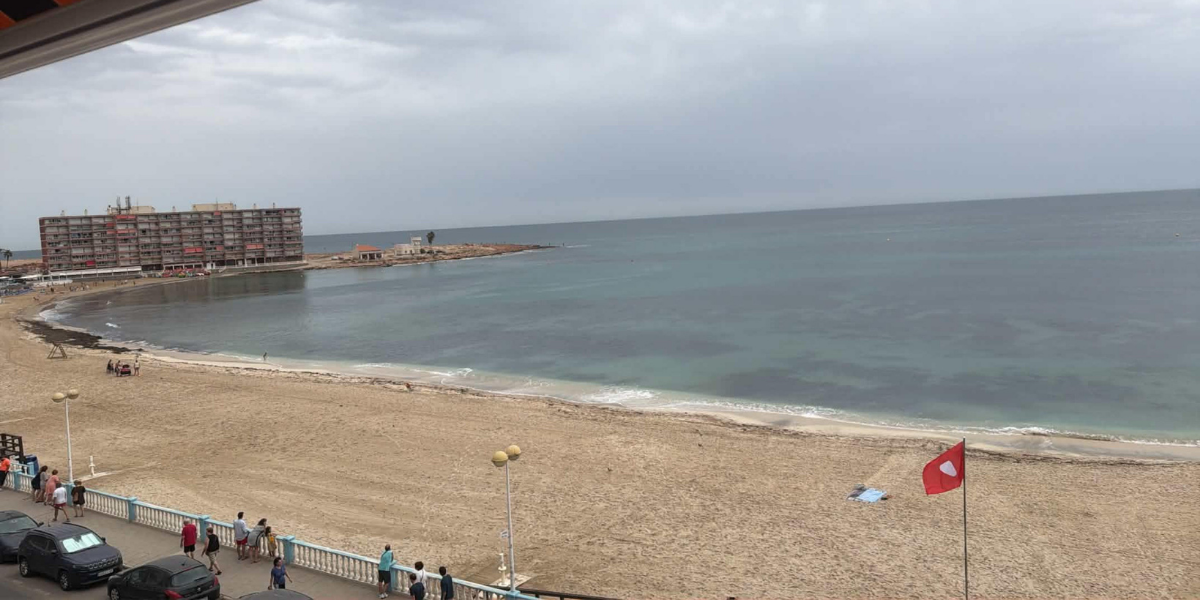
Parts of the Costa Blanca and Valencia have recently experienced meteotsunami activity, with sudden movements of the Mediterranean leaving beaches looking dramatically different within minutes. One of the most notable incidents occurred in Santa Pola, where a meteotsunami was reported after the sea first retreated from the shoreline before returning towards the beach.
The unusual phenomenon was also observed elsewhere along the Costa Blanca and around Valencia, with recent reports recording sea-level changes of up to 70 centimetres within minutes.For beachgoers, the sudden movement can be particularly unsettling, as the sea can appear to disappear from areas that would normally be covered by water before rapidly returning.
Mallorca also hit by sudden sea movements
The unusual conditions have not been restricted to mainland Spain.
Mallorca was also affected earlier this week, when meteotsunamis caused dramatic sea movements at several points around the island.
Holidaymakers were caught off guard as the water suddenly shifted, with some people moving away from beaches as the sea surged and retreated.
The Mallorca incidents came shortly before the latest development in Murcia, adding to a remarkable week of unusual Mediterranean activity across Spain.
However, there is an important distinction between those events and what happened at La Manga.
Beaches initially closed
Despite reassurance from emergency authorities, Cartagena City Council initially took precautions after the unusual retreat was observed along the municipality’s Mediterranean coastline on Friday morning.
Red flags were raised on the affected beaches, meaning bathing was temporarily prohibited, while beachgoers were advised to stay away from the shoreline as the situation was assessed.
The most striking changes were reported around La Manga, where the Mediterranean appeared to pull back several metres from its usual position.
For people enjoying the final weeks of the summer season, watching the water suddenly retreat from the beach was understandably unsettling, particularly after a series of confirmed meteotsunami events elsewhere along the Spanish coast and in Mallorca this week.
Warnings later eased
The situation subsequently began to settle.
Cartagena later lowered the warning from red to yellow, meaning bathing was permitted again but with caution.
The change lifted the immediate bathing ban, although people on the affected beaches were still advised to follow the instructions of lifeguards and emergency services.
The latest incident comes after a remarkable few days of unusual Mediterranean activity, with meteotsunamis reported in Mallorca and along parts of the Costa Blanca and Valencia coast.
For residents and holidaymakers in Murcia and Torrevieja, Friday’s sudden sea retreat was therefore particularly striking.
However, authorities have stressed that the La Manga event has not been confirmed as a meteotsunami. Emergency services said the retreat was a natural phenomenon and that there was no evidence of a dangerous tsunami affecting the Murcia coast.

Kimi Antonelli set to star alongside Mickey Mouse and Donald Duck in iconic Disney comic book

El Leganés Hace Oficial El Fichaje De Álvaro Morata
Take That confirm Fuengirola 2027 gig as only Andalucia stop: Tickets on sale next week
Make a small donation at Miramar shopping centre and transform a child’s first day back at school
Don’t wake the polar bears! Tourist fined €4,560 for blowing boat’s horn

How Kimi Antonelli saved Red Bull as Max Verstappen signs blockbuster F1 deal


-
back to school1 week ago
Make a small donation at Miramar shopping centre and transform a child’s first day back at school
-
arctic wildlife2 weeks ago
Don’t wake the polar bears! Tourist fined €4,560 for blowing boat’s horn
-
 Uncategorized1 week ago
How Kimi Antonelli saved Red Bull as Max Verstappen signs blockbuster F1 deal
-

 ElPais2 weeks ago
Family Of Former Mexican Federal Police Officer Killed On Ukraine Frontline Faces Agonizing Wait For His Remains
-

 New Developments1 week ago
How To Get A Tourist Rental Licence In Andalusia (Spain) – Step-By-Step Guide 2025
-
airports in Spain1 week ago
British families flying between UK and Spain given fresh EES warning for under-12s
-

 %2 weeks ago
Why Your Spanish Country House Zaps You Every Summer
-
 BCE1 week ago
Los Precios De La Energía En Europa Volvieron A Escalar Por Encima Del 10% En Julio