Connect with us

%

Costa Del Sol Expat Shares Summer Heat Advice

Published

on

costa-del-sol-expat-shares-summer-heat-advice

Enjoying the setting sun in Sitio de Calahonda. Credit: Derick P. Hudson – Shutterstock

Steve Marshall, Brit expat in Spain, knows all about dealing with the relentless strength of the sun in southern Spain. He recently underwent serious surgery for skin cancer due to sun overexposure on the Costa del Sol. He now shares his many years of expert advice on sun strength and heat management for local expats who must prepare for rising summer temperatures.

His guidance covers hydration, sun protection and neighbour support.

Focus on daily hydration habits

Marshall gave this advice on hydration. “Firstly, it is very important to drink lots of water during the day even if you do not feel like it. Avoid too much alcohol, and that includes beer which will dehydrate you and reduce your water intake.” A common mistake many northern European residents and visitors to the Costas make, time and time again.

Protect skin with proper clothing and timing

He continued with sun protection guidance. “If you do need to go out wear a wide brimmed hat and apply sunscreen of at least Factor 50 regularly. That includes after going into the sea or your pool”. Steve learned the hard way this tip. It’s no joke what the rays of the sun in southern Spain are capable of.

Reduce indoor heat and electricity costs

Home cooling advice soon followed, something Steve has learned only too well. “Keep blinds and curtains closed to keep rooms cool and reduce the need for fans where possible. Electricity is now so expensive.” In places like the UK, it’s common practice to open windows when it’s hot. But, this can have the opposite effect in Spain.

Lock doors and windows to deter intruders

Marshall shared his story from a personal incident. “We thought we were secure until we were burgled in the night having forced open our terrace sliding doors.” He recommended a simple device and alarm. “TOP TIP I learned the hard way was to put a sawn off broom handle in the runner making opening practically impossible and we installed an alarm system.”

Look out for neighbours in the community

Marshall ended his email to the Euro Weekly News with neighbour support advice for all. “This is also the time to look out for neighbours. A brief call or a few minutes to pop in will be very much appreciated and will be reciprocated. You look out for them and they will look out for you. Is not that what community is all about?”

%

Ryanair Sounds Alarm After 17,000 Delayed Flights In Spain In Just Three Months

Published

on

ryanair-sounds-alarm-after-17,000-delayed-flights-in-spain-in-just-three-months

Enaire strongly disputes Ryanair’s version of events. Photo credit: CatwalkPhotos/Shutterstock

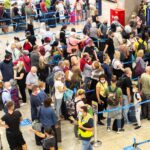
If you’re heading to the airport this summer, you’ve probably prepared yourself for long security queues, expensive food and the possibility of a delayed departure. What you probably haven’t planned for is sitting on the runway while your flight creeps further and further behind schedule because of problems in the air traffic control system. According to Ryanair, that’s exactly what’s happening across Spain.

The airline claims more than 17,000 of its flights have been delayed since the beginning of April, affecting around 3.1 million passengers, and says the situation is getting worse just as the country’s busiest holiday period reaches full swing. With millions of people flying to and from Spain over the coming weeks, the warning is likely to concern anyone with summer travel plans.

Ryanair says delays are soaring

Ryanair says delays affecting its Spanish operations have increased by 47 per cent compared with the same period last year. The airline blames what it describes as chronic staffing shortages within Spain’s air traffic control system, arguing that thousands of delays could have been avoided if enough controllers had been available to manage flights during the busiest periods of the day.

According to Ryanair, passengers have borne the cost of a problem that should already have been addressed, particularly during a summer when airports are handling some of their highest passenger numbers in years. The airline is calling on the Spanish Government and air navigation manager Enaire to take urgent action before disruption worsens during the peak holiday season.

Millions of passengers already affected

The figures released by Ryanair suggest the scale of the disruption has become significant. The airline says around 3.1 million travellers have experienced delays on its Spanish routes in just three months. For many passengers, delays of 30 minutes or an hour may simply be an inconvenience.

For others, however, they can mean missed onward flights, disrupted holidays, cancelled hotel bookings or arriving home many hours later than planned. During the busiest weeks of summer, even relatively small delays can quickly spread through the day’s flight schedules, creating disruption that continues long after the original problem has been resolved.

Why are flights being delayed?

Ryanair argues that the biggest issue is a shortage of air traffic controllers. The airline says Spain has become one of Europe’s worst-performing countries for air traffic control delays and believes many of them could be avoided with better staffing levels, particularly during the first departure wave each morning when airports become busiest. It claims the current situation is creating unnecessary disruption for passengers and airlines alike.

Enaire rejects the criticism

Enaire strongly disputes Ryanair’s version of events. The organisation says flight delays cannot simply be blamed on Spanish air traffic control because several factors affect operations across Europe during the summer months. These include poor weather, restrictions affecting neighbouring countries, particularly France, military airspace requirements and exceptionally high traffic volumes across European skies.

Enaire also says it has already introduced a comprehensive Summer 2026 operational plan designed to reduce delays. The measures include recruiting 79 additional air traffic controllers, introducing new operational procedures and using upgraded technology to improve capacity at some of Spain’s busiest control centres. Officials argue that while delays cannot always be eliminated, the new measures are intended to improve resilience during periods of exceptionally high demand.

Could your summer flight be affected?

Not every delayed flight is caused by air traffic control. Weather, aircraft technical problems, crew availability and airport congestion can all contribute to disruption. However, air traffic control restrictions often have a knock-on effect because one delayed departure can quickly affect aircraft scheduled to operate later flights throughout the day.

Travellers flying during weekends, school holidays and peak afternoon departure periods are often more likely to experience delays simply because more aircraft are competing for the same airspace.

What should passengers do?

Anyone travelling to or from Spain this summer should continue checking flight information before leaving for the airport and monitor updates from their airline throughout the day. If significant delays occur, airlines operating within the European Union still have obligations to provide care, including refreshments and assistance depending on the length of the delay and the circumstances involved.

Compensation, however, depends on the reason for the disruption. Where delays are caused by factors considered outside an airline’s control, including some air traffic management restrictions, financial compensation may not apply under European passenger rights rules.

A warning during Spain’s busiest travel season

Spain remains one of Europe’s most popular holiday destinations, with millions of visitors arriving every summer. Most flights continue to operate normally every day, and many passengers will complete their journeys without experiencing any disruption at all. Even so, Ryanair’s figures highlight growing pressure on the aviation system during one of the busiest travel periods of the year.

Whether responsibility ultimately lies with air traffic control, wider European congestion or a combination of several factors, one thing is clear. For millions of passengers travelling through Spain this summer, building a little extra patience into their holiday plans may prove just as important as remembering their passport.

Continue Reading

%

Andalucia To Ban Burka, Gender Ideology & Expel Squatters

Published

on

andalucia-to-ban-burka,-gender-ideology-&-expel-squatters

Juanma Moreno, Manuel Gavira Y woman in burka. Credit: Junta & Walter Callens Wiki CC

Juanma Moreno managed to get a third term as president of the Junta de Andalucia regional government in Spain, but only after striking a detailed deal with party Vox. This 150-measure agreement paves the way for governance as well as Vox’s entry into the regional executive with a vice-presidency. The pact is said to deliver on long-standing demands from Vox while allowing Moreno to continue his administration. Among the conditions are a banning of the wearing of a burka or niqab in public buildings all across Andalucia and a prohibition of the teaching of “gender ideology” in schools.

Priority national access and burka prohibition

The accord also introduces national priority for public aid and housing. New rules require 10 years of registration for buying protected price homes and five years for renting. The politicians hope to favour residents with deep local ties, rather than those who have recently arrived in Spain.

Authorities plan to ban the burka, niqab and other full-face coverings in public spaces, buildings and regional services before the year ends. Supporters argue this step protects identification, security and public service delivery. Past local attempts in places like Granada faced legal hurdles, yet regional approval may now provide stronger backing. Legal experts reckon that there will be tough court tests ahead.

School changes target foreign programmes and ideology

Education reforms occupy a prominent place. The deal scraps the Moroccan Arabic and culture programme in nearly 100 schools from the 2027-2028 school year. Leaders also commit to keeping gender ideology out of classrooms. Plans include giving parents more say, rejecting ideological indoctrination, and putting greater focus on Spanish history and customs.

Leaders commit to rejecting all forms of indoctrination in classrooms. Plans include stronger parental rights, meaning that the parents get a say in what their children are taught, removal of gender ideology content and greater emphasis on Spanish history and customs. Curricula will incorporate lessons on the history of terrorism in Spain. Broader steps expand to private school options in secondary education.

Tax relief continues for families and businesses

More tax reductions form another core element. Moreno builds on previous rounds with new deductions in personal income tax for education costs, prescription glasses, large families and patients with amyotrophic lateral sclerosis. Officials also target elimination of certain regional levies. These moves seek to ease burdens on households, self-employed workers and companies.

Memory law replacement and spending controls

The agreement advances replacement of the controversial Democratic Memory Law with a new “Concord Law”. This change promotes recognition of all victims from Spain’s past conflicts and echoes the spirit of national reconciliation during the transition period. The previous law had been accused of being politically biased.

Spending cuts hit subsidies hard. The pact halves funding for unions and business organisations linked to institutional participation. Only groups proving clear public benefit will retain support. Annual reviews will identify and remove unproductive public expenditure.

Tougher action against squatters

Housing and security measures address illegal squatting. Faster eviction processes, immediate legal support for owners and bans on convicted squatters accessing public housing for several years form key commitments. Extra construction targets are included in the deal with at least 20,000 protected price, lower-cost homes during the term, together with streamlined planning rules.

Health improvements and immigration controls

Health care pledges feature prominently in the agreement. A shock plan is to tackle waiting lists for surgery, diagnostics and consultations. Cancer patients will get priority pathways for breast, colon, lung, prostate and gynaecological diagnoses. Same-day primary care visits for acute cases and paediatrics will receive extra funding. An annual audit of healthcare costs for foreign patients will provide transparency.

Immigration sections span several pages. Proposals include repatriation of unaccompanied migrant minors and calls for national law reforms actually in line with the latest European return rules. A new service will also combat benefit fraud.

Broader context and implementation timeline

This pact combines tax easing, stricter migration rules, housing expansion and public service reforms. Many measures carry specific deadlines, from immediate actions this year to full rollout by 2027. Vox has gained influence through the vice-presidency covering tourism, deregulation, justice and local administration.

Many view the document as a pragmatic balance. Moreno maintains his presidentship while accommodating Vox’s priorities. Residents and expats in Andalucia can expect noticeable changes in schools, housing access and public spending. Implementation will happen through budgets and parliamentary votes in coming months, even though legal challenges are expected to cause a few bumps in the road.

The full 60-page agreement sets out a clear direction for the XIII Legislature. Supporters praise its focus on security, family support and efficient governance. Critics raise concerns over potential impacts on integration and social services. Regional politics continue to evolve as these policies take shape.

Continue Reading

%

Spain Travellers Get More Cheap Flight Options As Wizz Air Launches Domestic Routes

Published

on

spain-travellers-get-more-cheap-flight-options-as-wizz-air-launches-domestic-routes

Wizz Air is adding new low-cost routes across Spain. Credit: AlfonsoSM

Wizz Air will open its first Spanish bases in Valencia and Madrid this November, bringing new domestic routes inside Spain and fresh links from London Luton. For residents, tourists and frequent flyers, the expansion could mean more choice on winter trips, family visits and weekend travel.

More flight choice is coming to Spain this winter

Travellers in Spain are set to have more low-cost routes to compare this winter after Wizz Air announced a major expansion in the country, including its first aircraft bases in Valencia and Madrid.

The airline plans to open its Valencia base on November 2, followed by Madrid on November 3. Each base is expected to receive two Airbus A321neo aircraft, allowing Wizz Air to operate more routes from Spain rather than simply flying in and out from other European bases.

For passengers, more based aircraft usually means more route options, more seats and greater competition at the booking stage. Wizz Air says the expansion will increase its capacity in Valencia by 76 per cent to 3.6 million seats, while Madrid capacity will rise by 48 per cent to 4.8 million seats.

New domestic routes will connect Madrid, Valencia, Mallorca and northern Spain

The most significant part of the move is that Wizz Air will operate domestic flights within Spain for the first time. From Valencia, planned routes include Palma de Mallorca, Bilbao, Asturias, Santiago de Compostela and Santander. From Madrid, the airline is expected to fly to Asturias, Palma and Santiago. Bilbao is also due to gain new connections with Malaga and Santiago.

This means residents visiting family across the country, students travelling home, or a couple planning a short break may soon have another airline to add to their comparison list. 

The domestic routes will also give Spain’s regional airports another boost at a time when air links outside the biggest tourist months remain important for local economies. For places such as Asturias, Santander and Santiago, extra services can help support weekend tourism, family travel and business trips, particularly outside the peak summer season.

New London Luton routes add more options for UK-Spain travellers

British travellers and residents in Spain will also see new options from London Luton as Wizz Air adds links to Malaga, Granada and Asturias, widening its Spain network beyond the most established holiday routes. Malaga will be the most familiar of the three for many British passengers, serving the Costa del Sol and wider Andalucia. Granada offers a direct route into inland Andalucia, while Asturias opens up a northern Spain option for visitors looking beyond the Mediterranean coast.

For expats in Spain, these routes may also be useful for quick inland visits, work trips and short-notice travel back to the UK. More flights do not guarantee cheaper fares, but they do give passengers more dates, airports and timings to compare, especially around school holidays and winter breaks.

Lower fares may help, but final prices still need comparing

Passengers used to comparing Ryanair, Vueling, Iberia Express and other low-cost or short-haul operators, will likely have their eye on the airline’s upcoming expansion routes. 

However, Wizz Air is much like many of the other low-cost airlines, as its basic fare includes a small under-seat bag, while larger cabin bags, checked luggage and seat selection are usually added separately. For many travellers, the best value will depend on the whole journey, not only the fare shown on the first booking screen.

Spain’s airport map is becoming more competitive

The new bases also underline how competitive Spain’s airport market has become. Madrid and Valencia are already important passenger hubs, while regional airports are increasingly valuable for airlines trying to find new growth outside the most crowded routes.

For Spain-based travellers, that could bring more flexibility. Domestic flying is not always the first choice where high-speed rail is available, but flights can still make sense for island routes, northern Spain connections, weekend trips and journeys where rail involves several changes.

The first routes are expected to begin around the airline’s winter expansion period, with the Valencia and Madrid bases opening in early November. This means at the end of 2026, Spain will be getting another low-cost airline competing more directly on domestic and UK routes, giving travellers more choice at a time when many are still looking carefully at the cost of every trip.

Continue Reading
Advertisement
Advertisement

Spanish Real Estate Agents

Tags

Trending

Copyright © 2017 Spanish Property & News