Connect with us

%

Cyclists In Spain Could Lose Access To Some Hard Shoulders Under New Road Rules

Published

on

cyclists-in-spain-could-lose-access-to-some-hard-shoulders-under-new-road-rules

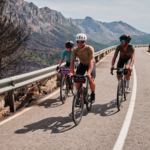
cyclists would be directed onto newly created segregated lanes running alongside or adjacent to the roadway. Photo credit: katyapulka/Shutterstock

Cyclists in Spain could lose access to some hard shoulders under new road regulations that allow authorities to redesign certain interurban roads and replace shoulders with segregated cycle lanes. The changes stem from Boletín Oficial del Estado publication of Royal Decree 899/2025, which updates aspects of Spain’s road infrastructure framework.

The reform permits the reduction or removal of hard shoulders on selected roads where protected cycling infrastructure is introduced. The regulation does not impose a nationwide ban on cyclists using hard shoulders. Under existing Spanish traffic laws, cyclists are still generally permitted to ride on the hard shoulder of interurban roads where it is considered passable and sufficiently safe.

Existing Rules for Cyclists Remain Largely Unchanged

For many years, Spanish traffic regulations have required cyclists travelling on interurban roads to use the hard shoulder whenever possible. These rules remain in place in areas where traditional road layouts continue unchanged. The latest reform instead focuses on infrastructure adaptation. Authorities may now redesign some roads by converting sections of the hard shoulder into dedicated cycle lanes separated from vehicle traffic.

The measure is intended to improve safety by creating clearer separation between cyclists and motor vehicles, particularly on roads with high traffic volumes or limited shoulder space. Spanish media reports clarified that the reform affects only roads selected for redesign and does not remove cyclists’ right to use remaining hard shoulders elsewhere in the country.

Segregated Cycle Lanes Could Replace Traditional Shoulders

Under the updated framework, regional and local authorities will be able to modify road layouts to introduce protected cycling infrastructure. In practice, this means some roads may no longer include the wide hard shoulders traditionally used by cyclists. Instead, cyclists would be directed onto newly created segregated lanes running alongside or adjacent to the roadway. The aim is to reduce direct interaction between bicycles and faster-moving traffic.

Spain has increased investment in cycling infrastructure in recent years, particularly in urban and suburban areas. However, interurban cycling routes have often continued to rely on hard shoulders rather than dedicated lanes. The new rules could therefore represent a gradual shift in how cycling infrastructure is designed outside cities, especially on routes frequently used by recreational cyclists and training groups.

Safety Concerns Have Long Been Part of the Debate

Road safety has been a recurring issue in discussions surrounding cycling in Spain. Cyclists have traditionally shared roads with cars, vans and heavy vehicles on many interurban routes, particularly in rural areas. Cycling organisations and road safety groups have repeatedly called for greater physical separation between bicycles and motor traffic following a number of serious accidents involving cyclists on Spanish roads.

Supporters of segregated infrastructure argue that dedicated lanes reduce collision risks by removing cyclists from direct traffic flow. Critics, however, have raised concerns that narrowing or removing hard shoulders could affect emergency stopping space for vehicles on some roads. The decree itself focuses on enabling infrastructure flexibility rather than mandating a uniform national design. Decisions on whether to alter specific roads will depend on local and regional authorities.

Changes Likely to Be Introduced Gradually

The reform does not require immediate changes across Spain’s road network. Any modifications to road layouts would be introduced progressively through infrastructure projects approved by the relevant authorities. As a result, cyclists will continue using hard shoulders on the vast majority of interurban roads for the foreseeable future. Only roads selected for redesign would see changes to the current arrangement.

Drivers travelling in Spain may eventually encounter more roads featuring separated cycling lanes rather than traditional shoulders shared with bicycles. However, implementation timelines are expected to vary between regions. The regulation forms part of broader efforts to adapt Spanish transport infrastructure to changing mobility patterns, including increased cycling participation and updated road safety planning.

Cyclists Still Allowed on Most Interurban Roads

Despite some reports suggesting cyclists are no longer allowed on hard shoulders in Spain, the legal position remains more limited in scope. The reform allows certain shoulders to be removed where alternative cycling infrastructure is built, but it does not prohibit cyclists from using hard shoulders nationwide.

Current traffic regulations requiring cyclists to use passable hard shoulders where available remain in force unless specific road redesigns alter the infrastructure. The changes therefore represent a potential restructuring of selected roads rather than a blanket restriction on cycling access across Spain’s transport network.

%

Summer Coding Camp For Kids

Published

on

summer-coding-camp-for-kids

More details on English Edition 16.05.26. Credit: Nicole King

I welcomed Sabi Borsos of Logiscool to English Edition to talk about their summer camps for 6 to 14 year olds.  I definitely want to sign up my 7 year old granddaughter.

Located in Elviria and San Pedro, Logiscool is offering children the chance to combine coding, creativity, sport and outdoor fun through its exciting digital summer sessions.

The 3-to-5-day non-residential camps feature more than 35 digital topics designed to introduce children to the world of technology in a playful and engaging way. Led by young trainers who connect easily with kids and teens, the camps blend indoor tech learning with outdoor activities and teamwork.

Children can explore Roblox Camps, where they become game designers instead of just players, Programming Camps that introduce coding and logical thinking through interactive challenges and Minecraft Camps, where kids learn programming basics while building and creating inside the game. It’s important for children’s safety that they understand not just how to use technology, but how technology actually works.

We live in an increasing AI-driven world but whilst AI tools can generate answers and code, they cannot always judge whether information is correct, secure, appropriate or reliable.  Learning coding teaches them to question technology rather than simply consume it whilst developing problem-solving, logical thinking, creativity and computational skills that are valuable across many future careers.

Experts believe the future will belong to people who can work alongside AI, direct it and understand its limitations. Children who understand these concepts are far less likely to be manipulated by technology and will be capable of actually using it to further their own ideas and creativity.

Sabi kindly offers my readers and viewers a 10% discount on the weekly camp with promo code NICOLEKING26 during registration.

Continue Reading

%

Competa Hiking Heroes Give Wheelchair-Bound Woman Chance To Return To Peak

Published

on

competa-hiking-heroes-give-wheelchair-bound-woman-chance-to-return-to-peak

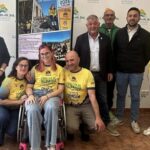
Xiomara and Los Locos de la Colina. Credit: Ayuntamiento de Competa

Locals in Competa will gather art the end of the month to help 23-year-old Xiomara Santisteban Domínguez reach Cerro Lucero peak once again. The young woman from the town suffered a serious accident that left her with a spinal injury and complex regional pain syndrome. Before that, she often hiked to the 1,774-metre peak with her family, sometimes at night to watch the sunrise. On Sunday, May 31, the expedition hopes to restore that cherished experience through teamwork and determination.

Club builds on record of charity hikes

Los Locos de la Colina has organised similar inclusive challenges in recent years. In one notable case, the club dedicated the Trail Canillas de Albaida – Reto Higinio to young Alba, who has Mowat-Wilson syndrome. Volunteers carried her in a Joëlette chair during the event, creating joyful memories for her family while raising funds. Such efforts reflect the group’s commitment to adaptive mountain sports across the Axarquia region.

Details of the upcoming ascent

Hikers from the club will transport Xiomara in a Joëlette all-terrain chair. The main support team starts from Plaza Almijara in Competa at 7am. Other participants drive to Puerto Blanquillo for an 8am start on a shorter route. Porters plan frequent relays to maintain pace on the demanding trail, which includes technical sections near the top. Organisers expect the full climb from Competa to take seven to eight hours.

Preparation and safety measures

Fitness levels matter because of the steep ascent. Participants receive two refreshment stops, though hikers must bring extra water for the upper sections. Insurance or a federative licence counts as essential. Those without one can arrange a one-day policy for five euros by emailing a copy of their identity document to the club. Registration through the Los Locos de la Colina website or the town hall helps track numbers for safety.

Local backing and emotional impact

Town officials and the Mancomunidad de la Axarquia have endorsed the project. The mayor of Competa and other representatives joined the presentation alongside Xiomara and her parents. After the descent, everyone meets for a snack at the town hall. Club members stress responsibility on this challenging route while focusing on Xiomara’s goal. Her words show deep gratitude for the chance to stand on the summit again.

Broader meaning for accessibility in mountains

Initiatives like this one continue a growing movement in Andalucia. Delivery of Joëlette chairs to clubs has enabled more people with reduced mobility to join trail events. In Competa, the climb represents resilience and community spirit in the Sierras Tejeda, Almijara and Alhama Natural Park. Many view it as proof that barriers in outdoor activities can diminish through collective action.

Continue Reading

%

Live Music In Spain Doubles Cinema Box Office With €807.2 Million Revenue

Published

on

live-music-in-spain-doubles-cinema-box-office-with-e807.2-million-revenue

major national and international tours contributing significantly to overall revenue. Photo credit: Right Perspective Images/Shutterstock

Live music in Spain generated €807.2 million in ticket sales in 2025, according to data published in the Anuario de la Música en Vivo 2026, produced by the Asociación de Promotores Musicales (APM). The figure marks another strong year for the sector, which has continued its post-pandemic growth trajectory.

The report also places the live music industry’s ticket revenue significantly above the annual box office takings of Spanish cinemas, which are estimated at around €450 million. This means live music ticket sales alone are close to double the value of cinema admissions across the country.

Record Ticket Revenue for Live Events

The €807.2 million figure refers specifically to ticket sales for concerts and live performances across Spain. It does not include broader economic activity linked to the sector, such as hospitality, tourism, transport, or employment generated around events. The data was compiled by the Asociación de Promotores Musicales, which represents concert promoters and event organisers across the country. The organisation publishes annual reports tracking attendance, revenue and industry trends within Spain’s live entertainment market.

According to the report, the 2025 figure reflects sustained demand for live performances, with major national and international tours contributing significantly to overall revenue. Large stadium concerts and festival events continue to account for a substantial proportion of ticket sales. The report also highlights the continued strength of Spain’s festival circuit, which remains one of the most active in Europe. Events across cities such as Malaga, Madrid, Barcelona, Valencia and Bilbao continue to attract both domestic and international audiences.

Comparison With Spain’s Cinema Sector

The comparison with cinema box office revenue underlines the scale of the live music sector in Spain. Annual cinema takings are estimated at roughly €450 million, meaning live music ticket revenue alone is substantially higher. The cinema industry in Spain includes both domestic productions and international releases shown in theatres nationwide. While box office figures fluctuate depending on major film releases, the overall sector has remained below pre-pandemic levels in several recent years.

By contrast, live music has experienced a stronger recovery, with audience attendance and ticket prices contributing to rising revenues. The return of large-scale touring schedules after pandemic restrictions has been a key factor in the sector’s growth.

Wider Economic Impact of Live Music

Although the €807.2 million figure reflects only ticket sales, broader estimates suggest the total economic impact of live music in Spain is significantly higher when indirect spending is included. Studies cited by industry bodies indicate that concerts and festivals generate additional income through accommodation, restaurants, transport services and related tourism activity.

This wider economic footprint is often several times larger than ticket revenue alone. The report notes that Spain’s live music industry plays an important role in regional economies, particularly during the summer festival season. Coastal regions and major cities often see increased visitor numbers linked to major events.

Growth Driven by Festivals and Touring Acts

Industry analysts point to several factors behind the sector’s strong performance. The return of international touring artists, combined with the expansion of large-scale festivals, has helped sustain demand across multiple regions. Spain’s geographic and climatic advantages also support a long outdoor festival season, which typically runs from spring through early autumn.

This allows for a high concentration of events compared with many other European markets. Mid-sized venues and indoor arenas have also contributed to revenue growth, with consistent programming throughout the year helping to stabilise attendance outside the peak summer months.

Continued Expansion of the Sector

The APM report suggests that live music remains one of the most resilient segments of Spain’s cultural economy. While other entertainment sectors have faced more uneven recovery patterns, concert activity has continued to expand in both scale and revenue. The organisation notes that sustained investment in touring infrastructure and venue capacity has helped support growth, alongside strong audience demand for in-person events.

Although future performance will depend on broader economic conditions, the 2025 figures confirm that live music has firmly re-established itself as one of Spain’s most commercially significant cultural industries.

Continue Reading

Trending

Copyright © 2017 Spanish Property & News