
News from Spain
Did Spain really fail to roll out the EES?

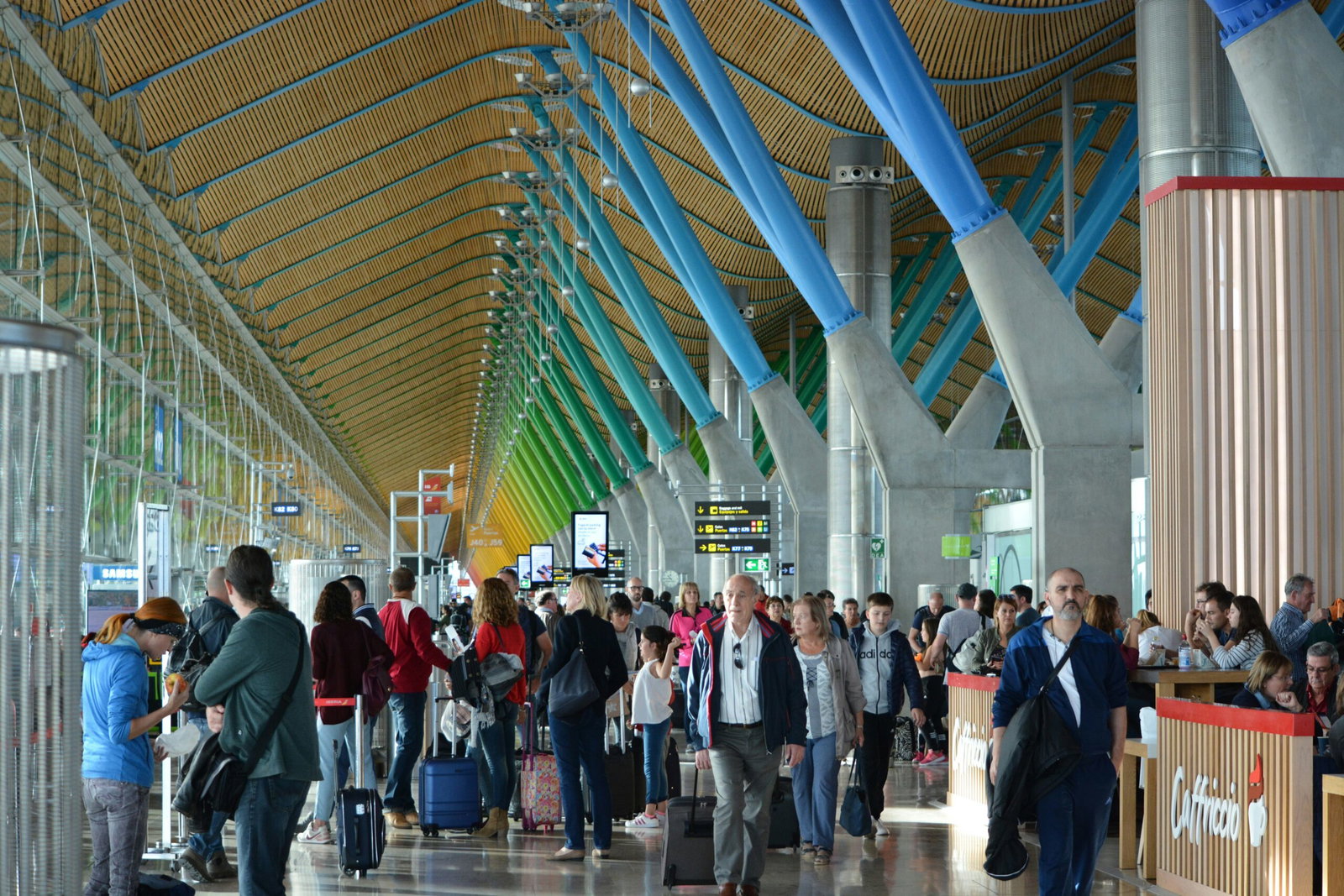
Ryanair warns Spain’s EES rollout risks summer travel chaos.
Photo Credit: John Oswald / Unsplash
Hours-long queues, border control chaos, and a major headache for travellers: a popular low-cost airline has released warnings about the recently-implemented Entry/Exit System, or EES, for officials in various European countries, the latest of which being Spain. Worries and fears are already swirling just ahead of peak season with the new system causing delays of up to two hours, and fingers are being pointed at Spanish authorities.
Ryanair slams Spanish authorities: They have ‘failed’ to properly implement EES
Irish low-cost airline Ryanair, the largest airline in Europe by passenger volume, has warned Spanish authorities that peak season will devolve into chaos if the EES is not suspended for the time being. “Despite having known for more than three years that the EES would become fully operational from 10 April 2026, the Spanish authorities have failed to ensure adequate staffing, system readiness or the installation of kiosks,” stated the airline, according to sources from digital tourism news magazine Preferente.
Hours-long queues: EES experiences growing pains despite gradual implementation
The EES system aims to speed up border controls by registering travellers from outside the European Union in an efficient digital system. However, the system experienced a bumpy rollout, despite a plan to gradually implement it in airports across the EU, including Spain.
“Waiting times are already exceeding one to two hours at the airports of Malaga, Alicante, Lanzarote, Tenerife South, Gran Canaria, Reus and Fuerteventura, where staff shortages and system crashes continue to cause disruptions,” stated representatives from Ryanair.
So, did Spanish authorities really fail?
On the one hand, travellers, who are the most directly affected by the system’s failures, are understandably frustrated. In large airports across the country, long queues could easily mean missing your flight. Reports of non-functioning kiosks in various Spanish airports have also been rampant, pointing to a possible oversight on the part of Spanish authorities.
In the case of one particular British family that was due to fly back home from Malaga, Spain to Liverpool, England, the EES directly caused a 24-hour delay, according to the Daily Mail. Despite arriving three hours early for their flight and a full 90 minutes early for the passport check, a lengthy queue stopped them dead in their tracks, eventually making them miss their flight completely. Additionally, the holdup cost the family £1,000 (around €1,160), as the family had to set out for Glasgow instead and rented a car in order to finally get home.
Spain’s heavy dependency on tourism also makes the issue higher-stakes. During the summertime, some of Spain’s hotspots become overcrowded, even without the currently-sluggish EES.
On the other hand, Spain is not the only country experiencing delays due to the EES, despite having known about its implementation far in advance. Ryanair has alerted dozens of countries to possible peak season chaos this summer with regards to the new system.
Additionally, not all of Spain’s airports have been experiencing delays. While major Spanish hubs like Malaga and Alicante may be pressed for time, other airports have reported little to no queues, kiosk malfunctions, or any other delays or cancellations of any kind.
Ryanair warns dozens of countries about potential peak season disaster
The warning from Ryanair comes as the low-cost carrier issued another statement, this time to the country of France, asking authorities to stall the EES system until September due to long queues and airport chaos.
In total, the Irish airline has written to governments of 29 Schengen Area countries, urging them to suspend the system until September and ensure a smoother peak season for European airports.
Whether the EES will get sorted out at major tourism hotspots in time for peak season, or whether travellers will be stuck waiting in endless queues, remains to be seen.







BRITTANY FERRIES
Spain ferry company issues fuel update: What it means for UK travellers heading across the Channel

What’s changed: Ferry operator speaks out on fuel fears
Following speculation about potential disruption due to rising global fuel costs, Brittany Ferries CEO Christophe Mathieu addressed fears:
“You don’t need me to tell you that the war in Iran is creating uncertainty and anxiety in society. We may not be close to the destruction wrought by bombs and missiles, but we are certainly feeling the consequential pain of this geopolitical crisis,” he said.
“In the travel sector you will have seen concerns raised by the airlines. According to their trade body IATA, the industry has perhaps six weeks of kerosene left,” he continued.
However he confirmed there is no risk to the Brittany Ferries fuel supply and sailings will continue as normal.
The company says it has secured fuel through advance purchasing agreements, protecting its operations from sudden price spikes or shortages. This effectively rules out cancellations linked to fuel issues on its UK-Spain routes.
What this means locally in Spain
For northern ports like Santander and Bilbao, the update is significant. These routes are heavily used by British travellers but also by Spanish residents with ties to France and the UK.
Ferry travel is often an overlooked but vital option for Spanish citizens living abroad or those moving between homes. Many Spanish residents travel by ferry to reach family in France or Britain, especially when transporting personal belongings, pets, or even vehicles.
The same applies to British second-home owners in Spain, from Costa Blanca villas to Mallorca apartments, who frequently use ferries as a practical way to travel back and forth without strict luggage limits.
In the Balearics, including Palma, while flights dominate, ferries still play a quiet but important role in the wider travel network, particularly for longer stays or relocations.
What you should do now
If you’re planning ferry travel this summer:
- Book as early as possible: Peak season sailings fill quickly
- Choose your route carefully: Santander and Bilbao remain key entry points
- Plan beyond arrival: Allow time if driving across Spain or connecting onwards
- Check official updates: Follow guidance from Brittany Ferries
- Consider your needs: Ferries are ideal for cars, pets, and extended stays
Why ferry travel still matters
While flights often dominate headlines, ferries continue to offer flexibility that many travellers value. For Spanish immigrants returning home, or British residents travelling between properties, ferries provide a practical, less stressful alternative.
They allow travellers to carry more, travel with pets more easily, and avoid the unpredictability of airport delays or baggage restrictions.
Common questions
Are ferry services between the UK and Spain at risk?
No. The company has confirmed there are no fuel shortages and services will operate normally.
Will ticket prices increase?
There’s no immediate indication of price rises, as fuel has been secured in advance.
Who benefits most from ferry travel?
Families, pet owners, second-home owners, and Spanish residents travelling between countries.
Is it still a reliable way to travel?
Yes – especially for longer stays or travellers needing flexibility.
What happens next for ferry travel
Looking ahead, ferry operators are expected to continue managing fuel costs carefully while exploring greener alternatives. For now, stability is the key message.
As summer approaches and flights face delays and cancellations, ferry travel remains a dependable – and often underestimated – way of moving between Spain, France, and the UK.
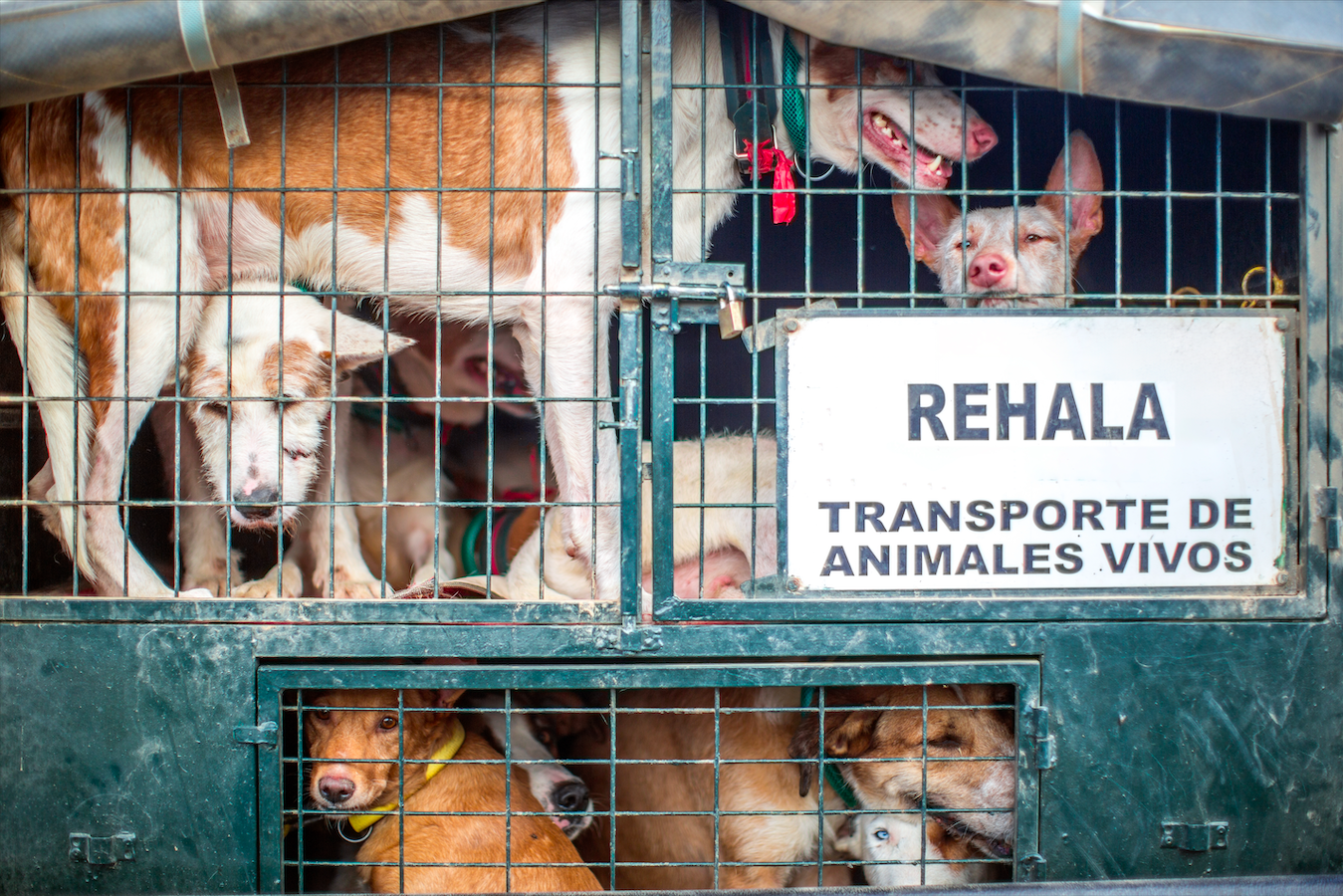
Hunting remains an established rural activity in Spain. Photo credit:Right Perspective Images/Shutterstock
A new European Union regulation on the welfare and traceability of dogs and cats includes a provision that allows tail docking in hunting dogs when there is a justified health or sanitary reason. The measure has been approved by the European Parliament in Brussels with 558 votes in favour, 35 against and 52 abstentions, and forms part of a broader update to animal welfare rules across EU Member States. In Spain, the decision has drawn attention from hunting communities and rural sectors, particularly those involved in the use of working dogs in field environments.
The regulation now moves to national implementation, where each Member State will determine how veterinary assessments and authorisations are applied in practice. The framework sets common standards across the European Union while allowing national authorities to define specific procedures for enforcement. This will include alignment with existing veterinary oversight structures already used for working dog certification and animal health monitoring.
Tail Docking Recognised in Specific Veterinary Contexts
The regulation includes a provision stating that tail docking may be permitted when there is a clear health or sanitary justification. This applies particularly to working dogs, including those used in hunting, where exposure to physical strain linked to outdoor activity can be a factor in veterinary decision-making.
Hunting dogs used in rehala systems (packs of hunting dogs) and field hunting are often active for extended periods in operational conditions where injuries may occur. In these cases, veterinary professionals may assess whether preventive intervention is appropriate based on the individual animal’s working conditions and health risk.
The key element of the rule is that tail docking is not automatic or routine. Instead, it must be supported by veterinary justification and comply with national implementation rules within each EU country.
Relevance for Hunting Practices in Spain
Hunting remains an established rural activity in Spain, with working dogs playing a central role in tracking, flushing and retrieving game. Within this context, the inclusion of a health-based allowance for tail docking is being interpreted by some in the sector as relevant to working dog management in outdoor environments.
Any decision involving tail docking remains subject to veterinary assessment under the EU framework. Regional hunting practices vary significantly across Spain, which may influence how veterinary criteria are applied in different autonomous communities.
Scientific Input and Veterinary Position
The regulatory approach is supported by scientific assessments from the European Food Safety Authority (EFSA), which examined injury risks in working dogs. In its findings, EFSA stated that tail docking may reduce the incidence of tail injuries in certain working dog populations where exposure to specific environmental risks is high.
Veterinary professionals are responsible for evaluating each case individually under the regulation. Their role is to determine whether a documented health risk justifies the procedure, ensuring that decisions are based on clinical assessment rather than generalised practice. This includes consideration of non-surgical preventative measures before any intervention is authorised.
Debate Between Animal Welfare Groups and Hunting Sector
The inclusion of a health-based allowance has prompted renewed debate between animal welfare organisations and hunting representatives. Welfare groups argue that tail docking should not be used as a preventive measure and that alternatives such as training, equipment and handling practices should be prioritised. They also highlight the role of the tail in canine communication and movement, noting that surgical alteration can affect natural behaviour.
Hunting organisations, however, maintain that working dogs in field conditions face specific risks that are not present in domestic settings. They argue that in some cases, veterinary-approved intervention may form part of responsible animal care when injury risk is demonstrably high. This difference in approach continues to shape discussions across Europe, particularly in countries with strong hunting traditions such as Spain.
Implementation Across EU Member States
While the regulation establishes a common European framework, implementation is left to individual Member States. This means that national veterinary authorities will determine how health-based justifications for tail docking are assessed and applied.
In practice, this creates a system where working dogs are evaluated on a case-by-case basis rather than under a single uniform rule. The outcome depends on veterinary judgement, national guidelines and the specific circumstances of each animal. Enforcement mechanisms will be integrated into existing national animal health and welfare inspection systems.
Conclusion
The new European Union regulation introduces a shared framework for animal welfare and traceability while allowing veterinary-based exceptions for tail docking in hunting dogs. In Spain, the measure is expected to be particularly relevant to rural hunting communities. The final impact will depend on how national authorities interpret veterinary justification within the European legal framework.
bars to charge supplement for bottles
Bars and restaurants in Spain to add supplement for each bottle sold
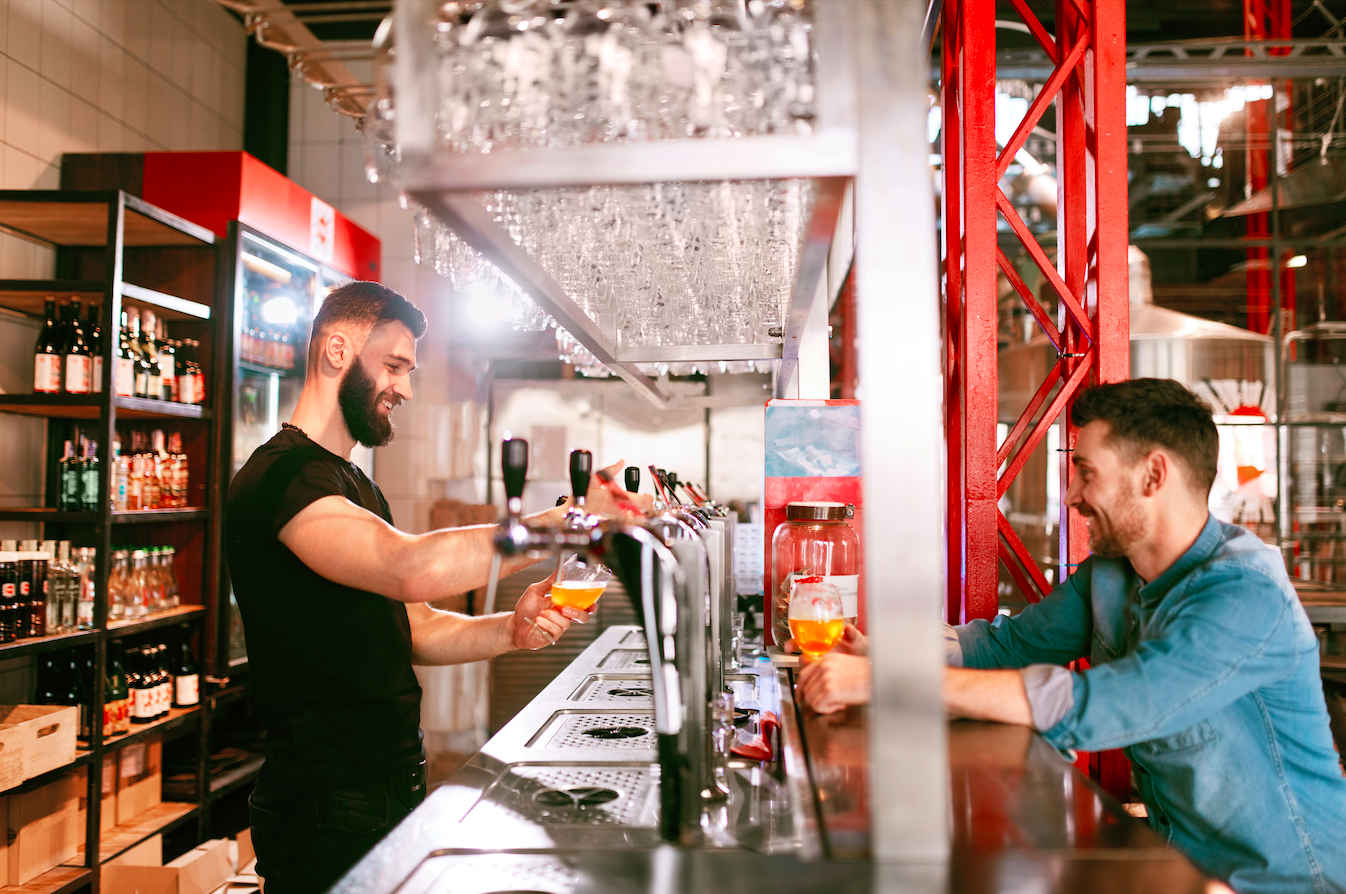
Bars will need to adjust internal processes to manage containers that carry a refundable value. Photo credit: Puhhha/Shutterstock
Bars and restaurants across Spain will be required to apply a refundable charge to selected beverage containers once the national deposit-return system for drinks packaging comes into force. The change will affect how bottled and canned drinks are sold in hospitality venues, where consumption often takes place on-site rather than through takeaway retail.
The measure forms part of a wider regulatory framework aimed at improving collection rates for drink containers that currently enter waste streams or are discarded in public spaces. Unlike retail environments, where customers typically retain packaging, bars introduce a service-based setting where containers are opened, consumed and cleared by staff. This difference is central to how the scheme will operate in practice within hospitality businesses.
How the Deposit Will Appear in Bar Transactions
Under the system, eligible drinks sold in bars will carry an additional refundable charge applied at the point of sale. This will be shown separately from the listed price of the drink, meaning customers will see a clear breakdown between the beverage cost and the container deposit.
The charge will apply to drinks sold in original packaging, including bottled soft drinks, beer and cans. Bars will be required to ensure the correct application of the deposit through updated pricing systems and till configurations. Staff training is expected to form part of early implementation preparation to ensure consistency in how charges are applied across different products.
Customer Experience When Drinking On-Site
For customers consuming drinks within bars, the deposit system introduces a change in how value is recovered. In most cases, empty bottles and cans remain within the venue and are cleared by staff, meaning customers do not retain physical access to the container required to reclaim the deposit. This creates a situation in which the refundable charge is less directly linked to consumer action compared with takeaway purchases.
As a result, the practical benefit of reclaiming the deposit may be more relevant for drinks consumed off-site, where containers remain in the customer’s possession after use. The change may also influence purchasing patterns, particularly in venues offering both bottled and draught options, where consumers may consider alternatives that do not involve a container deposit.
Operational Changes Inside Hospitality Venues
Bars will need to adjust internal processes to manage containers that carry a refundable value. This includes handling, storing and preparing eligible bottles and cans for return through authorised collection systems. In many venues, staff already collect and dispose of empty containers as part of routine service.
Under the new system, this activity will take on an additional administrative dimension, as returned packaging must be separated and accounted for within the deposit framework. Storage space is expected to become a practical consideration, particularly in smaller establishments where back-of-house capacity is limited. The requirement to hold containers before collection may introduce new logistical pressures during peak trading periods.
Differences Between Hospitality and Retail Settings
The introduction of the deposit system highlights structural differences between retail and hospitality environments. In retail, responsibility for packaging clearly passes to the customer at the point of purchase, with return handled independently.
In bars, the point of sale and consumption are closely connected, which reduces the likelihood of customers retaining packaging after use. This means that hospitality venues are likely to play a greater role in the physical handling of containers compared with shops, even though the financial charge is applied in both settings.
Effects on Service and Drink Offerings
The requirement to manage deposit-bearing containers may also influence operational decisions within bars. Some venues may review their drink offerings, particularly where alternatives exist that do not involve single-use packaging.
Draught systems, refillable formats or bulk service options may become more prominent in certain establishments, depending on cost, storage and handling requirements associated with bottled and canned products. However, the extent of any shift will depend on individual business models and customer demand.
Consumer Adjustments in Practice
For customers, the primary change will be the introduction of a separate charge on selected drinks. While the deposit is refundable, its recovery depends on the return of eligible containers through designated collection systems.
In takeaway situations, this process is direct. In bar environments, the ability to reclaim the charge is less immediate, as containers are typically not retained by the consumer after consumption. This creates a different interaction with the system compared with retail purchases.
Conclusion
The introduction of a deposit-return system will alter how bars in Spain handle beverage packaging, shifting part of the responsibility for containers into structured collection processes. While the financial mechanism is designed to be neutral over time through refunds, its operational impact will be most visible in hospitality environments where consumption and disposal occur in the same space.
Archaeologists stunned by record-breaking Viking coin hoard in Norway: “The detectors never stopped beeping!”
Blockbuster EU-Mercosur Trade Deal Enters Into Force
Spain ferry company issues fuel update: What it means for UK travellers heading across the Channel

Luxury Villas For Sale, Estepona – ProjectL1

Stylish 3-Bedroom Apartment With Panoramic Sea Views – Benalmádena
Brussels warns Spain that migrants regularised under controversial scheme will be deported back to Spain if they try to move to other EU countries


-
 New Developments4 weeks ago
Luxury Villas For Sale, Estepona – ProjectL1
-
 New Developments4 weeks ago
Stylish 3-Bedroom Apartment With Panoramic Sea Views – Benalmádena
-
eu response to spain migration policy3 weeks ago
Brussels warns Spain that migrants regularised under controversial scheme will be deported back to Spain if they try to move to other EU countries
-

 %4 weeks ago
Poland Disconnects Utilities At Russian Consulate That Moscow Refuses To Hand Over
-
Costa Calida3 weeks ago
Murcia unveils monument marking 175th anniversary of Burial of the Sardine
-
Costa del Sol3 weeks ago
Easter on the Costa del Sol: a time of renewal
-
ChatGPT4 weeks ago
He used ChatGPT to sell his home – and walked away with €100,000 more than expected
-
BOE4 weeks ago
Spain confirms weekly rest rights: What workers need to know