Connect with us

%

Dogs On Loose: 2 AP-7 Incidents Raise Alarms

Published

on

dogs-on-loose:-2-ap-7-incidents-raise-alarms

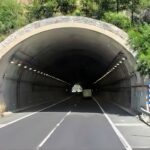
AP-7 tunnel on motorway between Marbella and Estepona. Credit: JCFB

Another dog was spotted running through a motorway tunnel near Marbella, just days after two dogs were rescued from the AP-7 near Manilva.

Drivers on the Costa del Sol are being reminded of the dangers posed by animals wandering onto busy roads after a dog was spotted running along the AP-7 near Marbella on Tuesday, November 17.

At around 1.30pm, driver Jamie Clark encountered a small to medium-sized, light brown dog entering a tunnel near Real Club de Golf Las Brisas, between Marbella and Estepona, heading towards Marbella Centro. Clark described the animal as having a slightly Galgo-like (whippet) face, although its breed was uncertain.

He said he had to brake sharply to avoid hitting it before getting out of his vehicle and attempting to catch it. His girlfriend and another motorist who had stopped to help followed in their cars as he pursued the dog through the tunnel.

Unfortunately, the animal ran off to the right at the other end and disappeared from sight. It was still alive and running when last seen. It is not yet known whether the dog has been found or whether the authorities were alerted.

Second AP-7 dog incident in five days

The sighting comes just days after two potentially dangerous dogs were rescued from the AP-7 near Manilva on November 12. The animals reportedly had no microchips, prompting the council to investigate their origins and whether they had been abandoned.

Two separate incidents on the same motorway in such a short period raise questions about how animals are reaching these dangerous roads. The latest findings on dangerous roads in Malaga Province provide further context about the safety challenges facing motorists.

Who is responsible for rescuing stray dogs?

Spain’s Animal Welfare Law (Law 7/2023) requires local councils to provide a 24-hour emergency collection and veterinary care service for lost and abandoned animals. Marbella also works with Triple A, the local animal rescue association, which cares for abandoned dogs and cats.

Drivers who encounter an animal on a motorway should not attempt to catch it or stop in a live traffic lane. Instead, they should contact 112, giving the operator the motorway location, direction of travel and any nearby junction or tunnel. The DGT’s road safety advice warns that animals can behave unpredictably and advises drivers to slow down and maintain a safe distance.

More information is being sought about the Marbella sighting and the response arrangements for animals found on the region’s busiest roads. Mind your driving.

%

Spain’s Railway Chaos Deepens As Minimum Services Ignored And Fresh Strike Threatens

Published

on

spain’s-railway-chaos-deepens-as-minimum-services-ignored-and-fresh-strike-threatens

Workers are demanding stronger safety measures. Photo credit:Ekaterina Chuyko/Shutterstock

Spain’s railway passengers have spent Tuesday, November 17, facing cancelled trains, lengthy delays and packed stations, with some commuters finding that the services they were legally supposed to have simply never arrived. Madrid’s Cercanías network was almost brought to a standstill during the morning rush hour, while disruption spread to Barcelona and long-distance routes across the country.

The 24-hour strike, called by railway unions demanding stronger safety measures, has caused serious problems despite compulsory minimum services being ordered. Although some services began recovering during the afternoon, the disruption has already affected hundreds of thousands of journeys.

Madrid Cercanías almost brought to a halt

The worst disruption was in Madrid, where Renfe reported that 97.64 per cent of scheduled minimum services had been cancelled by 10.30am. The Ministry of Transport had ordered 75 per cent of normal Cercanías services to operate during peak hours, making the scale of the cancellations particularly serious for people relying on trains to get to work. By late afternoon, the situation had improved, but the network was still struggling. Renfe reported that 44 per cent of minimum services had been cancelled in Madrid after 05:00pm.

Barcelona’s Rodalies network was also badly affected, with around 41 per cent of scheduled minimum services cancelled by 6pm. The impact extended beyond the two biggest commuter networks. Renfe reported that 22.27 per cent of scheduled services across Cercanías, Rodalies, Avant and Media Distancia had been cancelled, affecting an estimated 666,275 passengers. High-speed and long-distance passengers were not spared either. Cancellations affected services operated by Renfe, Iryo and Ouigo, leaving travellers facing changes to their journeys and limited opportunities to find alternative trains.

Renfe and unions disagree over minimum services

One of the biggest disputes of the day has been over why so many trains failed to operate despite the minimum-service requirements. Renfe accused workers of failing to comply with the compulsory services ordered by the ministry. The company put overall strike participation among its eligible workforce at 16.75 per cent across the night, morning and afternoon shifts. SEMAF, the train drivers’ union, disputed Renfe’s explanation. It argued that the disruption was caused by poor management of minimum-service notifications, claiming that drivers had not been properly informed of their assigned duties.

The disagreement has left passengers caught between the two sides, with little reassurance about when their journeys would return to normal. Renfe advised customers to avoid unnecessary travel where possible and look for alternative transport. It also offered free changes and cancellations for affected tickets.

Safety concerns behind the walkout

The strike was called by several railway unions, including SEMAF, CCOO, UGT and CGT, following the fatal railway accidents at Adamuz in Córdoba and Urda in Toledo, which together claimed 115 lives. Workers are demanding stronger safety measures, better maintenance and additional staffing across the railway network. They also want commitments made during previous discussions to be fully implemented. SEMAF confirmed before the strike that industrial action would continue because important safety issues had not been definitively agreed or resolved, despite technical progress in talks with the Transport Ministry, Renfe and Adif.

That means Tuesday’s disruption may not be the end of the problem. With the safety dispute still unresolved, passengers could face further industrial action while railway workers continue pressing for changes. For the hundreds of thousands affected today, the immediate result has been a miserable day of disrupted travel. For the railway industry, the argument over how to make Spain’s trains safer is still very much on the tracks.

Continue Reading

%

Mallorca Prepares For One Of Its Biggest Fairs

Published

on

mallorca-prepares-for-one-of-its-biggest-fairs

Forget the usual tourist attractions for a moment. If you’ve ever wanted to experience the Mallorca that exists beyond its beaches and holiday resorts, this is one event worth adding to your calendar.

For one extraordinary day each November, the island’s famous leather-making town transforms into a bustling celebration of Mallorcan life, with streets filled with market stalls, agricultural displays, local produce and visitors from across the island.

And the celebrations don’t begin on the main fair day. The festivities get underway the evening before, when Dimecres Bo brings its own lively atmosphere to Inca.

Whether you’re a long-term resident, a newcomer to Mallorca or simply visiting in November, here’s what to know before heading along.

A celebration of Mallorca’s agricultural heritage

Dijous Bo, which translates roughly as “Good Thursday”, has its roots in Inca’s long history as a centre of farming, trade and commerce.

Traditionally, farmers and traders travelled to the town to sell livestock, exchange goods and meet customers from across Mallorca.

Today, the event retains much of that agricultural character while incorporating entertainment, shopping, music and activities for the whole family.

The official Dijous Bo website confirmed this year’s programme following a presentation by Inca mayor Virgilio Moreno on November 10.

Dimecres Bo: The party starts on Wednesday

Although Thursday is the main attraction, Wednesday, November 18, promises plenty of excitement.

Known as Dimecres Bo, the evening before the fair is traditionally one of Inca’s liveliest nights, with residents gathering for music, food and celebrations.

The traditional farmers’ market will operate from 10am until 10pm, while displays of agricultural machinery, historic farming equipment and traditional carts will offer visitors a glimpse into Mallorca’s rural past.

At 1pm, the Mallorcan black pig competition will take place in Plaça del Bestiar, celebrating one of the island’s best-known native livestock breeds.

The official opening ceremony begins at 5.30pm, accompanied by traditional Mallorcan musicians.

Horse-riding demonstrations will follow in Plaça de la Font Vella, while the evening’s celebrations include a proclamation and ceremonial rocket launch at 7.30pm in Carrer del Born.

For those who fancy a late night, music events at venues including Sa Lluna, Aqua Pub and Pub Nits are scheduled to continue into the early hours.

Thursday’s main fair: What can visitors expect?

On Thursday, November 19, Inca’s streets and squares will become a sprawling open-air fairground.

The traditional farmers’ market will run from 10am until 8pm, offering an opportunity to browse local products, crafts and regional specialities.

Agricultural displays will remain a major attraction, with livestock exhibitions taking place in Plaça del Bestiar from 9.30am until 5.30pm.

Visitors can expect displays featuring native livestock, poultry and birds of prey, alongside demonstrations celebrating the island’s farming traditions.

There will also be cultural performances and activities for younger visitors, including a dedicated children’s area on Avinguda dels Reis Catòlics.

The main festivities are scheduled to conclude at 8.30pm with a fire-themed procession and percussion performance.

A family-friendly day out with something for everyone

For families living in Mallorca, Dijous Bo offers an opportunity to introduce children to traditional island culture.

From seeing farm animals to watching horses and exploring market stalls, there is plenty to discover beyond the usual weekend activities.

The fairground attractions at General Luque are also scheduled to operate during the wider celebrations, with designated music-free periods intended to make the experience more accessible for visitors with sensory sensitivities.

And for anyone who enjoys discovering Mallorca through its food, the markets provide an opportunity to explore local produce and traditional specialities.

How to get to Dijous Bo 2026

The fair takes place throughout central Inca, approximately 30 kilometres northeast of Palma.

Organisers recommend travelling by train, as Inca’s railway station is within walking distance of the town centre.

Visitors driving from Palma can use the Ma-13 motorway, although heavy traffic, parking restrictions and crowded streets should be expected during the celebrations.

The main event is free to attend, although individual attractions, food and purchases may involve additional costs.

With Wednesday’s festivities continuing late into the night and Thursday offering a full day of traditional entertainment, visitors can choose between a lively evening out or a more relaxed family visit.

For British residents hoping to experience a different side of Mallorca, Dijous Bo offers something that no beach resort can replicate: a chance to celebrate the island’s traditions alongside the people who keep them alive.

Continue Reading

%

Hackers Find Backdoor Into World’s Biggest Websites

Published

on

hackers-find-backdoor-into-world’s-biggest-websites

Security warning about latest hack. Credit: Prostock-studio – Shutterstock

New global cyberattack finds its way into some of the World’s biggest websites, exposing users’ private details.

Hackers have found a way to inject malicious software into websites used by some of the world’s best-known companies, including IKEA, the BBC and Zoom, in a cyberattack that could have exposed visitors’ payment details and personal information.

The incident, discovered on Monday November 16, involved Optimizely, a technology company whose tools are used by organisations to test and personalise their websites. Rather than attacking each business separately, criminals exploited a weakness in the service used to run parts of their websites.

Cybersecurity researchers found malicious code on websites belonging to at least 178 organisations. The list includes major names in retail, banking, technology, travel and news, according to the investigation by security researcher Scott Helme at Report URI.

How hackers got into trusted websites

Optimizely’s Web Experimentation service allows businesses to change and test website content. Customers add a small piece of JavaScript code to their pages, which is normally delivered from Optimizely’s own servers.

Attackers found a way to alter code stored in some customer projects. This meant visitors’ browsers could load the malicious software from a source they would normally trust.

Security researcher Scott Helme found 188 infected scripts after examining 1,611 Optimizely files. Those scripts belonged to 178 organisations.

Among the affected websites were IKEA, the BBC, Zoom, CNN, Salesforce, GitLab, HSBC and Equifax. The list also included airlines and other major retailers.

Importantly, this does not mean those companies’ own computer networks were necessarily breached. The malicious code was delivered through the third-party service, and a website appearing on the list does not prove that every visitor suffered a loss.

The incident has similarities to other attacks involving outside technology providers. In 2025, Iberia customers had personal information exposed through a third-party system connected to the airline’s booking platform.

What information could have been stolen?

Researchers found that the malicious software was designed to carry out several different types of theft. It could capture payment-card details entered into website forms, replace cryptocurrency wallet addresses with those belonging to the criminals, and collect browser cookies and screenshots.

On Apple iPhones and iPads, the code also attempted to load tools designed to exploit weaknesses in the devices’ operating systems.

Report URI said it had identified cryptocurrency transactions linked to the attackers, suggesting that at least some theft had taken place. However, the full number of affected visitors and whether payment-card details were successfully stolen have not been established.

Reuters reported on November 17 that it could not independently confirm whether the attacks had succeeded or determine their overall impact.

Optimizely says the security flaw has been fixed

Optimizely confirmed that an unauthorised party had exploited a vulnerability in its Experimentation service to add malicious JavaScript to some customer projects. The company said it had fixed the vulnerability, removed the injected code and taken additional steps to protect affected accounts.

Cybersecurity publication BleepingComputer reported further details of the incident, including Optimizely’s confirmation that the attackers had exploited a weakness in its account signup process. Most of the infected scripts had been cleaned up by late on Monday, according to Report URI’s investigation.

The incident is a reminder that visiting a familiar website does not necessarily mean every piece of technology running behind the scenes is safe. Businesses often rely on outside providers for website features, payment services, analytics and customer tools.

A weakness in one supplier can therefore affect many organisations at once, even when their own systems have not been directly attacked.

EWN has previously reported on cybercrime affecting Spain, including the case of a young hacker who breached systems belonging to the country’s traffic authority, the DGT, and other public bodies. Read more about the 19-year-old hacker who breached Spain’s DGT, CNMC and other institutions.

Other threats can also put personal information at risk. The Guardia Civil recently warned iPhone users in Spain about hackers taking control of WhatsApp accounts without suspicious links or calls.

For Internet users, the practical advice is to keep phones, computers and browsers updated, use two-factor authentication where available, and check bank and card statements for unfamiliar transactions. Anyone who entered payment details on an affected website during the incident should pay particular attention to unusual activity.

Continue Reading

Trending

Copyright © 2017 Spanish Property & News