
News from Italy
Double waterspout turns into tornado in Sicily as cars are overturned and school is badly damaged

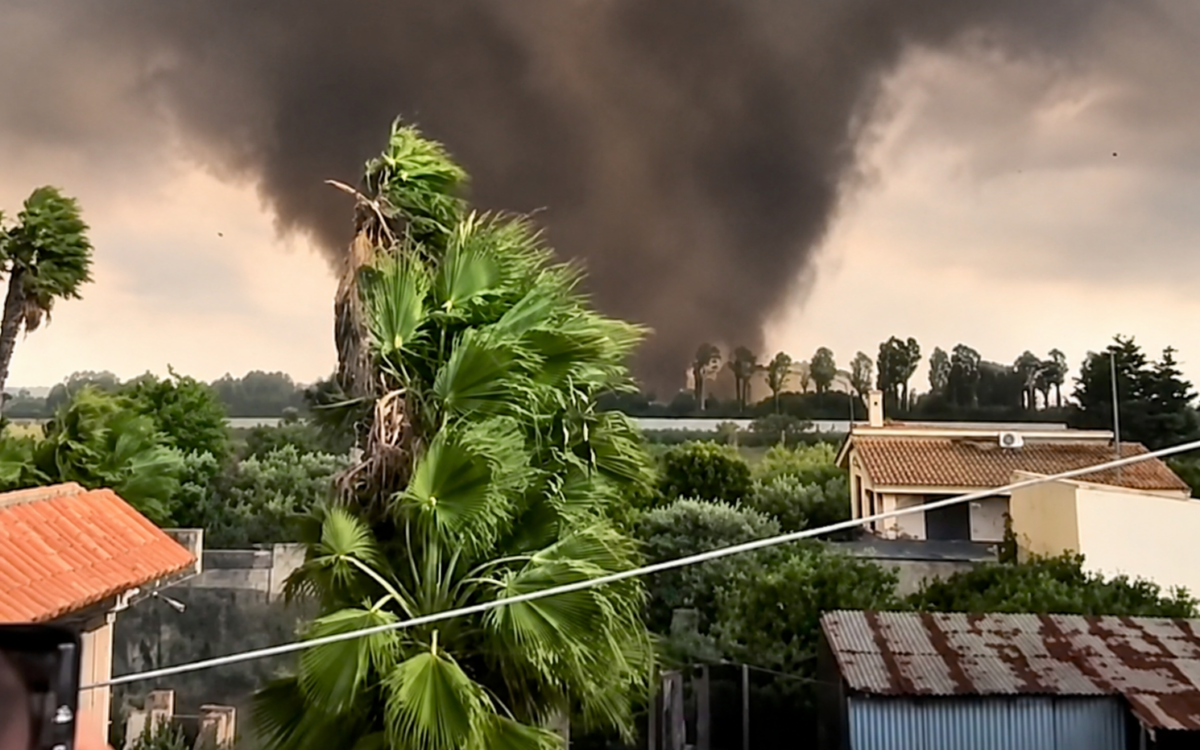
A terrifying double waterspout swept ashore in western Sicily on Friday, October 9, turning into a destructive tornado that damaged buildings, overturned cars and left children injured at a school in Marsala.
Dramatic footage filmed from the seafront at Biscione, in nearby Petrosino, shows two rotating columns forming over the Mediterranean before one moves towards land. The violent weather system then tears through parts of the province of Trapani, leaving a trail of destruction.
🌪️ Imatges impressionants d’un tornado a Marsala (Sicília).
📸 Rosalba Pipitone
#Projecte4Estacions
https://t.co/nYVNbrIBle
— Projecte 4 Estacions (@P4Estacions) October 9, 2026
The tornado struck at around 10am local time as thunderstorms battered the island. Emergency crews were dispatched to Marsala, Petrosino and surrounding areas to deal with damage to homes, vehicles and public buildings.
According to Sicily’s regional Civil Protection department, the storm caused widespread damage along the SS115 road and nearby areas, with trees and electricity poles brought down and cars left overturned.
School badly damaged with 300 children inside
One of the worst-hit buildings was the Alcide De Gasperi school in the Terrenove area of Marsala, close to the SS115. Around 300 pupils were inside when the violent weather struck, but staff moved quickly to evacuate them.
Regional Civil Protection officials initially reported eight children with minor injuries, with some taken to Paolo Borsellino hospital in Marsala for medical checks and treatment.
Terrifying footage of a violent tornado ripping through the city of Marsala in Sicily, Italy earlier this morning. Heavy damage reported in the area. https://t.co/Wg9JNFS9pg
— Nahel Belgherze (@WxNB_) October 9, 2026
Italy’s ANSA news agency subsequently reported that six children had suffered minor injuries at the school, while other people were hurt elsewhere in the affected area. The school principal said the building had been severely damaged, with windows broken, fixtures torn away and classroom materials scattered by the force of the wind.
Fortunately, there were no reports of fatalities in the initial updates. Emergency services worked to establish the full extent of the damage and assist those affected.
Cars overturned and homes damaged
Damage was not confined to the school. The tornado swept across parts of Marsala and neighbouring Petrosino, damaging houses, public facilities and vehicles. Several parked cars were overturned by the powerful winds. In Petrosino, one vehicle was reportedly struck and thrown into a ravine, leaving two people injured and requiring hospital treatment.
Homes in Petrosino also suffered heavy damage, with some properties reportedly left uninhabitable. Local authorities began arranging temporary accommodation for residents unable to return to their houses.
The council waste collection centre was among the other sites affected, while a wall around the local football stadium was reportedly brought down. Damage to electricity poles and other infrastructure added to the disruption.
Firefighters from across Trapani province were deployed, with additional teams called in from Palermo and Agrigento to help with rescue operations and the assessment of damaged buildings.
Roads and railway services disrupted
The storm also caused problems for people travelling through the area. Fallen trees, debris and damaged infrastructure obstructed roads, while railway services were affected by the closure of several level crossings.
Drivers were called on to exercise caution around damaged areas while emergency teams worked to clear routes and make buildings safe. Authorities also warned residents against relying on unverified messages circulating on social media. The town of Mazara del Vallo issued a statement urging people to follow official communications after false reports attributed to local officials began circulating online.
🌪️ Més imatges del tornado de Marsala (Sicília).
📸 Terenzio Bono
#Projecte4Estacions https://t.co/5OWjBr6H1s
— Projecte 4 Estacions (@P4Estacions) October 9, 2026
Why did a waterspout become a tornado?
Waterspouts are rotating columns of air that form over water, usually beneath storm clouds. Although many weaken before reaching land, some can move ashore and produce destructive winds similar to those of a tornado. In this case, the unusual double vortex formed near the port of Marsala before moving inland. The combination of thunderstorms, atmospheric instability and powerful rotating winds produced a localised but damaging event.
Waterspouts are not unheard of in the Mediterranean, particularly during unsettled weather in late summer and autumn. However, an event capable of causing this level of destruction in populated areas is a serious hazard.
Euro Weekly News previously reported on dramatic waterspouts off Italy’s Ligurian coast in March, when funnel-shaped columns formed over the sea but dissipated before reaching land.
More storms possible across the central Mediterranean
Weather conditions improved across parts of Sicily after Friday’s violent episode, but the wider central Mediterranean continued to face the possibility of further rain and thunderstorms. Not every area is expected to experience the same conditions, and the development of severe weather can vary considerably over short distances. Residents and visitors should follow local forecasts and official warnings rather than assume that improving conditions in one town mean the risk has passed elsewhere.
Bè dai, che esagerati!!1! Ci sono sempre state le trombe d’aria multiple a Marsala!!1!
La colpa è dei tombini otturati e dell’abusivismo!!1!1
#cambiamenticlimatici #climatechanges #Sicilia #Marsala https://t.co/GMdgyzweTj— Dr. Stellario Marulanda🏳️🌈🇮🇹 (@doctorgis84) October 9, 2026




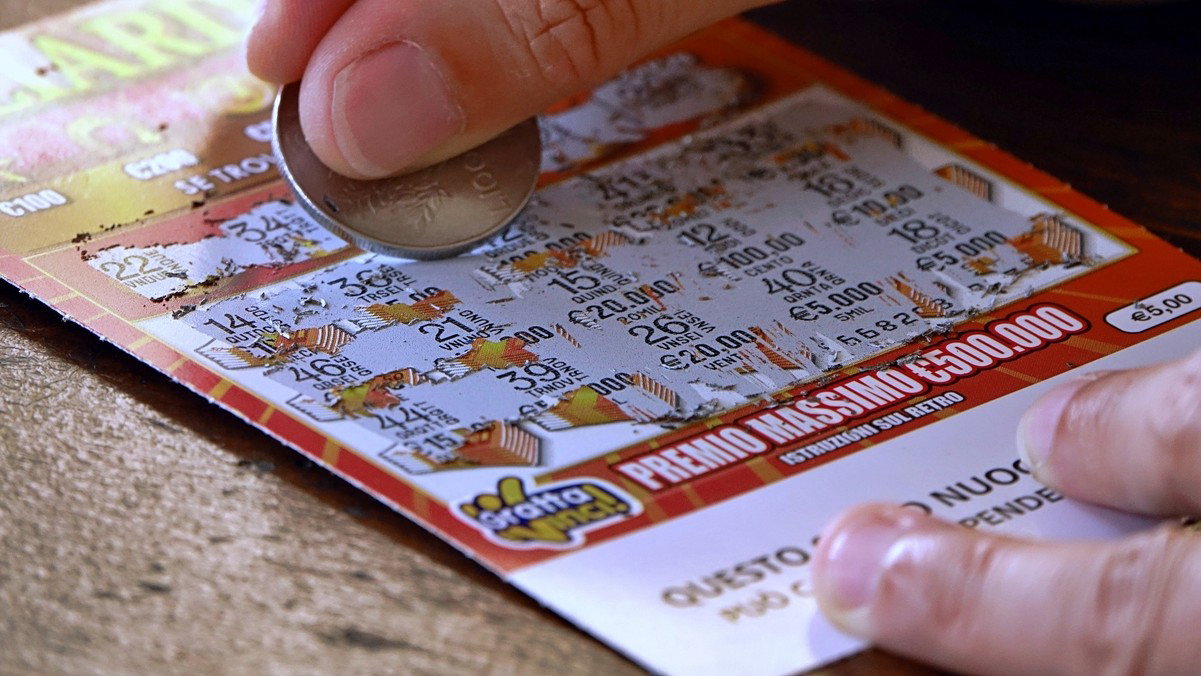
Winning the jackpot is every scratch card player’s dream, however one man from Italy got sick of waiting and tried to speed up the process with some sticky tape and a lot of nerve. So how did a homemade attempt to forge a €10 million payout land a player in a Rome courtroom and not in early retirement?
The €10 million walk-in
A 50-year-old man from the province of Cosenza walked into the Italian National Lottery prize office in Rome and handed over an Il Miliardario Maxi card (“The Maxi Billionaire” card), requesting his payout for a life-changing €10,000,540.
Staff realised something was wrong almost immediately, as running straight across the middle of the ticket was a clean horizontal tear, mended together with a thin strip of clear adhesive tape.
The “Frankenstein” ticket
Pressing the two halves closely together and the card told a very interesting story. The winning numbers 56 and 19 matched the player’s numbers, the Maxi Bonus showed a 20, and a x5 multiplier appeared to deliver the huge sum being claimed.
However, official electronic checks quickly exposed the truth. Investigators discovered the ticket had been hand-stitched together from two completely different non-winning cards, and to make matters worse, Italian media Il Fatto Quotidiano, (who had dubbed it a “Frankenstein” card), also noted that the exact payout amount claimed did not even exist in the game’s official prize structure. Il Miliardario Maxi costs €20 and has a top prize of €5 million, with a second prize of €2 million
Facing the music in Rome
Staff seized the ticket on the spot, launching a lengthy investigation that eventually sent the case to a Rome tribunal. Now facing attempted fraud charges, the defendant is presumed innocent until the court delivers its verdict.
He may not have won the cash prize, but he definitely wins the prize for effort, creativity and nerve.

Italian seafood firm expelled from Vigo fair over sexist ‘not all clams are the same’ slogan

Hitler Mussolini Gana Una Alcaldía En Perú Y Termina Acosado Por Extorsionadores

Sánchez Mocks Bezos Over Spain Housing Crisis


-

 Uncategorized1 week ago
F1 Bahrain Grand Prix will be live and FREE on TV this weekend
-
Latest1 week ago
Why You Can’t Donate Blood In Spain If You Don’t Speak Spanish
-

 Housing access / crisis / affordability1 week ago
Radical Housing Decrees Defeated As Snap Election Talk Grows
-

 Foreign demand2 weeks ago
Market Snapshot: German Market In Q2 2026
-
Blackout preparedness1 week ago
Brussels takes action against Spain over failure to update blackout plan
-
 Argentina2 weeks ago
The 140 Minutes Of Horror In The Murder Of A Mexican Musician And His Family
-

 Uncategorized1 week ago
Lewis Hamilton F1 wish could come true as stunning plans for new track revealed
-
Enzo Maresca2 weeks ago
Manchester City found guilty on 114 of 115 charges that could send them down