
bats
Estepona tackles mosquitoes and insects by expanding bat and owl nest box project

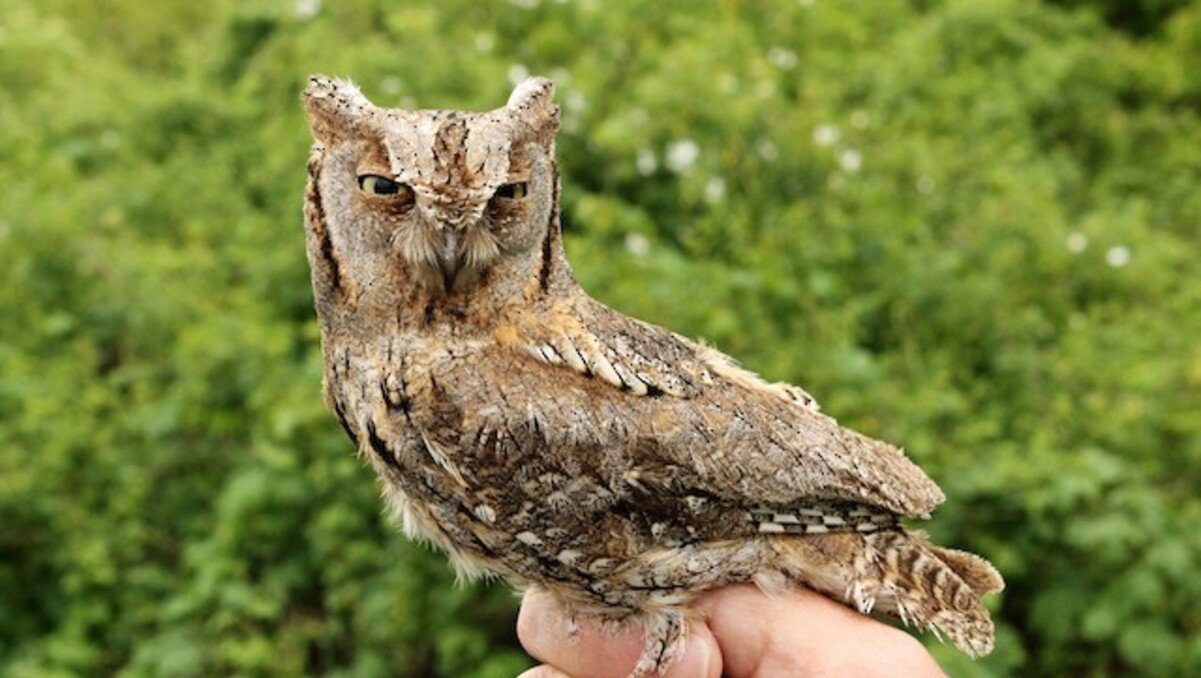
Estepona Town Hall has expanded its environmental programme with the installation of even more new nesting boxes for bats and European scops owls in green areas across the town. The aim is to encourage biodiversity and at the same time help to control insects naturally.
The project was prompted by local naturalists from the Sierra Bermeja Naturalist Group, known as Grunsber, who requested artificial refuges for these beneficial species. The council responded by funding the initiative through a municipal grant, with Grunsber being the ones to lead the project on the ground. Local brigades have already placed six purpose-built boxes across Parque de Los Abuelos and Parque Seghers, with the expanded programme growing to around 150 nest boxes across different urban and peri-urban areas of the town.
Efforts focus on creating safe habitats for species that often struggle to find suitable nesting locations due to urban development and changing land use.
Natural solution for mosquito and pest problems
The mosquitoes and insects are the bane of most people’s lives during the warmer months and bats are valuable in reducing their populations. A single bat can consume thousands of insects in one night, making the species an effective form of natural biological pest control. All bat species in Spain are protected under both national and European law, with several classified as vulnerable and one as endangered.
The European scops owls, the smallest nocturnal raptor in Spain, also do their bit by feeding on larger invertebrates including moths, crickets, grasshoppers and cockroaches. The species is listed as vulnerable in the 2021 Red Book of Spanish Birds. Both bats and European scops owls readily accept artificial shelters, making nest boxes a practical tool for encouraging their presence in urban areas.
Council representatives say the programme is an environmentally friendly alternative to chemical treatments and increases public awareness of local wildlife.
Education and conservation already under way
Educational activities are already taking place. Schoolchildren from CEIP Federico Garcia Lorca recently took part in an environmental education session focused on the installation of the nest boxes, during which students learned about the ecological importance of bats and birds of prey and observed how the boxes are put in place.
Estepona’s environmental teams are also busy with local reforestation, coastal protection, and sustainable city planning. By expanding these nesting areas, officials hope to safely grow the local populations of insect-eating bats and protected birds.
More information can be found on the Estepona town hall website








Life without smoke is better, Costa del Sol walks together for World No Tobacco Day
FBI warns Microsoft users about a new AI scam that can steal accounts without passwords
Santiago Airport reopens after month-long closure


-

 Competiciones4 weeks ago
E
-
blackout April 20253 weeks ago
Insurance company Mapfre decides to pay out €14 million compensation for 2025 blackout
-
 Foreign demand3 weeks ago
Who Bought Where In The Second Half Of 2025?
-

 New Developments3 weeks ago
Stylish 3-Bedroom Apartment With Panoramic Sea Views – Benalmádena
-

 New Developments3 weeks ago
Inside The Most LUXURIOUS Apartment Building In Spain!
-

 New Developments4 weeks ago
Luxury Villas For Sale, Estepona – ProjectL1
-
Costa Blanca South3 weeks ago
Alicante police chief to retire after 17 years of service
-

 America4 weeks ago
E