
News from Spain
Santiago Airport reopens after month-long closure

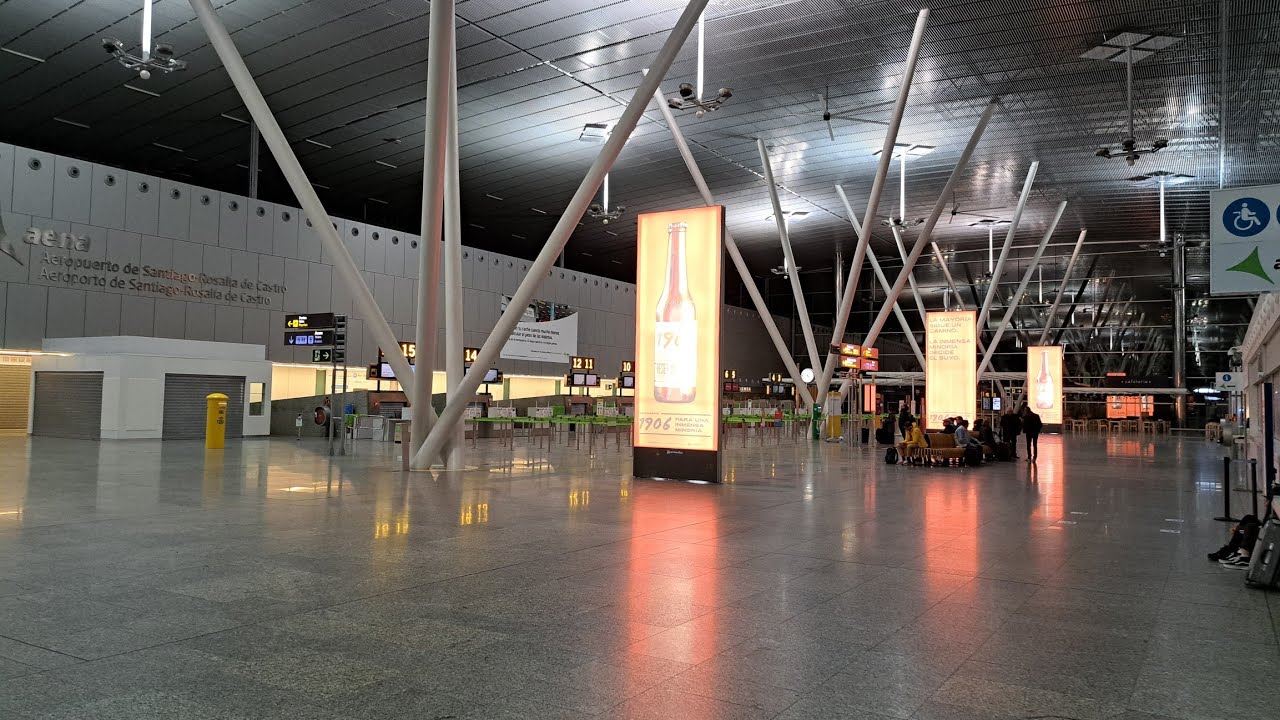
Santiago airport reopens after closure disrupting UK flights and travel.
Photo Credit: itsnever2faraway! / YouTube
After a month of cancelled flights and traveller headaches, the Santiago de Compostela Airport, located in northern Spain, has finally reopened. The airport had closed on April 23 due to urgently-needed runway resurfacing works, and was closed to all traffic, takeoffs, and landings, according to Spanish airport operator Aena.
A popular hotspot for Britons, finally reopened after a month
The airport, also known as the Santiago-Rosalía de Castro Airport, is especially significant for some of Spain’s most enamoured holidaymakers: Britons. It serves as a key gateway to the city of Santiago de Compostela, in the country’s autonomous community of Galicia. Through Ryanair, Vueling, Aer Lingus, KLM, British Airways, and Iberia, visitors from the UK have a direct flight to the popular area. However, due to the announcement of the airport’s closure, the flights during this month (numbering 30 per week from London Stansted, London Gatwick and London Heathrow) were cancelled.
Millions of euros invested into the maintenance of the airport
The project is reported to have cost €28 million and replaced 3.2 kilometres of the surface of the runway. The works also included the replacement of the LED lighting, and the installation of extra storm-water channels to prevent flooding in the wintertime. According to Aena, at least 15 years of life have been added to the runways following the maintenance works.
How will travellers be affected?
Though the Santiago de Compostela Airport has reopened and is operational from May 27 onward, it is notable that there are still maintenance works being carried out in other parts of the airport.
Travellers should note that during the first week of the airport becoming operational again and while airlines are retaking their regualar schedules, delays may be more common.
Britons were not the only travellers affected by the 34-day closure of the airport; the Santiago de Compostela Airport serves 23 destinations by 9 different airlines, and sees around 3.6 million people pass through annually.
Travellers flying with Ryanair: Fewer flights operational than before
One of the major airlines with a presence in the airport, Ryanair, closed its base in Santiago de Compostela, meaning it is now operating with fewer flights to the destination than before. This move was part of a decision to cut 1.2 million seats across Spain, due to increasing airport fees. Other affected destinations included Jerez, Vigo and Valladolid.







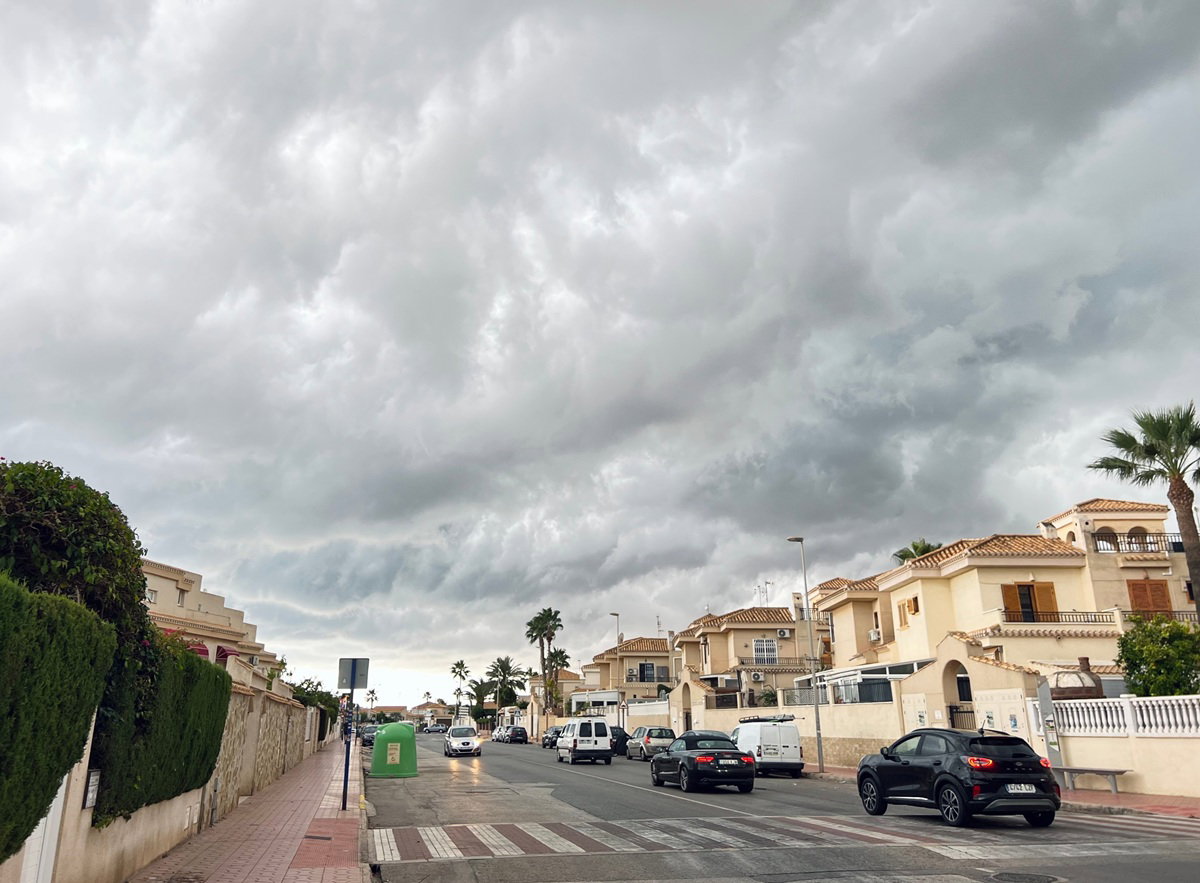
Forecasters have warned of dangerous dry storms, lightning and violent winds across parts of Spain this week.
Credit : marinissim, Shutterstock
A lot of people across Spain are looking outside right now and thinking the same thing : It feels like July arrived a month early.
The heat has become intense surprisingly fast, terraces are already packed in many cities and temperatures in some areas are moving dangerously close to 40C even though summer has not officially started yet.
But meteorologists are now warning that the real danger this week may not actually come from the heat alone. Because while Spain bakes under unusually high temperatures, the atmosphere is also becoming increasingly unstable and that combination is creating the risk of violent dry storms capable of producing lightning, giant hail and sudden destructive wind bursts.
And what makes these storms particularly dangerous is how fast they can develop.
In some places, skies may stay bright and calm for most of the day before conditions suddenly turn aggressive within less than an hour.
AEMET has already activated warnings across multiple regions as forecasters monitor what could become one of the most unstable weather setups Spain has seen so far this year.
Why meteorologists are becoming increasingly worried about these storms
Normally when people hear the word storm, they imagine heavy rain first. But this situation is different.
According to weather experts, some of the strongest storm cells expected this week may actually produce very little rainfall while still generating dangerous conditions on the ground. That is why forecasters keep talking about ‘dry storms’.
The main risks come from lightning activity, hail and powerful downdrafts of wind known in Spain as ‘reventones’.
And honestly, these wind bursts can become extremely nasty very quickly.
They can suddenly hit with enough force to bring down branches, damage terraces, move outdoor furniture and create dangerous driving conditions within minutes.
Meteorologists say gusts could exceed 70 or even 80 kilometres per hour in some areas, particularly across inland northern Spain.
The unstable conditions are developing because extremely warm air near the surface is colliding with disturbances arriving higher up in the atmosphere.
Once temperatures climb during the afternoon, clouds can suddenly grow very aggressively. And after several days of heat building up across the country, the atmosphere now contains enough energy for storms to intensify rapidly.
That is exactly why forecasters are watching the situation so closely.
These parts of Spain are facing the highest risk this week
Northern Spain currently appears most exposed to the strongest instability. The Basque Country is under particular attention after AEMET issued an orange alert for Vizcaya where temperatures could approach 37C in lower inland areas.
Across the rest of the region, yellow alerts remain active as temperatures continue climbing well above what would normally be expected for late May. Asturias and Cantabria are also facing a complicated mix of heat and storms.
Both regions are under warnings for high temperatures alongside the possibility of hail, isolated downpours and violent gusts later in the day.
Galicia is dealing with a similar pattern.
In Ourense, temperatures may rise towards 36C while storm warnings remain active across parts of inland Galicia including Lugo.
Further inland, conditions remain unstable across Castilla y León where provinces such as León, Palencia and Zamora are also being monitored closely for hail and strong winds.
And according to European forecasting models, some hailstones in these areas could exceed two centimetres in diameter.
That may not sound enormous at first, until you remember what hail of that size can actually do.
Car windscreens crack, terrace umbrellas collapse, crops can be destroyed in minutes and people caught outside without shelter can easily get injured.
Elsewhere, the heat itself continues becoming a major issue.
Extremadura could see temperatures reaching 38C while parts of Aragón, Catalonia, Navarra and La Rioja also remain under heat alerts.
Meanwhile in Cádiz province, strong Levante winds continue creating difficult coastal conditions near the Strait.
Spain’s weather could become even more unstable by the weekend
What is making meteorologists cautious is that this situation may not end quickly.
Thursday, May 28, is expected to bring another similar afternoon pattern with storms developing again in several northern and inland regions, although current forecasts suggest slightly lower intensity compared with Wednesday.
Still, weather experts are warning people not to relax too much. Because the heat itself is not going anywhere for now.
Minimum nighttime temperatures are also expected to rise over the coming days, meaning many areas may struggle to cool down properly overnight.
And looking ahead towards Friday and the weekend, forecasters are already monitoring another disturbance approaching the Iberian Peninsula.
That could trigger a new escalation in storm activity just as the current heat episode continues building. Some models even suggest storms later this week could become more organised and severe in certain areas.
For many people across Spain, the strange part is how deceptive the weather still looks beforehand.
The day often begins completely normally : Blue skies and strong sunshine.
People sitting outside having coffee. Then suddenly the atmosphere shifts. Clouds rapidly build over the mountains, the wind changes, the sky darkens and within minutes, conditions can become genuinely dangerous.
Which is exactly why meteorologists keep insisting people should pay close attention to official warnings over the next few days. Because this week’s weather is not behaving like a normal late spring pattern anymore.
It already feels much closer to the kind of volatile heat Spain usually sees much deeper into summer.
neighbourhood association
New Spanish law could let expat property owners vote in community meetings online

Expats owning property in Spain could soon escape one of the biggest headaches of owning a home here thanks to proposed online ‘junta de vecinos’ rules. Holiday home owners and non-resident British buyers would gain the ability to attend compulsory neighbourhood community meetings remotely, casting votes on community fees, renovations, pool upgrades and rule changes without flying in from another country.
Discussions often turn heated and go on far too long, dominated by neighbours with stronger Spanish. Physical presence has long been essential under current law, leaving many owners forced to accept cost increases and decisions they oppose.
Relief now looks likely as lawmakers propose reforms that would permit online junta meetings, either fully online or in hybrid format, complete with electronic notifications and digital minute books.
Greater say for owners living abroad
Holiday home owners frequently miss important votes on matters that hit their finances directly. Community fees can rise without warning, renovation projects get approved, and rules on tourist rentals or noise restrictions change while absent owners rely on proxies or administrators.
Remote participation would let these owners join live from anywhere with an Internet connection. Decisions about pool maintenance, lift upgrades, solar panel installations or energy efficiency works would finally include their input. Non-resident owners will get proper voting power instead of depending on second-hand summaries that often miss nuances.
Direct access improves transparency
Owners could get the chance to hear debates in real time rather than receiving condensed reports weeks later. This change would reduce nasty surprises and build confidence that everyone’s interests receive fair consideration.
Communities may face extra pressure to supply clear digital notices and recordings, which benefits international owners who juggle work or family commitments elsewhere. In practice, expats could log in from Britain, Germany or further afield and cast their vote on issues that matter to their investment without booking expensive flights.
Real-time translation technology removes language barriers
The most popular online meeting platforms already deliver powerful tools that make multilingual participation reasonably straightforward. Services built into Zoom, Microsoft Teams and Google Meet, together with dedicated platforms such as Wordly and Maestra, can provide simultaneous speech-to-speech translation and live captions across dozens of languages with latency often under one second.
Attendees simply select their preferred language and hear translated audio through their device or even wireless earbuds like Timekettle models. Custom glossaries help handle property-specific terms, such as “cuotas comunitarias” or “obras de accesibilidad”.
Expats with imperfect Spanish won’t have to sit silently while faster speakers dominate. They will be able to follow every point, ask questions and vote with a fuller understanding. Hybrid setups also respect older residents who prefer in-person attendance while still allowing remote access.
How remote meetings could revolutionise home ownership in Spain
This combination of online access and instant translation technology lowers practical barriers that have long complicated life for foreign buyers. Owning a second home or investment property in Spain becomes far more manageable when distance and language no longer exclude owners from governance.
Communities debating tourist rental limits, accessibility improvements or rising maintenance expenses would hear more diverse voices, leading to better-balanced outcomes. Overall, the change promises greater engagement, fewer frustrations and stronger protection for the financial stakes many expats hold in Spanish properties.
There is, however, one slight snag. This change in the law in Spain is still only at a proposal level in the Spanish Parliament, currently being hotly debated. Nonetheless, publicly the idea is gaining popularity and looks like it might become law soon.

Life without smoke is better, Costa del Sol walks together for World No Tobacco Day
FBI warns Microsoft users about a new AI scam that can steal accounts without passwords
Santiago Airport reopens after month-long closure


-

 Competiciones4 weeks ago
E
-
blackout April 20253 weeks ago
Insurance company Mapfre decides to pay out €14 million compensation for 2025 blackout
-
 Foreign demand3 weeks ago
Who Bought Where In The Second Half Of 2025?
-

 New Developments3 weeks ago
Stylish 3-Bedroom Apartment With Panoramic Sea Views – Benalmádena
-

 New Developments3 weeks ago
Inside The Most LUXURIOUS Apartment Building In Spain!
-

 New Developments4 weeks ago
Luxury Villas For Sale, Estepona – ProjectL1
-
Costa Blanca South3 weeks ago
Alicante police chief to retire after 17 years of service
-

 America4 weeks ago
E