
Andalucia
Conman Who Sold A Fake Van Gogh For €750,000 Via A ‘cash-Strapped Marquise In Antequera’ Has Four-Year Prison Sentence Upheld


 The fake Van Gogh painting at the centre of an elaborate art fraud in Spain.












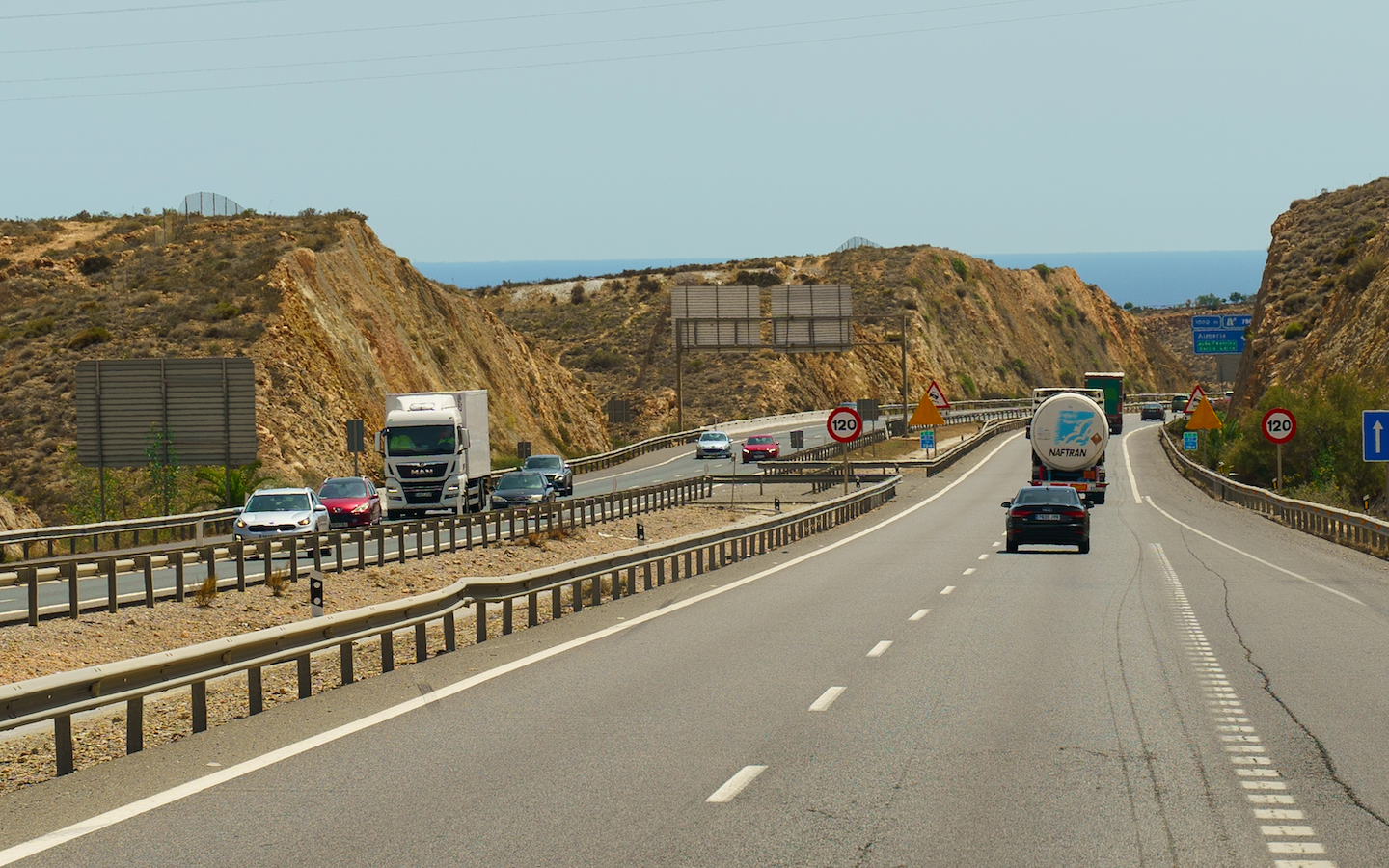
The reports prompted an immediate response from Guardia Civil traffic officers. Photo credit: SkazovD/Shutterstock
A man walking along a motorway in his underwear, carrying a bloodied knife, is a sight no driver expects to encounter. But motorists travelling along the A-7 near El Ejido, Almeria, on Monday, November 9, were confronted with exactly that situation. What they could not have known was that the approximately 40-year-old man had inflicted devastating injuries on himself during what police believe was a severe mental health episode.
He had amputated his own penis and testicles and was eventually taken to Hospital Universitario de Poniente. Police are investigating the circumstances surrounding the incident, with his psychological history forming a central part of their enquiries.
Drivers raise the alarm over man carrying bloodied knife
The first emergency calls reached 112 Andalucía at around 11.50am, when motorists and other witnesses reported seeing a man walking along the A-7 near kilometre 824, within the municipality of El Ejido. He was wearing only his underwear, had a backpack over his shoulders and was carrying a bloodied knife. It was also raining at the time, adding to the alarming scene as drivers encountered him on the busy road.
The reports prompted an immediate response from Guardia Civil traffic officers and Policía Local de El Ejido. Although the Guardia Civil was alerted, the main intervention was carried out by the municipal police, with support from the Grupo de Operaciones de Apoyo Policial (GOAP), a specialist unit.
Officers discover extent of his injuries
There are differing accounts of precisely where the man was located during the operation. Information from the incident places him inside a nearby greenhouse, while other accounts describe officers intercepting and restraining him on the motorway. What is clear is that officers encountered a man with extremely serious injuries to his genital area. He had used a knife to amputate his penis and testicles, leaving him in urgent need of medical attention.
Police officers and emergency medical teams attended, with paramedics providing treatment before transferring him to Hospital He was admitted in a serious condition. The incident also brought Policía Científica from the Policía Nacional to the area. Officers carried out investigative work to help establish what had happened and the circumstances leading up to the man’s injuries.
Police suspect severe mental health episode
The main hypothesis being considered by investigators is that the man suffered a severe mental health disturbance before mutilating himself. Sources within the Policía Nacional have confirmed that he has a history of psychological problems. His mental state is therefore a key part of the investigation.
Police believe an acute episode may have preceded the injuries, although the precise nature of the crisis and what triggered it have not been established. The man is also reported to have around 30 previous arrests for different reasons. That history has emerged as part of the information surrounding the case
Investigation that seeks answers
Investigators are now working to reconstruct what happened before the emergency calls were made and establish how the man came to be on the A-7 in such a distressed condition. The suspected mental health crisis remains the principal line of enquiry, while officers seek to clarify the sequence of events that led to the self-inflicted injuries.
His reported psychological history provides important context, but the circumstances surrounding the episode remain unclear. For now he man remains under medical care at Hospital Universitario de Poniente following the emergency transfer. His condition is serious, and police enquiries are continuing.
Andalucia
Out-Of-Control Passenger On ‘psychoactive Drugs’ Forces Canary Islands Flight To Make Emergency Landing In Malaga

 Airport in Málaga, one of Spain’s busiest international travel hubs.
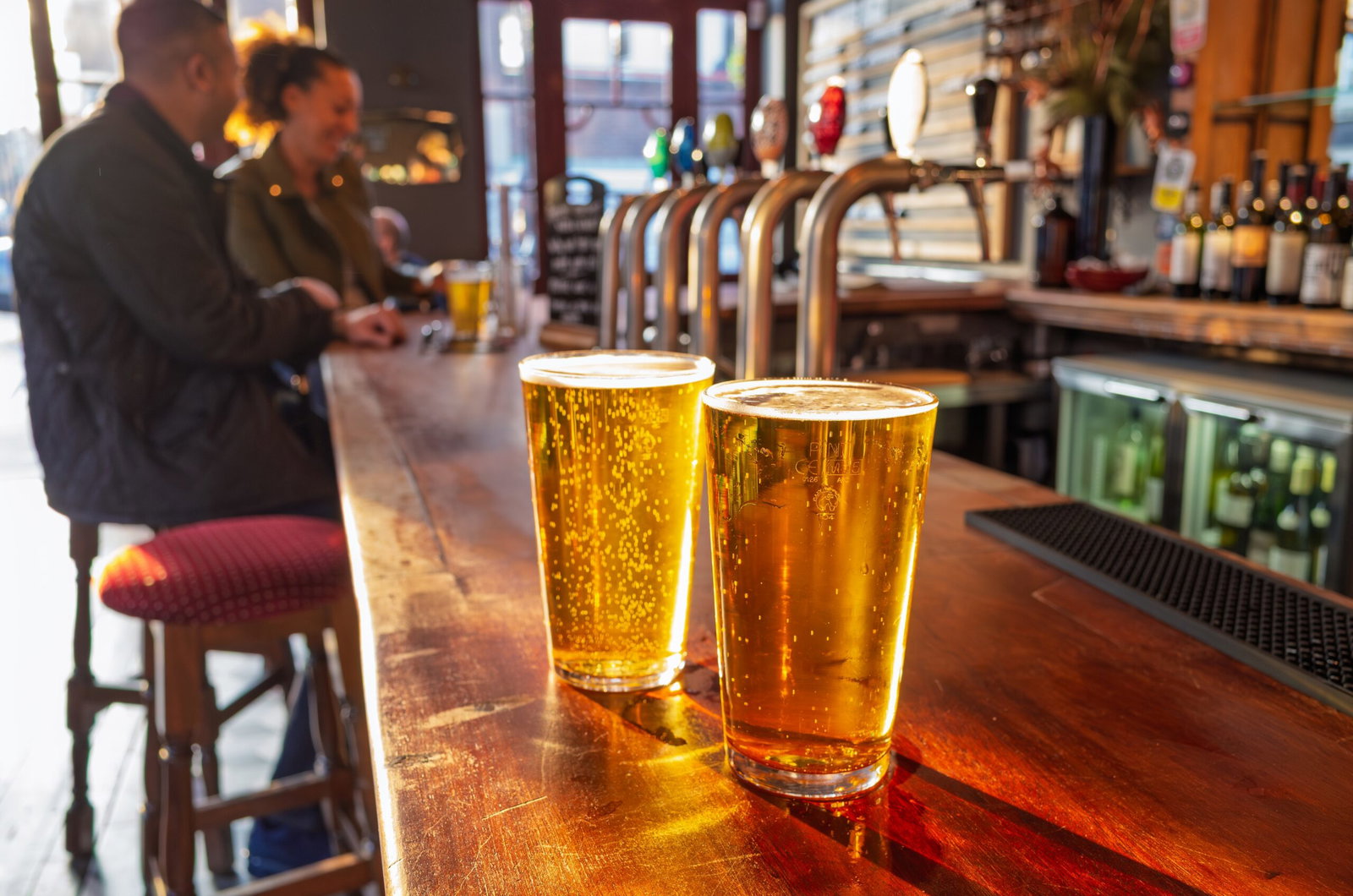
After spending their holidays in southern Spain, tourists returned home looking for the beer they had enjoyed while away. Photo credit: Alex Segre/Shutterstock
There are few things more likely to provoke an argument in Spain than asking someone which beer is best. But one brand that doesn’t always receive the warmest reviews from Spanish beer drinkers is now enjoying rather different treatment across the Channel. Cruzcampo, the Sevilla-born lager that has long divided opinion at home, has become the best-selling Spanish beer brand in the UK, with almost 900,000 pints’ worth of sales every day.
The figures, based on September 2026 data from NielsenIQ and released by Heineken, show that Cruzcampo has taken the top spot among Spanish beer brands in Britain by both sales volume and value, just three years after its arrival. It is now available in more than 18,500 pubs and bars, with one in every three Spanish beer brands sold in the country carrying its name. For a beer that can sometimes find itself on the receiving end of jokes in its own country, that’s quite a turnaround.
From Spanish holiday favourite to British pub staple
Cruzcampo’s British success story began in April 2023, and apparently it wasn’t the result of a carefully planned campaign to persuade British drinkers to try another foreign lager. According to Heineken, the initial demand came from British holidaymakers themselves. After spending their holidays in southern Spain, tourists returned home looking for the beer they had enjoyed while away. Some began asking on social media where they could buy it in the UK, prompting the company to bring the brand to the British market.
The response was swift. Within its first year, Cruzcampo had secured a place in almost 10,000 British bars and pubs and was available in 68 per cent of the country’s supermarkets. It has continued expanding since then. The brand can now be found in roughly one in four of Britain’s 71,000 pubs, including establishments in London, Manchester, Birmingham and Leeds. Its performance has also made it the fastest-growing brand among the ten leading beers in Britain’s hospitality sector, according to the company.
Nearly a million pints a day
The scale of the sales is perhaps the most surprising part of the announcement. Across British pubs, bars and supermarkets, Cruzcampo’s total sales are equivalent to approximately 900,000 pints every day, or more than ten every second. It is not just competing successfully with other Spanish imports, either. When all draught beer brands are included, British and international, Cruzcampo ranks third by sales value in the British hospitality market. That puts a Spanish lager in the company of some of the biggest names in the country’s beer industry.
In pubs and bars, more than one in every three Spanish-branded beers served is now Cruzcampo. The brand is also the fastest-growing in British supermarkets across the wider beer category, with growth reportedly running at more than four times the market rate. Heineken has supported that expansion with its ‘Choose to Cruz’ advertising campaign, which has appeared on British television, digital platforms and social media, as well as prominent locations in London, including Waterloo station and Piccadilly Circus.
Orange flavour and a taste for Andalucía
The company has also been experimenting with products aimed at British consumers. Cruzcampo Sevilla Orange, its first flavoured beer in the UK, has performed beyond expectations. Made with a Sevilla orange flavour, the product was launched with a distinctly Andalucian touch. Rather than simply putting the cans on supermarket shelves, they were initially sold in orange mesh bags resembling the familiar netting used by Spanish fruit shops.
The novelty appears to have worked. Cruzcampo Sevilla Orange now has the highest market penetration among flavoured beers in Britain, according to the company. It has also attracted consumers who were not previously buying beer or cider, with 12 per cent of its purchasers new to the category. The move suggests that the brand’s British appeal is no longer limited to holidaymakers looking to recreate a taste of their Spanish summer.
A Spanish beer with a British success story
Founded in Sevilla in 1904, Cruzcampo has a long history in Spain and remains a major presence in its home market. It is the leading draught beer brand in Andalucía and is also the best-selling draught beer in Spain as a whole, according to Heineken.
The company says the brand is present in 1.4 million Andalucian households and has expanded internationally into markets including Sweden, Morocco, Japan, Italy, the Netherlands, Cuba and Mexico. However, its latest achievement comes with a slightly amusing twist. While British drinkers are enthusiastically ordering it by the pint, Cruzcampo doesn’t always enjoy the same prestige among Spanish beer enthusiasts.
Not Spain’s Favourite but Britains
Ask around in Spain and there will be plenty of people ready to recommend another local favourite, whether that’s an Estrella Galicia, Alhambra or Voll Damm (all of which are actually better than Cruzcampo, which is why Cruzcampo has often been the subject of good-natured teasing among Spanish drinkers, particularly outside Andalucía. Its success in Britain might therefore come as something of a surprise to those who wouldn’t necessarily put it at the top of their own shopping list.
Laura Pérez Gasparri, Cruzcampo’s Senior Marketing Manager, said becoming the best-selling Spanish beer in one of the world’s most competitive beer markets just three years after arriving was a major achievement. She attributed its success to maintaining its Andalucian identity while winning repeat customers in British pubs. And with more than 18,500 establishments already serving it, British drinkers appear to have made their choice. Whether Spanish beer aficionados agree with them is another matter entirely.

Axarquia Support Bancosol Food Drive 2026

Elche Basilica Hosts Two Free Concerts

Decathlon Shoppers Told To Stop Using Sports Bottle That May Release Aluminium Into Drinks
Viral video in Spain sparks fury over drivers who ‘have no idea how to drive’
Spain’s 24-hour shop with no tills expands to Barcelona Airport
Spain’s pet owners face fines of up to €200,000 for animal welfare offences


-
DGT4 weeks ago
Viral video in Spain sparks fury over drivers who ‘have no idea how to drive’
-
Automated supermarket4 weeks ago
Spain’s 24-hour shop with no tills expands to Barcelona Airport
-
Keeping cats and dogs outside4 weeks ago
Spain’s pet owners face fines of up to €200,000 for animal welfare offences
-
Council tax (IBI)4 weeks ago
Barcelona plans 150% property tax increase on tourist flats ahead of 2028 ban
-
Consumer Rights Spain3 weeks ago
EU offers extra year of warranty on phones, but Spain faces delays
-
Age Concern Marbella - San Pedro2 weeks ago
Halloween lunch sells out as 51 join Marbella get-together
-
airports4 weeks ago
Travelling between Spain and Italy? The extra border checks could soon end
-

 %3 weeks ago
Santa Pola Museo Del Mar