many companies now start shifts earlier in the morning. Photo credit: shepele4ek2304/Shutterstock
As Spain’s relentless heatwaves become more dangerous, two cities are testing wearable technology that could change the way people work outdoors forever. Spain’s summers have changed. For generations, working outdoors meant little more than carrying a bottle of water, wearing a hat and finding a patch of shade whenever the opportunity arose. The heat was simply accepted as part of the job. With temperatures soaring well above 40°C across parts of the country and heatwaves lasting longer than ever, simply “taking it easy” is no longer enough to keep workers safe.
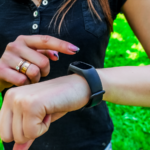
In Barcelona and Tarragona, employers are now turning to wearable technology in the fight against one of summer’s biggest dangers: heatstroke. The two cities have begun issuing smart wristbands to municipal workers who spend their days outdoors. The devices monitor the body’s response to extreme heat and warn wearers when they need to stop, cool down and hydrate before heat stress develops into something far more serious. It may sound like a small workplace initiative, but it raises a much bigger question. If these devices can help save lives, how long will it be before they become as common on building sites and roadworks as hard hats and high-visibility jackets?
A new tool for a new reality
For thousands of people across Spain, working from home isn’t an option. Street cleaners, gardeners, refuse collectors, construction workers, maintenance crews, delivery drivers and utility workers all spend hours outside, often during the hottest part of the day, while the rest of us can step into an air-conditioned office, café or supermarket. They don’t have that luxury.
The new wristbands are designed to act as an early warning system. Instead of waiting until someone begins to feel dizzy or unwell, the devices monitor physiological signs linked to heat stress and alert the wearer when it’s time to stop, drink water and seek shade. Sometimes, just a few minutes can make the difference between recovering from exhaustion and suffering a medical emergency.
Spain is adapting to a hotter future
The introduction of smart wristbands says something much bigger than the arrival of another piece of workplace technology. It reflects just how much Spain’s summers have changed. Heatwaves are arriving earlier, lasting longer and becoming more intense. Public health alerts have become almost routine, while employers are increasingly having to rethink how work is organised during the hottest months of the year.
Across Spain, many companies now start shifts earlier in the morning, increase rest breaks, provide cooling stations and ensure workers have constant access to drinking water. The wristbands are simply the latest example of how employers are adapting to a climate that is becoming harder to ignore.
Could the rest of Spain follow?
Although the initiative is currently limited to Barcelona and Tarragona, it is difficult to imagine other parts of Spain not watching closely. Every summer, thousands of outdoor workers face exactly the same conditions in Andalucía, Murcia, the Valencian Community, Madrid, Extremadura and the Balearic Islands.
As temperatures continue to break records, local councils and private employers may soon find themselves asking the same question: if technology can reduce the risk of heatstroke, why wouldn’t they use it? For now, there are no announcements suggesting the wristbands will be introduced nationwide. But successful pilot projects often become the starting point for much wider changes, particularly when they involve workplace safety.
Could the technology go even further?
The idea also raises another possibility. If wearable devices can protect outdoor workers, could they eventually help other vulnerable groups? Spain has one of Europe’s oldest populations and welcomes millions of tourists every summer, many of whom are unfamiliar with the risks of prolonged exposure to extreme heat.
Hikers tackling mountain trails, cyclists, runners, festival-goers and elderly people living alone could all potentially benefit from technology capable of warning them before heat exhaustion turns into heatstroke. That remains speculation rather than policy, but only a few years ago the idea of municipal workers wearing smart bracelets to prevent heatstroke would also have sounded far-fetched.
A glimpse of Spain’s future
There was a time when wearable technology was mostly associated with counting steps, measuring heart rates or tracking fitness goals. Today, in parts of Spain, it is being used for something far more important: keeping people alive. The smart wristbands being tested in Barcelona and Tarragona are not a miracle solution. They won’t stop heatwaves, lower temperatures or replace common sense.
Workers will still need regular breaks, plenty of water and sensible working practices, but they could provide one more layer of protection as Spain adjusts to a climate that is becoming increasingly unforgiving. Whether these devices remain a local initiative or become standard equipment across the country will depend on the results of the current rollout. One thing, however, is becoming impossible to ignore. When technology starts warning people that they are getting too hot to work safely, it is a powerful reminder of just how dramatically life in Spain is changing. Because the question is no longer whether Spain’s summers are getting hotter. It’s how far the country will have to go to keep people safe when they do.



 SPANISH police have detained four people after finally foiling a fly-tipping gang who smuggled more than 46,000 tonnes of rubbish across the border from France. Arrests and searches were carried











 SCIENTISTS in Catalunya have launched a massive citizen science experiment to study for the first time how a total solar eclipse affects the human body. The initiative, known as Project



 New Developments1 week ago
 New Developments1 week ago
 New Developments2 weeks ago