
Calar Alto Observatory
Great balls of fire: Meteorites fall over Cadiz and the Balearics and turn night to day

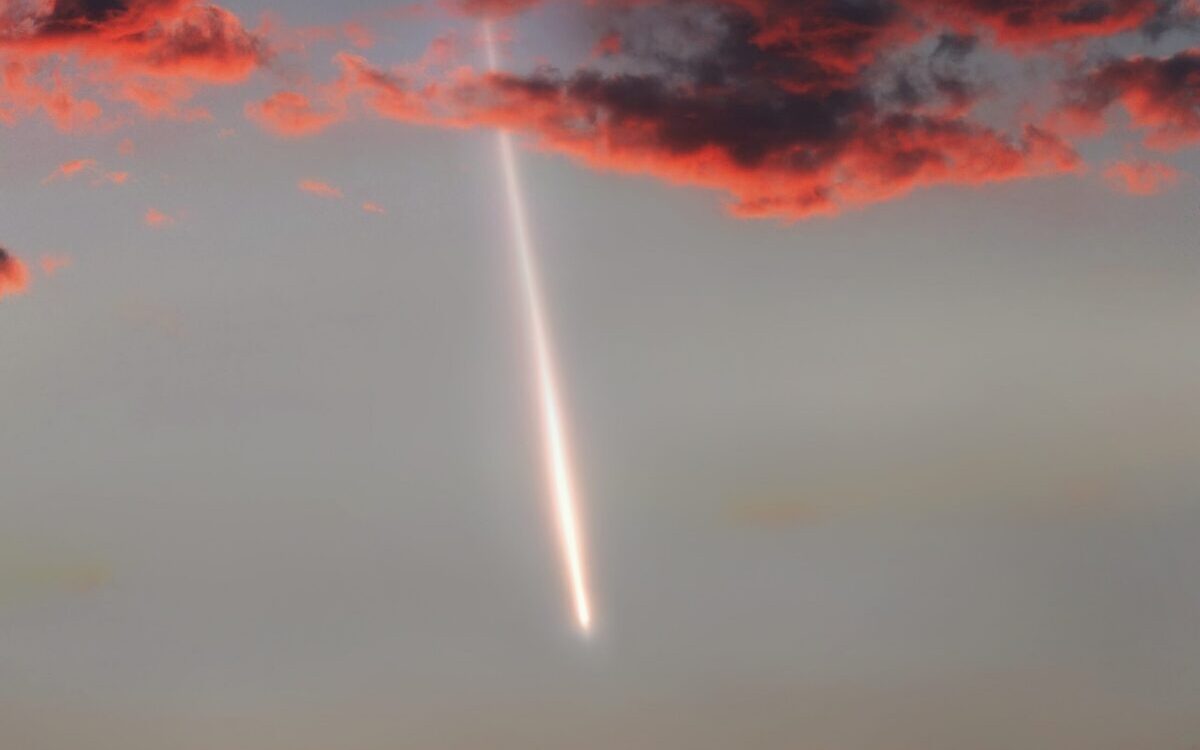
Meteorites light up Mediterranean sky.
Credit: Nazarii Neshcherenskyi – Shutterstock
Anyone who saw a sudden flash over the Balearics earlier this month, or a streak off Cadiz or Morocco at the weekend, was not imagining it. Calar Alto Observatory in Almeria and the SMART meteor network have logged a run of bright fireballs over southern Spain and nearby waters.
The biggest spectacle came in the early hours of September 11, at 3.46am. A superbólido, astronomers’ term for an especially bright fireball, tore across the Balearic Sea between Catalonia and Mallorca. Professor José María Madiedo of the Institute of Astrophysics of Andalusia (IAA-CSIC), who leads SMART, says a fragment from a comet slammed into the atmosphere at about 238,000 km/h. The glow began at roughly 165 km altitude and faded at about 74 km over the water. For a moment it turned night into day and could be seen from more than 800 km away. It burned up over the sea.
Este superbólido (así es como los astrónomos denominan a estos fenómenos tan luminosos) comenzó a 165 km de altitud sobre el Mediterráneo. finalizó a 74 km de altura sobre el mar.
Esta bola de fuego ha sido grabada por los detectores que el proyecto #SMART tiene en distintos… pic.twitter.com/8tHtIFBJ2M— Jose Maria Madiedo (@jmmadiedo) September 11, 2026
Then came two more
On 19 September at 4.14am, cameras from Calar Alto, Huelva, Seville, Sierra Nevada, La Sagra and Mazagón recorded an asteroidal fireball over the Gulf of Cádiz. That rock entered at about 97,000 km/h, lit up from 98 km down to 42 km, and was bright enough to be seen from more than 700 km. Madiedo posted the first video on X the following evening.
A night later, at 8.47pm on 20 September, which was still dusk, a second object flared off Al Hoceima on the Moroccan coast. This one was cometary, slower at about 65,000 km/h, from 91 km down to 31 km. Drivers on the Jerez–Algeciras motorway reported a huge green ball dropping almost vertically. Same network, same conclusion: it ended over the sea.
A fireball is simply a small rock from an asteroid or comet heating to thousands of degrees as it hits the air. The ideas is that SMART exists to triangulate those paths from stations across Spain. None of these three events is reported to have dropped meteorites on land.
Calar Alto, 2,168 metres up in the Sierra de los Filabres, has been catching this kind of thing for years. If you missed the show, Madiedo’s SMART footage of the Cadiz fireball is on YouTube, and his September 11 thread on X has the Balearic track.
Spain’s autumn skies are still busy. If another flash crosses the terrace, it is probably another rock from space, not a drone, and not the end of the world, I assure you.



British couple’s Spanish dream in ruins as their mobile home on their land is declared illegal
Cataluña proposes AI ban for under-14s as screen concerns grow
Great balls of fire: Meteorites fall over Cadiz and the Balearics and turn night to day


-
Latest1 week ago
The Vocabulary You Need To Understand The Spanish Citizenship Process
-

 Energy efficiency & certificates2 weeks ago
94% Of Spanish Homes Are Energy Inefficient – Could Tighter Rules Be Coming?
-

 Argentina1 week ago
The Falklands: The Open Wound That Unites Argentines
-
Holiday rentals2 weeks ago
Ibiza council hits illegal tourist rental with €793,000 fine – but will the owner pay that much?
-

 Alex Saab1 week ago
Maduro Ally Alex Saab Pleads Guilty In US Money-Laundering Case
-
easyJet1 week ago
146 slide off easyJet flight after powerbank fire at Milan airport
-
Affordable homes Spain2 weeks ago
Costa Blanca renters may be missing out on Spain’s new affordable homes
-

 Uncategorized1 week ago
‘Lewis will never trust Charles again’ – F1 journalist issues shocking Ferrari statement – GPFans.com