
Cuba
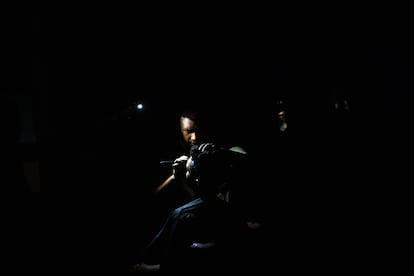
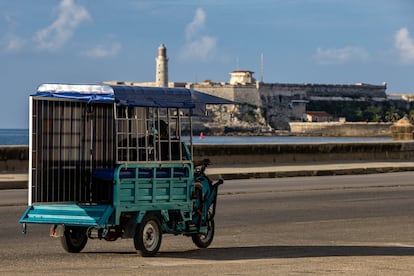
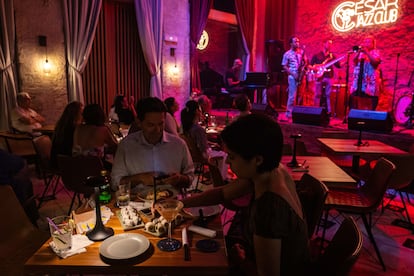
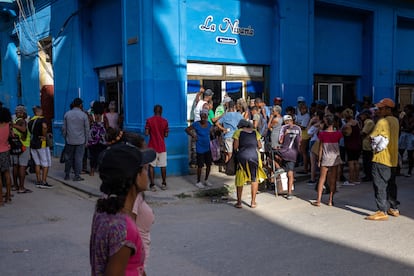
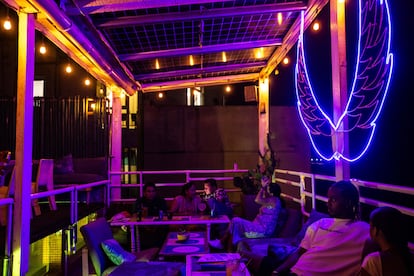
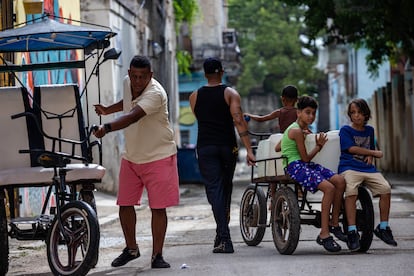
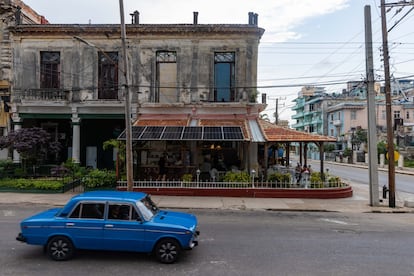
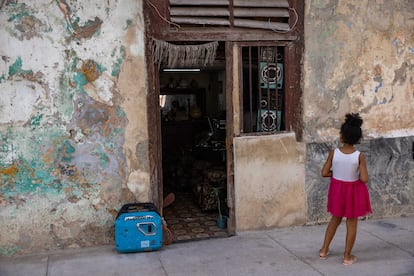
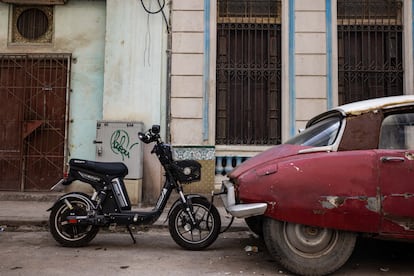
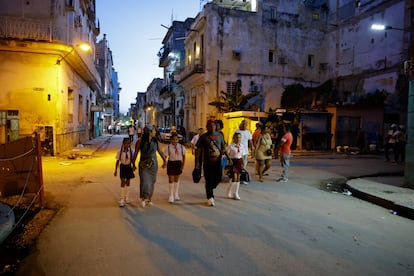
Homes In The Dark And Electric Cars: Snapshots Of Inequality In Cuba

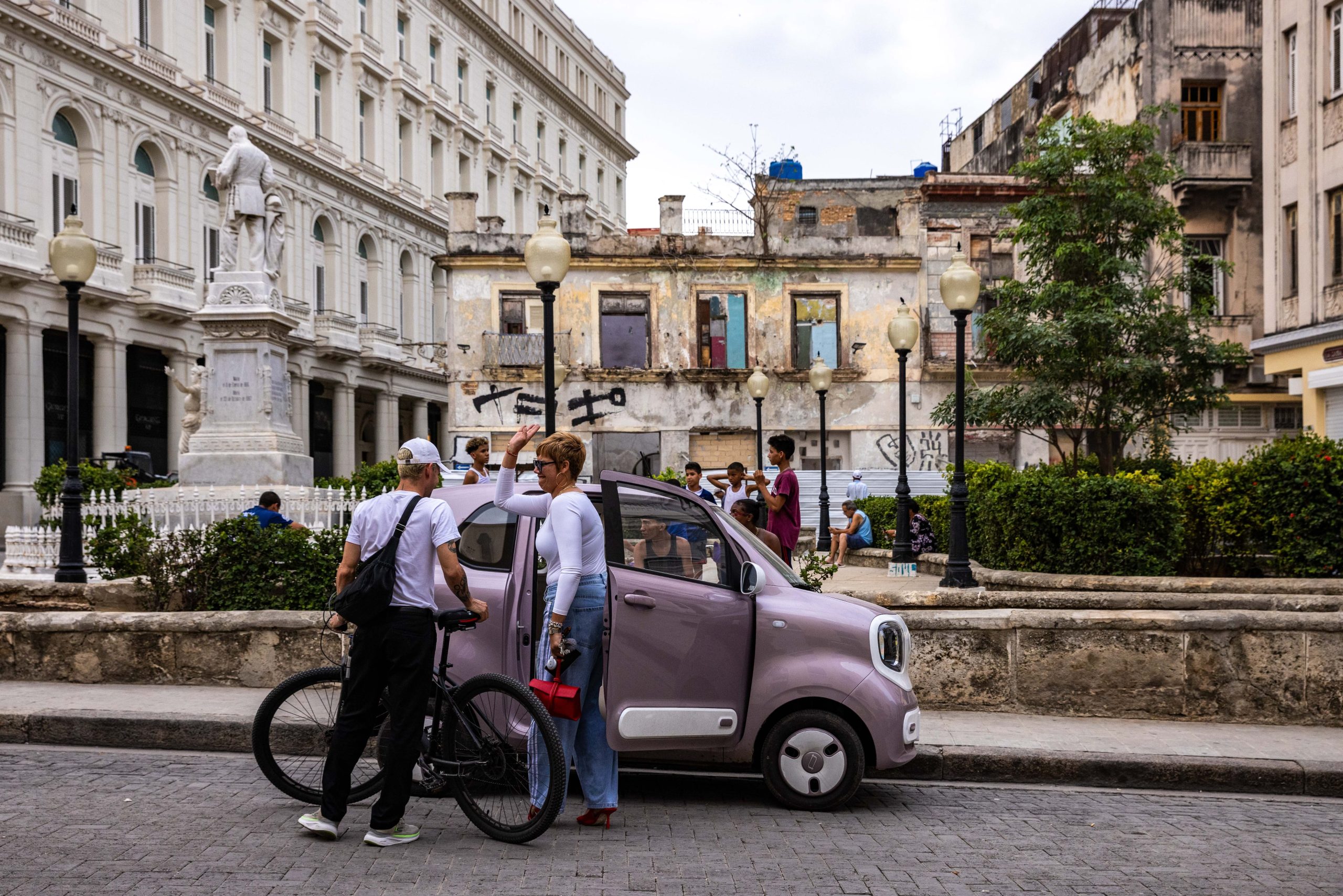
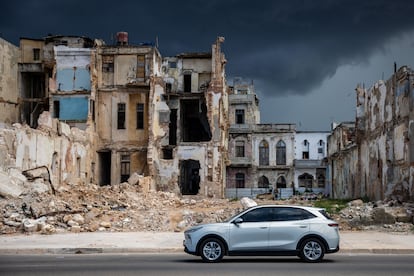
15 fotos
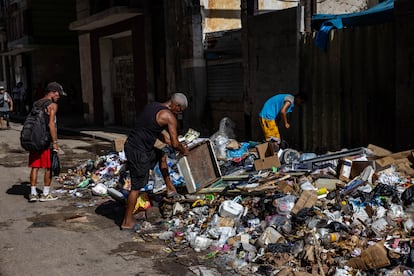
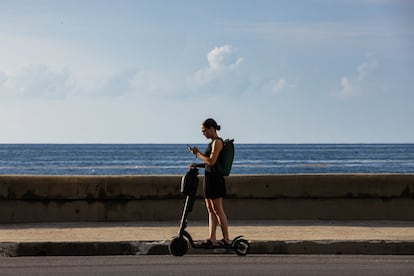
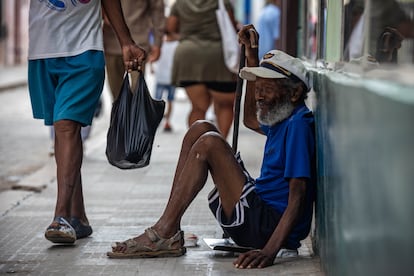
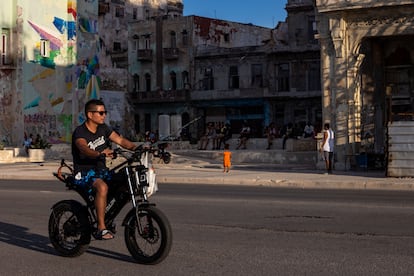
The island’s economic and energy crisis, worsened by the U.S. embargo, is widening the gap between those who can afford to import luxury cars and buy solar panels, and an impoverished majority that faces blackouts, food shortages, deteriorating housing and growing difficulty meeting their basic needs

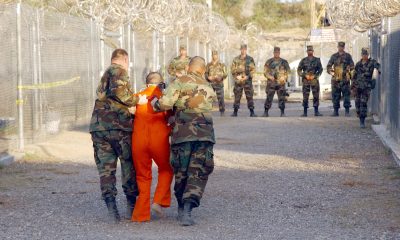




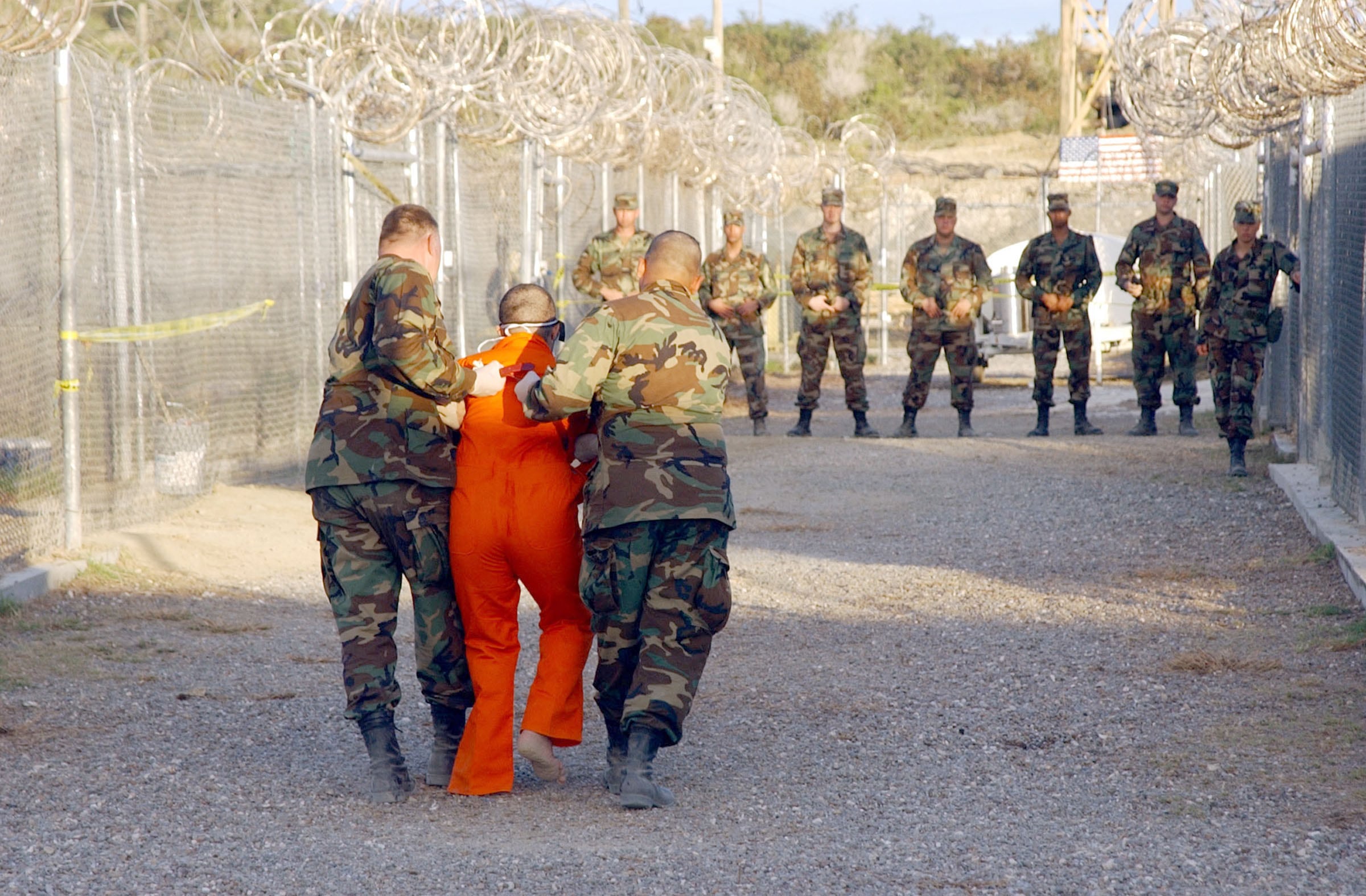
“I was only 18 when they kidnapped me, sold me to the United States and took me to one of the CIA’s black sites. They tortured me for months. Then they sent me to Guantánamo, where I spent nearly 15 years without charges or trial. What was done to me was not an aberration. It was orders.” Mansur Adayfi, a former detainee at the U.S. naval base prison in Guantánamo and an activist with the advocacy NGO CAGE International, said this in June at a panel of the Organization for Security and Co-operation in Europe (OSCE) in Vienna.
Adayfi was released without charge three decades after his capture. Fifteen other detainees remain behind bars. The prison — synonymous with the most sinister abuses and torture carried out in the U.S. war on terror after the September 11, 2001, attacks, which took place 25 years ago — remains open with no sign of closing despite numerous past attempts. The future of the inmates still held is equally uncertain. Meanwhile, justice for the victims of 9/11 has not arrived: in August a date was finally set — June 5, 2028 — for the trial of the prison’s most famous inmate, Khalid Sheikh Mohammed, known as KSM, the alleged mastermind of the attacks who has been held there since 2006, but there is still no certainty that the deadline will be met.
The Guantánamo prison and the abuses carried out there were born of haste, anger and fear. The United States had just discovered, in a state of panic, that it could be the target of unthinkable terrorist massacres; it feared further imminent strikes as devastating, or worse, than those in New York, Washington, and a field in Pennsylvania, and it was hungry for revenge. Then‑president George W. Bush ordered the creation of a detention facility to hold so‑called “enemy combatants,” without the obligation to grant them the protections of the Geneva Conventions afforded to captured soldiers or the rights they would have as prisoners on U.S. soil (a dubious legal theory the Supreme Court later rejected). The peculiar status of the naval base — on Cuban sovereign territory but under U.S. military control, foreign and isolated yet close enough to allow rapid transfers from the U.S. — led to the decision to locate the prison there.
Up to 779 Muslim men of varied nationalities were secretly captured, hooded and shackled, and brought to the prison. The vast majority of the inmates had nothing to do with 9/11, Al Qaeda, or Islamist terrorism. Many had been sold for a few dollars to the CIA, which handed out leaflets in the border area between Afghanistan and Pakistan promising “wealth and power like you have never imagined” to those who turned in alleged Al Qaeda or Taliban members. Few checks were carried out: there was a rush to find supposed criminals and to show the public progress in the war on terror.
“They will be treated humanely,” Bush had promised. That did not happen. According to the 2023 report by the UN special rapporteur on human rights regarding the Guantánamo prison — and as Adayfi corroborated at the OSCE session — each detainee “has lived or lives with their own indelible experiences of psychological and physical trauma after enduring severe abuses of their human rights.”

The first prisoners began arriving in 2002. Their initial housing was the hastily erected Camp X‑Ray in a corner of the base: a series of two‑by‑two‑meter cages outdoors, furnished only with two buckets — one for water, the other for bodily needs — that were used for four months until the prison facilities were completed. Interrogators, poorly trained for such tasks and under enormous pressure to uncover and dismantle possible plots — and furious over the deaths of their fellow citizens — were put in charge of the detainees.
The result was widespread use of torture: simulated drownings, beatings, extreme sleep deprivation, anal rape. By the summer of 2002 a culture of mistreatment was widespread, including the use of dogs to intimidate, forced painful positions, and sleep disruption. As far as is known, it served no useful purpose.
In 2014, Senator and former Republican presidential candidate John McCain — himself a tortured prisoner of war during Vietnam — said of those methods: “They stained our national honor, did much harm and little practical good […] I know from personal experience that the abuse of prisoners will produce more bad than good intelligence. I know that victims of torture will offer intentionally misleading information if they think their captors will believe it. I know they will say whatever they think their torturers want them to say if they believe it will stop their suffering.”
The allegations about what was happening in those cells accelerated promises to close the facility. Then‑presidential candidate Barack Obama announced in 2008 that shuttering it would be the first act of his administration. He never succeeded. Neither did the next Democratic president, Joe Biden. The great majority of detainees have been released after years behind bars without being charged in military commissions, the specially created tribunals to try Guantánamo inmates.
Today, 800 military and civilian staff work at what is considered the most expensive prison in the world, at a ratio of about 50 employees for each one of the roughly 15 inmates, who are aged between 46 and 54 and remain in various forms of legal limbo. Two detainees have been convicted and are serving sentences at the base. Three are listed as “enemy combatants” and nicknamed “the forever prisoners”: they will not be taken to trial and the United States does not want to release them, although their status is subject to periodic review. Three have been cleared for transfer to a third country; the Trump administration, which signed several agreements to deport irregular migrants to distant locations, did not show much interest in finding a government willing to accept the three Guantánamo detainees.
The remaining seven, formerly categorized as high‑value detainees and accused of some of the worst attacks in history, await trials for charges — over the 9/11 attacks, the 2000 bombing of the destroyer USS Cole, the bombing of a nightclub in Bali — that have been tangled in appeal after appeal and never reach a judge. The consequences of torture are one of the factors complicating their cases.
One of the five accused of participating in the 9/11 attacks, Ramzi bin al‑Shibh, has been declared too mentally damaged by torture to stand trial. Regarding the other four — Khalid Sheikh Mohammed, Walid bin Attash, Mustafa al‑Hawsawi and Ammar al‑Baluchi — prosecutors concluded that, because of the abuses they suffered, it would be impossible to successfully try them and negotiated a deal, announced in August 2024, to withdraw death‑penalty requests in exchange for guilty pleas and detailed accounts of their roles in the attacks and life at Guantánamo. Then‑secretary of defense Lloyd Austin overturned that deal: the case returned to square one.
Last month, just days before the anniversary of 9/11, a judge finally set a date for KSM’s trial: June 2028, two years away. But there are no expectations the hearing will take place even then. The judge has ruled that a key piece of evidence cannot be used in the trial: a confession Mohammed gave to a “clean” team (one that did not use torture) of FBI agents after his arrival at Guantánamo. It was determined that that confession had been influenced by the effects of the torture the suspect had suffered in CIA black sites before reaching the base.
Sign up for our weekly newsletter to get more English-language news coverage from EL PAÍS USA Edition
Cuba
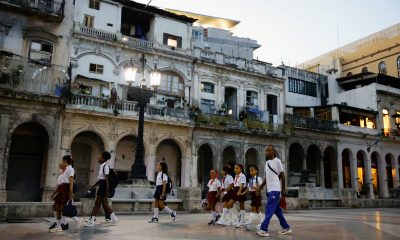
Back To School In Crisis-Hit Cuba: Families Contend With Shortage Of Uniforms, Teachers And Basic Equipment


His Revolution had not yet reached its first year and Fidel Castro, wearing the same military uniform he would use for the rest of his life, spoke to the crowds on September 14, 1959: “Do you think the Revolution is already done?” he asked the children gathered that day, when he turned the Columbia Camp—the military headquarters of Fulgencio Batista’s government—into the Ciudad Libertad school. Education was one of the cornerstones of his social project: free, universal schooling to make Cuba “the first territory free of illiteracy in Latin America.” During that speech Castro asked the children again: “Do you want to be good revolutionaries? What is the first thing you have to do?… Ah yes, study. So the child who does not study is not a good revolutionary.”
The new Cuban government democratized education, reduced illiteracy to 3.9%, trained contingents of teachers, brought learning to the countryside, and Castro, as he did with the health sector, boasted that Cubans were, in his words, “the most cultured people in the world.” Certainly, the Revolution had guaranteed education—until the Revolution could no longer provide. The most recent school year on the island, more than half a century after that speech, began with too few teachers, little study material and mothers prepared to stop sending their children to class.
Paying to cut her child’s hair for the first day of school would cost La China 1,000 Cuban pesos (just over a dollar), says this woman who prefers to use only her nickname. “No economy can withstand it,” the mother says in a telephone conversation from Cuba. Electricity has been out at her home in the Regla municipality of Havana for more than 30 hours, and she does not want to wake her nine-year-old son to start the fourth grade already feeling tired. “How was I going to cool his soda and water? And to make matters worse, there was no bread again at the bakery,” she complains. “The hardest part of this school year is that children have to go hungry and cannot sleep at night.”
La China could list other calamities she must face: she hand-washes clothes (when there is water, that is) because she cannot run the washing machine; she has to obtain school uniforms at exorbitant prices (blouses and shirts between 1,000 and 2,000 pesos, skirts and shorts between 2,000 and 4,000); and she watches her son, who has attention-deficit hyperactivity disorder, become upset when he has no medication, cannot watch television or drink cold water. “Only a mother knows the weight on her soul when she sees her own child struggling to study amid so many blackouts, shortages and deprivations,” she says. “Behind every notebook and behind hours of sleep stolen by the heat and the power cuts, there is an exhausted mother.”
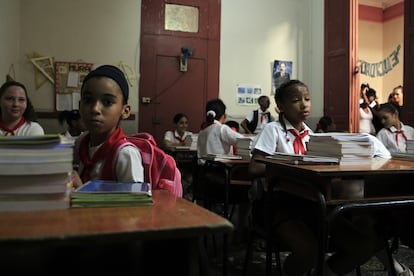
Even so, at the Camilo Cienfuegos primary school in Pinar del Río province, many students woke up this past Tuesday to a patriotic ceremony celebrating their return to the classrooms. Children recited verses and danced in front of parents and Communist Party officials while the principal welcomed them: “They said it couldn’t be done but your presence here today confirms that it can,” she told everyone. She was referring, without naming it directly, to Washington’s economic stranglehold on the island. In the same country that has suffered at least seven total collapses of the National Electric System this year, the government reverted to its usual rhetoric: the Communist Party described the return to school as “another act of heroism,” and President Miguel Díaz-Canel defended on X the fact that Cuban students began the school year “that the empire sought to prevent with its strangulation plan.”
The start of the school year on September 1 could not have been otherwise in a country burdened for years by a systemic crisis, compounded by the oil blockade and the multiple sanctions the Donald Trump administration imposed from the end of last January. People cannot go on. The results of a recent study by the Cuban Observatory for Human Rights (OCDH) show extreme poverty at 94% of the population; 68% of respondents reported monthly incomes under 20,000 Cuban pesos (about $30) and eight out of 10 Cubans said they have stopped having breakfast, lunch or dinner because of lack of money or food shortages. The figures come to life on the streets: people begging, parents asking for help for their children, many on the brink of despair.
The Cuban government even acknowledged days before classes resumed that schools would operate under “very difficult” conditions and “tremendous difficulties.” Education Minister Naima Trujillo said it has been a challenge to meet the uniform demand for almost 1.4 million Cuban students. “Without power, no workshop can function. Without fuel we cannot move the fabric from one place to another in the country. Without money and without import possibilities, we cannot get fabric either,” she said.
A teacher shortage has also been a problem the government has been dealing with for years due to professionals migrating to better-paid sectors, and the gap left by emigration in recent years. Trujillo reported a shortfall of 21,000 teachers, so that current teacher coverage reaches only 73%. In Havana about 3,000 teachers have had to be relocated from the eastern part of the country, and other official figures report nearly the same number of teachers missing in provinces such as Camagüey and Holguín. Low salaries (about $12 a month) and lack of transportation have led some to quit teaching.
Jessika’s son (she has asked to be identified only by her first name) will attend 12th grade this year at the Vladimir Ilich Lenin Vocational Preuniversity Institute of Exact Sciences, one of the Revolution’s flagship projects, a school to train elite students in Havana. Although, according to the mother, the center still guarantees quality teaching, keeping her son as a boarding student has been very difficult. This year the school will delay receiving students for a week because of lack of water. “Right now there is no water supply because the turbine is broken,” the mother says. She and other parents have also reported a shortage of 400 mattresses for sleeping. The school principal, for his part, has demanded that each student bring a rechargeable lamp. “So they can light themselves at night to study, because Lenin suffers the same 20- to 22-hour blackouts as the rest of the country,” the mother says.
There are days when Jessika feels she cannot go on. She has had to start “selling whatever comes up,” meaning croquettes, empanadas, and making crafts. “Just today I bought the school sneakers for 15,600 pesos (more than $22) and I still need all the hygiene items he must bring, plus socks, underwear and food. Honestly, some days I want to die because I feel frustrated as a mother for not being able to give my son everything he needs, only the basics.”
Sociologist Elaine Acosta González, an associate researcher at the Cuban Institute of Research, told this newspaper that the consequences of the current crisis and the worsening living conditions in Cuba are “incalculable,” especially in recent months. “This is having severe effects on mental health, not only in children and adolescents but also in the caregivers, mainly women,” she says. “There is a very high daily stress cost, high levels of depression, students cannot meet academic demands, changes in family routine and the atmosphere of worry they perceive at home—these are a set of problems that only worsen the existing care crisis for which the Cuban state has not offered a sustainable, reasonable package of measures that can adequately respond to the seriousness and urgency of the situation.”
These days an entire black market has emerged to perform the role the state cannot currently fill: businesses selling all kinds of school supplies brought from abroad at prices unattainable for many; others offering to reprint the schools’ own textbooks, which schools often cannot provide; mothers choosing to send their children in regular clothes for lack of uniforms; and others accepting that their children will not attend class. The government can barely guarantee the well-being of Cubans anymore.
“It is another manifestation of the structural crisis into which the existing political, economic and social model is plunged,” Díaz says. “Faced with the withdrawal of the state, many of the services offered in the labor sphere have been commodified. Families have been transferring the provision of food, clothing and other necessities required to receive an adequate education. That promise of universalism as equity is increasingly affected under the structural crisis conditions facing Cuban society.”
Sign up for our weekly newsletter to get more English-language news coverage from EL PAÍS USA Edition

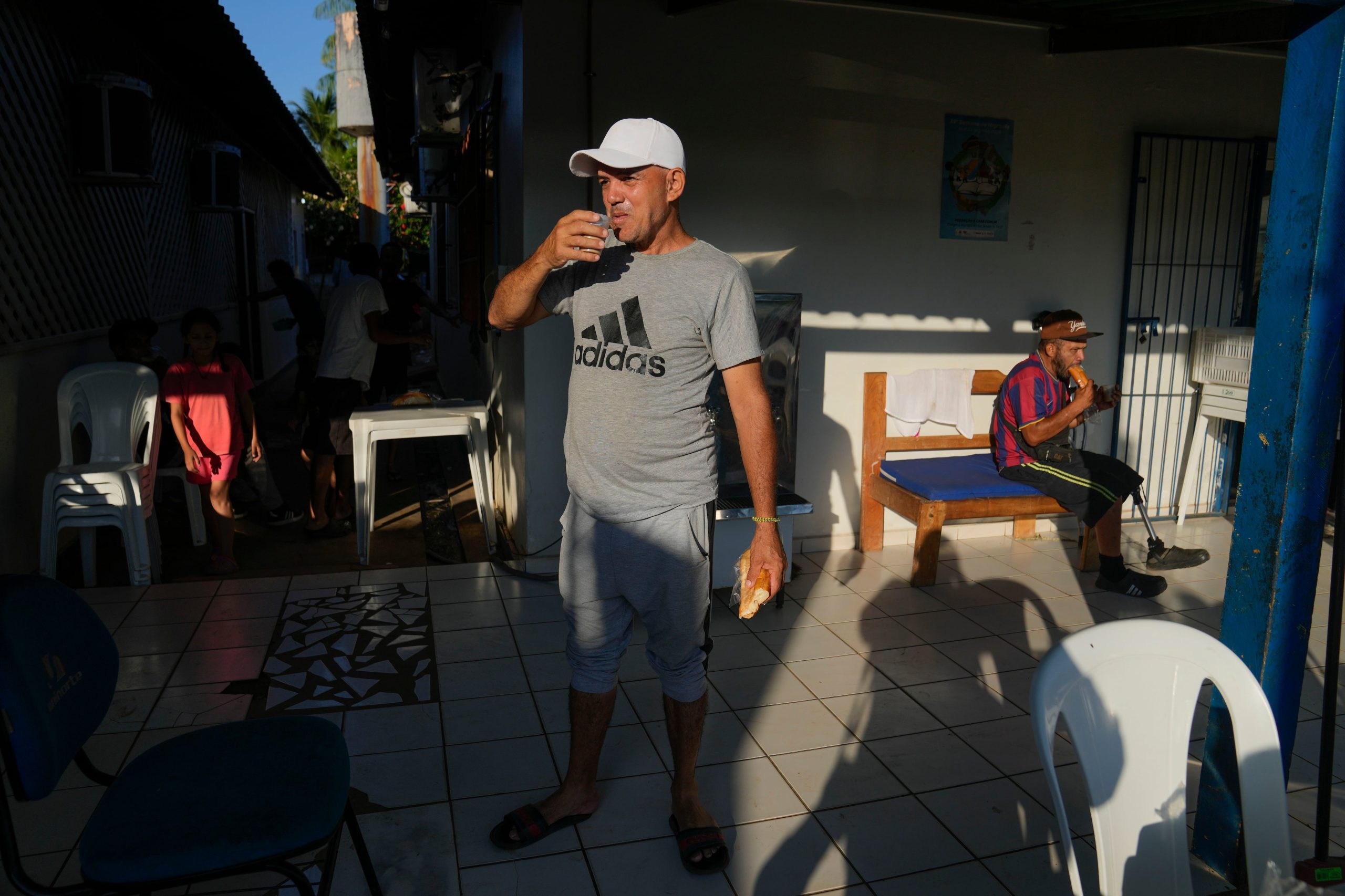
The presence of Cubans in Brazil surged starting in 2025, alongside the relentless deterioration of living conditions on the Caribbean island. What began as a trickle of arrivals via a harsh route through the Amazon has become a growing flow that has put them at the top of asylum claims, far surpassing Venezuelans. Brazilian authorities are processing more than 90,000 Cuban refugee applications, including 35,000 filed in the first seven months of 2026.
The drivers of this phenomenon lie in several countries: the catastrophic situation in Cuba itself, but also policies in the United States, Nicaragua and Guyana. Strikingly, the preferred destination for Cubans in this new promised land is the country’s south — the colder, whiter and less unequal Brazil. Many arrive with jobs already lined up.
After nearly a decade on the Amazonian border dominated by the Venezuelan exodus, Cubans now account for about 85% of those assisted by the Jesuit Service for Migrants and Refugees (SJMR). On Wednesday, 110 Cubans passed through the triage center in Boa Vista, the Brazilian city closest to the border crossing with Guyana. It is where representatives from the UN refugee agency (UNHCR) and the Jesuit organization hear their needs, explain their rights, outline the services available to them and provide employment guidance. “They arrive looking disoriented; all they know us that they want to get their paperwork,” Luis Hoyos, of the SJMR team, said by phone from Boa Vista.
“They are mainly merchants, professionals, accountants and employees of state-owned companies,” he added. But the profile is changing. At the start of the year, health workers proliferated. There was also a period when mainly women with children and older people arrived — the wives and parents of earlier migrants, who, once established, sent them plane tickets to join them in Brazil.
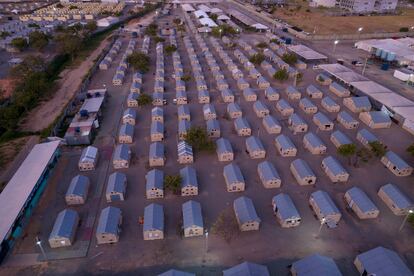
Cubans have turned to Brazil, a Portuguese-speaking country, pushed by President Trump’s offensive to turn the United States into a hostile fortress for almost any foreigner who is not a white South African. But also by Nicaragua’s decision, since last February, to require visas from Cubans; that move closed off one of the main exit routes from the island to the U.S. That increased interest in Guyana, which shares a land border with Brazil and remains one of the few countries in the world that does not require Cubans to hold a visa.
The most common route starts with a Havana–Georgetown flight. From Guyana’s capital, migrants travel overland through the Amazon jungle to the river that marks the border, the Tacutu, which they cross by boat before continuing by truck to Boa Vista.
Once the initial Brazilian paperwork is processed in Boa Vista, asylum seekers have virtually the same rights as a Brazilian national, except for voting or military service. “They have access to healthcare, education, the ability to open a bank account…,” Hoyos, SJMR’s regularization officer in Boa Vista, explained. This NGO plans to have, starting in September, a Spanish-speaking person at the police post on the border to ease that first language barrier newcomers face.
Often, Cubans show an initial reluctance to request refuge under the false assumption that it means being confined to a shelter.
The vast majority leave Boa Vista as soon as they can, headed for cities where there is greater demand for workers. “Many arrive with a job arranged by a relative,” Hoyos said, adding that they are highly sought-after workers. In addition to being the largest economy in Latin America, Brazil has the world’s largest free public healthcare system. Falling ill here is not a major risk to family finances.
The case of 47-year-old Yumara Bolaños is atypical because she came seeking medical treatment that Cuba’s overwhelmed health system could no longer provide for her daughter, who suffers from chronic kidney failure. She points to the language as the most difficult chapter of the adjustment process. Her life and that of her family have undergone “a dramatic change,” she said by phone. “The girl has improved a lot; she has the medications she needs,” she said from the southern city of Florianópolis, where they arrived because it has a reference hospital for kidney diseases.
After many years out of the workforce caring for her daughter, Bolaños has found a job as a supermarket cashier. Her husband handles loading and unloading at the same store. She is delighted, despite the climate and local temperament being very different from Cuba’s. “Although there are some brusque people, the welcome has been magnificent. I have not experienced any discrimination; they even gave us food bags when we needed them.”
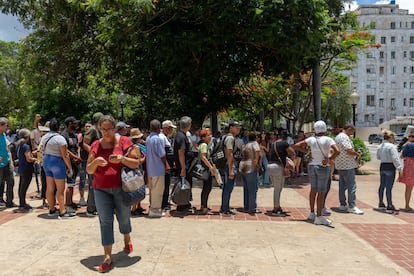
Curitiba, a southern city known for its quality of life and transportation system, has become the Cubans’ preferred destination — or “the new Miami,” as they jokingly call it.
What Bolaños cannot understand is why her asylum application can take years while those of her Venezuelan co-workers are processed in months.
Brazil is currently handling 157,000 asylum applications, more than 90,000 of which are from Cubans. These are processed through the ordinary channel, meaning each case is examined individually; they do not qualify for the faster lane available to arrivals from Venezuela, Syria or Afghanistan. That expedited route exists because Brazil considers that in those three countries “human rights violations are serious and widespread,” the Jesuit refugee service representative said. Cuba is not in that category. In any case, the paperwork allows them to work from day one.
Cubans must also organize their own travel to other states, which is not the case for Venezuelans, because the Brazilian government has an interior relocation program. In other words, it distributes migrants to other states to facilitate access to employment and social integration.
Sign up for our weekly newsletter to get more English-language news coverage from EL PAÍS USA Edition

El Reloj Casio Perfecto Para La Oficina: Queda Igual De Bien Con Traje Que Con Vaqueros

Galápagos, A Paradise Under Criminal Siege

United States Stalls Spanish Investigation Into Alejandro Betancourt, Its New Oil Czar In Venezuela
Wealth management for Americans in Spain

Afghanistan, Somalia And Yemen Disappear From The Latest US Famine Reports: ‘Trump Is Politicizing The Analysis’

Max Verstappen works with new race engineer at Italian Grand Prix


-
bissan wealth management2 weeks ago
Wealth management for Americans in Spain
-
 Donald Trump2 weeks ago
Afghanistan, Somalia And Yemen Disappear From The Latest US Famine Reports: ‘Trump Is Politicizing The Analysis’
-
 Uncategorized1 week ago
Max Verstappen works with new race engineer at Italian Grand Prix
-
Costa del Sol2 weeks ago
Marbella puts Ranchon Cubano back on the beach: Eco campaigners want it stopped
-

 Asesinatos2 weeks ago
Prisión Sin Fianza Para La Mujer Que Apuñaló Mortalmente A Un Hombre En Un Bar De Valencia
-
 Barcelona1 week ago
One Critically Injured And Nine Others Hurt After Carbon Monoxide Leak Aboard Ship Docked In Barcelona Port
-
Costa del Sol2 weeks ago
Fuengirola starts €49m Los Boliches megapark as demolition begins
-
Ceuta2 weeks ago
Ceuta, The Month That Broke A City