Connect with us

%

Households In Spain Could Save On Electricity Bills As 7 Per Cent Power Tax Cuts Begin This Year

Published

on

households-in-spain-could-save-on-electricity-bills-as-7-per-cent-power-tax-cuts-begin-this-year

Taxpayers in Spain could save €315 million in 2026 with 7 per cent power tax cuts. Credit: Renata Photography / Shutterstock.

Households in Spain facing another season of expensive electricity bills could soon be promised some relief, as the government begins removing a 7 per cent tax on power generation from 2026. The tax is due to disappear by 2028, but the savings may be harder to spot than many households expect.

How Spain’s power tax cut could reach household bills

For anyone living in Spain and already watching the electricity bill before switching on air conditioning, pool pumps, ovens or electric heaters, a tax change buried deep in the energy system could soon make a difference.

The Spanish government has approved the progressive removal of the Impuesto sobre el Valor de la Producción de Energía Eléctrica, known as IVPEE. It is a 7 per cent tax on the value of electricity production, paid by generators rather than directly by households.

That means it is not usually a neat line on a domestic bill. But because generation costs feed into the wider electricity system, the government says removing the tax should help reduce bills for consumers.

Spain’s Minister for Ecological Transition, Sara Aagesen, said the impact would vary depending on the type of consumer, but could reach up to a 6 per cent reduction in the electricity bill.

Why the 7 per cent charge was added before electricity reached homes

The tax dates back to when Spain introduced several energy-related fiscal measures. The IVPEE applied to electricity produced and fed into the Spanish system, including renewable, cogeneration and waste-based production.

At the time, Spain was dealing with the legacy of the so-called tariff deficit, a long-running gap between regulated electricity-system costs and the income collected to cover them.

In simple terms, a cost charged upstream to producers can still influence what ends up being paid by homes, businesses and larger industrial users.

The tax has long been criticised by parts of the energy sector and consumer groups, partly because it affected electricity generation at a time when Spain is trying to encourage more electrification, renewable power and lower dependence on fossil fuels.

How Spain will phase out the electricity generation tax by 2028

The measure forms part of a new government package approved on Monday, June 29, through a royal decree-law. The tax burden will be reduced through 2026 before being cut to 3.5 per cent in 2027 and removed completely in 2028, when the rate is expected to become 0 per cent.

For 2026, the government says previous reductions already applied to the first and second quarters. The new decree-law adds a 30 per cent reduction for the third quarter and a 40 per cent reduction for the fourth quarter.

Officials say the change will mean €315 million in savings for taxpayers in 2026. The government also says the wider reduction and elimination of the tax will add €2.7 billion in fiscal savings during 2027 and 2028.

Why households may not see the same saving at the same time

These tax cuts do not always translate into an identical and immediate fall in every monthly bill. The final price paid by a household in Spain depends on several moving parts, including the electricity contract, consumption, contracted power, wholesale market movements, network charges, VAT, the special electricity tax and the supplier’s own terms.

Those on Spain’s regulated small-consumer tariff, known as Precio Voluntario para el Pequeño Consumidor (PVPC), may see market changes differently from customers on fixed or free-market contracts. Free-market customers may need to wait for renewals or check whether their supplier passes on wider cost reductions.

Spain’s Competition and Markets Regulator already recommends that domestic consumers understand what type of electricity contract they have and compare offers before changing suppliers.

How the tax cut could help businesses, renewables and jobs

The government has also framed the change as a competitiveness measure, especially for electro-intensive industry, meaning businesses whose production costs depend heavily on electricity.

The Minister for Ecological Transition said the tax removal could increase industrial production by €2.6 billion a year and support around 3,700 jobs. She also linked the reform to investment in areas such as renewable hydrogen.

Renewable energy groups had been calling for the tax to be scrapped, arguing that Spain should not penalise electricity generation while trying to move more homes, transport and industry away from fossil fuels.

APPA Renovables, the Spanish renewable energy association, said earlier this year that the tax made electricity more expensive and slowed electrification. The group also argued that Spain was at a disadvantage after Portugal removed a comparable mechanism in the Iberian electricity market.

Why residents should still check the contract before expecting relief

For households in Spain, bills should be checked closely, especially the contract type, renewal date, contracted power and price per kilowatt hour. The tax phase-out is designed to lower pressure in the system, but it does not remove the need to compare tariffs or challenge poor deals.

The decree-law will also have to go through the usual parliamentary validation process for royal decree-laws in Spain. For now, the key dates to watch are the second half of 2026, when the reductions begin to bite, 2027, when the rate is due to fall to 3.5 per cent, and 2028, when the government plans to remove it completely.

%

The Kind Of Abuse No One Sees Is Now Being Treated As A Crime In The Netherlands

Published

on

the-kind-of-abuse-no-one-sees-is-now-being-treated-as-a-crime-in-the-netherlands

Psychological abuse is being treated as a pattern of behaviour rather than a single event. Photo credit: KieferPix/Shutterstock

For many people, the idea of abuse is still linked to something visible. A raised voice, a confrontation, or injuries that can be explained and seen. But for others, it looks very different. It can be quiet, gradual and almost impossible to describe from the outside. It might be a partner who wants to know where you are all the time. Who questions your friends. Who checks your phone. Who slowly starts to make decisions feel less like your own.

Nothing may ever look dramatic enough for anyone else to notice, but over time, life begins to feel smaller, more controlled, and harder to step away from. In the Netherlands, that kind of behaviour is now being brought into focus in a way it never has before. Psychological abuse and coercive control are moving towards being treated as crimes in their own right, even when no physical violence is involved.

When control replaces love

Psychological abuse rarely arrives as something obvious. It often begins with behaviour that is easy to dismiss at first. A partner becomes overly jealous. They want to know where you are all the time. They start questioning your friends, your family, your decisions. Slowly, the space you once had in your own life begins to shrink.

Over time, this can turn into something more suffocating. Access to money is restricted. Social contact is controlled. Movements are monitored. Small choices become something that needs approval. Many victims describe it not as one dramatic moment, but as a gradual loss of independence they only fully recognise once they are already deep inside it.

Because there are no visible injuries, it is often misunderstood from the outside. Friends may not see it. Even the person experiencing it may struggle to find the right words for what is happening.

Why invisible abuse is being taken more seriously

The shift taking place in the Netherlands is built around a simple idea: abuse should not only be recognised when it turns physical. Psychological abuse and coercive control are now being treated as patterns of behaviour that can trap victims long before violence escalates. That includes intimidation, isolation, constant surveillance, threats, humiliation and emotional manipulation.

One of the key reasons behind this approach is timing. In many domestic abuse cases, controlling behaviour has been identified as an early warning sign that situations can escalate into physical violence later on. Recognising those patterns earlier gives authorities a chance to intervene before harm becomes more serious.

It also reflects a growing understanding that many victims never report what they are going through because they cannot easily “prove” it in the traditional sense. Without visible injuries, the abuse can remain hidden for years.

How this compares with Spain

Spain already has some of Europe’s strongest domestic violence protections, with laws recognising both physical and psychological harm within relationships. However, psychological abuse is generally dealt with as part of other domestic violence offences rather than as a standalone crime focused specifically on coercive control patterns.

The discussion now emerging in Europe raises a broader question about whether more countries should explicitly define controlling behaviour itself as a separate offence, rather than relying on broader categories of domestic abuse once harm has already escalated. For victims, the distinction is important. It can affect how early intervention happens, how cases are investigated, and how patterns of behaviour are understood in court.

A change in how abuse is understood

Across Europe, there is a gradual shift in how people talk about domestic abuse. It is no longer seen only through the lens of physical violence, but increasingly as a spectrum of behaviours that can begin with control, isolation and psychological pressure. The impact on victims can be long-lasting, affecting confidence, independence and mental health even after a relationship has ended.

The Netherlands’ move has added momentum to that conversation, highlighting how different countries are starting to approach the issue in different ways. Whether Spain follows a similar path or not, the debate itself reflects a changing reality: abuse is not always visible, and it does not always arrive in the form people expect.

When harm is real even if it cannot be seen

For many who have experienced psychological abuse, the hardest part is not what happened during the relationship, but what comes after. Explaining something that left no physical trace can be difficult. Being believed can take time. And rebuilding independence often happens slowly, long after the control has ended.

That is why this change matters. It challenges the idea that harm must be visible to be real, and it places focus on patterns of behaviour that can quietly shape someone’s entire life. Even without bruises, broken bones or public scenes, the impact can be profound. And as more countries begin to recognise that reality, the definition of abuse itself is starting to change.

Continue Reading

%

Spain Could Become Its Own ‘Sahara’

Published

on

spain-could-become-its-own-‘sahara’

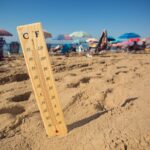
Spain is bracing for another spell of extreme summer heat. Credit : aleks333, Shutterstock

Just when it felt like Spain might finally get a break from the relentless heat, forecasters are warning that another intense spell of scorching weather is already on the horizon. From this thursday, July 2 temperatures are expected to climb once again, with parts of the country likely to top 40C. But what has caught meteorologists’ attention isn’t just the heat itself. It’s where it’s coming from.

Many people assume Spain’s hottest days arrive when scorching air sweeps in from the Sahara. This time, experts say that’s not necessarily the case. Instead, the peninsula is expected to generate much of the heat itself, creating the kind of conditions that can leave cities sweltering for days and nights offering very little relief.

For anyone living in Spain or planning a holiday over the coming week, the result may feel exactly the same. Long afternoons that are too hot for sightseeing, evenings that barely cool down and another stretch of weather where air conditioning becomes less of a luxury and more of a necessity.

Why Spain doesn’t need the Sahara to produce extreme heat

The idea that Spain can become its own source of extreme heat might sound surprising, but meteorologists say it’s something they have been seeing more often in recent summers.

The forecast points to a powerful area of high pressure settling over the Iberian Peninsula from the end of the week. That high pressure acts like a lid on the atmosphere. Sunshine pours in hour after hour, winds remain light and there is very little to disturb the warm air building close to the ground.

As the air slowly sinks, it becomes even warmer and drier. Add in some of the longest days of the year and the result is what forecasters describe as a heat dome, a weather pattern that traps hot air over the same area instead of allowing cooler Atlantic air to move in.

It’s a reminder that Spain doesn’t always need a blast of Saharan air to experience dangerous temperatures. Under the right conditions, the peninsula can effectively become its own hotspot.

That doesn’t mean the Sahara plays no role in Spanish heatwaves. Sometimes hot air from North Africa does combine with these weather patterns, making conditions even more extreme. But according to current forecasts, the atmosphere over Spain is capable of producing plenty of heat on its own.

What people across Spain are likely to notice first

The first thing many people will notice probably won’t be the afternoon temperatures. It will be the nights.

When a heat dome settles over Spain, the heat built up during the day has nowhere to go. Buildings, roads and pavements continue releasing warmth long after sunset, making it difficult for temperatures to fall.

That means many towns and cities could once again experience tropical nights, when temperatures stay above 20C until morning. In some inland areas, forecasters are even warning of torrid nights, where the mercury may struggle to drop below 25C.

For residents, that often becomes the hardest part of a heatwave. Sleeping with the windows open offers little relief if the air outside still feels warm. Fans end up running all night and homes without air conditioning can quickly become uncomfortable.

During the day, inland regions and western Spain are expected to bear the brunt of the heat, with temperatures above 40C becoming increasingly likely if the latest forecasts hold. Coastal areas should remain slightly cooler thanks to sea breezes, although many popular holiday destinations will still experience unusually hot conditions.

There is a chance that isolated thunderstorms could develop as small disturbances move across the upper atmosphere. While they may briefly cool a few local areas, they are not expected to bring widespread relief from the heat.

Why these heat domes are becoming a familiar part of Spanish summers

If it feels as though Spain is seeing more of these prolonged heat episodes, that’s because meteorologists say the weather patterns behind them are becoming increasingly common.

During the recent spell of extreme temperatures, the air mass became exceptionally hot over the Iberian Peninsula before spreading north across France and into central Europe, helping to break temperature records far beyond Spain’s borders.

A similar setup now appears to be developing once again. Forecast models suggest another strong ridge of high pressure will become established over Spain, creating the stable conditions needed for heat to build rapidly over several days.

For many people, the distinction between a Saharan heatwave and one generated largely over Spain probably won’t matter. What matters is how it feels on the ground.

It means planning outdoor activities earlier in the morning, thinking twice before heading out in the middle of the afternoon and accepting that evenings may offer little escape from the heat.

Holidaymakers may find beaches busier than usual as people search for any breeze they can find, while inland cities could become particularly uncomfortable during the hottest hours of the day. Anyone hiking, cycling or visiting historic towns should be prepared for temperatures that can quickly become exhausting.

The latest forecasts may still evolve over the next few days, but one thing already looks increasingly likely. Spain is heading into another period of exceptionally hot weather just days after the last one ended.

And while many people instinctively look south whenever the mercury rises, this time the real story is much closer to home. Under the right atmospheric conditions, Spain doesn’t always need the Sahara to produce a heatwave. Sometimes, the country’s own weather is enough to turn much of the peninsula into one of Europe’s hottest places.

With the height of the summer holiday season still ahead, that is unlikely to be welcome news for residents hoping for cooler evenings or visitors expecting more comfortable conditions. For now, the forecast suggests the heat is not ready to loosen its grip just yet.

Continue Reading

%

€100,000 Fines For Copying ID In Spain

Published

on

e100,000-fines-for-copying-id-in-spain

Businesses in Spain could face fines for copying ID documents without a valid legal reason. Credit : immigrationservicespain.com

Checking into a hotel, hiring a car or signing up for a service often comes with the same request: ‘Can we take a copy of your ID?’ Many people hand it over without a second thought. But Spain’s data protection watchdog says that, in many everyday situations, businesses should not be photocopying or photographing your identity card simply because it is convenient.

The warning is a timely reminder for residents, expats and holidaymakers alike. Under European data protection rules, organisations are expected to collect only the personal information they genuinely need. Holding a full image of someone’s identity document without a valid legal reason could leave businesses facing hefty penalties and expose customers to unnecessary privacy risks.

Why copying your ID could put your personal data at risk

An identity card contains far more information than is usually needed to confirm who you are.

A full copy may reveal your signature, the document’s issue date and other personal details that are irrelevant for routine transactions. According to Spain’s Data Protection Agency (AEPD), keeping complete images of identity documents can breach the data minimisation principle set out in the General Data Protection Regulation (GDPR).

That principle requires organisations to collect only the information that is strictly necessary for a specific purpose.

The concern is not simply about paperwork. If a company storing copies of identity documents suffers a cyberattack or data breach, those images could end up in the wrong hands, increasing the risk of identity theft or fraud.

For many customers, that risk is largely invisible. A quick snapshot taken during check in may seem harmless, but once it is stored digitally, it becomes another piece of sensitive personal information that must be protected.

When can a business ask for your ID?

Businesses can still ask to see your identity document when they need to verify who you are. In many cases, visually checking the document or recording only the essential details is enough to meet legal requirements.

The AEPD says companies should choose the least intrusive method available rather than automatically making or storing a complete copy of the document.

There are, however, situations where Spanish law specifically requires organisations to retain identity information. Those legal obligations remain unchanged. The agency’s warning is aimed at cases where businesses routinely copy identity documents without a clear legal basis.

Importantly, the watchdog also points out that a customer’s consent alone does not automatically make the practice lawful. If there is no legal justification for storing a copy of the document, asking the customer for permission does not remove the company’s responsibilities under data protection law.

What are your rights if you’re asked for a copy of your ID?

If a business asks to photocopy or photograph your identity document, you are entitled to ask why the copy is needed, what legal basis the company is relying on and how your information will be stored.

If there is no legal obligation requiring the business to keep a copy, the AEPD says customers have the right to refuse and can suggest alternative ways of confirming their identity, such as allowing staff to inspect the document without retaining an image.

The watchdog is also reminding businesses that failing to comply with data protection rules can be expensive. In the most serious cases, sanctions can reach 100,000, reflecting the importance of handling personal data responsibly.

As concerns over online privacy and identity fraud continue to grow, the message from Spain’s data protection authority is straightforward: businesses should only collect the information they genuinely need, and customers should not feel obliged to surrender more personal data than the law requires.

Continue Reading
Advertisement
Advertisement

Spanish Real Estate Agents

Tags

Trending

Copyright © 2017 Spanish Property & News