
Chavismo
Human Rights Watch Visits Venezuela After 18 Years: ‘There Is A Kind Of Truce, But The State Apparatus Responsible For The Abuses Remains Intact’









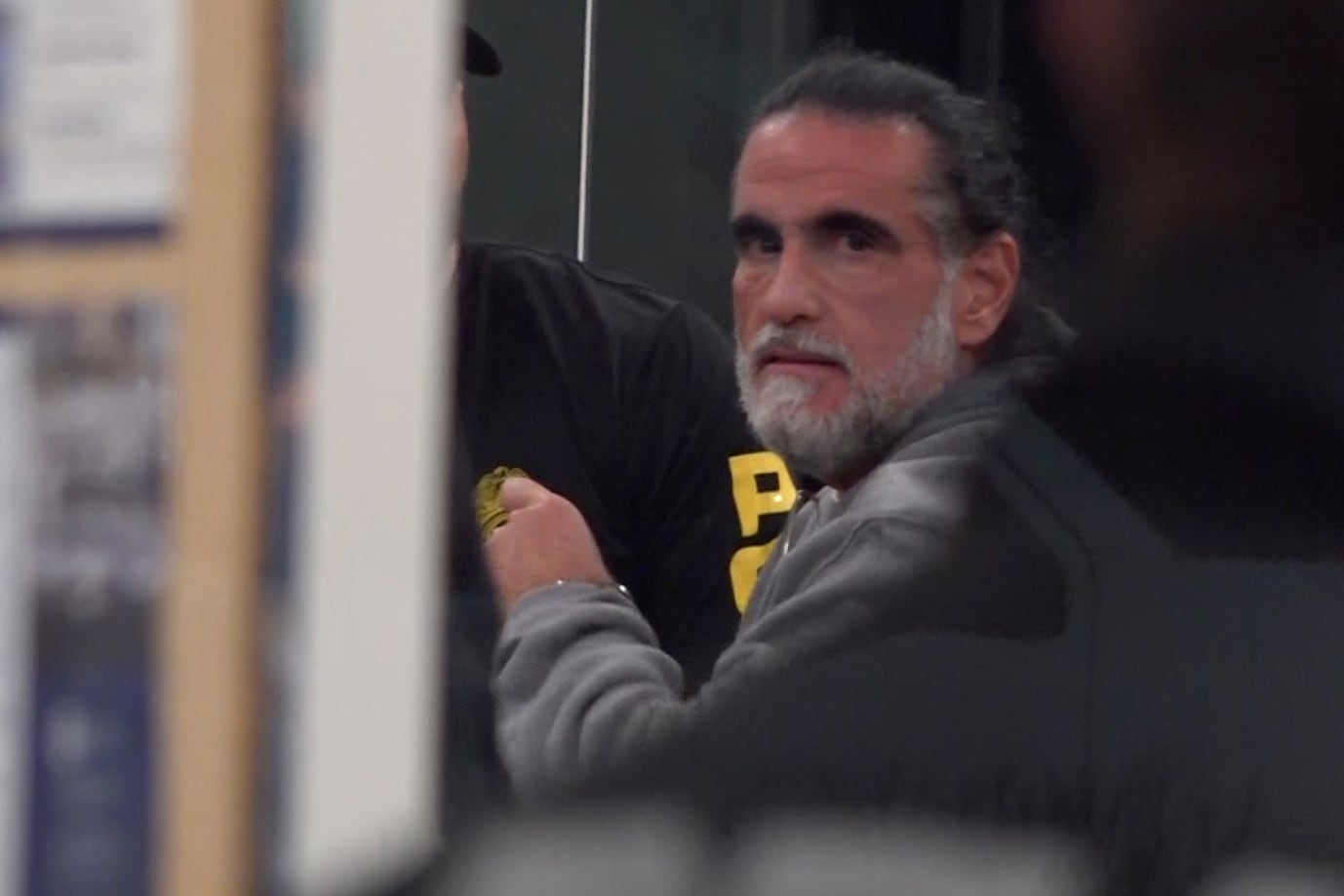
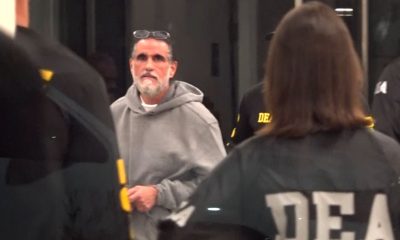
El exfuncionario del gobierno de Venezuela y supuesto testaferro de Nicolás Maduro, Alex Saab, comparecerá este martes ante la corte de Miami que lo acusa de delitos de lavado de dinero y corrupción para declararse culpable. Saab en principio había afirmado ser inocente, pero documentos judiciales indican que en la audiencia de mañana cambiará su declaración.
El empresario de origen colombiano hizo fortuna en Venezuela como contratista en la construcción de viviendas de interés social y en la importación de alimentos subsidiados mientras el país vivía una de sus peores crisis de hambre y pobreza. Sus negocios eran la punta del iceberg de una enrevesada trama de corrupción que involucra a altos funcionarios del chavismo, incluido el propio gobernante Nicolás Maduro, y una decena de países.
En su acusación de enero de este año, el Gobierno estadounidense señaló a Saab de planificar y ejecutar desde octubre de 2015 un esquema de corrupción para enriquecerse junto con sus asociados, algunos de ellos de Miami, a costa del programa de abastecimiento de alimentos del Estado venezolano conocido como Comité Local de Abastecimiento y Producción (CLAP).
El Departamento de Justicia (DOJ, por sus siglas en inglés) detalló que el entramado consistió en pagar sobornos a funcionarios públicos en Venezuela para conseguir contratos del programa CLAP e importar alimentos bajo pretensiones falsas desde países como Colombia y México. Saab y sus asociados recurrieron a compañías, facturas, registros navieros y documentos falsos para quedarse con cientos de millones de dólares que se supone hubiesen gastado en importaciones de alimentos para los venezolanos más pobres. Algunas de esas ganancias ilegales fluyeron, agregó la acusación, a través de cuentas bancarias en Estados Unidos.
La trama, según el DOJ, se amplió hacia 2019 cuando las sanciones de Washington golpearon las exportaciones venezolanas, incluyendo los envíos clave de petróleo, y al país sudamericano se le complicó pagar deudas como las que mantenía con los proveedores de alimentos del programa CLAP.
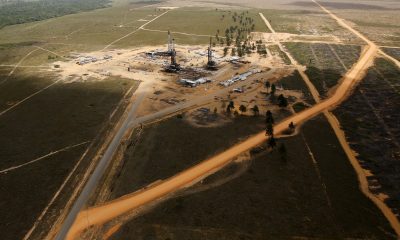
Saab y sus secuaces, detalló el DOJ, aprovecharon entonces su acceso directo a funcionarios del Gobierno de Venezuela para vender crudo de la estatal Petróleos de Venezuela (PDVSA). “Lo recaudado de estas ventas ilegales fue transferido a través de cuentas bancarias en Estados Unidos para promover el esquema ilegal del CLAP”, dijo el Gobierno estadounidense.
Contratista, ministro y extraditado
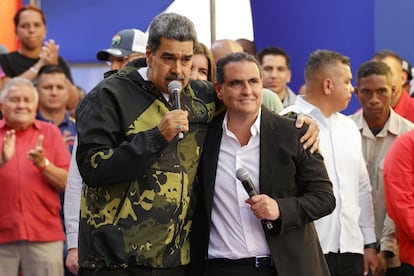
El empresario barranquillero ha sido, alternativamente, héroe y villano para el régimen chavista que manda desde 1998 en Venezuela y, por su cercanía al Palacio de Miraflores, ha sido empleado como moneda de cambio en las relaciones entre Caracas y Washington.
Saab ha sido investigado por Estados Unidos durante más de una década y, en ocasiones, también ha actuado como colaborador para la agencia antidrogas DEA en la construcción del caso contra Maduro. En junio de 2019, la Oficina de Control de Activos del Departamento del Tesoro (OFAC, por sus siglas en inglés) lo incluyó en su lista de sancionados por sus negocios con el régimen de Venezuela y un mes después, le acusó formalmente de ocho cargos de lavado de dinero. En junio de 2020, Saab fue detenido en Cabo Verde, mientras viajaba en un vuelo privado con un pasaporte diplomático venezolano; ese mismo año, en octubre, fue extraditado a Estados Unidos.
Maduro emprendió entonces una campaña internacional para pedir la liberación de Saab y en esas diligencias, hasta el actual presidente de Colombia, Abelardo de la Espriella, actuó como uno de sus abogados. En diciembre de 2023, el empresario colombiano regresó a Caracas como parte de un acuerdo de intercambio de prisioneros con el gobierno de Joe Biden, y más tarde fue nombrado ministro de Industria y Producción Nacional de Venezuela.
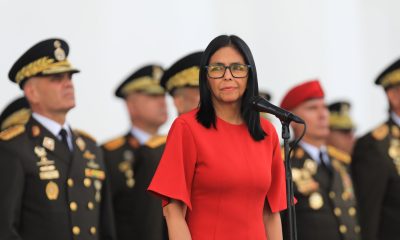
En el más reciente capítulo de esta trama, el interinato de la vicepresidenta de Maduro, Delcy Rodríguez, extraditó a Saab a Estados Unidos el 16 de mayo. Saab ya había sido destituido de su cargo de ministro y detenido por cuerpos de seguridad venezolanos en febrero, luego de que un grupo de asalto de Estados Unidos bombardeó la capital y se llevó por la fuerza a Maduro y a su esposa, Cilia Flores, a una cárcel de Nueva York.
British couple’s Spanish dream in ruins as their mobile home on their land is declared illegal
Cataluña proposes AI ban for under-14s as screen concerns grow
Great balls of fire: Meteorites fall over Cadiz and the Balearics and turn night to day
The Vocabulary You Need To Understand The Spanish Citizenship Process
Ibiza council hits illegal tourist rental with €793,000 fine – but will the owner pay that much?

94% Of Spanish Homes Are Energy Inefficient – Could Tighter Rules Be Coming?


-
Latest1 week ago
The Vocabulary You Need To Understand The Spanish Citizenship Process
-
Holiday rentals2 weeks ago
Ibiza council hits illegal tourist rental with €793,000 fine – but will the owner pay that much?
-
 Energy efficiency & certificates2 weeks ago
94% Of Spanish Homes Are Energy Inefficient – Could Tighter Rules Be Coming?
-

 Argentina1 week ago
The Falklands: The Open Wound That Unites Argentines
-
 Alex Saab1 week ago
Maduro Ally Alex Saab Pleads Guilty In US Money-Laundering Case
-
easyJet1 week ago
146 slide off easyJet flight after powerbank fire at Milan airport
-
Affordable homes Spain2 weeks ago
Costa Blanca renters may be missing out on Spain’s new affordable homes
-
 Uncategorized1 week ago
‘Lewis will never trust Charles again’ – F1 journalist issues shocking Ferrari statement – GPFans.com